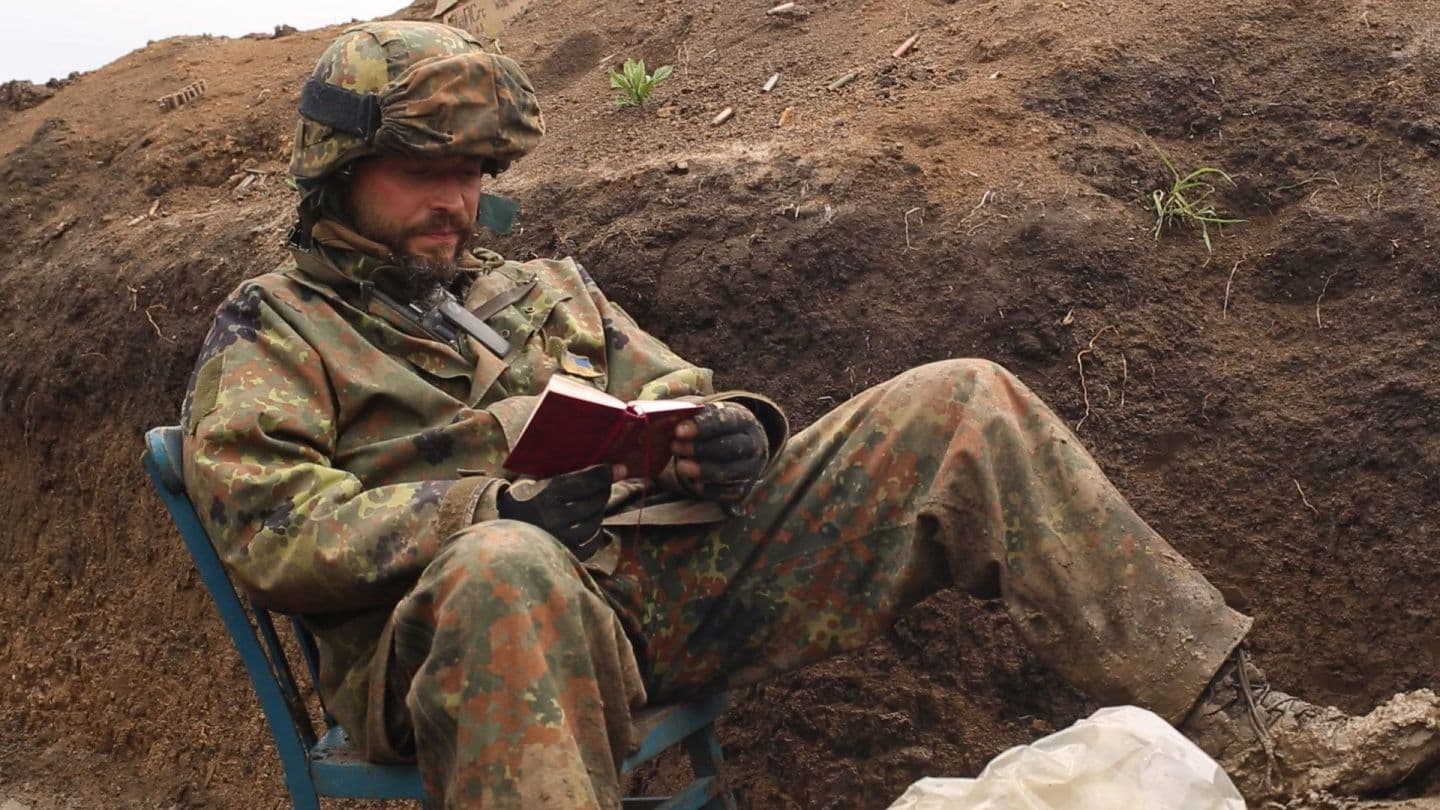
The Tallinn Black Nights Film Festival, widely known as PÖFF, has used its latest edition to spotlight Ukrainian cinema under the banner "PÖFF Stands With Ukraine," presenting a slate of films that were completed in defiance of the ongoing war and, in some cases, shaped directly by it. The programme reflects a deliberate curatorial choice by one of Northern Europe's largest film events to keep Ukrainian voices visible on the international festival circuit at a moment when attention is hard to sustain.
The strand brings together features and documentaries that trace two distinct but connected impulses: work made despite the war, as filmmakers push productions forward amid disruption and uncertainty, and work made because of the war, as directors turn their cameras on the conflict and its consequences. For PÖFF, the distinction matters. It frames Ukrainian cinema not simply as a vehicle for reporting on the invasion but as a living artistic tradition continuing to produce fiction, documentary and experimental work on its own terms.
Two Currents Within a Single Programme
The "despite" side of the lineup speaks to persistence. Ukrainian productions have faced obstacles that range from the logistical to the existential - crews scattered or mobilised, funding diverted, locations rendered inaccessible or unsafe. That any features reach the festival circuit at all is a testament to the resourcefulness of producers and the determination of directors who regard continuing to make films as a form of cultural self-defence. These titles arrive at Tallinn not as curiosities but as fully formed works competing for audience and critical attention alongside the rest of the festival's programme.
The "because" side is more direct in its engagement with the war. Documentary filmmaking in particular has become a primary mode for Ukrainian directors, who have used the form to record daily life under attack, displacement and loss. These films carry an evidentiary weight, but the more interesting ones resist reducing their subjects to victims; they observe communities, families and individuals with a specificity that larger news coverage cannot provide. PÖFF's decision to programme them together invites audiences to consider how the same national cinema can hold both endurance and reckoning in view at once.
A Festival Position Rather Than a Gesture
PÖFF has positioned the Ukrainian focus as more than a symbolic show of solidarity. By giving these films prominent placement, the festival treats Ukrainian cinema as part of the European film landscape rather than a charity case appended to the main competition. That framing has consequences: it asks international distributors, sales agents and festival programmers in the audience to consider Ukrainian titles for their own slates, and it gives Ukrainian filmmakers a platform where their work is assessed as cinema first.
The strand also fits a broader pattern in European festivals, which have increasingly built sustained Ukrainian programming rather than one-off tributes. The challenge, acknowledged by programmers across the circuit, is maintaining that commitment as the war lengthens and international news cycles move on. A dedicated sidebar at a major festival is one way to counter fatigue.
What the Programme Signals for Ukrainian Cinema
For the filmmakers involved, inclusion at Tallinn offers practical benefits: visibility with critics and industry attendees, a chance to meet co-production partners, and a reminder that their work travels even when production at home is constrained. For audiences, the programme offers a corrective to the compressed narratives of war that dominate headlines - a chance to see Ukrainian directors working in genres and registers beyond reportage.
PÖFF's Ukrainian focus does not claim to be comprehensive, and no single festival strand could be. What it offers is a snapshot of a cinema under pressure and still in motion, made by filmmakers who have chosen, for reasons both practical and political, to keep working. The festival's message, embedded in the programme's title, is that standing with Ukraine means watching what its filmmakers make - and taking it seriously as art.
Source: Hollywood Reporter