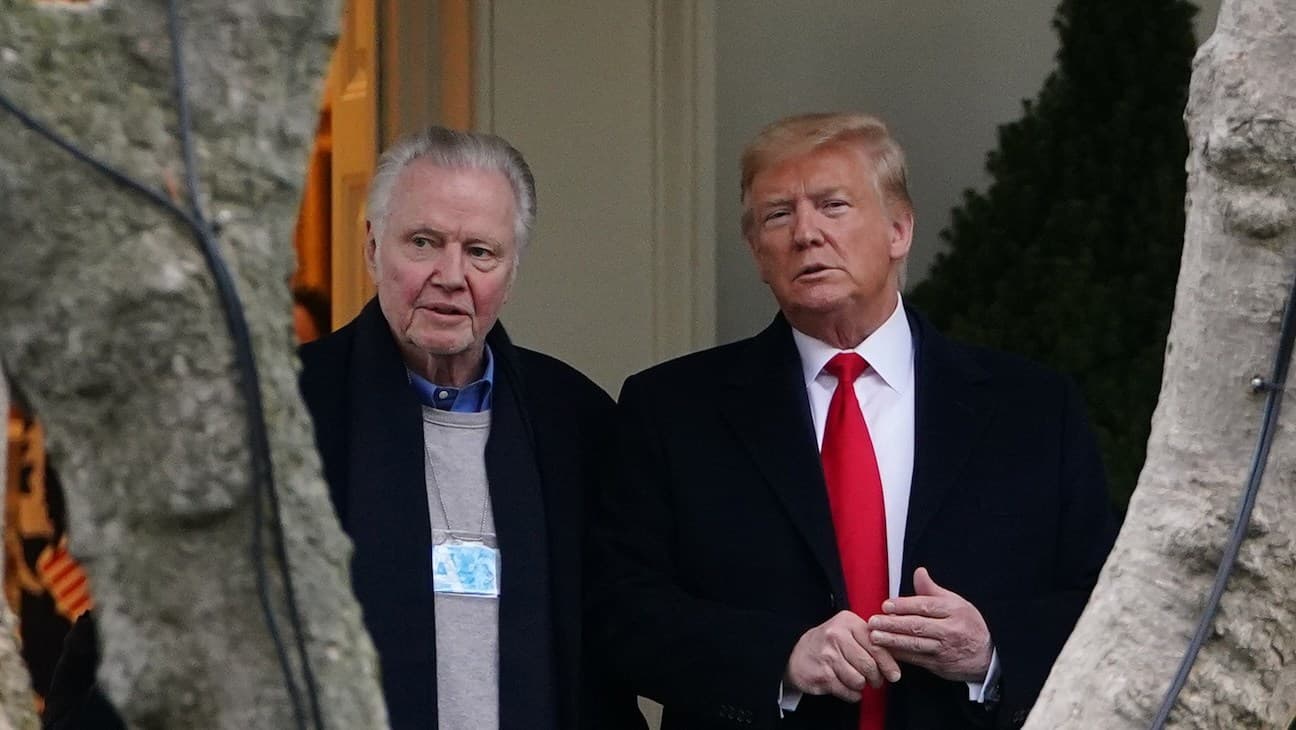
Producers are mounting a late-year lobbying campaign to secure congressional approval of a federal film and television production incentive that President Trump has publicly endorsed, making the push a central theme as the American Film Market gets underway. The effort, which supporters hope will culminate in legislation before the current session of Congress ends, would mark an unusual departure for an industry that has historically relied on state-level tax credits rather than a national program. With the market drawing international buyers and sellers to Santa Monica, backers are using the gathering as a platform to press lawmakers for action in the closing weeks of the year.
An Incentive With an Unusual Path
The proposal's most striking feature is its provenance. Federal support for film production has long been a third rail in Washington, where lawmakers have generally preferred to leave such matters to the states. Trump's backing has given the idea an unexpected prominence, and producers are now trying to convert that attention into votes. The incentive is being framed as a jobs measure rather than an arts subsidy, with advocates arguing that a national credit would help keep shoots and post-production work on American soil at a moment when competition from abroad is intensifying.
Details of the plan remain unsettled, and no final legislative text has been circulated publicly. That ambiguity has not stopped producers from organizing. Several industry figures attending AFM described the incentive as the most consequential item on their agenda this year, saying the lack of a federal program has put domestic production at a disadvantage against countries offering generous rebates and streamlined permitting.
AFM as a Pressure Point
The American Film Market has always been as much a venue for deal-making as for politicking, but this year the incentive question is bleeding into both. Producers with projects in development say the prospect of a federal credit is shaping how they structure budgets and schedules, even though nothing has been passed. Some are holding off on finalizing financing until the legislative picture clarifies, wary of building assumptions about a benefit that may not materialize.
Others view the uncertainty as a reason to accelerate. If a credit does emerge, they argue, the projects that are ready to go first will benefit most, and waiting could mean missing a window. That tension - between caution and urgency - has become a recurring conversation in the market's corridors and meeting rooms.
Skepticism on Capitol Hill
The path to passage is far from assured. Congress has a crowded calendar and a long history of letting tax provisions lapse or expire without action. Fiscal conservatives have traditionally questioned targeted credits, preferring broad-based tax relief, and the price tag of a federal program could draw scrutiny at a time when budget debates are already fraught. Even sympathetic lawmakers may balk at creating a new entitlement for a single industry.
There is also the question of how a federal credit would interact with the patchwork of state incentives already in place. States from Georgia to New Mexico to New York have built thriving production hubs around their own programs, and some local officials worry that a national credit could undercut the competitive advantage those states have cultivated. Producers counter that a federal backstop would stabilize the industry rather than cannibalize state efforts, but the argument has not been fully made to skeptical governors and legislators.
What Passage Would Mean
If the incentive clears Congress, its effects would be felt well beyond the balance sheets of individual productions. A national credit could influence where studios choose to shoot, how international co-productions are structured, and whether mid-budget films - the segment of the business most sensitive to cost - can be made domestically at all. Supporters say it would also help retain crew members and post-production houses that have been drifting toward jurisdictions with more attractive terms.
For now, the campaign is a race against the calendar. Producers are planning further outreach to members of Congress and their staffs in the coming weeks, and industry trade groups are expected to amplify the message. Whether the momentum built at AFM can survive the trip back to Washington is the open question. As one attendee put it, the market is where deals get done - but this particular deal depends on an institution that does not conduct its business on a convention floor.
Hollywood Buzz News will continue to follow the incentive push as it develops.
Source: Hollywood Reporter