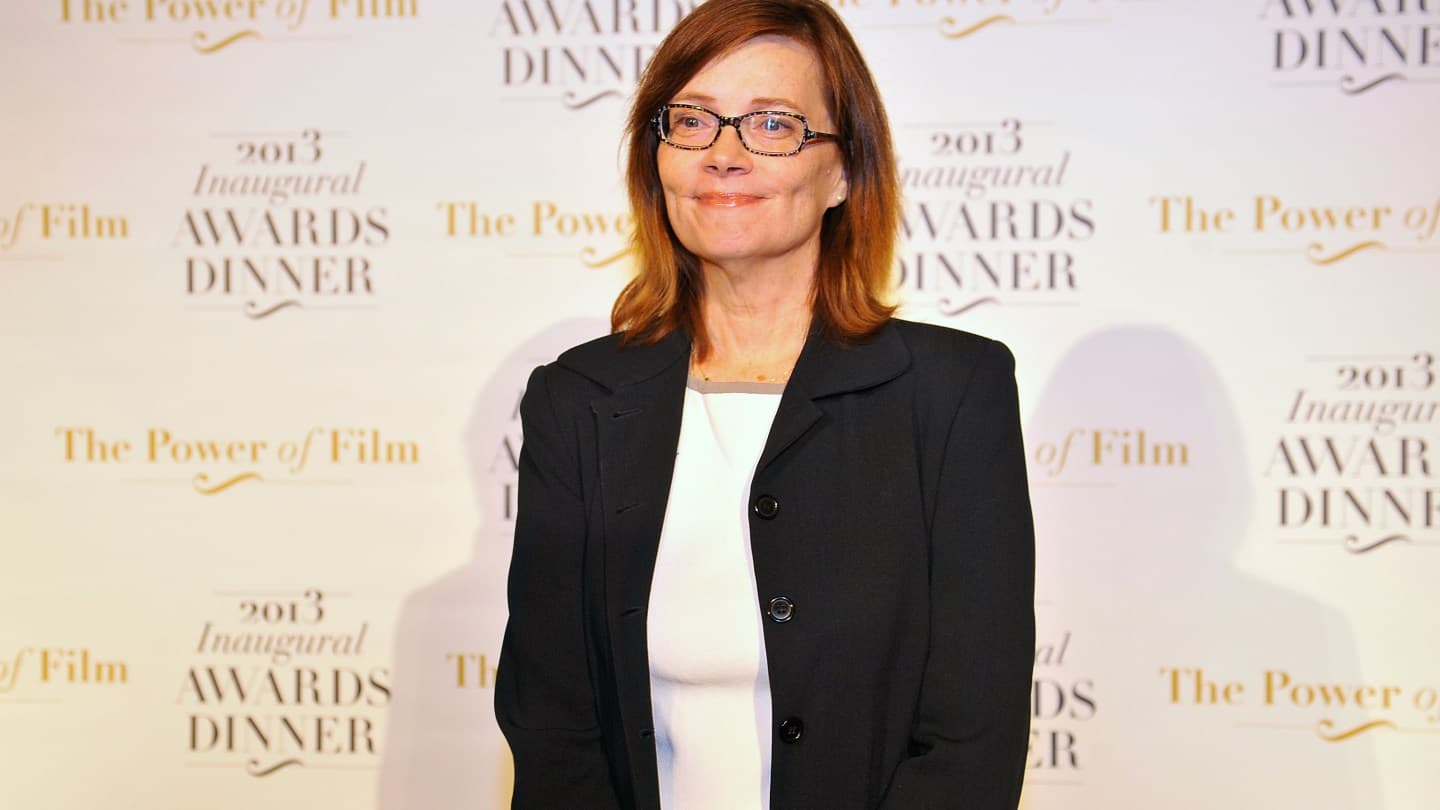
Ann Hornaday built a career on the conviction that film criticism is less a verdict than an invitation. For more than two decades as chief film critic of The Washington Post, she wrote as though she were pulling back a curtain and waving readers through, not merely rating what waited on the other side. Her death marks the loss of one of American journalism's most lucid and generous voices on cinema - a critic who believed movies were worth arguing about precisely because they belonged to everyone who watched them.
Hornaday joined The Post in 2002 and quickly became a fixture of the paper's cultural coverage, reviewing widely and writing with a range that moved easily from studio blockbusters to small documentaries and international imports. She was a Pulitzer Prize finalist for criticism, a recognition that reflected the seriousness she brought to a beat too often reduced to thumbs up or thumbs down.
A Critic Who Wrote for the Audience, Not the Industry
What distinguished Hornaday was her refusal to treat criticism as a performance of taste. She wrote for the person deciding what to see on a Friday night as much as for the cinephile parsing a director's career. Her reviews routinely opened doors rather than closed them, offering context about a filmmaker's earlier work, the traditions a movie drew from, or the moment it was made. Readers came away knowing not only whether a film was worth their time but why it existed at all.
She was particularly attentive to the craft beneath the surface - the editing rhythms that made a scene land, the choices a cinematographer made when the light fell a certain way, the difference between a performance that was showy and one that was true. She treated technical achievement not as trivia for insiders but as part of the story she was telling her reader.
A Champion of Films That Might Otherwise Go Unseen
Hornaday used her platform to steer attention toward work that risked being overlooked. Documentaries, independent features, and films from outside the Hollywood mainstream regularly received the same careful consideration she gave to the year's biggest releases. Her annual roundups often served as a corrective to the narrowing of theatrical distribution, reminding readers that the movies available to them were more varied than the multiplex marquee might suggest.
For filmmakers, a thoughtful review from Hornaday could mean a great deal - not simply the exposure, but the sense that someone with a wide frame of reference had genuinely engaged with the work. She took young directors seriously, wrote about them without condescension, and followed careers over time.
The Personal Voice Behind the Byline
Her authority came partly from the breadth of her own viewing and partly from something harder to teach: a personal voice that never crowded out the film. Hornaday could be sharp, but she was rarely cruel, and her enthusiasm, when it surfaced, felt earned rather than performative. Readers trusted her because she seemed to trust them - as capable of following an argument, of tolerating nuance, of wanting more than a score.
She was also, over the years, a mentor and a colleague, a presence in the critical community whose influence ran through the writers and editors she encouraged. Critics who came up after her often pointed to her as a model of how to write about movies without turning the piece into a display of the critic's cleverness.
A Legacy in What She Asked of Readers
Hornaday's contribution to film culture resists neat summary, which is fitting for someone who spent so long resisting neat summaries of films. But a phrase from her work serves well enough: her world was a place she opened to others, and it was just her world - particular, opinionated, warmly offered. She asked readers to bring their own experience to the screen, to notice what a movie was trying to do even when it fell short, and to take seriously the idea that watching closely is a way of paying attention to the world beyond the theater.
In an era when criticism increasingly competes with aggregated ratings and algorithmic recommendations, Hornaday's approach stands out as a reminder of what the form can offer: knowledge, judgment delivered with fairness, and a companionable voice guiding a reader toward something worth seeing. The films she championed will keep screening; so, in the writing of those who learned from her, will her habit of inviting people in.
Source: Hollywood Reporter