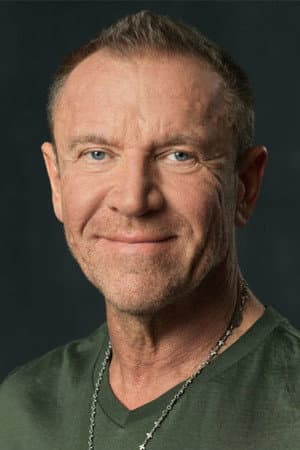
Renny Harlin, the Finnish-born director who became one of the defining action filmmakers of the 1990s, is stepping behind a different kind of camera. Harlin has launched his own production company, a venture he says will be built around discovering and backing first-time feature directors rather than adding another slate of projects to his own directing resume.
The move marks a notable shift for a filmmaker whose career has been defined by large-scale studio spectacle. Harlin broke through in Hollywood with "Die Hard 2" in 1990, then followed with "Cliffhanger" three years later, a mountain-set thriller that became one of the era's signature action hits. He later directed "Cutthroat Island," "The Long Kiss Goodnight," and "Deep Blue Sea," and has kept working steadily across international productions in the decades since. Now he wants to use that experience on the other side of the table.
According to Harlin, the company's central purpose is to give emerging filmmakers the kind of support that is often in short supply when a director is making a first feature. He pointed to the practical hurdles that sink promising debut projects: financing that falls apart late, compressed schedules, and a lack of someone in the filmmaker's corner who has already navigated those pressures.
Harlin said the idea grew out of his own early career, when he was directing in Finland before making the leap to Hollywood. He recalled the difficulty of assembling resources and finding advocates as a young filmmaker, and said he wants his company to serve as that advocate for a new generation.
The company is expected to develop and produce feature films, with Harlin involved as a producer and mentor rather than as director. He described the role as one of protecting a filmmaker's vision while also being honest about the commercial realities of getting a movie made and seen. That combination, he suggested, is where experienced producers can be most useful to a first-timer.
Harlin's career offers plenty of material for that kind of counsel. He has worked at both extremes of the business, from big-budget studio productions to smaller and more independently minded projects, and across multiple countries and film industries. He has spoken in the past about the lessons learned from ambitious films that did not perform as hoped, and he appears intent on passing along that hard-won perspective rather than presenting a sanitized version of how the industry works.
A Producer's Eye on a Changing Market
The launch comes at a moment when the economics of feature filmmaking are shifting quickly. Streaming platforms have altered how projects get financed and distributed, while traditional theatrical releases face persistent uncertainty. For new directors, that landscape can be both an opportunity and a maze, with more buyers than ever but less clarity about which paths lead to a finished film.
Harlin's company intends to operate in that environment by staying flexible about how projects reach audiences. He has indicated an interest in a range of budgets and genres rather than a single house style, with the common thread being filmmakers with a distinct point of view. That approach would put the company in conversation with both established financiers and newer distribution outlets.
The director also brings an international perspective that could shape the company's identity. Born in Finland and educated in the U.S., Harlin has moved between European and American productions throughout his career, and he has suggested that the company will look beyond Hollywood for talent. First features from outside the traditional studio pipeline are precisely the kind of projects that often struggle to find backing, which is where he sees an opening.
Industry observers will be watching whether a filmmaker known for oversized action can translate that sensibility into nurturing smaller, director-driven work. Harlin's own answer is that the scale of a movie is not what makes it worth making. What matters, he said, is whether a director has something to say and whether the production gives that director a real chance to say it. His new company is, in effect, a bet that both can be true at once.
Source: Hollywood Reporter