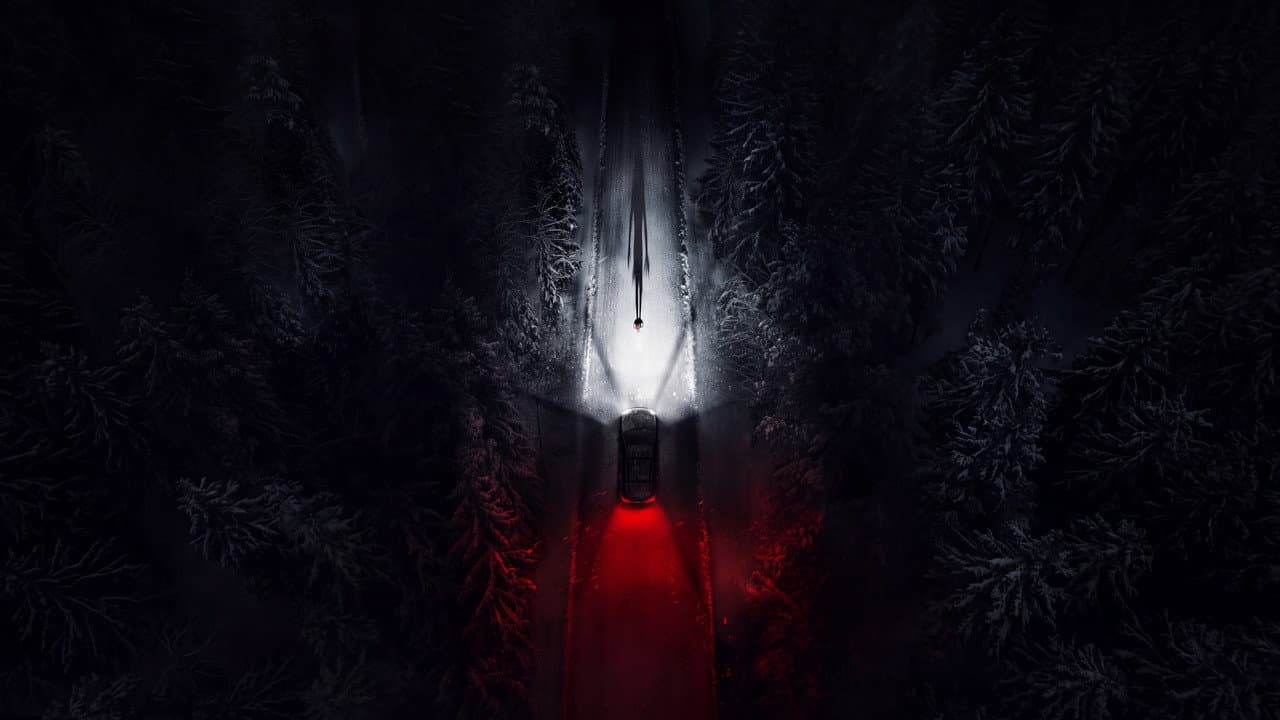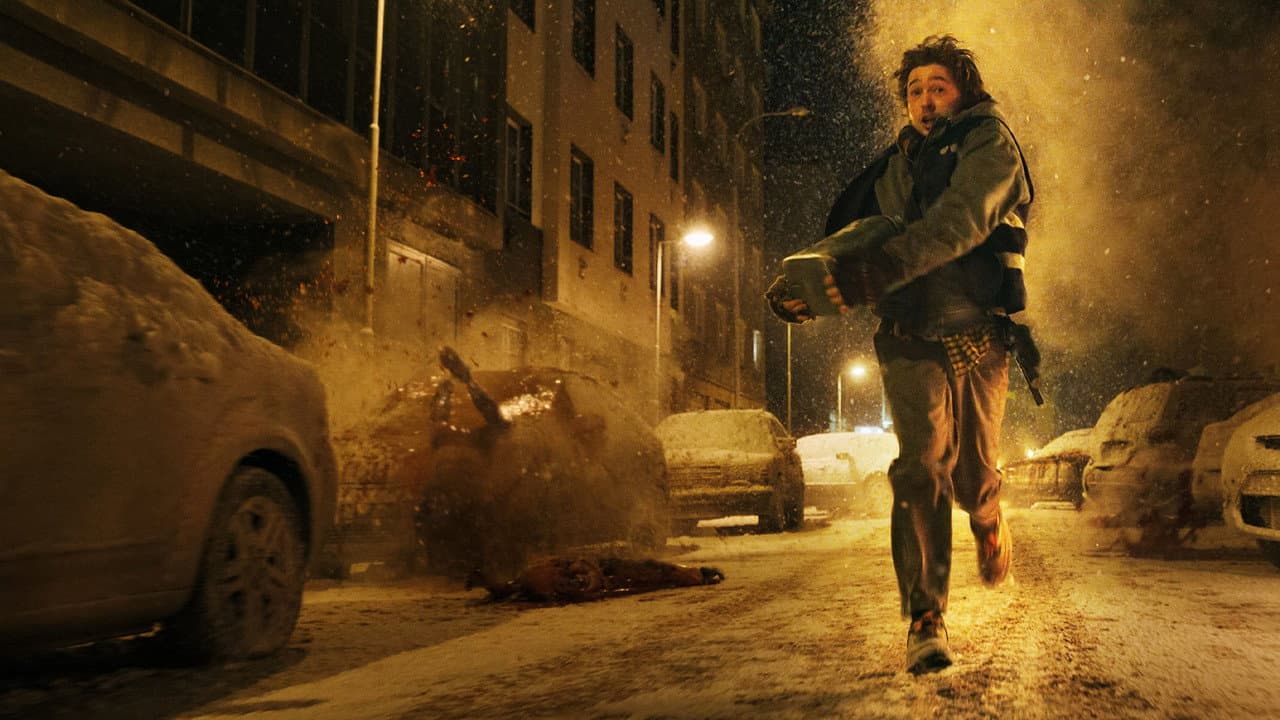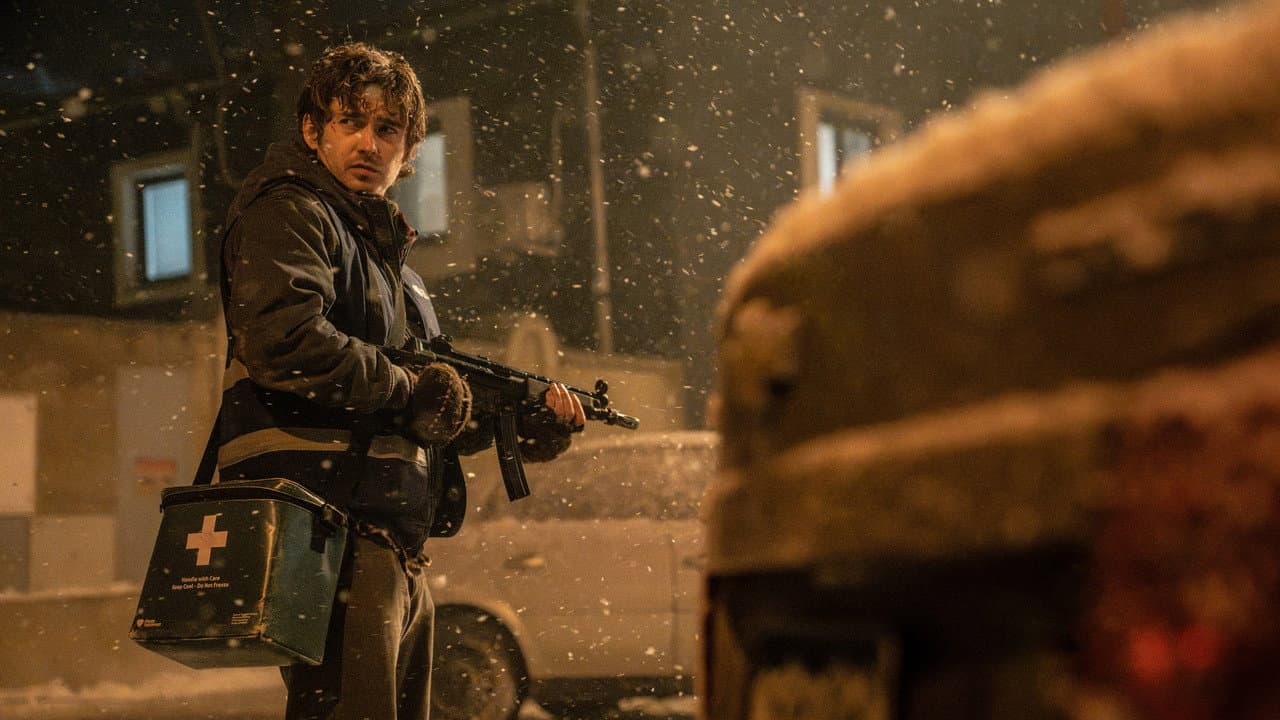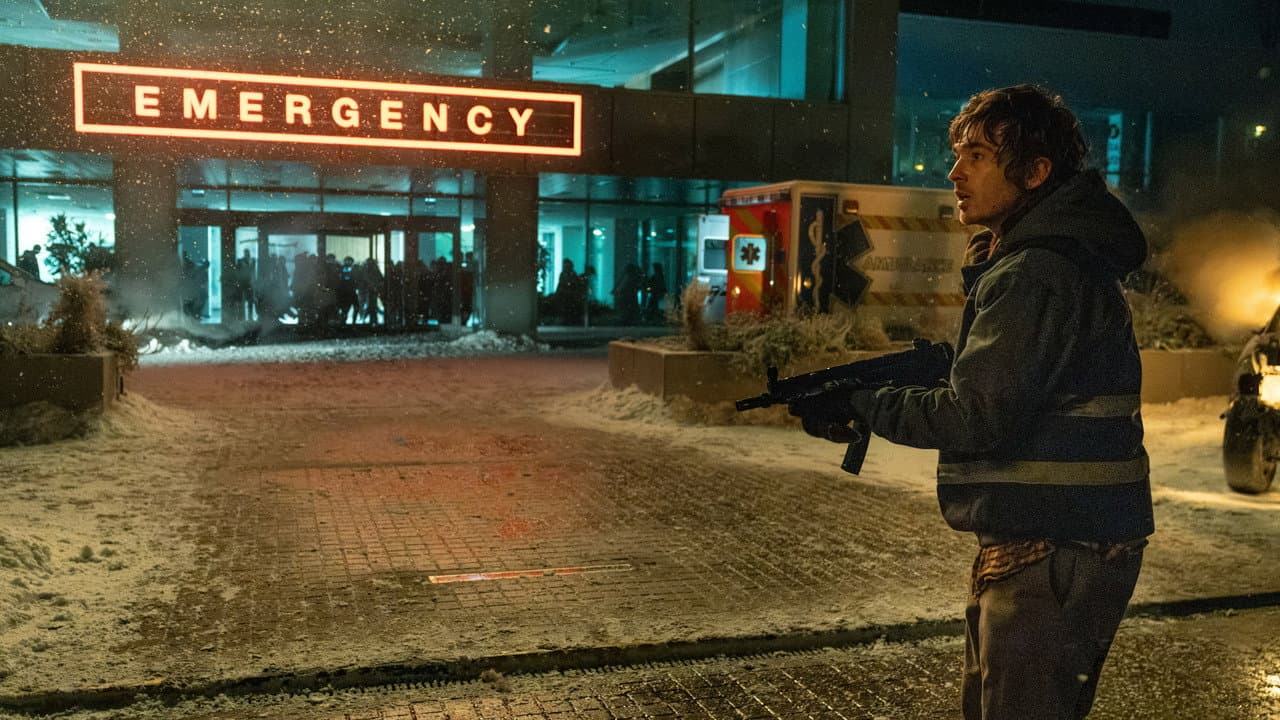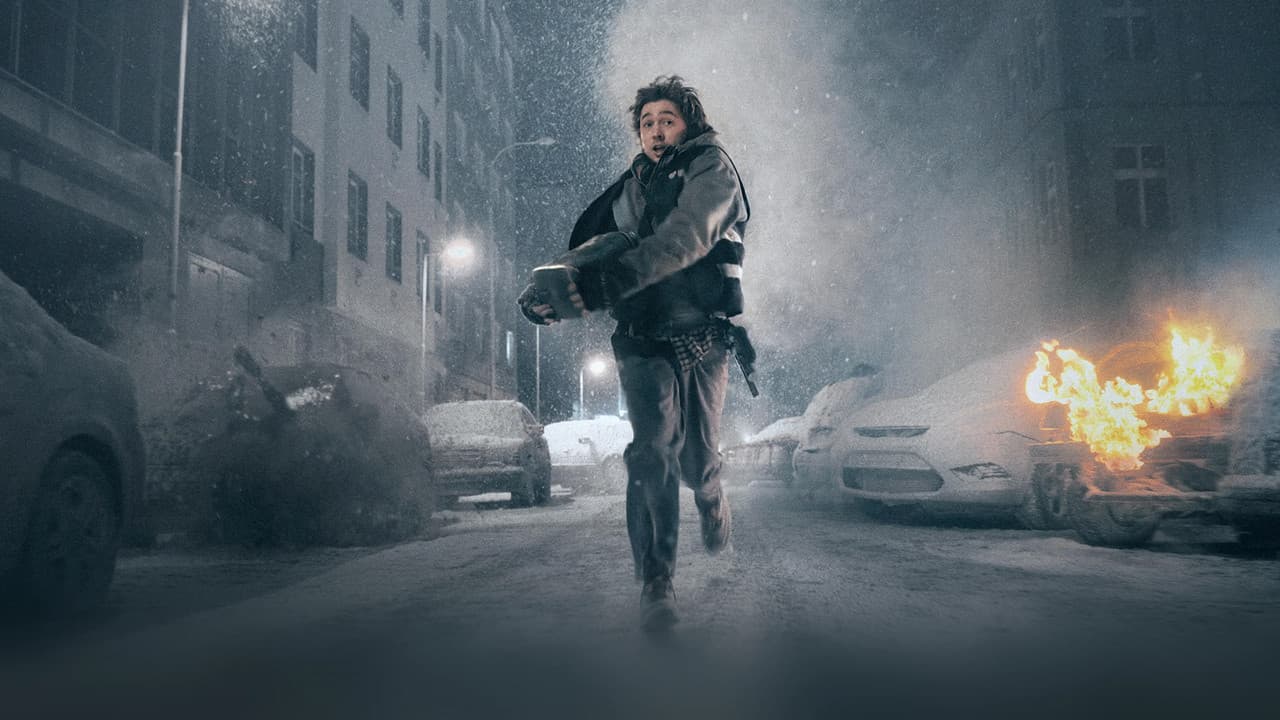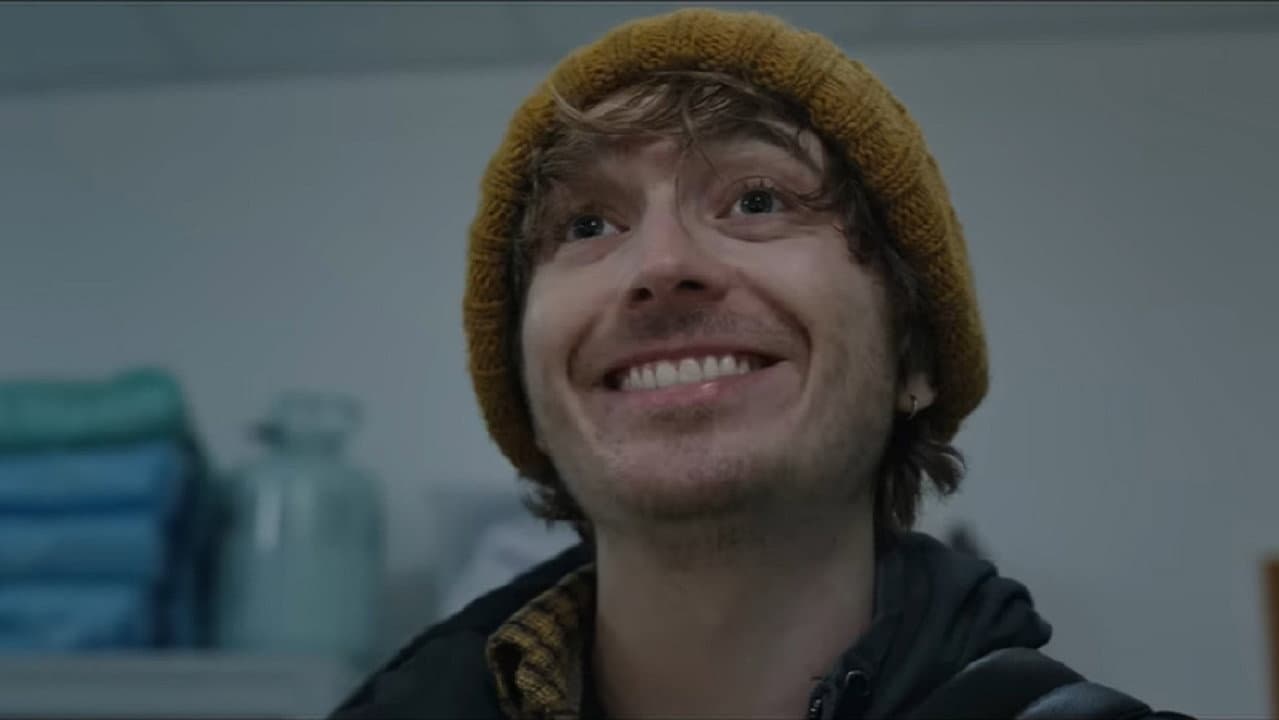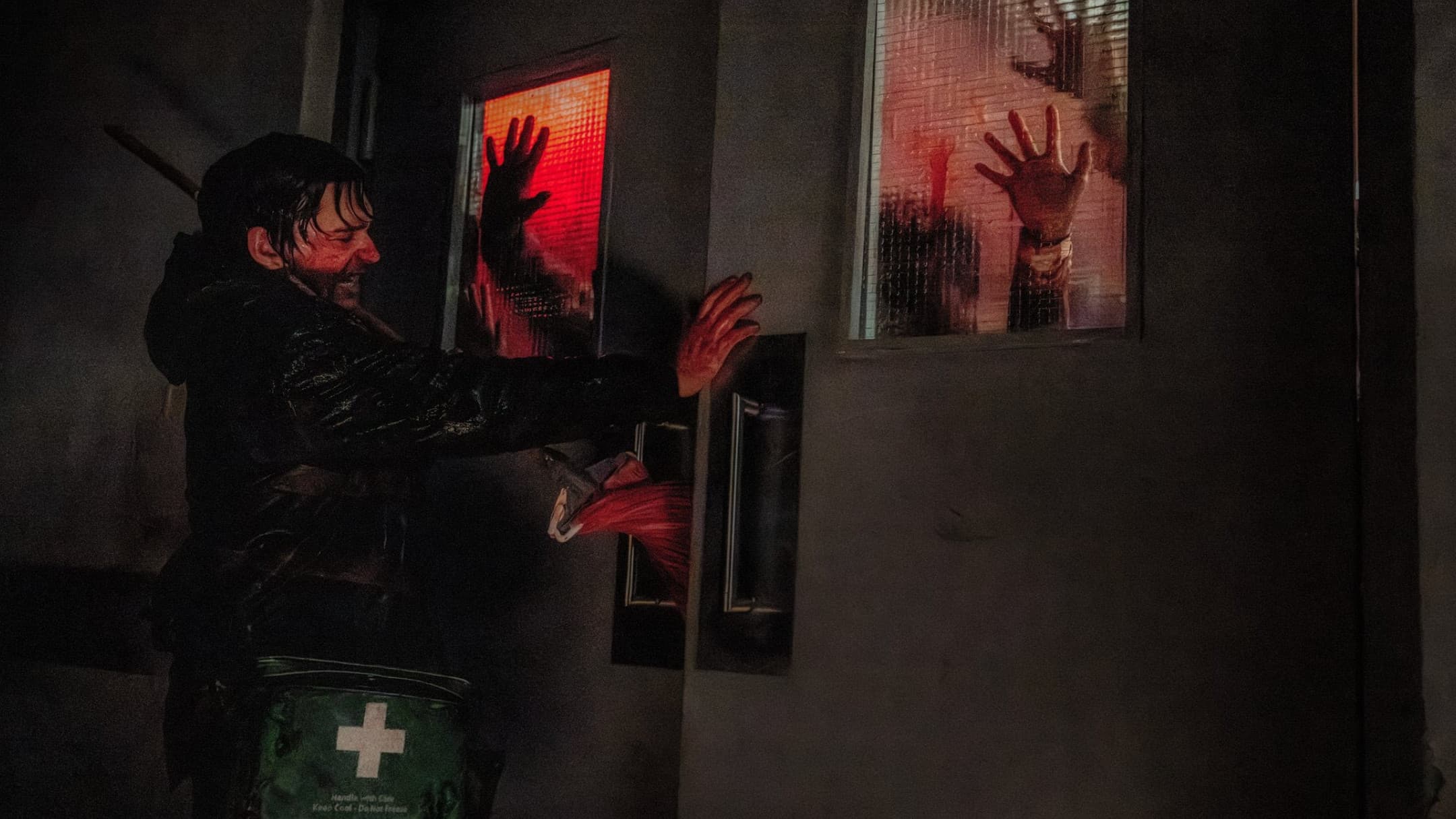
The next chapter in the Resident Evil universe hits theaters on September 16, 2026, and with director Zach Cregger at the helm, fans are bracing for something far removed from the bombastic action of previous installments. The film, which stars Austin Abrams as a medical courier named Bryan, promises a claustrophobic, single-night descent into terror rather than a globe-trotting military operation. As the release date nears, both newcomers and longtime followers of the franchise are looking back at the cinematic history that led to this reboot, a lineage that has swung wildly between survival horror, over-the-top gunplay, and even a brief flirtation with the apocalyptic wasteland.
Cregger, best known for his subversive and taut horror work in Barbarian, has been vocal about wanting to strip the series back to its roots. The premise - an ordinary person trapped in a nightmare scenario - echoes the original 1996 video game’s tone more than the superhero-esque sequels that followed. For the uninitiated, the new film’s setup feels deliberately intimate: Bryan is not a special forces operative or a seasoned cop. He is a courier, a job that puts him in the wrong place at the wrong time as one horrifying night collapses around him. That shift in perspective is a deliberate departure from the established film tradition, which often prioritized spectacle over slow-burn dread.
Before diving into Cregger’s vision, it is worth recalling where the franchise began. The 2002 original, directed by Paul W.S. Anderson, introduced audiences to Milla Jovovich’s Alice, a character with a murky past and a vendetta against the Umbrella Corporation. That film operated more like a locked-room mystery inside a secret underground facility, the Hive, where a team of commandos is picked off one by one by zombies, mutated dogs, and the iconic Licker. It was efficient, moody, and respected the source material’s survival mechanics, even as it invented a new protagonist to tie the plot together. Anderson’s sequel, Apocalypse in 2004, opened the world up to a fully infected Raccoon City and gave Alice superhuman abilities, a decision that increasingly distanced the films from the games’ tense resource management.
From that point on, the franchise embraced pure action logics. Extinction (2007) sent Alice into a post-apocalyptic desert, a nod to the Mad Max aesthetic that the games had dabbled in with their own barren wasteland segments. Afterlife (2010) and Retribution (2012) leaned into 3D gimmicks, slow-motion gunfights, and increasingly convoluted cloning plots. The final installment, The Final Chapter (2016), wrapped up Anderson’s saga with a time-travel retcon and a global reset, leaving little narrative room for a sequel. That series peaked commercially - the six films grossed over a billion dollars worldwide - but creatively, it had long abandoned horror in favor of choreographed mayhem.
Then came 2021’s Resident Evil: Welcome to Raccoon City, a direct reboot by Johannes Roberts that attempted to faithfully adapt the first two game titles. That film was arguably too reverent, cramming plot points and characters into a dense 107 minutes that sacrificed pacing for Easter eggs. It failed to ignite the box office, leading Sony and the production partners to rethink their approach. That failure opened the door for a talent like Cregger, whose Barbarian proved he could make a limited setting feel expansive and terrifying with minimal resources. His hiring signals a more adult, character-driven, and genuinely scary take on the material, even if it means discarding the established canon entirely.
The new film’s cast, featuring Zach Cherry as Dave, Kali Reis as Pauline, Paul Walter Hauser as Carl, and Johnno Wilson as Max, suggests an ensemble of everyday people rather than trained soldiers. That casting choice reinforces the idea that Resident Evil under Cregger will be less about who can fire two guns at once and more about who can survive a night of escalating panic. At 94 minutes, the runtime is notably leaner than most franchise entries, a sign that the film aims for tight, relentless pacing rather than sprawling worldbuilding. It is a pure horror-science fiction hybrid, leaning on the body horror and viral mutation themes that have always been the series’ core DNA, but now filtered through a director who knows how to make an audience squirm in their seats.
For those planning to see Cregger’s take on release day, a quick refresher on the earlier works might temper expectations in a good way. The Anderson era was defined by escalating stakes and cinematic physics, where a zombie horde was merely the opening act. Welcome to Raccoon City was a love letter to the lore’s most famous locations, from the Spencer Mansion to the police station. Neither approach truly captured the feeling of being a civilian trapped during a viral outbreak, which is precisely the gap Cregger appears to be filling. His film is rated zero on TMDb only because it has not yet screened widely, but the pre-release buzz focuses on the director’s ability to make small, dark spaces feel overwhelming.
The original Resident Evil motion pictures are available to stream and rent, giving audiences a chance to mark the contrast. Watching Alice’s evolution from confused survivor to acrobatic super-soldier is a study in how Hollywood often mistakes scale for substance. Cregger’s upcoming film, with its ordinary courier and its single-night timeframe, suggests a return to the fundamentals: fear, isolation, and the instinct to keep moving as the world falls apart around you. When the lights go down on September 16, the question will not be whether the series can reboot again, but whether it finally remembers why the zombies were scary in the first place.
Source: Filmibeat