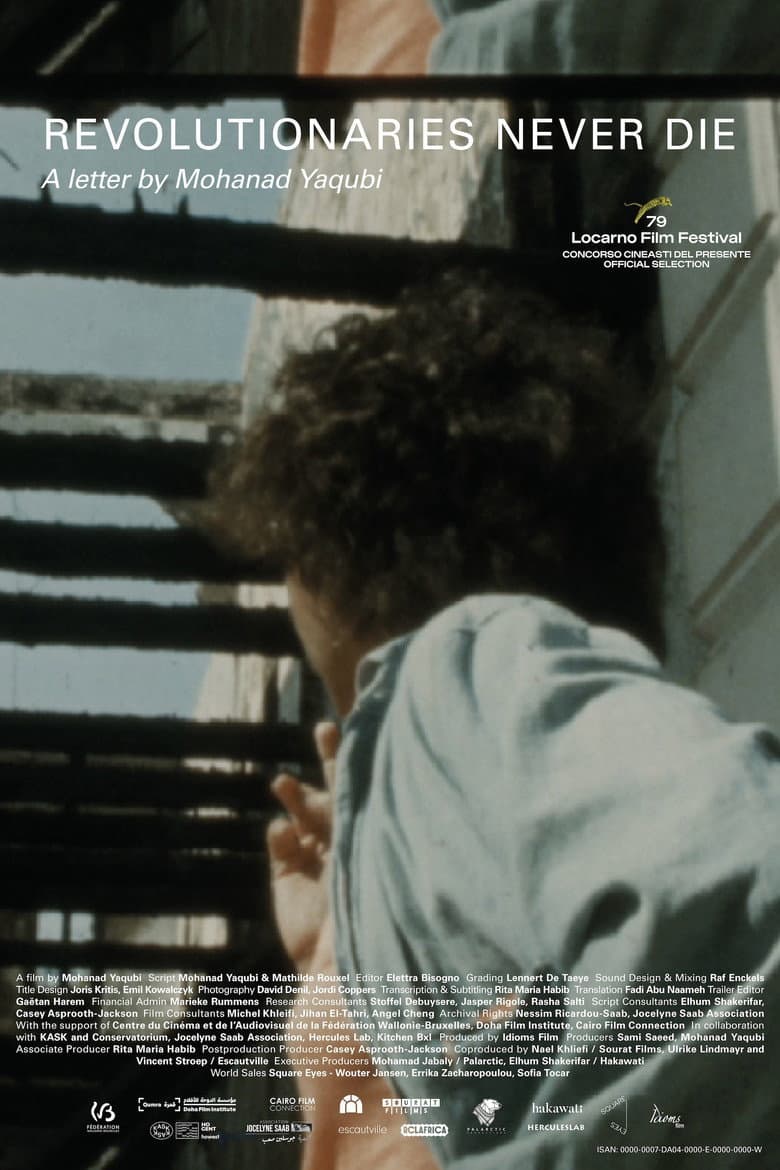
Revolutionaries Never Die: A Tribute to Jocelyne Saab
Advertisement
This documentary homage celebrates Lebanese pioneer Jocelyne Saab, blending her revolutionary spirit with cinematic artistry in a moving tribute.
The documentary film Revolutionaries Never Die is being hailed as a heartfelt tribute to the late Lebanese filmmaker Jocelyne Saab, a pioneer whose work chronicled the turbulence and resilience of the Middle East. The project, crafted by those who knew her and admired her legacy, aims to reintroduce Saab’s fearless vision to a new generation while celebrating her role as a trailblazer in Arab cinema. As the film gains traction on the festival circuit, it underscores a renewed interest in preserving the stories of regional artists whose impact transcended borders.
A Life Spent Documenting Conflict and Culture
Jocelyne Saab, who passed away in 2019, was widely recognized for her unflinching lens during the Lebanese Civil War. She was among the first Arab women to make a name for herself in documentary filmmaking, often risking her safety to capture the human cost of violence. Her early works, including Beyrouth, ma ville and Letter from Beirut, offered intimate portraits of a city under siege, blending personal anguish with political urgency. Beyond her war reportage, Saab also ventured into fiction and experimental art, exploring themes of exile, memory, and identity. Revolutionaries Never Die reportedly weaves together archival footage, interviews, and reflections from contemporaries to paint a fuller picture of her multifaceted career.
The Documentary’s Approach to Honoring a Legacy
Rather than a conventional biopic, the new documentary is said to adopt a poetic, immersive style that mirrors Saab’s own aesthetic sensibilities. Filmmakers have apparently drawn on her vast archive of unpublished material, including personal notes and unfinished projects, to offer a more intimate glimpse into her creative process. The title itself, Revolutionaries Never Die, evokes Saab’s enduring belief in the power of images to spark change, even when political movements falter. Early reviews from screenings suggest that the film avoids hagiography, instead presenting Saab as a complex, sometimes contradictory figure - restless, principled, and deeply affected by the devastation she documented.
Why Saab’s Work Still Resonates Today
The timing of the documentary’s release feels particularly poignant, as contemporary filmmakers across the Arab world continue to grapple with many of the same issues Saab tackled decades ago. Her commitment to amplifying marginalized voices, whether in refugee camps or war-torn neighborhoods, has become a touchstone for younger documentarians. Revolutionaries Never Die positions her not merely as a historical figure but as a vital reference point for ongoing conversations about representation, memory, and resistance. In an era where archives are increasingly digitized and rediscovered, Saab’s films offer a raw and honest counterpoint to sanitized narratives about the region.
A Personal Project for the Creators Involved
For those behind the documentary, the project clearly carries a deep personal weight. Collaborators and family members have shared anecdotes about Saab’s fierce independence, her love for Beirut, and her determination to keep filming even when it meant dodging snipers or navigating checkpoints. One sequence in the film reportedly shows Saab revisiting locations she had filmed decades earlier, creating a layered meditation on how cities and people change over time. The filmmakers have emphasized that they sought to capture her voice - literally and figuratively - without imposing a linear storyline, allowing the audience to experience her world as she did: fragmented, urgent, and alive.
The Broader Significance for Arab Cinema
Revolutionaries Never Die arrives at a moment when Arab cinema is enjoying increased global visibility, from Palestinian dramas to Saudi comedies. Yet the contributions of pioneers like Saab often remain underexplored outside specialist circles. This documentary serves as a corrective, reminding viewers that the current wave of creative expression stands on the shoulders of those who fought for the right to tell their own stories. It also highlights the fragile nature of film preservation in conflict zones, where reels and negatives are often lost or destroyed. By restoring and showcasing Saab’s work, the documentary becomes an act of cultural salvage.
Where the Film Goes From Here
While no wide-release date has been announced, Revolutionaries Never Die has already generated notable buzz at select international festivals, where audiences have responded to its emotional depth and historical scope. Distributors are reportedly in talks to bring the film to broader audiences, particularly in Europe and the Middle East. For now, the documentary stands as a moving testament to a woman who refused to look away, and who used her camera as both a weapon and a embrace. As one early viewer put it, the film doesn’t just remember Jocelyne Saab - it resurrects her spirit, frame by frame.
Source: Hollywood Reporter
Advertisement
Advertisement