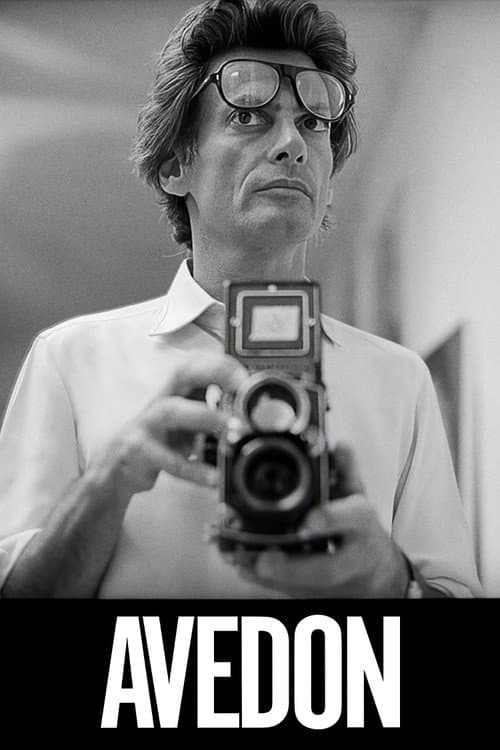
Ron Howard has directed astronauts, mathematicians, boxers and opera singers, but when the offer came to take on "Avedon," a feature documentary about the photographer Richard Avedon, he hesitated. The Oscar-winning filmmaker said he initially doubted he was the right person for the job - a rare admission from a director whose career has spanned nearly five decades and almost every genre Hollywood has to offer. "Avedon" opened in theaters on November 6, 2026, and runs 104 minutes.
The documentary arrives with solid, if not spectacular, critical scores: a 6.667 out of 10 on TMDb and a 6.7 on IMDb. Those numbers suggest a film that has found a respectful audience rather than a rapturous one, which is perhaps fitting for a project about an artist whose work was often admired at a distance before it was fully understood.
A Photographer Who Shaped the Century's Image
The film's scope is considerable. Richard Avedon's photographs did more than record the culture around him; they helped define it, and their influence persists today. "Avedon" traces the arc of an artist who moved fluidly among fashion, portraiture and commercial photography, using each form to probe questions of identity, power, fear and beauty. The result is a portrait of a man who treated a magazine assignment and a museum commission with the same seriousness of purpose.
Howard's film benefits from unprecedented access to Avedon's archive. That material includes never-before-seen photographs, behind-the-scenes recordings and interviews with people who knew the photographer best. The documentary is built as a visual examination of an artist's mind - an attempt to show how Avedon constructed the collective image of the 20th century rather than simply documenting it.
Howard's Reluctance and What Turned It Around
Howard's initial uncertainty is the kind of detail that rarely surfaces in director announcements, when studios prefer a clean narrative of enthusiastic attachment. In this case, the doubt was specific to the material. Avedon was a photographer of controlled surfaces - fashion spreads, stark portraits, commercial campaigns - and Howard is a filmmaker best known for warm, narrative-driven pictures about people overcoming obstacles. The gap between those sensibilities is not obvious on paper.
What changed his mind, according to Howard, was the archive itself. Once he began working through the breadth of Avedon's output and the recordings that accompanied it, the through-line became clear: this was not a story about fashion or celebrity, but about an artist using every available format to interrogate who people are and how they present themselves. Howard has said the deeper he went into the material, the more the project felt like a natural extension of his own longstanding interest in American lives and the images they project.
A Subject Presented Through His Own Work
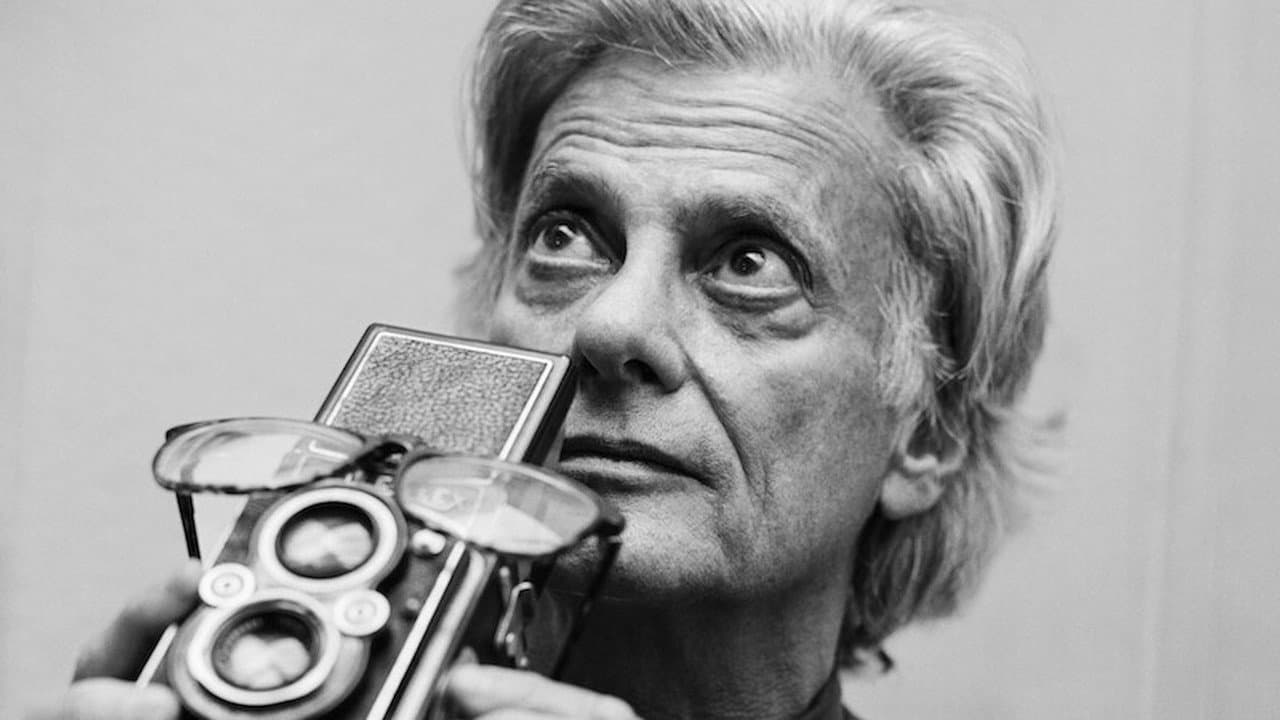
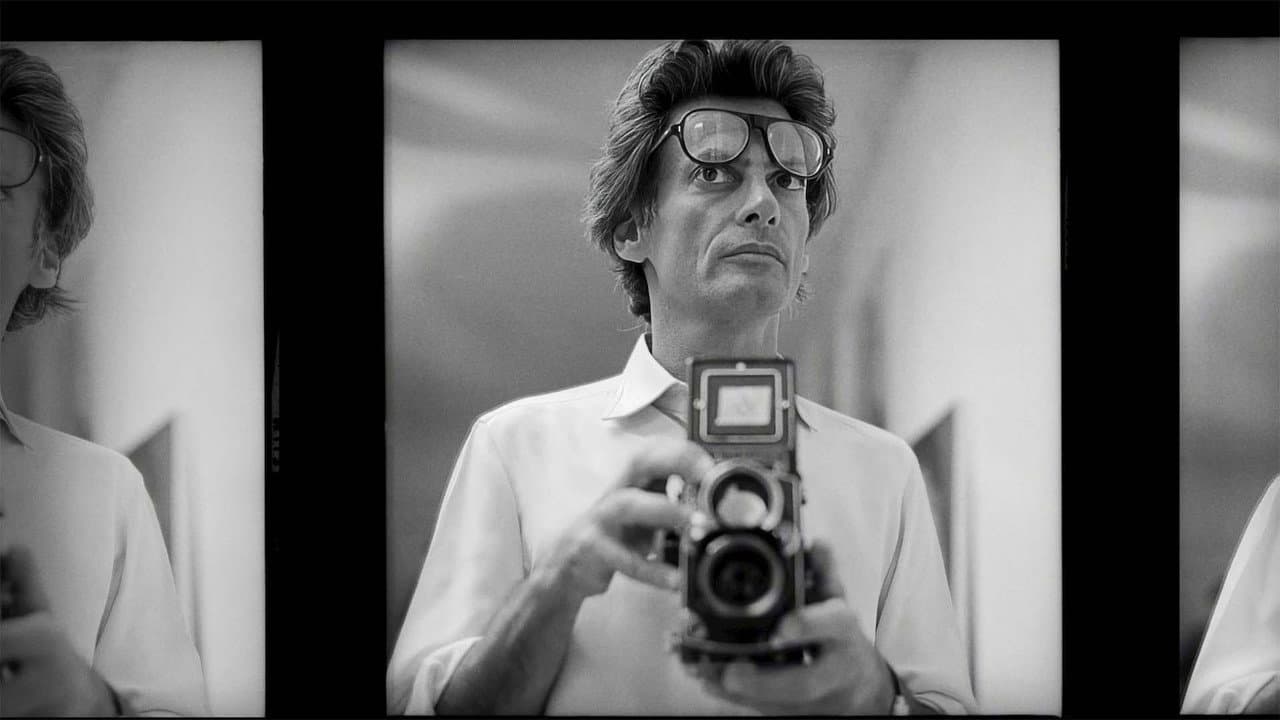
"Avedon" features Richard Avedon as himself, through archival footage. There is no narrator standing in for the artist and no contemporary talking head claiming to speak in his voice. The cast listing is, in effect, a single name - the photographer, preserved on film and tape. That structure places the weight of the documentary on the archival material, letting Avedon's own words and images carry the argument.
For Howard, that approach represented both an opportunity and a risk. A documentary built almost entirely from an archive must earn its shape through editing and juxtaposition, with the director serving as curator rather than dramatist. Early reception suggests the film succeeds at presenting a visually stunning account of a distinctive artistic mind, even if it leaves some viewers wanting more interpretation.
A Crowded Awards Season and a Difficult Category
"Avedon" lands in a busy late-fall corridor full of prestige releases, and documentaries face a particularly unforgiving market in theaters. The film's respectable but modest audience scores indicate that it has connected with viewers interested in photography and art history, though it has yet to break through to a broader public. Howard's name gives the project a visibility most documentaries never receive, and distributor positioning will likely lean on that recognition as the season unfolds.
Whether "Avedon" figures into the documentary awards conversation remains to be seen; voter attention in that category tends to concentrate on a handful of titles by year's end. What is clear is that Howard, who once questioned whether he belonged behind this particular camera, has delivered a film that treats its subject as an artist first - and lets the photographs argue for themselves.
Source: Hollywood Reporter