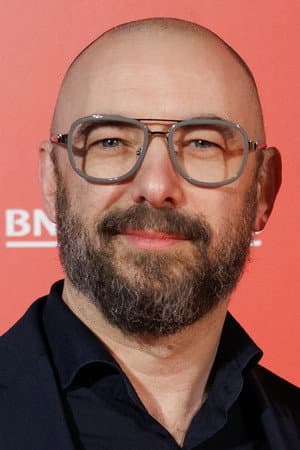
Belgian director Michaël R. Roskam has spent much of his career circling questions of identity, deception, and the moral gray zones where ordinary people make extraordinary choices. Now, the filmmaker behind the Oscar-nominated crime drama Bullhead is turning his attention to a remarkable chapter of World War II resistance - one in which a forged newspaper became a weapon of psychological warfare. Roskam is developing a project that reframes a real wartime prank as something closer to a heist thriller, and in his telling, the pen - or rather the printing press - proves mightier than the gun.
The project centers on a covert operation in which resistance fighters fabricated an entire issue of a German-controlled newspaper and distributed it to sow confusion among occupying forces. The premise has the structure of a classic caper: a small team, a high-stakes forgery, a narrow window of execution, and the constant threat of discovery. But Roskam is quick to note that the moral weight of the enterprise sets it apart from the genre's usual trappings. This wasn't a crew of charming rogues chasing a payday. It was a group of people risking their lives to undermine a brutal regime with nothing more than ink, paper, and nerve.
The Forger's Art as a Weapon of War
What draws Roskam to the material, he suggests, is the collision of the mundane and the monumental. A newspaper is an everyday object - something people in occupied Europe encountered with their morning coffee, if they had coffee. Turning that familiar artifact into an instrument of sabotage requires both technical precision and a certain audacity. The forgers had to match typefaces, mimic editorial voice, and distribute the product without being caught. One wrong detail could unravel the entire scheme.
That attention to craft resonates with Roskam's own approach behind the camera. His films tend to favor texture and authenticity over spectacle, grounding larger-than-life conflicts in the specifics of place and behavior. A story about counterfeit journalism demands that same eye for detail - the grain of the paper, the rhythm of the prose, the small imperfections that make a lie convincing. In a sense, the director is describing a movie about movie-making's darker cousin: the art of making people believe something that isn't true.
Roskam has also spoken about the psychological dimension of the operation. The goal wasn't simply to spread misinformation but to make the occupiers doubt their own control. If a fake newspaper could appear on doorsteps, what else might be slipping through their fingers? That seed of paranoia, planted deliberately, could be more disruptive than any bomb. It's a theme that echoes through Roskam's filmography, where characters often find themselves trapped between who they are and who they need to appear to be.
Why a Heist Framework Fits
Framing the story as a heist movie isn't just a marketing hook, according to the director. The structure gives the narrative a natural engine: the planning, the recruitment, the rehearsal, the execution, the escape. Audiences understand the grammar of a heist, which frees the filmmaker to spend more time on character and context rather than exposition. The familiar beats become a delivery system for a history lesson that might otherwise feel distant or academic.
At the same time, Roskam is wary of letting the genre's conventions sand down the edges of the true story. Heists in movies are often glamorous, with charismatic leads and satisfying twists. The reality of resistance work was grimmer, more improvised, and far more lethal. The director has indicated that he wants to honor the stakes without turning the film into a glorified caper. The tension, he suggests, should come not from whether the plan will work but from what it costs the people carrying it out.
There's also a contemporary resonance that Roskam seems to be chasing. In an era when the phrase "fake news" has become a political cudgel, a movie about deliberately fabricated journalism invites uncomfortable questions. What makes a source trustworthy? How easily can a public be manipulated? The wartime setting offers moral clarity that the present day rarely does - the forgers were the good guys, the deception served a just cause - but the mechanics of the deception remain disquietingly familiar. Roskam appears less interested in drawing a neat parallel than in letting the audience sit with that discomfort.
A Director Returning to His Roots
For Roskam, the project also represents a return to European soil after a period of working in American television and film. His Belgian background and fluency in multiple languages give him a natural affinity for stories that cross borders and loyalties. World War II resistance narratives have been told many times, but the specific angle of a newspaper forgery - and the question of who gets to write the first draft of history - offers a fresh entry point.
Casting and production details remain under wraps, and Roskam has been careful not to overpromise. But the project's ambitions are clear: to take a footnote of wartime ingenuity and expand it into a tense, morally serious thriller about the power of words. If the director gets it right, audiences may leave the theater thinking differently about the morning paper - and about how thin the line is between truth and a very convincing lie.
Source: Hollywood Reporter