Sarajevo Film Fest Honors Béla Tarr’s Students
Director
Béla Tarr
Advertisement
Sarajevo unveils a tribute program spotlighting Béla Tarr’s former film school students, showcasing their visionary works in a curated retrospective.
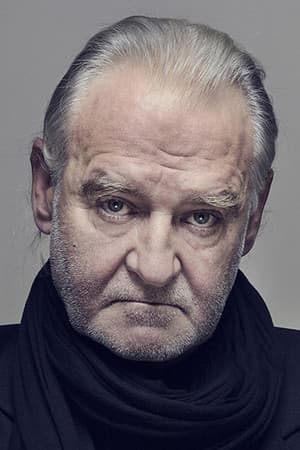
The Sarajevo Film Festival has announced a special tribute program centered on celebrated Hungarian filmmaker Béla Tarr, designed specifically to highlight the work of his former students. The initiative, revealed this week, will showcase films crafted by directors who studied under Tarr at his renowned film school, offering a platform for a new generation of cinematic voices shaped by his distinctive philosophy.
Tarr, best known for his 2011 masterwork The Turin Horse, has long been regarded as one of the most singular and influential figures in contemporary art cinema. His rigorous, contemplative style - marked by long takes, stark black-and-white imagery, and a deep engagement with human endurance - has made him a touchstone for filmmakers worldwide. The tribute program in Sarajevo represents a deliberate shift in focus, turning the lens from the master himself to the artists he has mentored.
The selection is drawn from the alumni of film.factory, the educational program Tarr established in Sarajevo in 2013. Founded as a radical alternative to conventional film academies, film.factory emphasized hands-on production, collaborative work, and a rigorous engagement with the formal possibilities of the medium. Over its years of operation, the school attracted aspiring directors from across the globe, many of whom have since gone on to establish their own distinctive careers in festivals and independent circuits.
While the full lineup of films and participating directors has yet to be released, organizers have confirmed that the program will feature a curated array of works that reflect Tarr’s pedagogical influence. The tribute is expected to include both shorts and feature-length projects, offering audiences a chance to trace thematic and stylistic lineages that connect the students back to their mentor’s enduring obsessions: the passage of time, the weight of place, and the quiet struggles of ordinary people.
The decision to mount this tribute in Sarajevo carries particular resonance. Tarr’s decision to base his school in the Bosnian capital was itself a statement, embedding his practice within a city that has experienced profound historical rupture and reconstruction. For many of his students, the experience of studying in Sarajevo meant engaging not only with Tarr’s methods but with the city’s layered memories and its vibrant contemporary film culture. The tribute thus functions as both a celebration of individual artistic growth and a recognition of the city as a vital incubator for challenging cinema.
Béla Tarr himself is expected to be present for the program, though the details of his participation - whether in the form of introductions, panels, or conversations with his former students - have not been fully specified. His presence is likely to draw considerable attention, given that Tarr has largely stepped away from directing his own features since The Turin Horse, focusing instead on teaching and curatorial projects. For fans who have mourned his absence from behind the camera, the Sarajevo program offers an alternate pathway into his ongoing influence, demonstrating how his ideas continue to circulate and evolve through the work of others.
The tribute also arrives at a moment when questions of cinematic legacy and transmission feel particularly urgent. As streaming platforms reshape distribution and attention spans contract, Tarr’s insistence on slowness, patience, and formal rigor stands as a counterpoint to much contemporary production. His students, however, are not mere imitators; reports from the festival suggest that the selected films show a wide range of approaches, with some embracing Tarr’s minimalist aesthetics while others push into more experimental or narrative-driven territories. The program thus promises a nuanced portrait of influence - not as replication, but as a set of questions passed from one generation to the next.
The Sarajevo Film Festival has long been a key stop for art-house cinema in the Balkans, and its programming has frequently balanced regional discoveries with international premieres. By dedicating a strand to Tarr’s students, the festival underscores its commitment to nurturing and displaying work that resists easy categorization. It also positions the festival itself as a node in an international network of filmmakers who share a commitment to cinema as a serious artistic endeavor.
Practical details regarding ticket availability, screening schedules, and venue assignments are expected to be announced in the coming days as the festival finalizes its full program. Given the anticipated interest from both local audiences and international guests, organizers are likely to schedule multiple screenings to accommodate demand.
For now, the announcement has generated a quiet buzz among cinephiles, who see in this tribute a rare opportunity to witness the ongoing afterlife of a major artistic vision. Béla Tarr’s own films have often been described as monumental meditations on despair and resilience; the Sarajevo program suggests that his most enduring work may now be found in the filmmakers he has quietly shaped. As the festival approaches, all eyes will turn to this corner of the cinematic world - not merely to revisit a master’s influence, but to encounter the bold, uncertain futures his students are forging.
Source: Hollywood Reporter
Advertisement
Advertisement