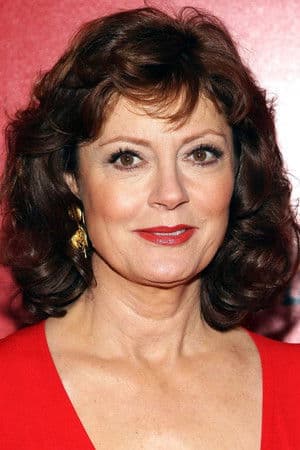
Oscar-winning actress Susan Sarandon has revealed that her outspoken support for Palestine has cost her work in Hollywood, saying she has had film roles “taken away” as a result of her political stance. In a new interview, the actor acknowledged that the professional consequences of her activism have been tangible, though she stopped short of naming specific projects that were pulled from her.
Sarandon, known for decades of activism on a wide range of issues, has been particularly vocal since the escalation of conflict in the Middle East. Her remarks come after a period in which several high-profile entertainers have faced backlash - both professional and personal - for expressing views on the war. The actress did not detail when the roles were removed or how far along in the process she was, but she framed the experience as part of a broader pattern of silencing in the industry.
“I’ve had movies taken away,” she said, describing the fallout as real but not unexpected given her history of speaking out. She added that while she understands the commercial pressures studios face, she remains committed to using her platform for causes she believes in. Sarandon has long been a controversial figure in Hollywood for her outspokenness, but the latest wave of criticism has centered squarely on her comments regarding the Israeli-Palestinian conflict.
The actress first drew widespread attention to her position in late 2023, when she attended a protest in New York and made remarks that were widely condemned as antisemitic. In the aftermath, she was dropped by her talent agency, UTA, a rare and significant professional move that signaled the depth of industry displeasure. Sarandon later apologized for the specific phrasing of that comment, clarifying that she had intended to criticize the Israeli government and its policies, not Jewish people as a whole. Still, the damage to her standing was immediate and lasting.
Since then, Sarandon has continued to speak publicly about the humanitarian situation in Gaza, though she has adjusted her language. In her latest comments, she did not revisit that earlier controversy directly but instead focused on the broader climate of fear she says now governs political expression in entertainment. She suggested that many actors and directors privately sympathize with her views but are unwilling to say so publicly for fear of losing work.
“People are terrified,” she said, noting that the industry has become increasingly cautious about any statement that could be seen as taking sides in a polarized geopolitical debate. Sarandon argued that this wariness has led to a kind of self-censorship that undermines the artistic community’s traditional role as a space for dissent and difficult conversations. She stopped short of calling for a boycott or collective action, but she made clear that she sees her own situation as indicative of a larger problem.
Her comments arrive at a moment when Hollywood remains deeply split over how to address the conflict. While some studios and executives have maintained strict neutrality, others have faced internal protests and public pressure from both sides of the issue. Several actors have lost representation or faced canceled projects after making statements deemed too sympathetic to one side or the other, and Sarandon is among the most prominent figures to speak openly about the toll.
The actress, who won an Academy Award for Dead Man Walking in 1996 and has remained a fixture in independent and studio films alike, did not indicate whether she plans to step back from activism in order to preserve her career. On the contrary, she suggested that the attempts to silence her have only strengthened her resolve. She also pointed to a generational divide, saying younger actors are often more willing to take risks, while veterans who have more to lose tend to stay quiet.
Sarandon’s remarks are likely to reignite debate about the intersection of politics and art in an industry that has long prided itself on progressive values but now finds itself navigating a deeply contentious issue. Supporters will view her as a principled figure willing to sacrifice for her beliefs; critics will see her as a cautionary tale of a celebrity whose platform was used to amplify a position they consider harmful.
There is no indication that Sarandon is facing any formal blacklist or industry-wide ban. Instead, her experience appears to reflect the more informal, case-by-case consequences that have emerged as studios and agencies seek to avoid controversy. Whether that environment shifts remains unclear, but Sarandon’s willingness to speak candidly about the professional price she has paid adds a rare, firsthand account of what many in the industry have only whispered about.
For now, Sarandon continues to work, though she acknowledges that her options have narrowed. She declined to speculate on whether future roles will be harder to secure, saying only that she remains open to projects that align with her values. In the meantime, her public statements on Palestine remain unchanged, as does her belief that speaking out, whatever the cost, is the only choice she could make.
Source: Hollywood Reporter