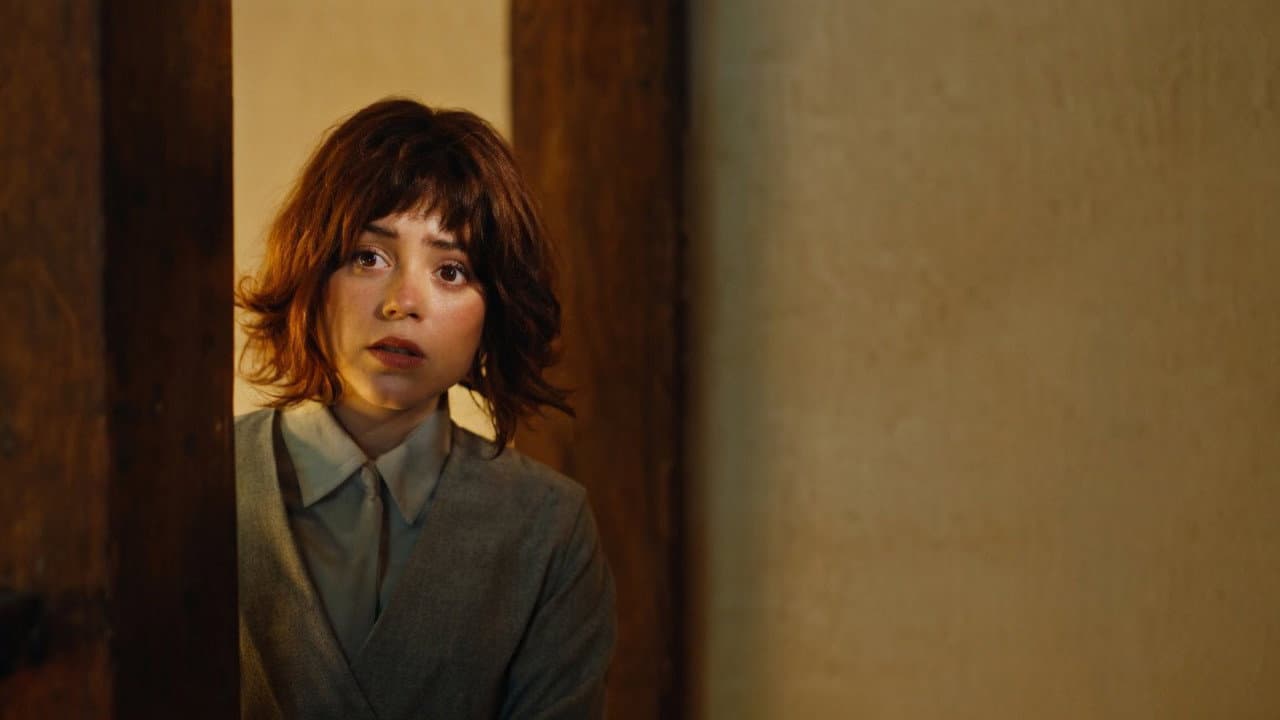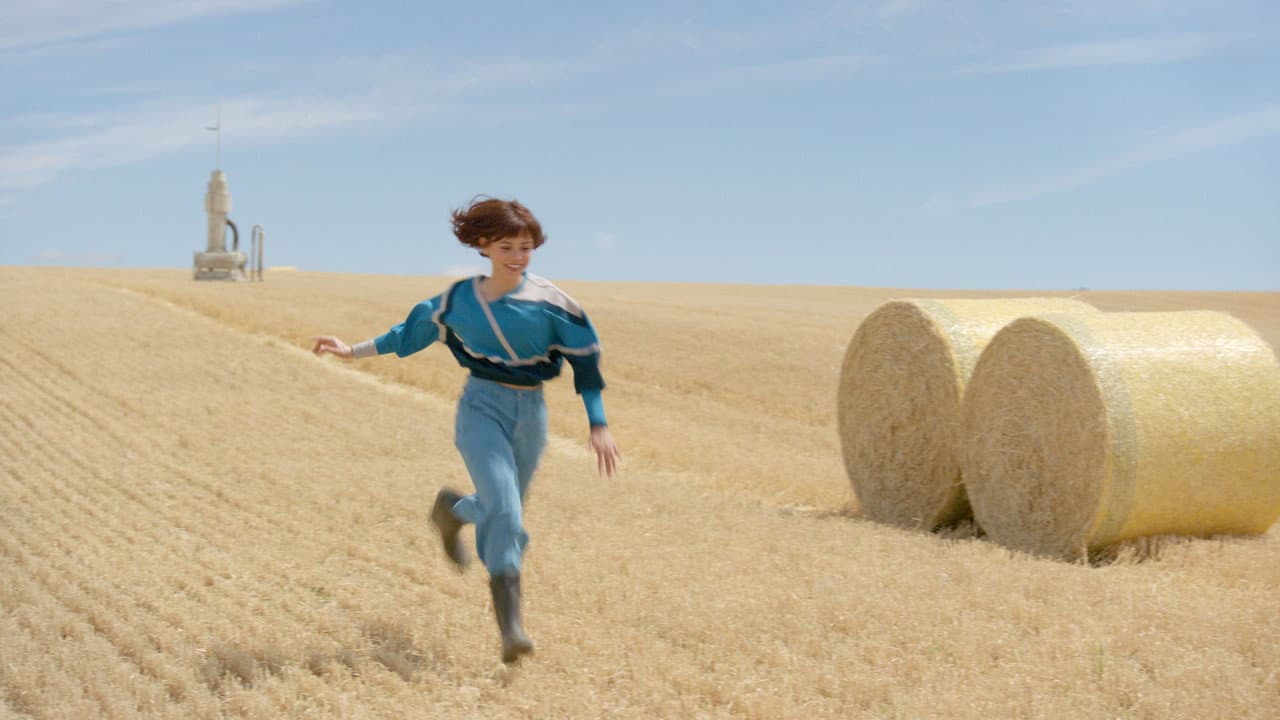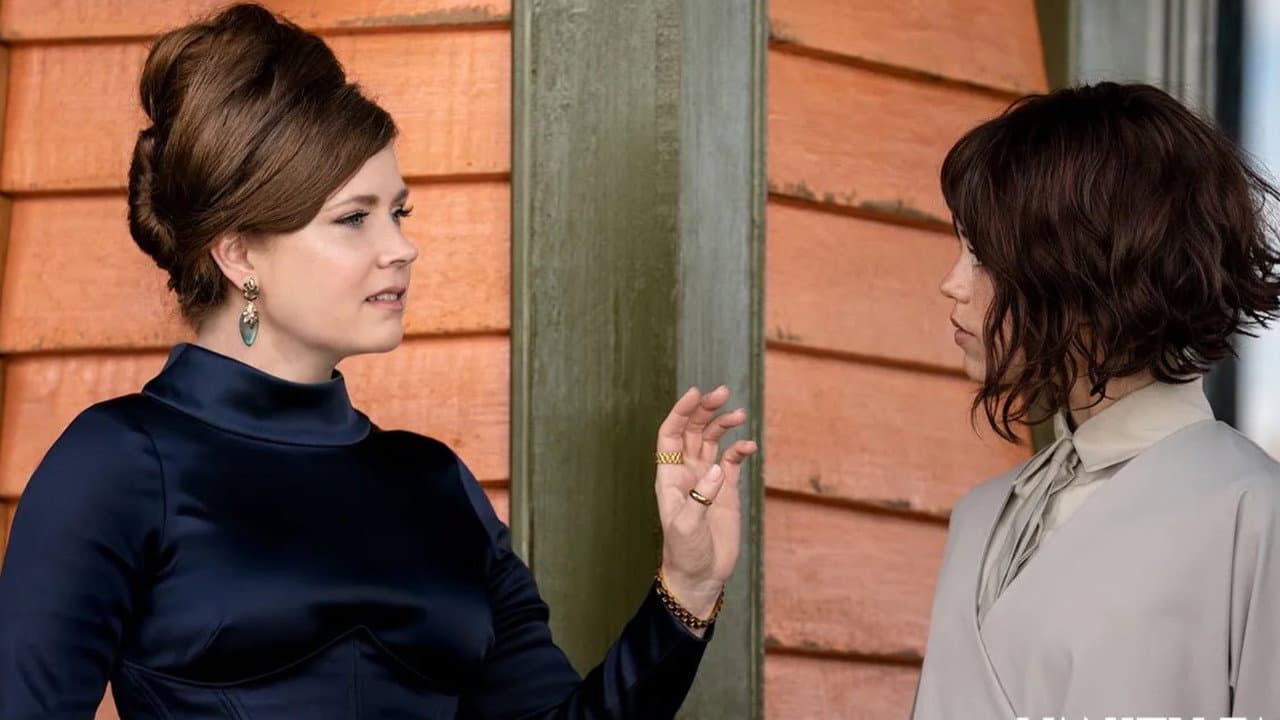
Taika Waititi has never been a filmmaker who takes criticism quietly, and his latest response to reviews of Klara and the Sun is no exception. The director took to social media over the weekend to blast detractors of his science fiction drama, calling them "sad lost souls" who have forgotten how to feel anything at the movies. The film, which opened in theaters on October 21, has drawn a muted 5.8 out of 10 rating on TMDb, and Waititi's combative posture has turned a soft reception into a full-blown controversy.
Waititi Lashes Out at Detractors
In a series of posts that have since circulated widely across film forums and entertainment blogs, Waititi dismissed the negative notices as the work of cynics who review movies like accountants tallying receipts. He insisted that Klara and the Sun was made with genuine emotional intent and argued that audiences who reduce a story about love and loss to a score are missing the entire point. The director's language was characteristically blunt, framing his critics not as professionals offering fair assessment but as people who have lost the capacity for wonder. He did not single out individual outlets or journalists, though his remarks were widely read as a broadside against the film press as a whole.
The outburst follows a rough few weeks for the adaptation, which stars Jenna Ortega as the title character, an Artificial Friend searching for a home. Mia Tharia plays Josie, the ailing girl who bonds with Klara, while Amy Adams appears as Josie's mother, Chrissie. The supporting cast is stacked with recognizable names, including Natasha Lyonne as the Manager, Steve Buscemi as Capaldi, Rachel House as Melania, Aran Murphy as Rick, and Davida McKenzie as Simone. On paper, the combination of Waititi, a literary pedigree, and that ensemble looked like awards-season bait. The reviews, however, have been far from rapturous.
A Story About Connection
The film's premise is gentler than its director's public fury might suggest. Klara is an Artificial Friend who wants nothing more than to find the perfect home, and when she meets Josie, each immediately senses a kindred spirit in the other. Josie's relationship with her mother is fraught, and the family has suffered great loss, but Klara's innocent wonder and unwavering loyalty begin to heal the household and bring light to Josie's complicated world. It is, by design, a quiet and emotional piece of science fiction rather than a spectacle-driven blockbuster, running 116 minutes and carrying a Drama label alongside its Science Fiction tag.
That intimate register may explain why Waititi has taken the rejection so personally. Directors who pour themselves into smaller, feeling-first projects often bristle when the response focuses on pacing or tonal mismatches. Still, the gap between the film's aspirations and its 5.8 rating suggests that whatever emotional chord Waititi intended to strike has not landed with a broad swath of viewers.
The Risk of Fighting Back
Publicly scolding reviewers is a familiar playbook, and it rarely improves a film's standing. It does, however, guarantee attention. Within hours of Waititi's posts, discussion of Klara and the Sun shifted from its merits to its director's temper, a dynamic that can cut both ways. Supporters of the filmmaker argued that he was defending a sincere and vulnerable piece of work against a reflexively dismissive reception. Skeptics countered that a director calling his critics "sad lost souls" is less a defense of art than an admission that the argument on the merits has already been lost.
For distributor and marketing teams, the timing is awkward. The film is only weeks into its theatrical run, and a director-versus-critics narrative tends to overshadow the cast's promotional efforts. Ortega, Adams, and the rest of the ensemble have so far stayed out of the fray, leaving Waititi to carry the fight alone.
What Comes Next
Whether the controversy helps or hurts Klara and the Sun will depend on audiences rather than reviewers. Waititi's fanbase has historically been forgiving of his more eccentric impulses, and a director publicly insisting that his movie has been misunderstood can occasionally coax curious viewers into theaters to judge for themselves. Yet the 5.8 rating points to a reception problem that no amount of defiant posting is likely to solve.
For now, the story of Klara and the Sun is no longer primarily about an Artificial Friend learning to love. It is about a director at war with his reviews and a film searching for an audience willing to see it his way.
Source: Hollywood Reporter