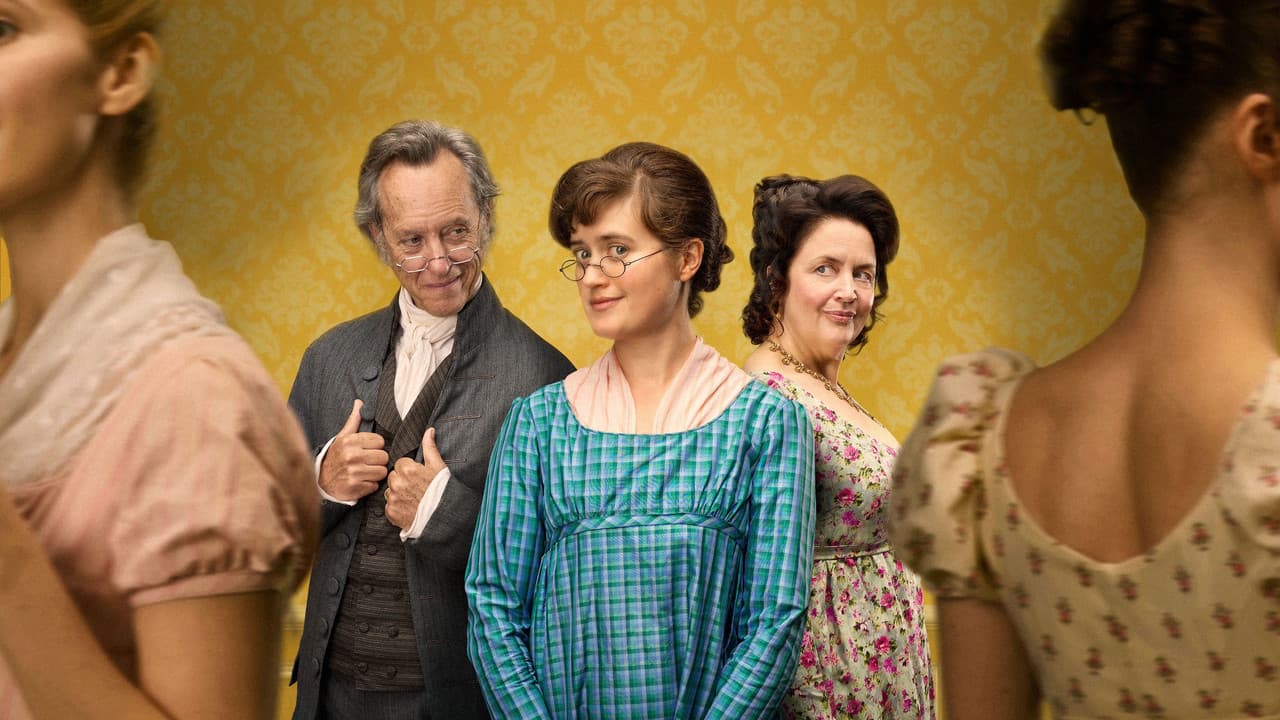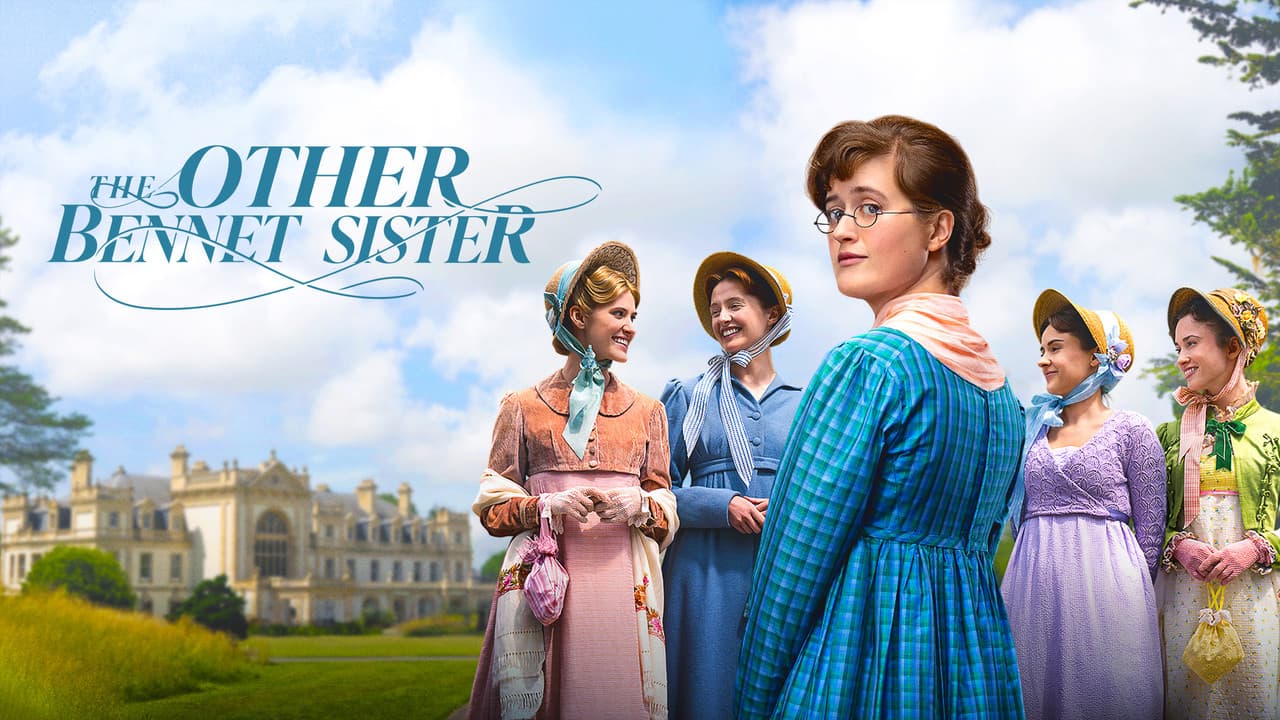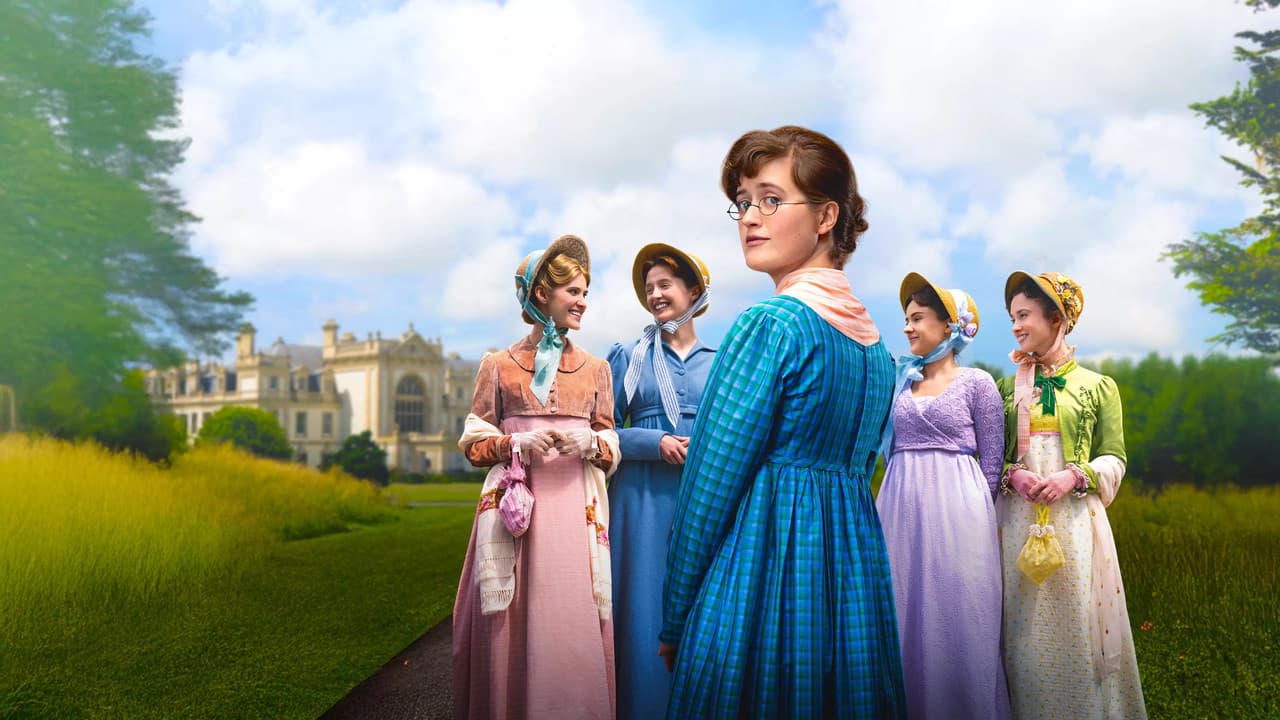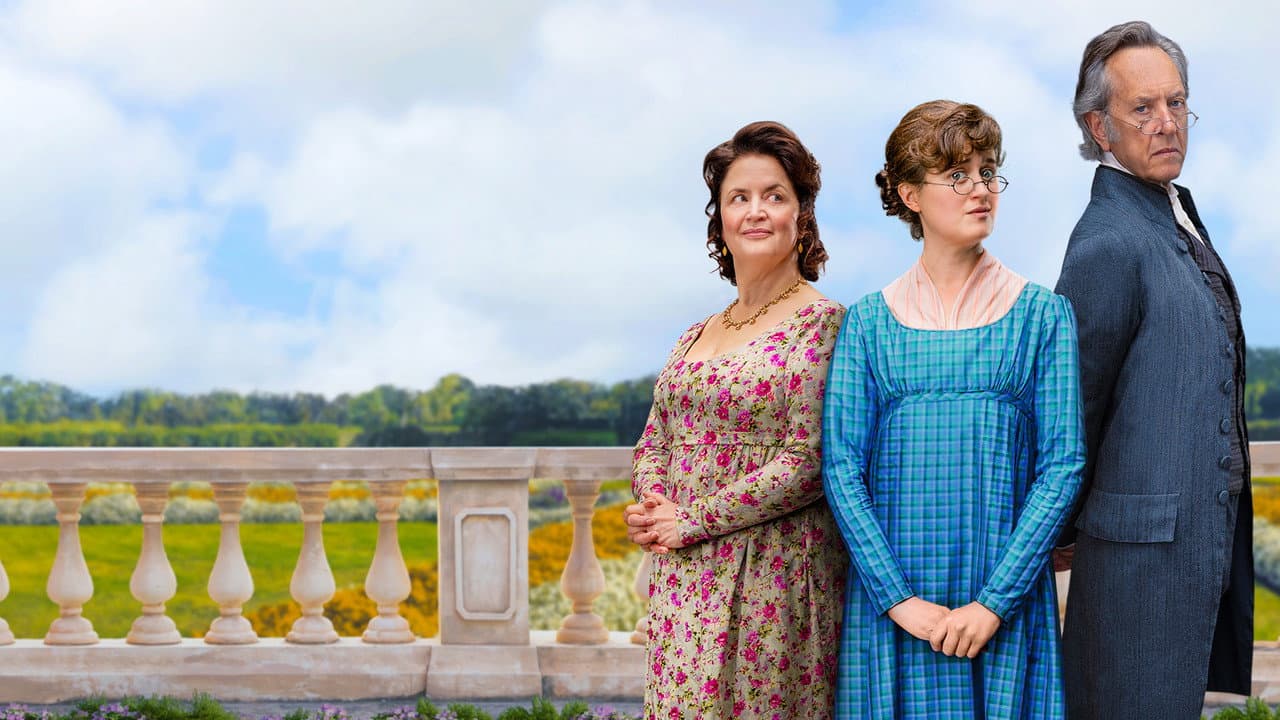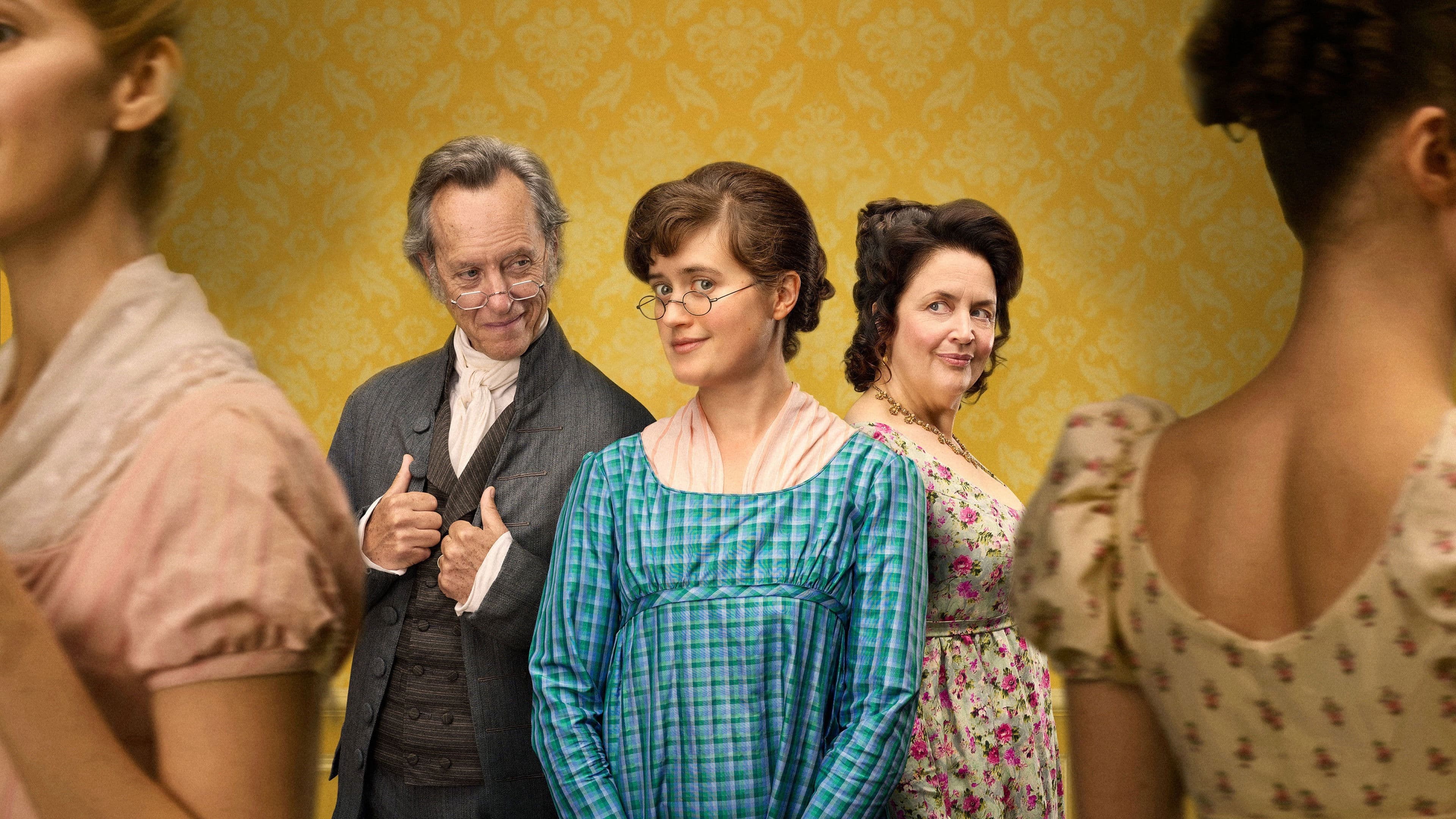
When "The Other Bennet Sister" arrived on March 15, 2026, few in the industry expected a 30-minute period comedy-drama centered on the most overlooked sibling in Jane Austen's "Pride and Prejudice" to become one of the year's most talked-about releases. Yet that is precisely what happened. The film, which follows Mary Bennet as she steps out of her family's shadow, has drawn an 8.2/10 audience rating on TMDb and an 8.3/10 on IMDb - numbers that place it among the best-reviewed titles of the year and suggest that a modest concept, executed with care, can still find a passionate audience.
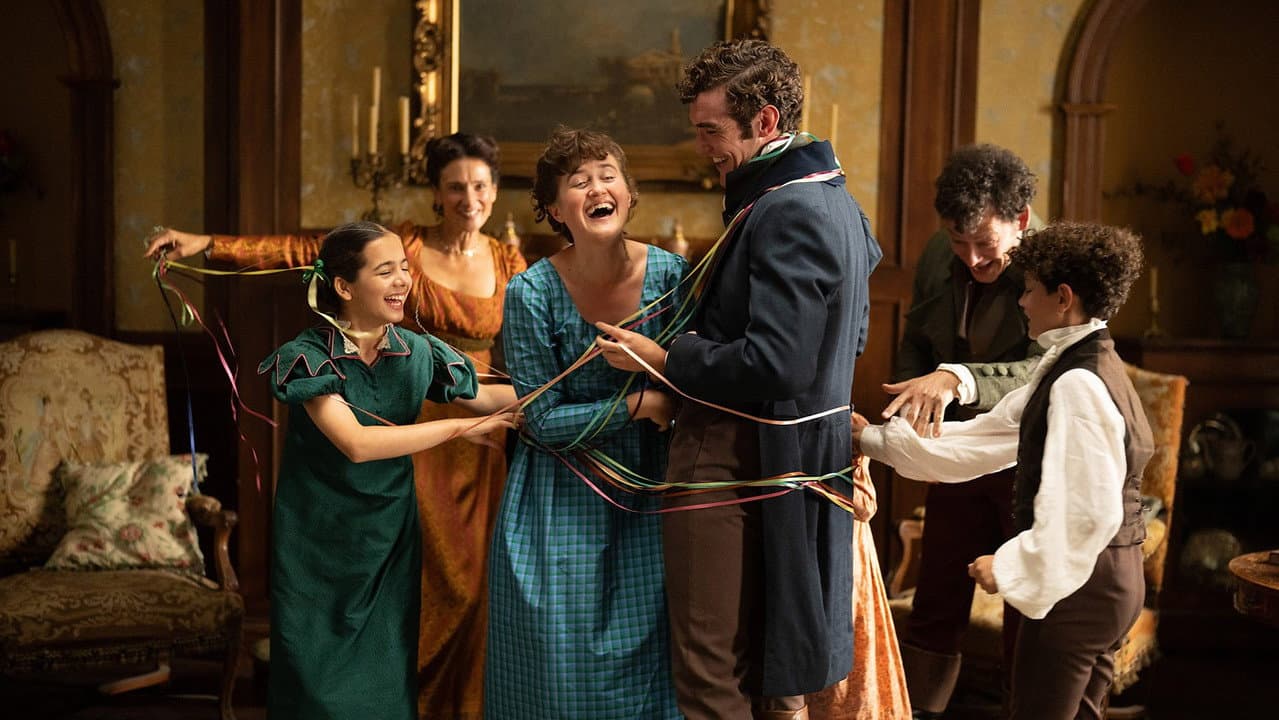
The premise itself reads like a long shot. Mary is not a conventional period-drama heroine: she is awkward, anxious, and prone to lecturing anyone within earshot. She is full of facts, a genuinely terrible singer, and overlooked by her mother - seemingly destined to an empty dance card for the rest of her life. Rather than accept that fate, Mary takes matters into her own hands. That arc - a woman written off by everyone around her deciding to write her own story - has clearly resonated far beyond the usual Austen faithful.
A Small Story That Found a Wide Audience
Part of the film's appeal lies in its tonal agility. "The Other Bennet Sister" is classified as both drama and comedy, and it uses that blend to keep Mary's loneliness from tipping into despair. The character's pedantry and social missteps are played for laughs, but the underlying ache of being the daughter nobody notices gives the humor real weight. It is a balancing act that could easily have gone wrong; that it works is the engine behind the film's word-of-mouth success.
The cast is led by Ella Bruccoleri as Mary Bennet, a performance that has become the focal point of much of the audience response. Carrying a story largely on the shoulders of a character who is, by design, difficult to love requires a performer capable of earning sympathy without softening Mary's sharp edges - and the ratings suggest Bruccoleri has done exactly that.
Short Runtime, Long Reach
At just 30 minutes, the film defies another industry assumption: that a release needs a sprawling runtime to feel substantial. The compact format keeps the narrative tight and gives Mary's journey an urgency that a longer cut might have diluted. It also makes the title easy to sample, a factor that has likely helped it spread among viewers who might never have sought out a full-length Austen adaptation.
The release date of March 15 placed the film in a stretch of the calendar not typically reserved for prestige fare, yet it has held its own against bigger, flashier competitors. The near-identical scores across two major audience platforms - 8.2 on TMDb, 8.3 on IMDb - indicate a consistency of reception that is rare and hard to manufacture.
What the Success Signals
The film's rise raises fresh questions about which stories get told and who gets to lead them. Mary Bennet is, in the source material, a supporting figure at best - the sister who plays badly, moralizes too much, and fades into the background. Centering an entire narrative on her is an act of creative confidence, and audiences have responded to that confidence in kind.
Notably, "The Other Bennet Sister" was made in English within the Hollywood industry, yet its sensibility feels distinctly its own - neither a traditional costume drama nor a broad spoof, but something in between that treats its heroine's interior life with seriousness even as it mines her quirks for comedy.
The film's director has not been publicly identified in its release materials, an unusual detail that has done nothing to slow its momentum. If anything, the anonymity has kept attention where it belongs: on Bruccoleri's performance and on Mary's transformation from wallflower to protagonist.
For an industry that tends to equate success with scale, "The Other Bennet Sister" offers a counterargument. A 30-minute film about a neglected middle sister, built on wit and a winning lead turn, has outperformed far more expensive projects in the eyes of viewers. Its twin ratings above 8.0 are not the profile of a niche curiosity; they are the profile of a genuine hit. The dance card, it turns out, was never empty - Mary simply had to choose to fill it herself, and audiences have been happy to join her.
Source: Hollywood Reporter