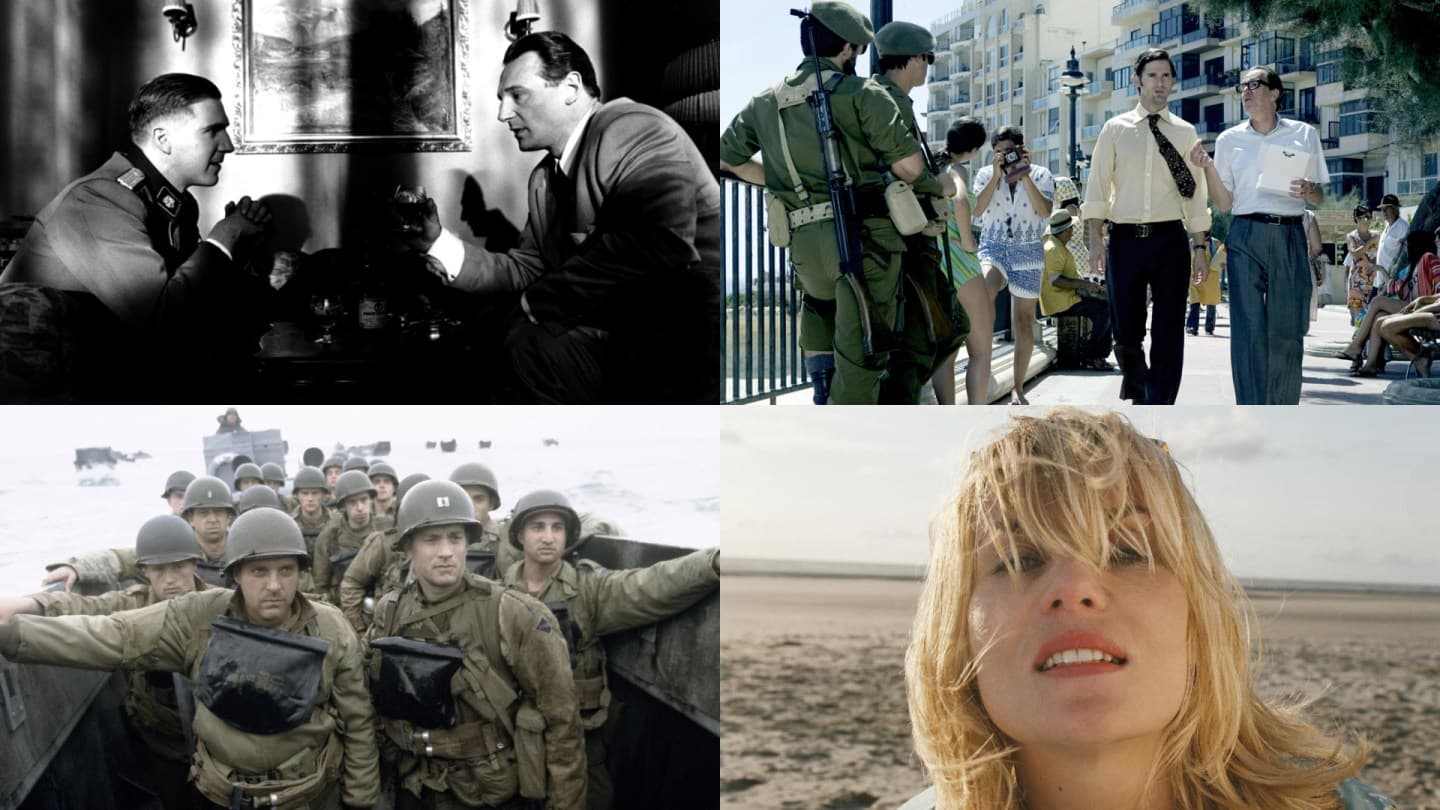
The Hollywood Reporter's latest installment in its recurring "Visionary" series turns the spotlight on Janusz Kaminski, the Polish-born cinematographer whose partnership with Steven Spielberg has produced some of the most visually distinctive American films of the past three decades. The feature, titled "THR Visionary: 5 Janusz Kaminski Shots," curates a handful of images from Kaminski's filmography and pairs each with analysis of the craft behind it - lighting choices, camera movement, and the emotional logic that drives them. For cinephiles who tend to discuss directors and stars first, the piece is a reminder that some of the most memorable moments in modern Hollywood were shaped by the person standing behind the lens.
A Career Built on Collaboration and Contrast
Kaminski's reputation rests largely on his long-running collaboration with Spielberg, which began with "Schindler's List" in 1993 and continues through recent projects. That partnership earned him the Academy Award for Best Cinematography for "Schindler's List" and a second Oscar for "Saving Private Ryan" five years later. The two wins alone would secure his place in film history, but the breadth of the work matters just as much. Kaminski has moved between stark black-and-white imagery, desaturated combat photography, and lush period compositions without ever settling into a single signature look.
That versatility is precisely what makes a list like THR's worth arguing about. Any five-shot selection from a career this deep invites disagreement, and the magazine's editors surely knew that. The pleasure of the format lies less in the ranking than in the close reading - the chance to slow down and notice how a frame was built.
What the Series Highlights
The "Visionary" franchise has become a fixture for the publication, giving cinematographers and visual-effects artists a platform usually reserved for directors and actors. Kaminski is a natural fit. He is among the most honored craftspeople working in Hollywood, and his name carries weight with both industry professionals and devoted moviegoers.
The feature's five selections lean on Kaminski's talent for atmosphere and restraint. His work is often described as painterly, but that word undersells the discipline involved. Kaminski frequently shoots in natural light or builds artificial sources that imitate it, and he favors shadows and silhouettes over bright, evenly lit frames. The result is imagery that feels lived-in rather than staged - a quality that has served Spielberg's historical dramas especially well.
A Cinematographer's Case for the Close-Up
One recurring theme in coverage of Kaminski's career is his attention to faces. Even in large-scale productions with sweeping set pieces, his camera returns again and again to the human figure. That instinct helps explain why his work resonates beyond technical admiration. Audiences may not consciously register a backlight or a shallow depth of field, but they feel the intimacy those choices create.
The THR feature, by isolating individual frames, makes that intimacy explicit. Discussing five shots also underscores a larger point about cinematography as an art form: a film's visual identity is rarely the product of a single spectacular image. It accumulates through hundreds of decisions, most of which viewers never consciously notice.
Why Craft Coverage Matters
Features like this one arrive at a moment when Hollywood's below-the-line artisans are receiving more public attention than in years past. Cinematographers have become recognizable names in their own right, thanks in part to social media, film-festival panels, and awards-season coverage that treats craft categories seriously. Kaminski, with his two Oscars and his association with some of the most acclaimed American films of the era, sits near the center of that shift.
For readers, the takeaway is straightforward. "THR Visionary: 5 Janusz Kaminski Shots" is not a ranking of the greatest images ever captured, nor does it claim to be. It is a guided tour through the working methods of a master, offered up for anyone who has ever paused a movie to admire a frame. In an industry that often measures success in opening weekends and streaming hours, that kind of scrutiny is worth making time for.
Kaminski continues to work steadily, and his standing among his peers remains secure. Whatever the next chapter of his career brings, pieces like this one help ensure that the craft behind the picture - the light, the shadow, the composition - gets its due.
Source: Hollywood Reporter