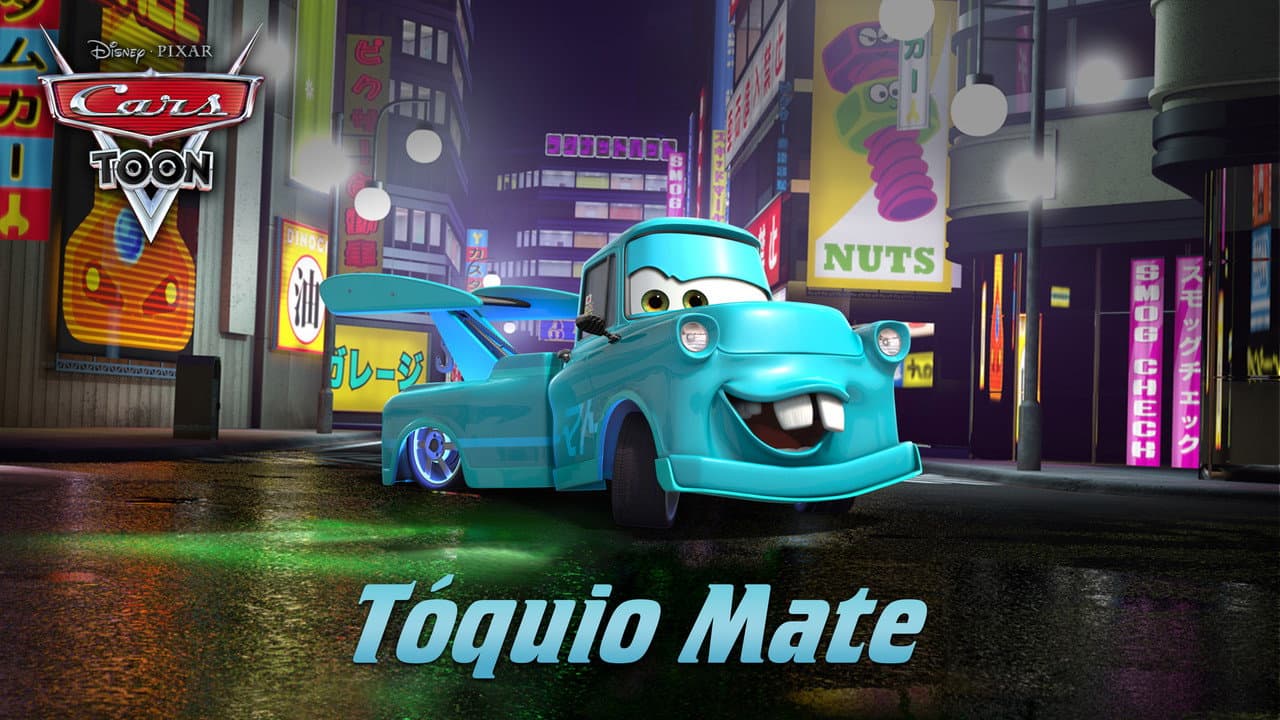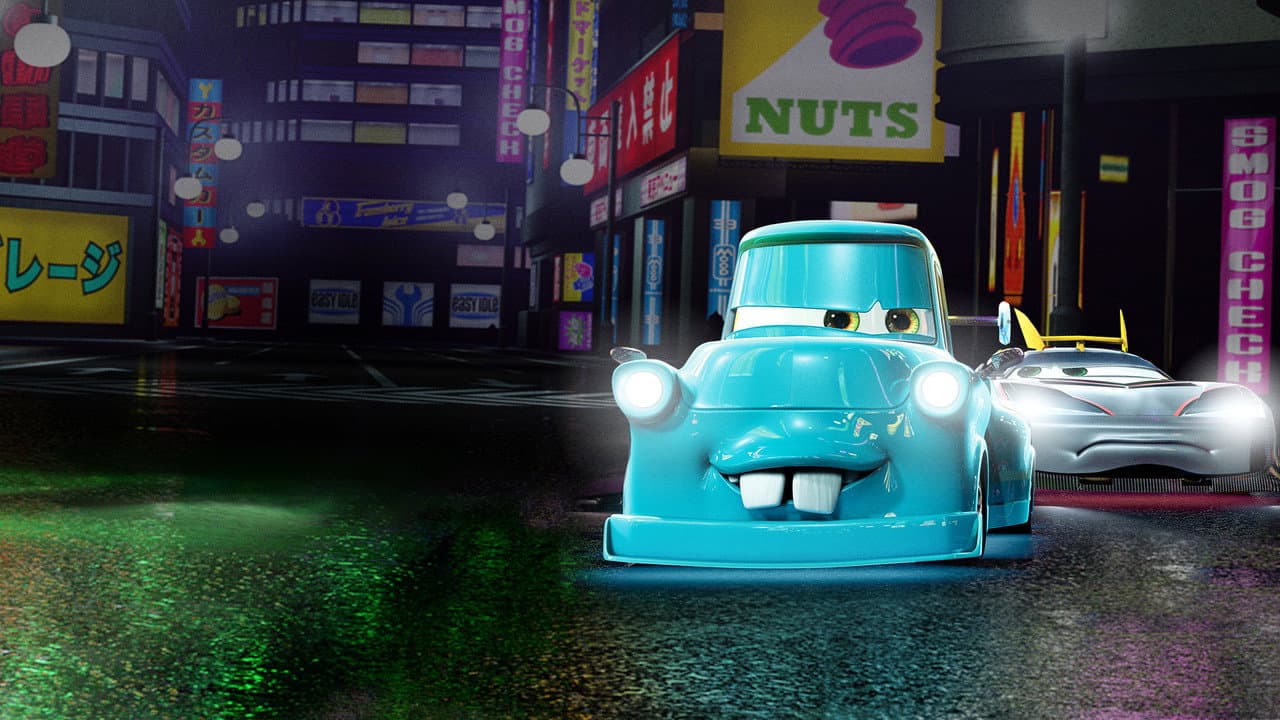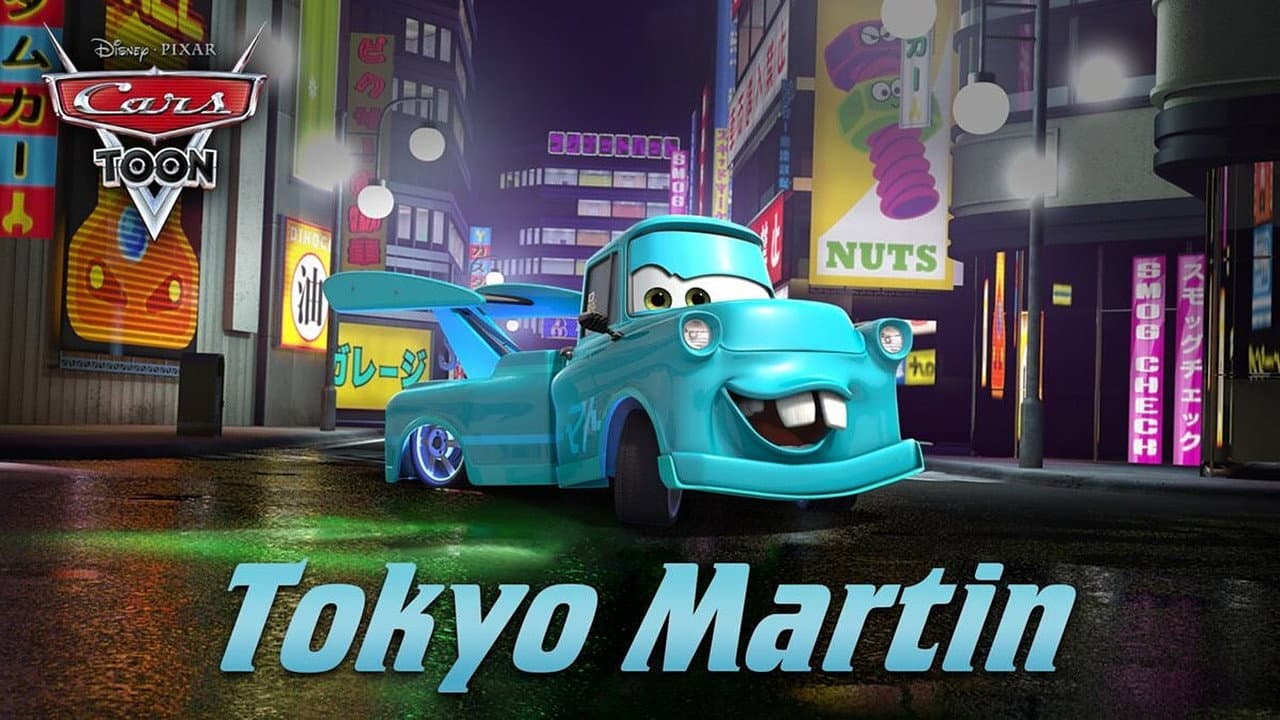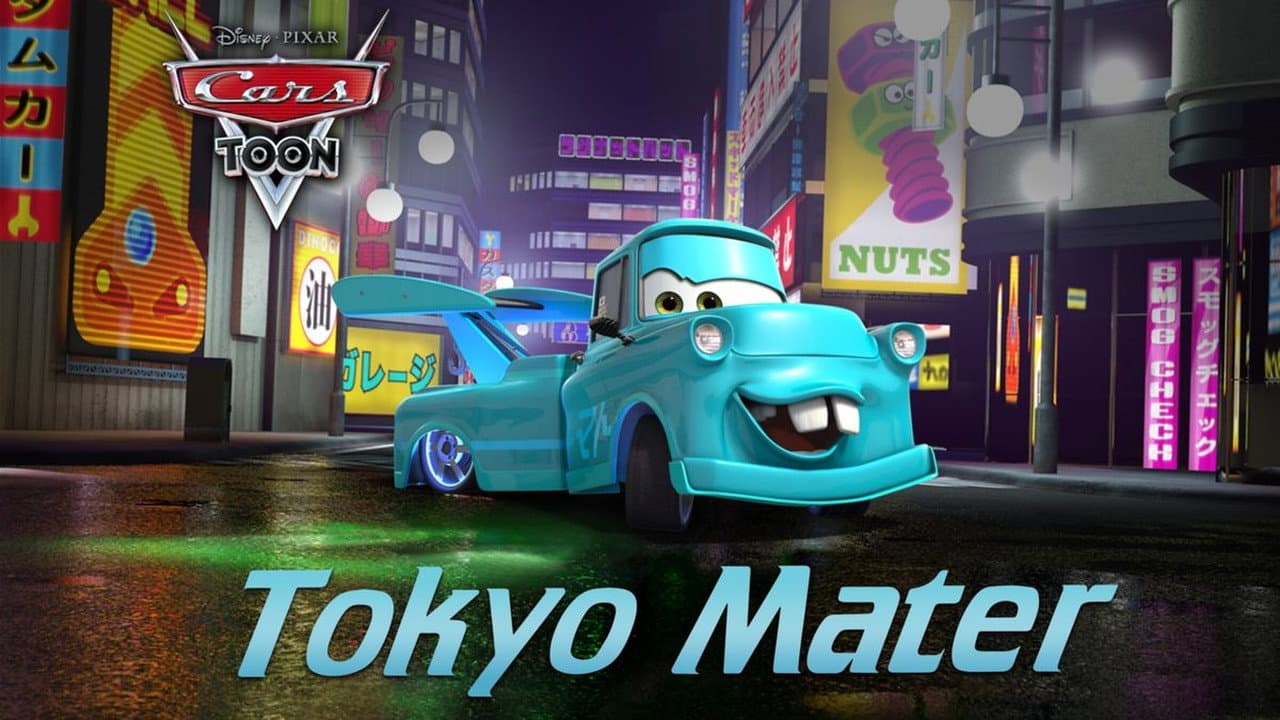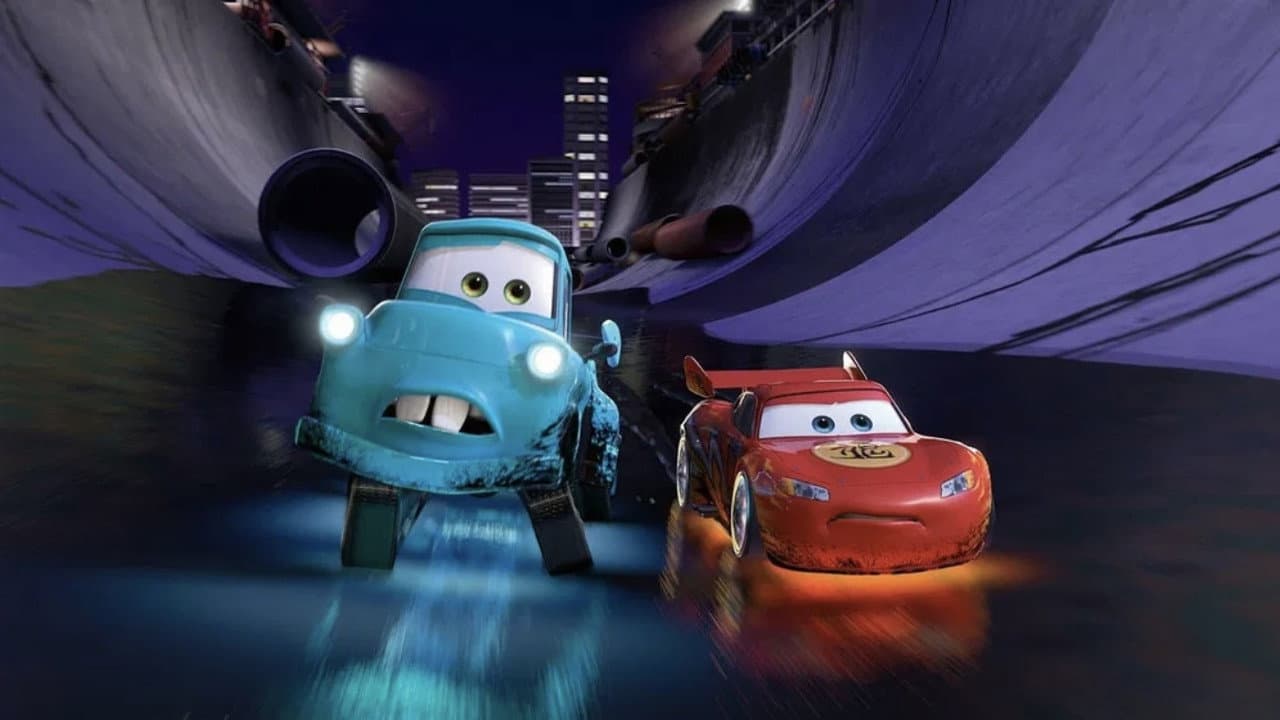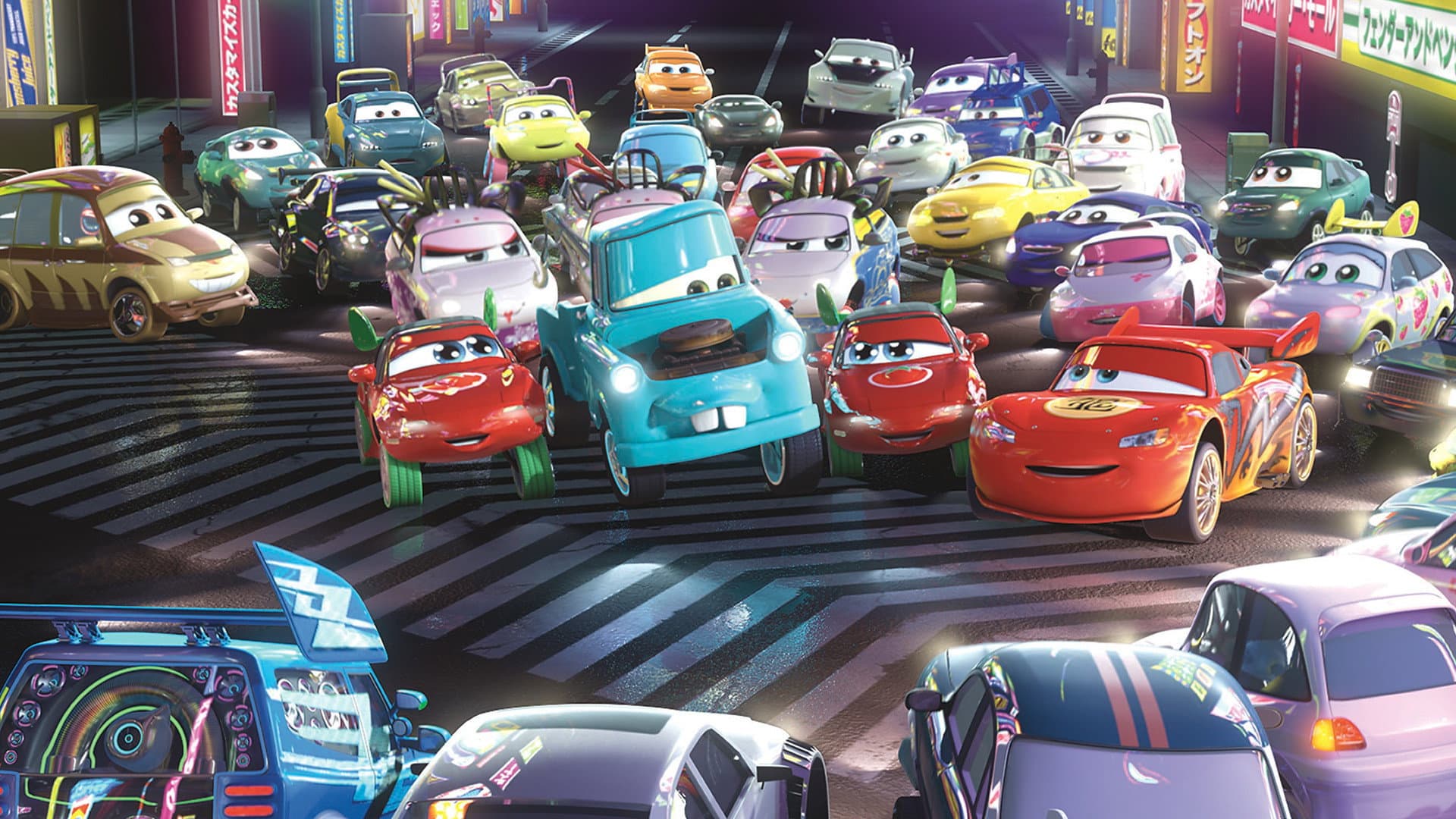
The animated short “Tokyo Mater” may run just six minutes, but its 2008 release briefly turned the “Cars” franchise into a globe-trotting drift contest - and its title still carries a whiff of film-festival intrigue. Directed by John Lasseter and released on November 21, 2008, the short sends Mater to Tokyo, where a routine tow spirals into a challenge from a wicked gang leader and his ninja crew. With help from his friend “Dragon” Lightning McQueen and a set of special modifications, Mater tries to drift his way to victory and earn the title Tow-ke-O Mater, King of all Drifters.
The premise is pure cartoon logic, but the execution leans hard into action. Mater, voiced once again by Larry the Cable Guy, is the unlikely hero of a race that borrows its visual language from drift culture and martial-arts cinema. Keith Ferguson voices Lightning McQueen, while Elissa Knight, Guido Quaroni, Lori Alan, Mickie McGowan, Danny Mann and Bob Scott round out the voice cast. The short is classified as animation, comedy, family, action and adventure - a combination that explains how it can move from a tow-truck mishap to a neon-lit showdown without pausing for breath.
A Short With a Long Tail
“Tokyo Mater” arrived during a busy period for Pixar-adjacent shorts, when the studio used the format to test tones and side characters outside its feature slate. Mater had already become a breakout figure in “Cars,” and this short gave him a solo spotlight that the feature films later expanded. The character’s voice work remains the anchor: Larry the Cable Guy plays him as earnest, oblivious and game for anything, which is precisely what makes the Tokyo challenge funny rather than tense.
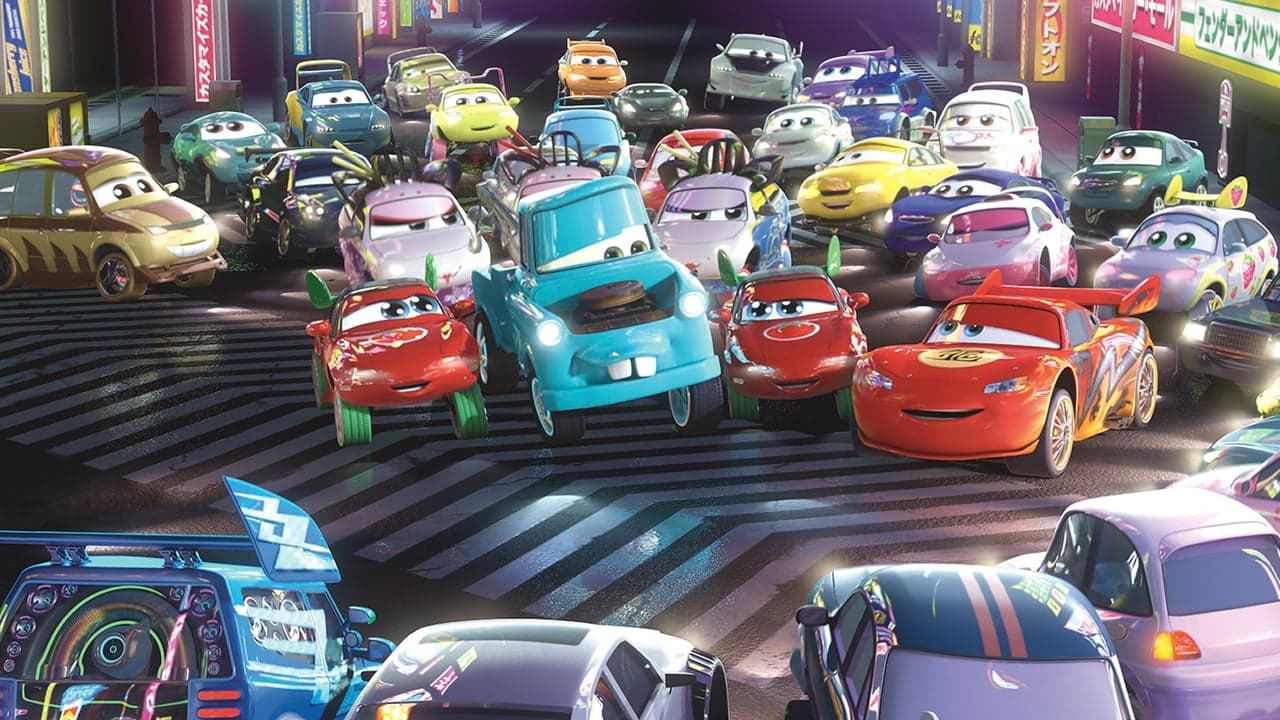
The short’s visual palette is distinctly urban. Tokyo is rendered as a maze of wet streets, glowing signs and tightly packed architecture, a setting that suits the drift-racing premise far better than the dusty roads of Radiator Springs. The ninja gang adds a layer of slapstick menace, and the “Dragon” Lightning McQueen persona gives Ferguson a chance to play a larger-than-life mentor figure. None of it takes itself seriously, and that lightness is part of the appeal.
Ratings and Reception
On the review-aggregation side, the short sits in middling territory. TMDb lists it at 6.3 out of 10, while IMDb shows a slightly warmer 6.6 out of 10. Those numbers suggest a film that fans of the franchise enjoy as a diverting bonus, even if it never reaches the emotional highs of Pixar’s feature-length work. For a six-minute piece built around a single joke - Mater as an accidental drift king - that reception is neither surprising nor damaging.
The short’s legacy is tied to the “Cars” universe rather than to awards season. It functions as a character sketch, a chance to see Mater outside his comfort zone and to watch the animation team stretch its action muscles. The Tokyo setting also gave the franchise an early foothold in an international locale, something later entries would revisit.
What the Jury Angle Adds
The title of the piece references a competition jury discussing the event’s “A-list” status and arguing over favorite films, but the short itself is not a festival documentary. It is a self-contained animated comedy, and any reading of it as a comment on festival politics is a stretch. What the title does capture is the way film culture loves to rank and debate - the same instinct that leads audiences to compare a six-minute Mater short against the studio’s longer features.
For Hollywood Buzz News, the takeaway is straightforward: “Tokyo Mater” is a brisk, funny footnote in the “Cars” catalog, directed by Lasseter and carried by Larry the Cable Guy’s voice work. It is in English, produced within the Hollywood animation pipeline, and built for family audiences who want action without a feature-length commitment. At six minutes, it asks little and delivers a reliable burst of cartoon energy - a small detour that lets Mater be the star, if only for a moment.
Source: Hollywood Reporter