TORONTO - A coalition of independent producers from Canada, Europe, and Latin America used the opening day of the Toronto International Film Festival to demand that governments toughen local content requirements, arguing that global streaming platforms are steadily squeezing domestic storytellers out of their own markets. The group, which calls itself the Global Producers Alliance, released a position paper Friday urging regulators to tie tax credits and broadcast licenses to verifiable spending on locally produced music, documentary, and narrative works. The timing was deliberate: TIFF has long served as a launchpad for exactly the kind of mid-budget, culturally specific filmmaking the alliance says is disappearing.
At the center of the group's argument is a simple complaint. Streaming services commission freely in every country but rarely invest in the archival, performance-driven projects that once defined national cinemas. Alliance spokesperson Marguerite Doyle told reporters that "a platform can harvest a country's audience without ever paying for its memory," a line that drew applause at a packed panel on the festival's industry track. She pointed to concert documentaries as an especially endangered form, since they depend on rights clearances, restoration work, and niche theatrical runs that no algorithm currently rewards.
The Concert Film as a Test Case
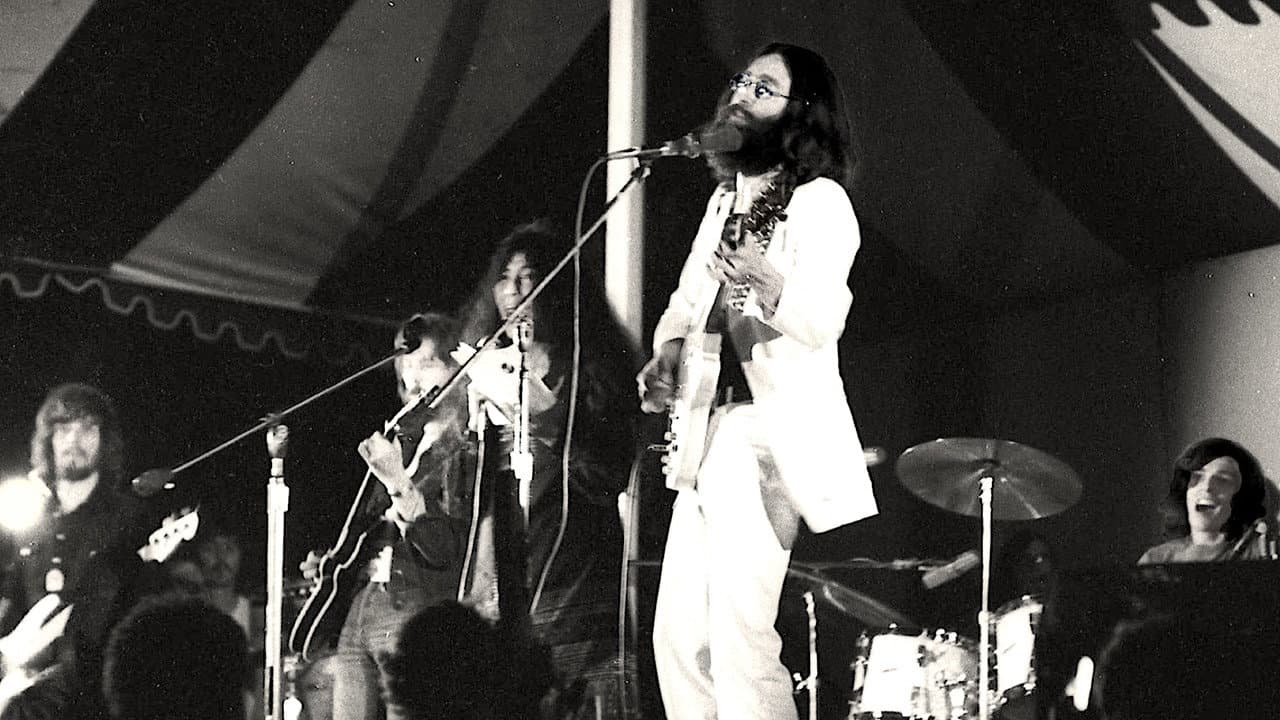
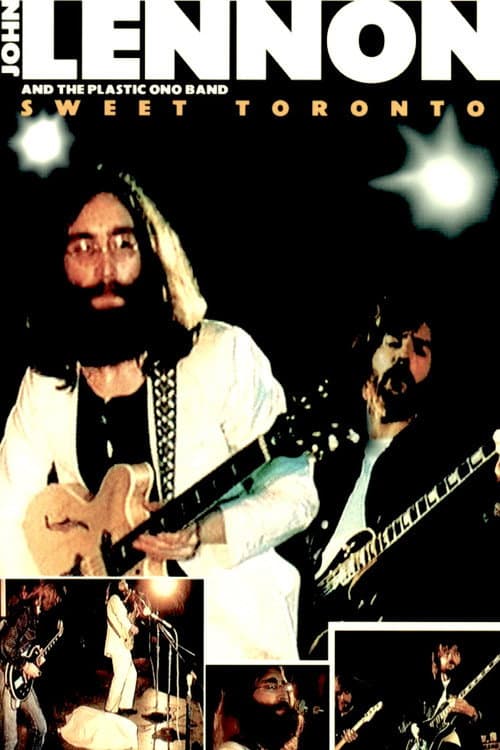
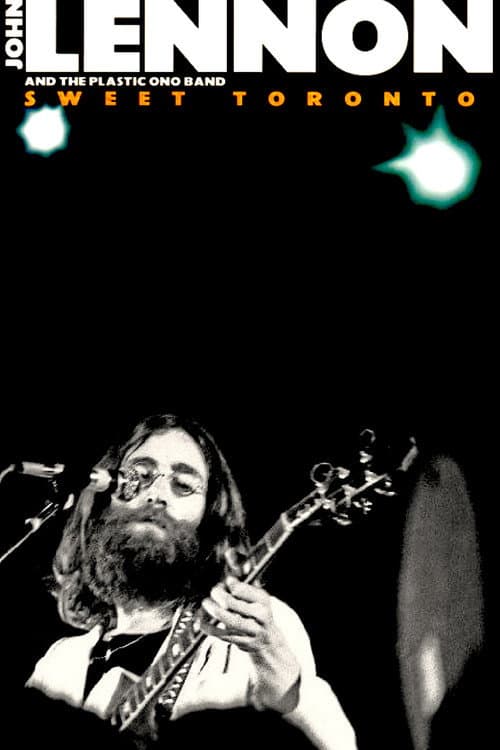
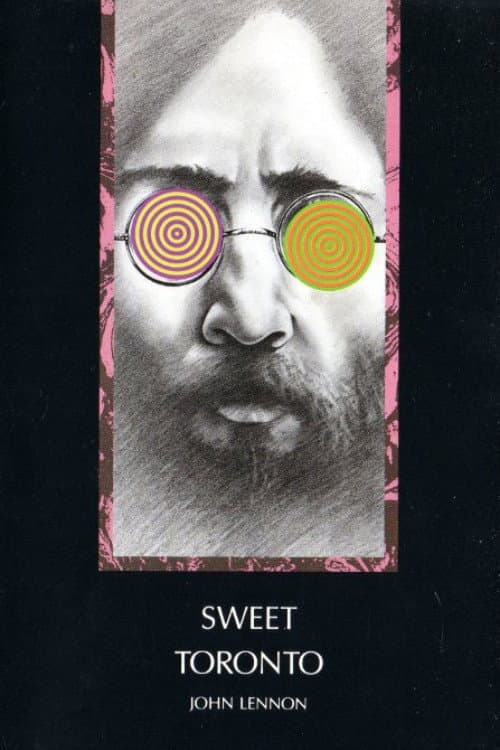
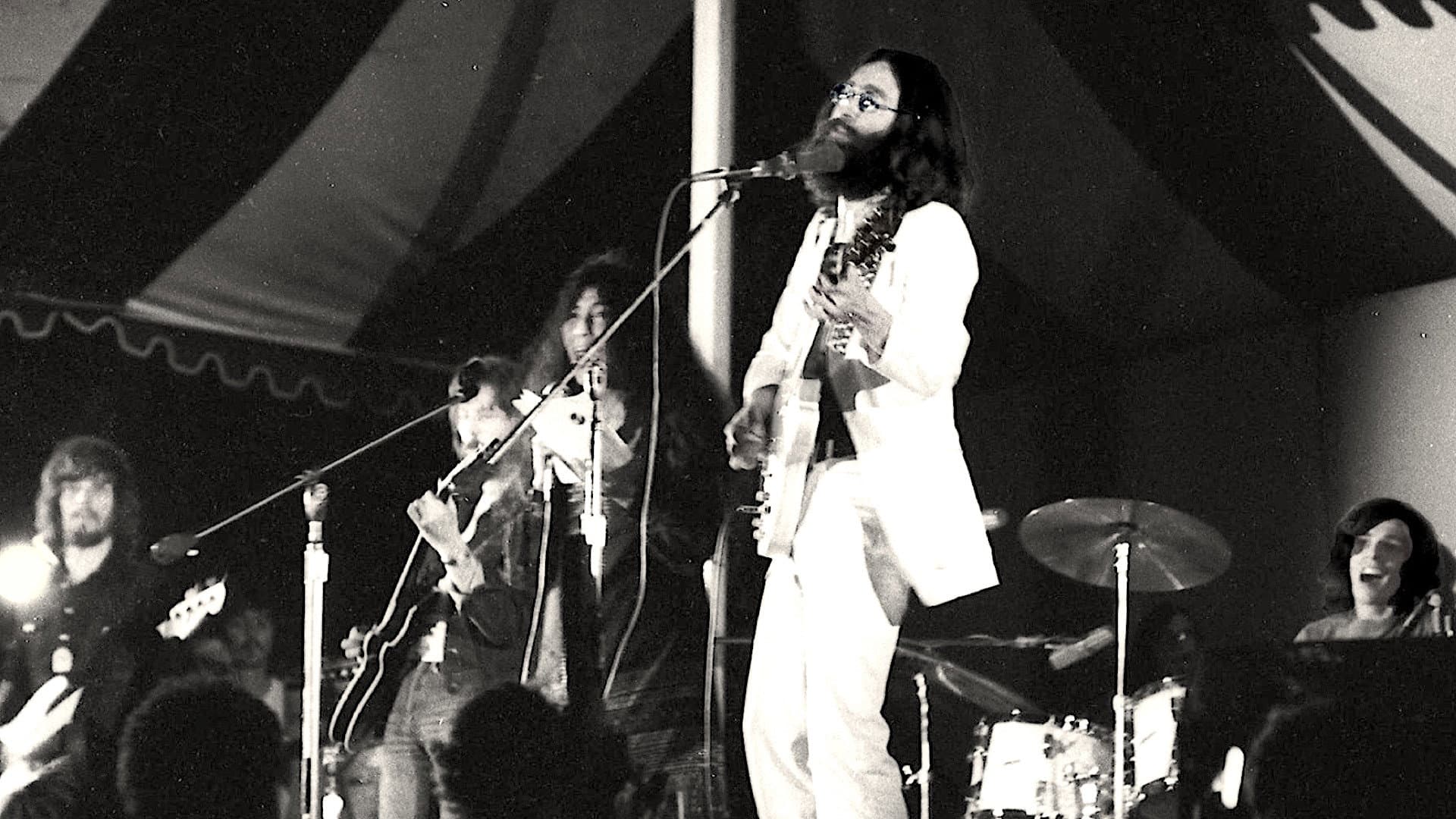
Few titles illustrate the alliance's case better than "Sweet Toronto," D. A. Pennebaker's 51-minute document of the Toronto Rock and Roll Revival. The single-day festival took place on September 13, 1969, at Varsity Stadium on the University of Toronto campus, drawing a crowd of roughly 20,000 people. Pennebaker, already celebrated for capturing Bob Dylan's 1965 British tour, turned his camera on a bill that mixed American rock pioneers with one very famous British guest.
John Lennon performed that day as part of the Plastic Ono Band, sharing the stage with Yoko Ono, Klaus Voormann, Alan White, and Eric Clapton. The lineup also featured Jerry Lee Lewis, Little Richard, and Bo Diddley. Chuck Berry appears in the film's credited cast alongside Lennon, Ono, Clapton, Voormann, Little Richard, Lewis, and Diddley. The movie runs just 51 minutes and was released on November 22, 1971, two years after the concert itself.
Its reputation has proved durable. On TMDb, the film holds a rating of 7.1 out of 10 - a strong figure for a concert documentary that never received a wide commercial rollout. The genres attached to it are music and documentary, and it was shot and released in English.
Doyle argued that a project like "Sweet Toronto" would struggle to find financing today. "Nobody is going to greenlight a one-camera record of a single afternoon unless there is a public mandate behind it," she said. The alliance's paper proposes that streaming platforms operating in a given country be required to allocate a fixed percentage of local subscription revenue to production funds, with a carve-out for music and documentary programming. It also recommends a restoration levy on catalog titles that platforms license but do not remaster.
Pushback and Next Steps
Not everyone on the panel agreed. A distribution executive speaking from the floor warned that rigid quotas could push platforms to commission cheaper, less ambitious content simply to satisfy paperwork, a phenomenon he called "compliance cinema." Doyle countered that the alliance is not asking for genre quotas but for spending transparency, so that regulators and audiences can see where money actually goes.
The debate is expected to continue through the festival, with the alliance scheduled to meet representatives from two European broadcasters later this week. Whether any of its proposals become law is another matter; content regulation moves slowly, and streaming lobbies are well funded. But the presence of the coalition in Toronto - a festival built on the idea that films travel - gave its members a useful stage. "Sweet Toronto" itself is a reminder that a single day, properly recorded, can outlast the careers of everyone who played it. The producers gathered here would like the next such day to have a camera pointed at it, and someone willing to pay for the film.
Source: Hollywood Reporter