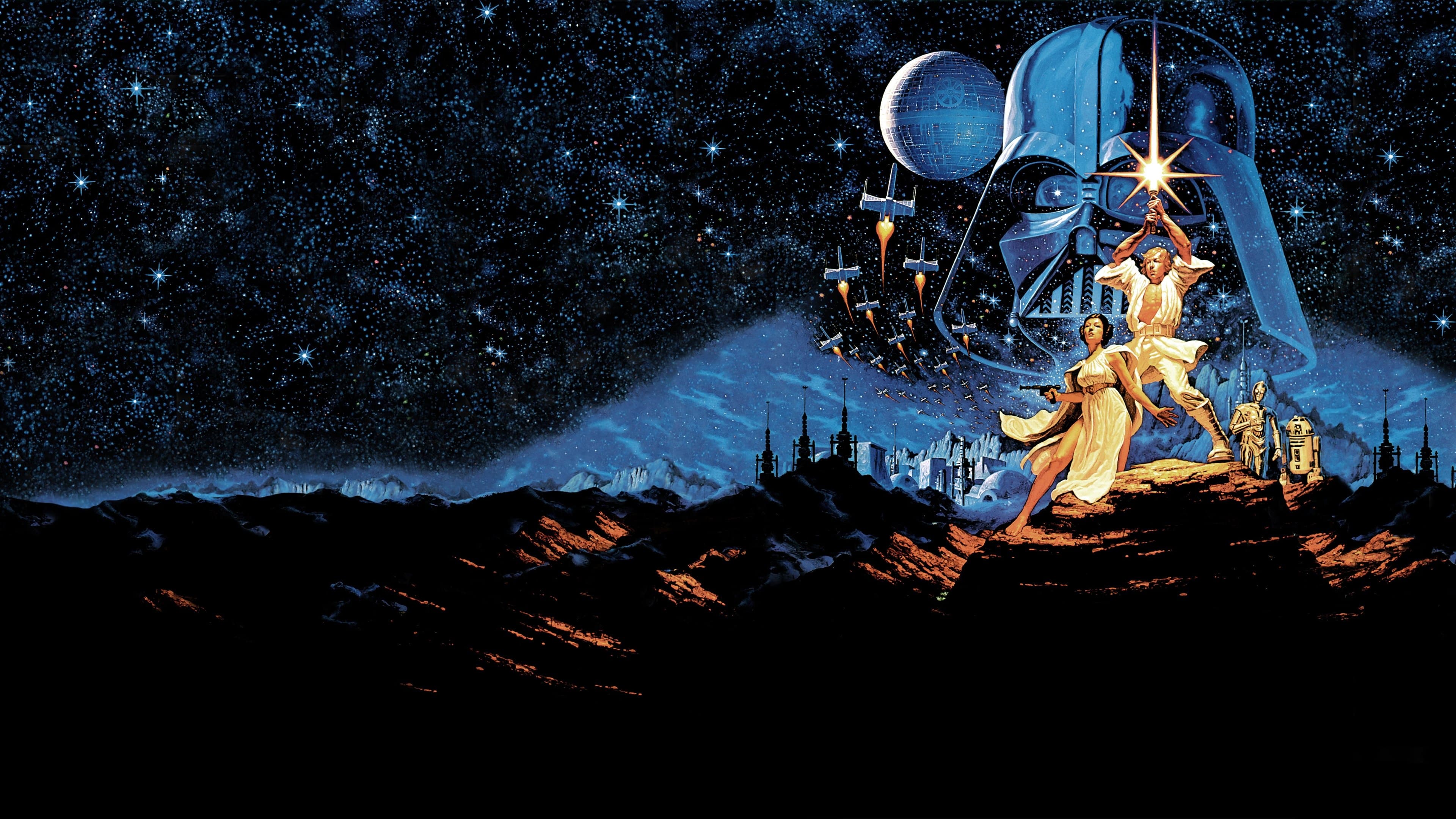
A lightsaber wielded by Darth Vader on screen has sold for close to $5 million, setting a new benchmark for props tied to the Star Wars franchise and reinforcing the movie memorabilia market's appetite for artifacts from the original trilogy.
The sale, reported Thursday, places the weapon among the most expensive pieces of film history ever to change hands at auction. It surpasses previous Star Wars records and cements Vader's status as one of the most collectible figures in cinema, decades after the character first stalked across the screen in 1977's Star Wars.
A Prop That Defined a Villain
The lightsaber is more than a prop; it is the visual signature of Vader himself. The weapon's ignition sound and glowing blade became shorthand for the character's menace, and the hilt in the hands of actor David Prowse - with James Earl Jones supplying the voice - helped shape generations of moviegoing memory.
Collectors have long chased original trilogy material, but Vader-related pieces are especially scarce. Most props from the era were reused, modified, or discarded, and surviving complete examples are rare. That scarcity, combined with the character's iconic standing, likely drove the final price far above estimates.
The result also says something about where the broader market is heading. Movie props have increasingly moved from niche hobbyist collecting into blue-chip territory, where auction houses market them alongside fine art and investors treat them as alternative assets. Star Wars, with its enormous global fan base, sits at the center of that shift.
The Broader Auction Landscape
This is not the first time Star Wars memorabilia has commanded headline prices. Costumes, models, and production materials from the original films have steadily risen in value, and the franchise's collectible market has proven resilient even as other segments of entertainment memorabilia cool. The Vader lightsaber sale extends that trend rather than reversing it.
What distinguishes this sale is its proximity to the ceiling of the hobby. Few film props of any franchise have crossed the multi-million-dollar threshold, and those that have tend to be tied to singular characters or moments. Vader qualifies on both counts.
Auction specialists often note that provenance matters as much as the object itself. Buyers want documentation connecting a prop to actual filmed sequences, and screen-used status can multiply value many times over compared with replicas or unused pieces. The eventual price suggests collectors were satisfied on that front, though full details of the item's history have not been widely disclosed.
What It Means for Collectors
For the fan who simply loves the films, the sale is a curiosity - a reminder that the objects on screen now carry extraordinary financial weight. For collectors, it is a signal. Prices at the top of the market tend to lift the entire category, and a record Vader sale could draw new consignments out of private hands in the months ahead.
There is also a cultural dimension. The original Star Wars trilogy is approaching its fiftieth anniversary, and anniversaries reliably boost interest in vintage material. Auction houses have learned to time major sales around such milestones, and buyers respond.
Whether the record stands will depend on what comes to market next. A comparable piece from the same era - a helmet, a costume, an original model - could challenge the figure if condition and provenance align. For now, the lightsaber holds the title.
The sale also raises familiar questions about who should own pieces of film history. Museums and archives rarely compete at these prices, meaning most significant props end up in private collections, sometimes disappearing from public view for decades. That tension between private ownership and public heritage is unlikely to resolve any time soon.
For Hollywood, the lesson is straightforward: the artifacts of its past remain among its most valuable assets, and the market for them shows no sign of softening. A villain's weapon, built to look futuristic on a 1970s soundstage, has become a blue-chip investment - and a record holder.
Source: Hollywood Reporter