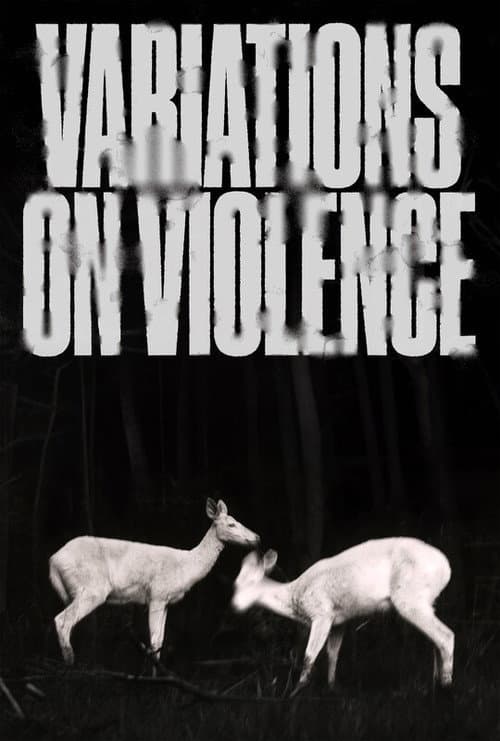
Zachary Nichols's claustrophobic war drama "Variations on Violence" took the top prize at the Oldenburg International Film Festival, capping a festival run that has turned the 71-minute feature into one of the year's most quietly discussed American independents.
The win, announced during the festival's closing ceremony, hands Nichols his most significant international recognition to date. The film had already drawn attention for its refusal to behave like a conventional war movie - clocking in at just over an hour and folding elements of horror and thriller into what is, at its core, a study of psychological collapse.
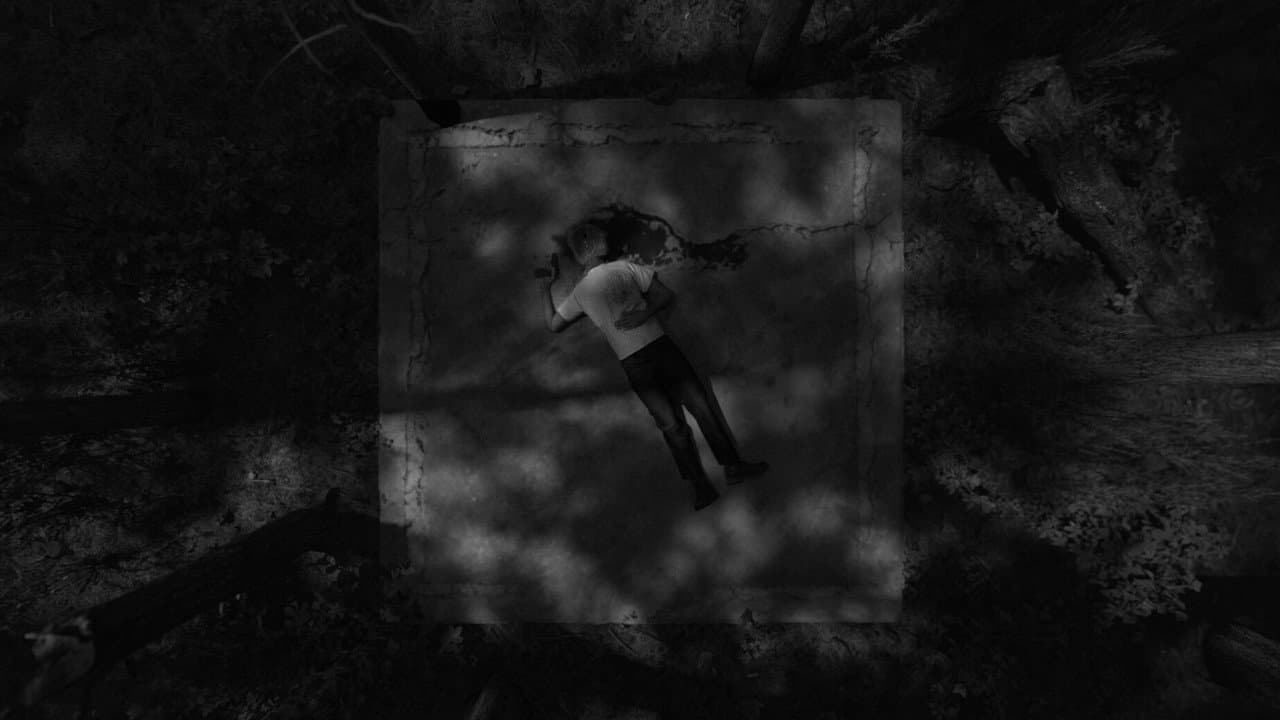
"Variations on Violence" centers on a military drone pilot who is consumed by the distant violence he witnesses on a daily basis, drifting steadily toward self-destruction while his sister is left to absorb the intimate cost of a war being fought thousands of miles away. The film's official synopsis frames that split - the operator's remote vantage point versus the fallout that lands on those closest to him - as the engine of its narrative.
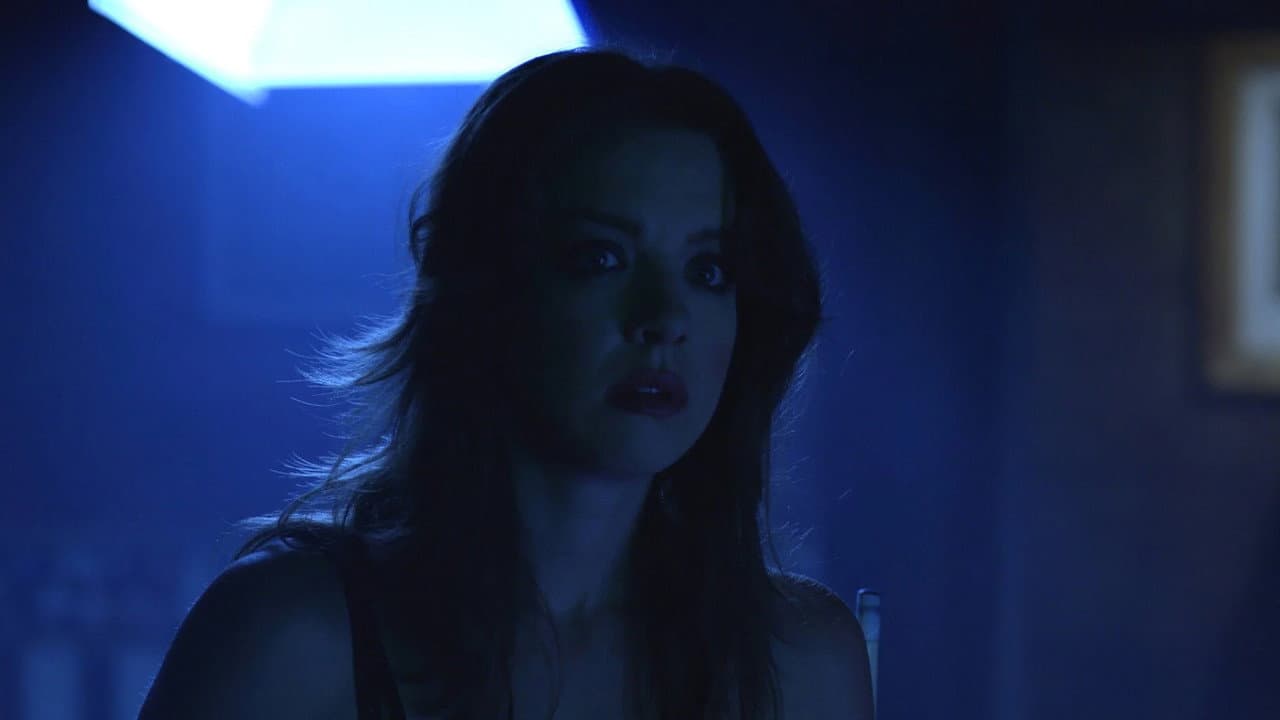
The ensemble is led by Lars Drew as Johnny, Noelia Antweiler as Mary, Krissy Garber as Muriel, Zainab Sadia Saeed as Aisha and Eric Wilson as Duwayne. The production is an English-language Hollywood release, and it arrived in theaters on March 7, 2026, months before its Oldenburg coronation.
A Genre Hybrid That Resists Easy Categories
What distinguishes the project is its classification. "Variations on Violence" is billed simultaneously as drama, horror and thriller - a combination that reflects its interest in the psychological rather than the tactical dimensions of modern conflict. Drone warfare has surfaced in American cinema before, but usually as a subplot or a moral debating point. Here it is the entire frame.
At 71 minutes, the film sits well below standard feature length, a choice that suggests a deliberately compressed, almost suffocating viewing experience. That brevity may also have worked in its favor on the festival circuit, where programmers and juries have shown growing appetite for tight, formally adventurous work over sprawling traditional narratives.
Nichols directs from a position of relative obscurity on the international stage, and the Oldenburg victory positions him alongside a wave of American filmmakers using genre scaffolding to examine contemporary warfare's psychological toll. The horror label, in particular, is telling: the film appears to treat the drone pilot's deteriorating mental state as something closer to a haunting than a case study.
Oldenburg's Track Record and What Comes Next
Oldenburg has built a reputation as a launchpad for boundary-pushing independent cinema, and its top prize has historically helped smaller titles find distributors and additional festival slots. For a film with a modest profile and a runtime that makes it an awkward fit for multiplex booking, that kind of validation matters.
The cast is a mix of lesser-known performers rather than established names, which places the burden of the film's reception squarely on Nichols's direction and the strength of its premise.
Notably, the film currently registers no audience rating on TMDb - a gap that reflects its limited exposure so far rather than any critical verdict, and one that the Oldenburg win seems designed to close.
"Variations on Violence" remains early in its life as a release. It opened in March, spent the spring and summer building word of mouth, and now enters the fall awards conversation with a major European festival prize in hand. Whether that translates into wider distribution or a more crowded festival calendar in the coming months is the open question.
What the Oldenburg jury appears to have responded to is the film's insistence on scale - not the scale of battlefields, but the distance between the person pressing a button and the person living with the consequences. In a year crowded with loud, expensive war-adjacent storytelling, a 71-minute American indie about a drone operator's unraveling just became the one with a trophy.
For Nichols, the immediate effect is visibility. For the film, it is a second life. For audiences who missed it in March, "Variations on Violence" now carries the kind of festival pedigree that tends to force a second look - even from viewers who might otherwise have scrolled past a title they had never heard of.
Source: Hollywood Reporter