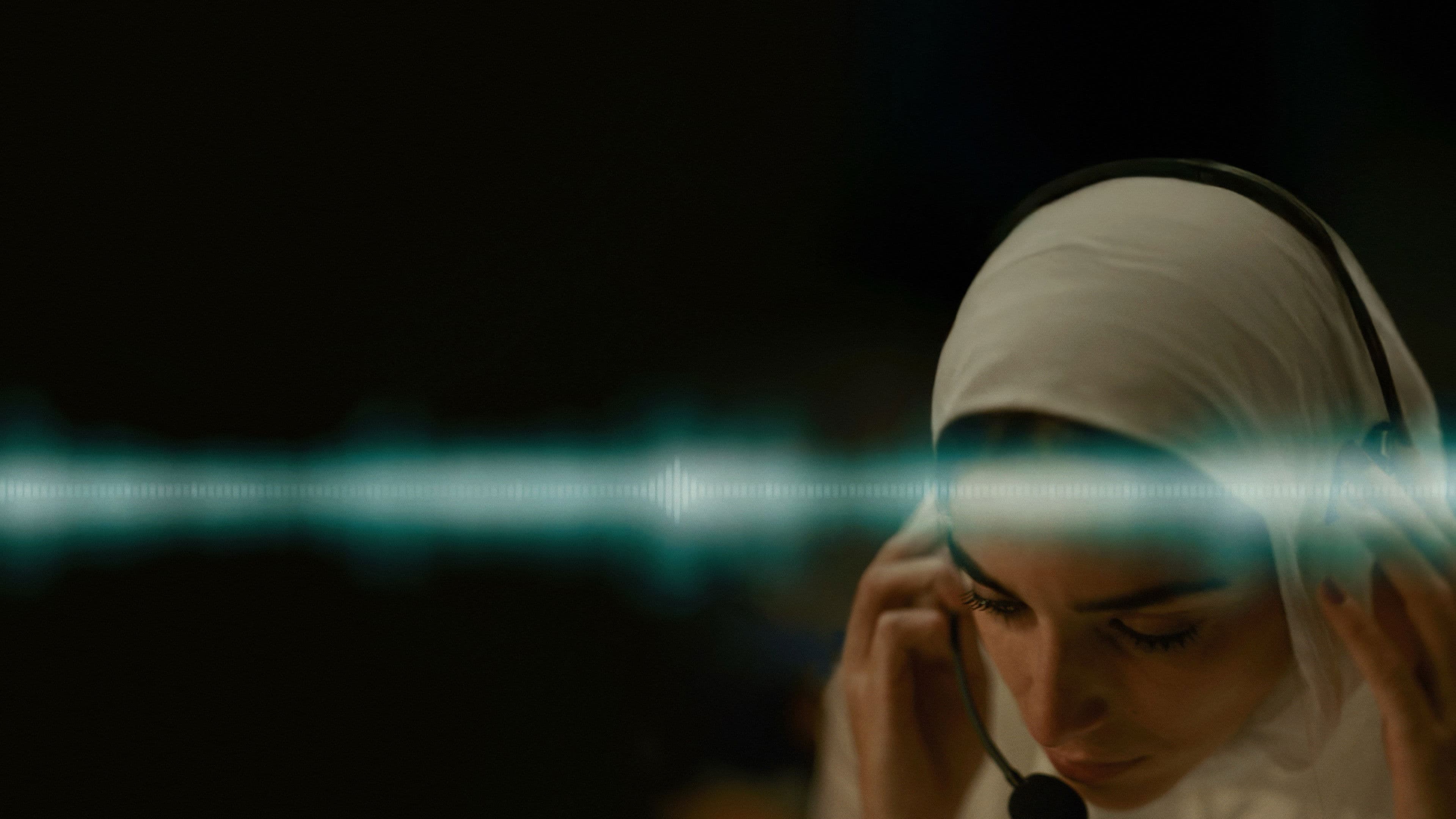
'Voice of Hind Rajab' Director Slams Israel Probe as
Advertisement
The director calls the Israeli military's investigation into 5-year-old Hind Rajab's death a 'smokescreen,' demanding accountability and independent
The director behind the documentary Voice of Hind Rajab has publicly dismissed the Israeli military’s official inquiry into the death of the five-year-old girl at the center of the film, calling the probe a calculated distraction rather than a genuine pursuit of accountability. In a sharply worded statement that has rippled through international film circles and human rights advocacy groups, the filmmaker argued that the investigation’s findings are designed to obscure systemic failures rather than address the circumstances that led to the child’s killing.
The documentary, which drew widespread attention for its harrowing reenactment of the final moments of Hind Rajab’s life, has become a flashpoint in the ongoing debate over civilian casualties in conflict zones. The director, whose name was not immediately attached to the statement in press materials, characterized the military’s report as a “smokescreen” meant to shield higher-level decision-making from scrutiny. By focusing narrowly on tactical errors on the ground, the director contended, the investigation sidesteps broader questions about rules of engagement and the protection of non-combatants.
Hind Rajab’s death, which occurred amid a military operation that drew international condemnation, was previously documented through a series of desperate phone calls she made to emergency services. Those calls, which captured the child pleading for help as gunfire erupted around her, became a haunting symbol of the human toll of the conflict. The documentary’s release last year amplified those recordings, bringing renewed attention to the case and pressuring authorities to release their internal review.
According to the military’s investigation, which was made public earlier this week, the death was attributed to a series of miscommunications and an unfortunate sequence of events on the battlefield. The report acknowledged failures in command coordination but stopped short of assigning criminal liability to any individual officer. Instead, it recommended procedural changes and improved training for forward observers, a conclusion the director argues is disproportionate to the gravity of the loss.
In the statement, the filmmaker pointed to what they described as a pattern of “institutionalized evasion,” noting that the investigation’s timeline conveniently aligns with a period of heightened international scrutiny. The director further suggested that the report’s release was strategically timed to preempt a United Nations review, a claim that military spokespeople have categorically denied. However, the director offered no specific evidence for this assertion, and no official from the UN has commented on the matter.
The documentary itself has been screened at several major festivals, where it received standing ovations and sparked heated panel discussions. Critics have praised its restrained approach, which relies on archival audio and animation to visualize events that were never captured on camera. The director, who has a background in human rights reporting, has consistently used public appearances to press for independent judicial review of the case, a demand that the military has rejected on jurisdictional grounds.
Supporters of the documentary have called for the International Criminal Court to examine the incident, though no formal petition has been filed. Legal experts cited in the film’s promotional materials have noted that the case could set a precedent for how child casualties are assessed in asymmetrical warfare. The director’s latest comments are expected to intensify those calls, particularly among advocacy groups that have already organized protests outside military installations.
The military’s investigation has also drawn criticism from domestic quarters, with several retired officers questioning the transparency of the review process. In a rare joint statement, a group of former commanders argued that the findings lack the rigor of a full court-martial and that the recommended reforms are largely cosmetic. They have urged the government to release all operational logs from the day of the incident, a request that remains unfulfilled.
For the director, the fight is far from over. The statement concluded with a pledge to continue “amplifying Hind’s voice” through upcoming screenings and educational partnerships, underscoring a commitment to keeping the story alive in public memory. The filmmaker also hinted at a possible follow-up project examining other incidents involving child casualties, though no production details have been confirmed.
As the debate over the investigation unfolds, the documentary continues to find new audiences, with a streaming release reportedly in the works for later this year. Whether the new attention will translate into political pressure remains an open question, but the director’s unwillingness to let the matter rest signals that this story is not fading from the headlines anytime soon.
Hollywood Buzz News will continue to follow this developing story as the documentary’s team prepares its formal response to the military’s findings.
Source: Hollywood Reporter
Advertisement
Advertisement