Billy Evans will receive his share of the profits from “You Can See Everything” after all, and he intends to donate every dollar of it to charity, a representative for the film confirmed to Hollywood Buzz News exclusively. The development closes a dispute that had threatened to overshadow the documentary’s awards-season momentum, though the exact financial terms were not disclosed.
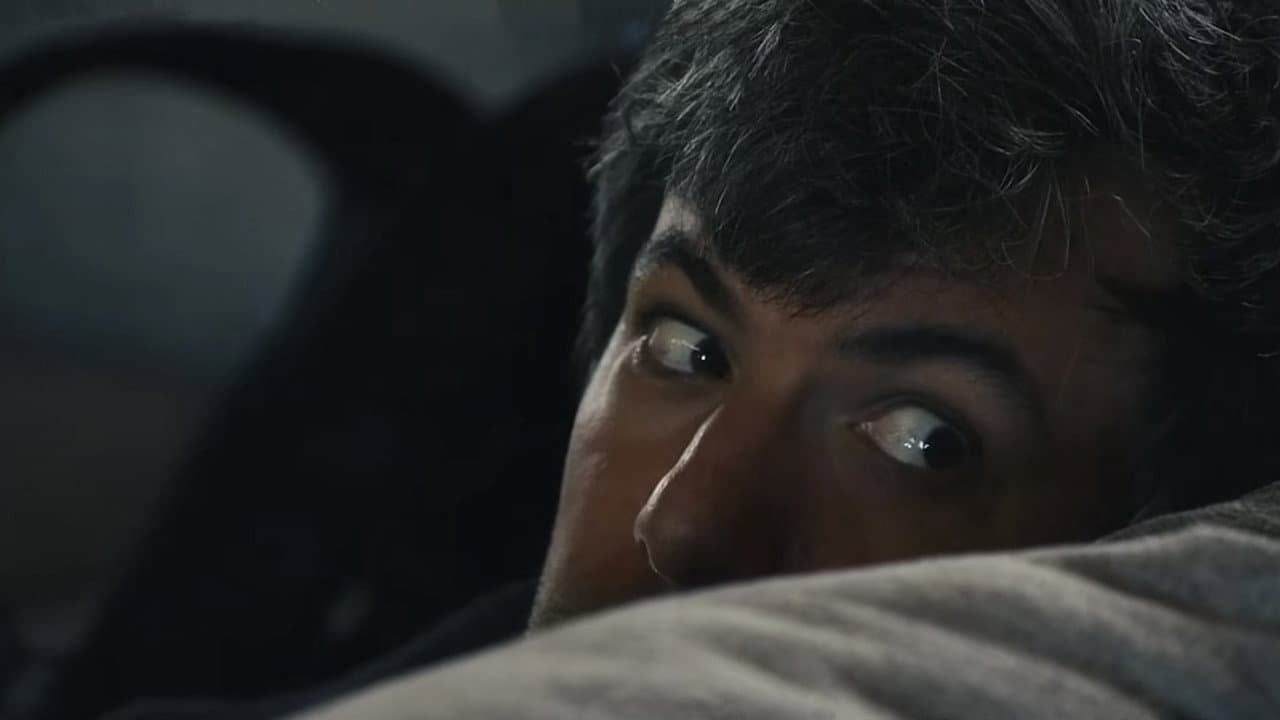
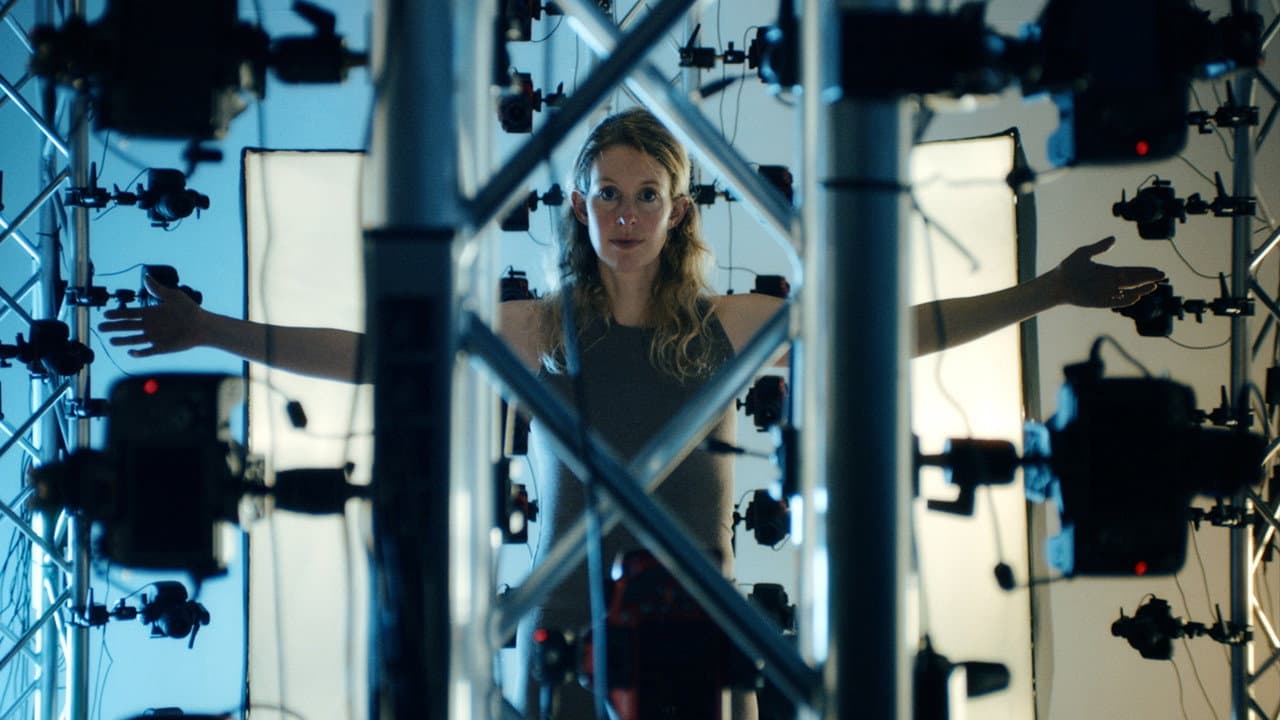
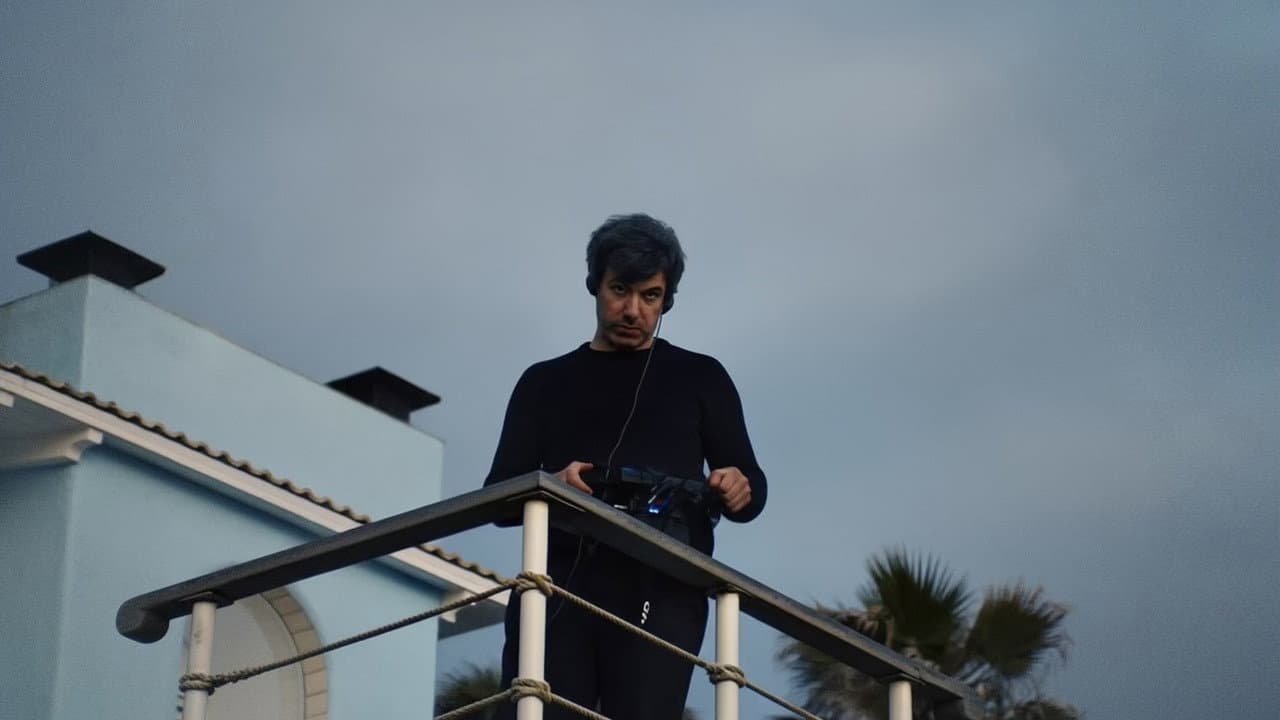
The film, directed by Nathan Fielder and released on October 16, 2026, follows Elizabeth Holmes in the thirty-four days before she is sent to prison, after she invites a skeptical film crew to document her every move. What starts as an intimate portrait of an enigmatic felon becomes, per the film’s official synopsis, a mind-bending three-year journey into the abyss. Evans appears in the documentary as himself, and sources close to the production say his willingness to cooperate was central to securing material the filmmakers could not have obtained otherwise.
Evans’s charitable pledge, first reported by Hollywood Buzz News, answers the question that has trailed the movie since its premiere: whether a participant in a project about a notorious Silicon Valley founder should profit from his own role in it. According to a person familiar with the arrangement, the donation will go to organizations selected by Evans and vetted by the filmmakers, with the first disbursements expected once the film’s distribution cycle concludes.
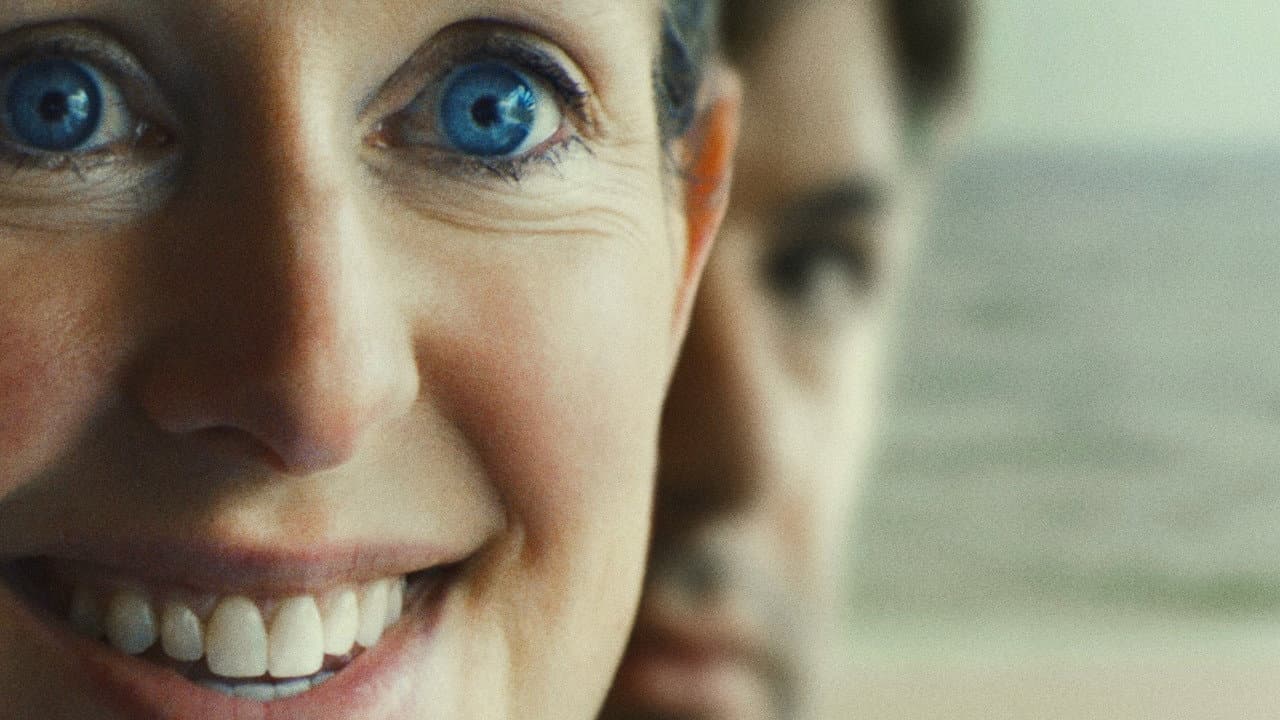
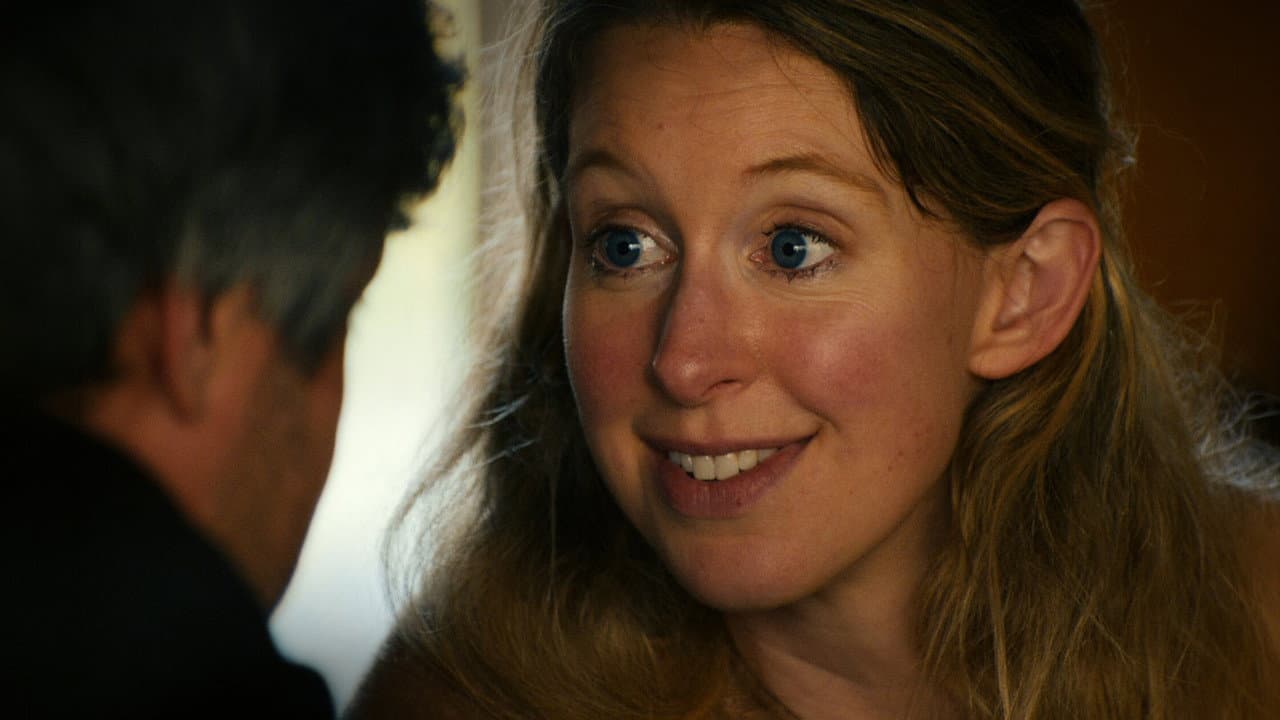
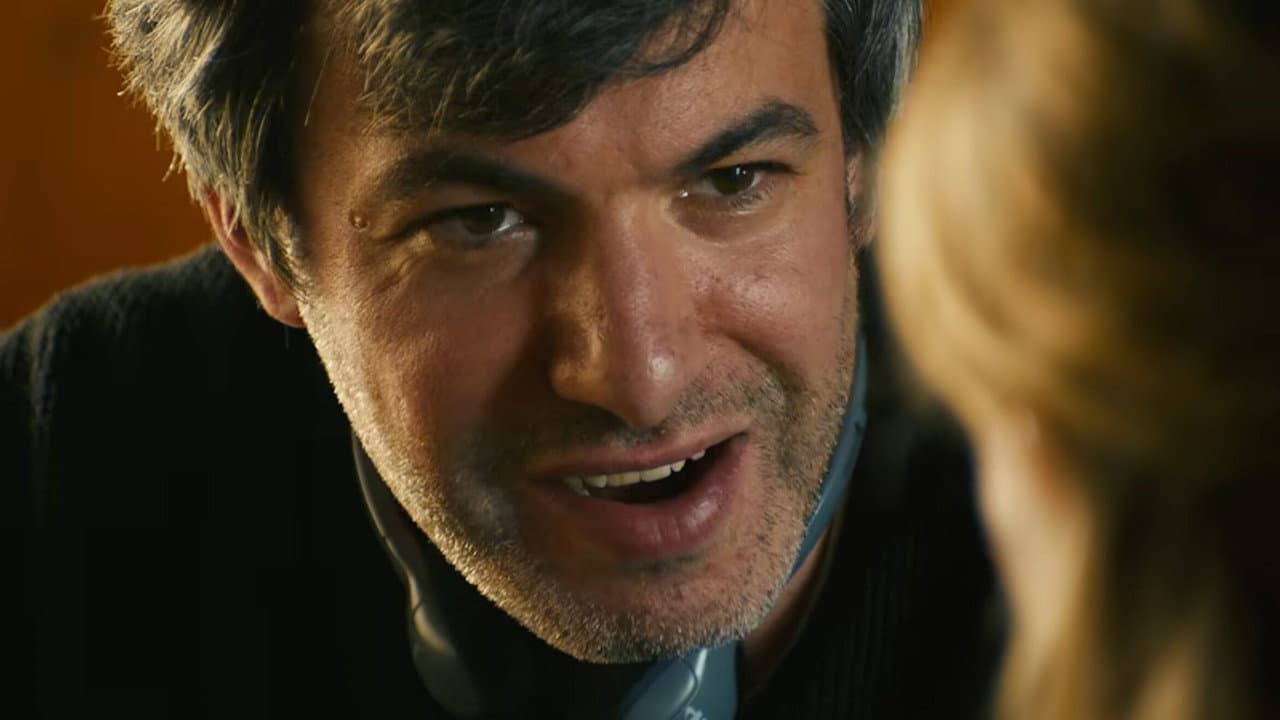
The film’s cast blends the real and the reenacted in ways that have made it one of the year’s most talked-about nonfiction releases. Holmes and Fielder both appear as themselves, as do Evans, director Lance Oppenheim, Christian Rasmus Holmes IV, Noel Anne Holmes and Amanda Seyfried, who also portrays Holmes in staged sequences. Christopher Abbott plays Evans in those same sequences, a decision that has fueled debate about how much of the documentary is observation and how much is performance.
A Dispute That Followed the Film to Its Release
The profit question surfaced almost immediately after “You Can See Everything” opened. Evans had participated extensively, and his representatives argued that his contributions exceeded those of a typical on-camera subject, entitling him to a profit share rather than a flat appearance fee. The filmmakers initially resisted, contending that Evans’s role, while significant, fell within the documentary’s broader construction, in which professional actors re-create portions of the story.
That position shifted after mediation late last month, according to two people with knowledge of the talks, who spoke on condition of anonymity because the agreement is confidential. Under the resolution, Evans will receive a defined percentage of net profits rather than a lump sum, a structure that ties his payout to the film’s long-term performance. His pledge to donate the proceeds was part of the settlement, one of those people said, though Evans had raised the idea independently.
The filmmakers declined to comment on the settlement beyond confirming that it had been reached. A statement from Evans’s camp described the outcome as a matter of fairness, saying the agreement lets him put the episode behind him while directing the benefits toward causes he supports. No specific charities were named.
Two Critics’ Number, One Clear Verdict
Audiences have responded warmly even as the film’s unusual form has divided commentary. “You Can See Everything” holds an 8.8 out of 10 rating on TMDb and a 7.9 on IMDb, strong figures for a documentary that runs 175 minutes and asks viewers to sit with three years of material. The runtime has been a talking point in its own right, with some reviewers calling the length essential to the film’s cumulative disorientation and others arguing that a tighter cut might have reached a wider audience.
Fielder, best known for his work in comedic and experimental television, approached the project with his customary deadpan curiosity, and the result has been treated by many critics as an extension of his interest in collapsing the line between documentary and constructed narrative. The presence of Seyfried and Abbott as on-screen counterparts to Holmes and Evans complicates that line further, inviting viewers to question which moments are recorded and which are staged.
“You Can See Everything” remains in theaters and is expected to arrive on streaming in the coming months, a timetable that will likely determine how quickly Evans’s donation can begin. For now, the film’s most persistent off-screen storyline appears to have reached its conclusion, leaving audiences to reckon with the movie itself, which has proven difficult enough on its own.
Source: Hollywood Reporter