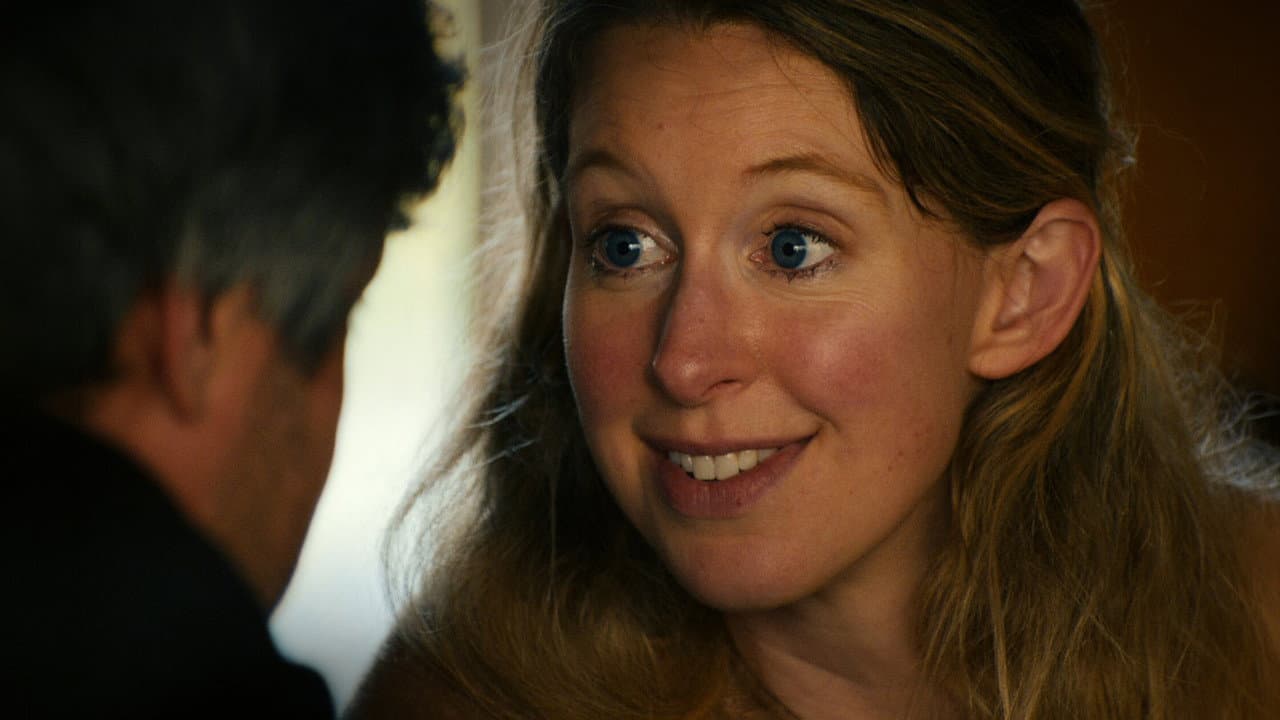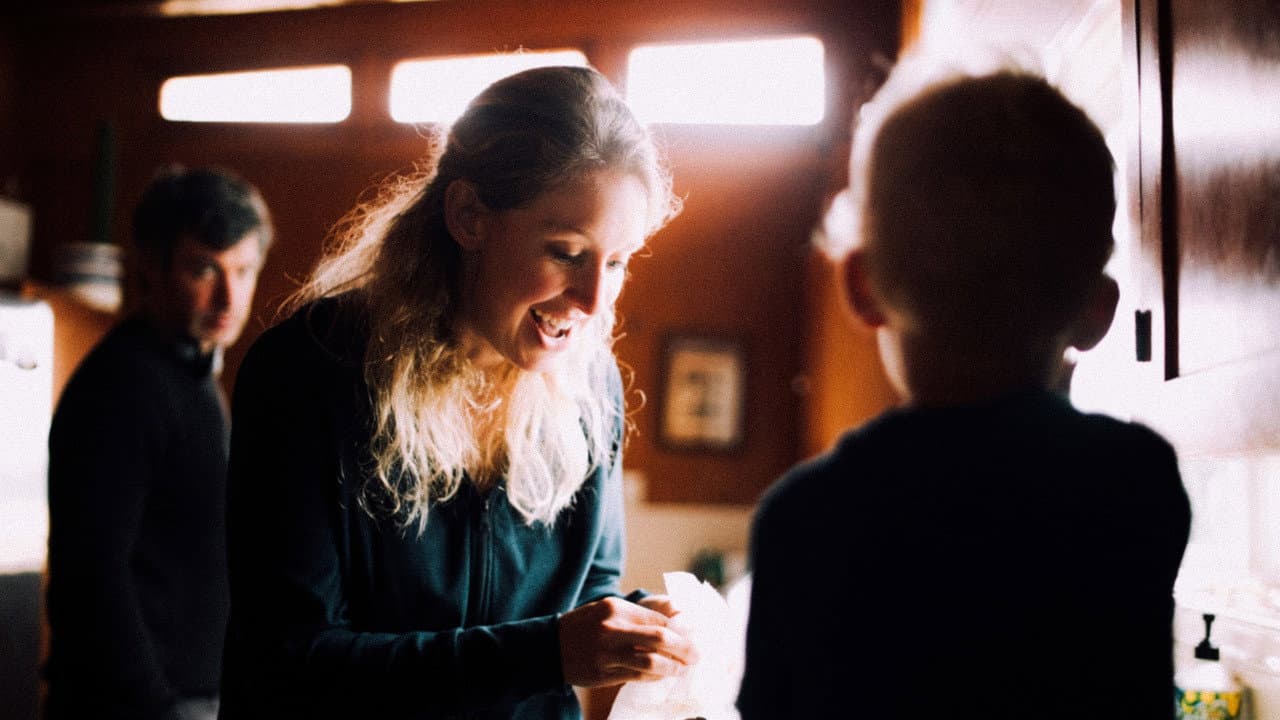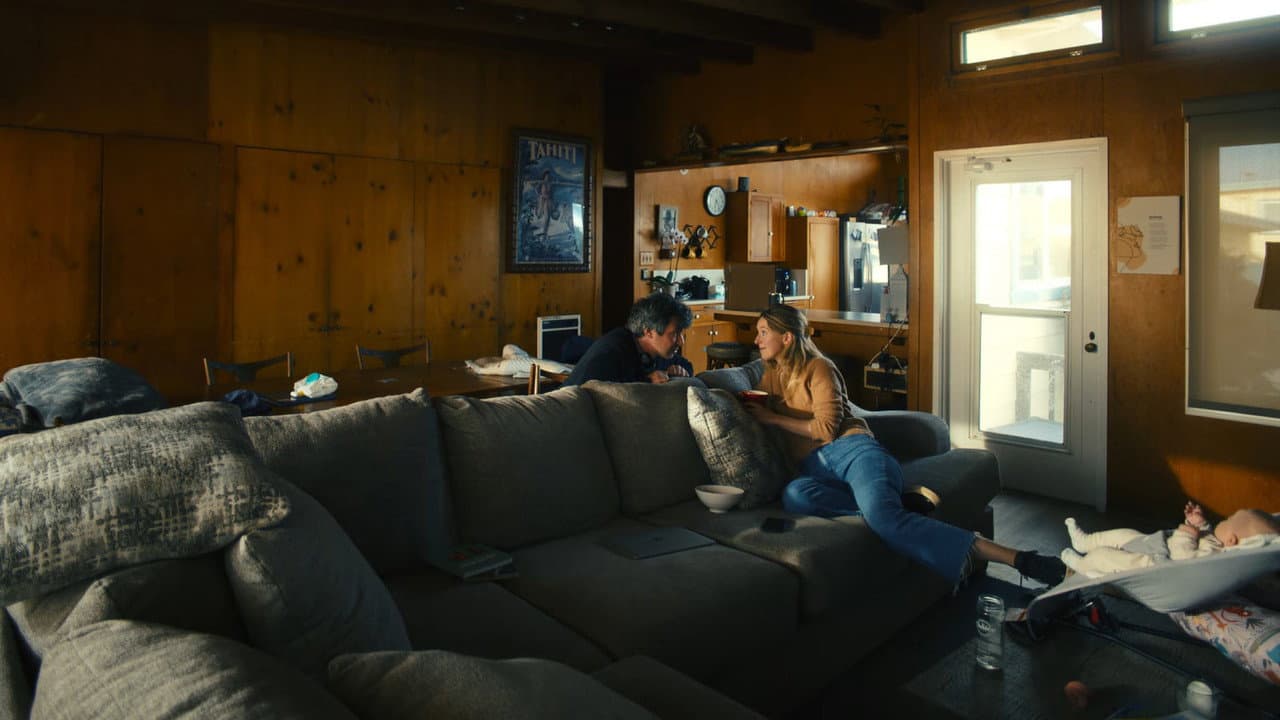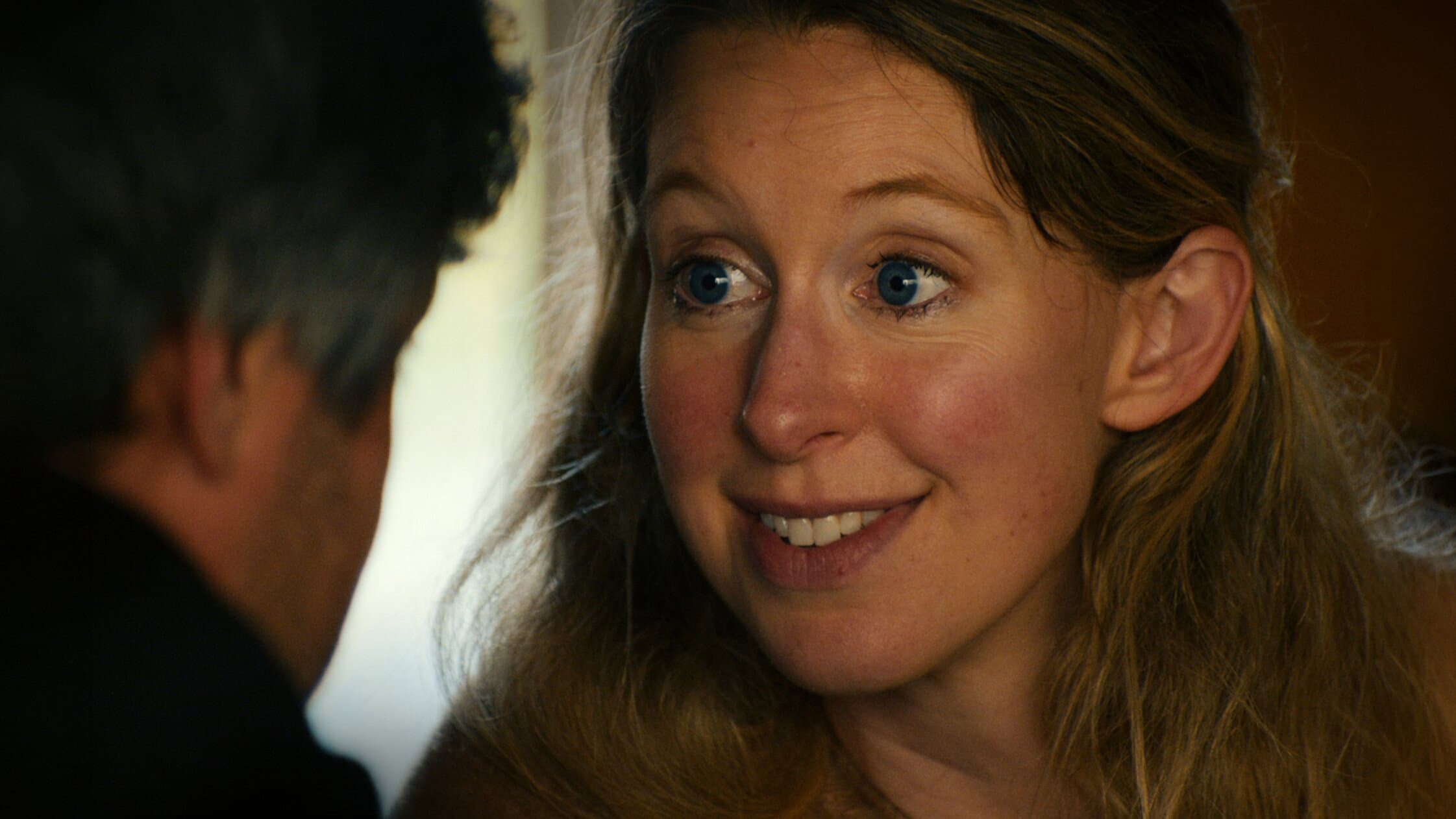
Elizabeth Holmes is speaking out - or at least, that's how the marketing for her upcoming documentary frames it. In a newly released statement tied to the October 16 debut of You Can See Everything, the disgraced Theranos founder claims she spent years being prevented from telling her own story, saying she was "silenced for a long time" before the cameras started rolling. The timing of that remark is not incidental: the film's own synopsis places its opening scenes just thirty-four days before Holmes was scheduled to report to prison.
Directed by Nathan Fielder, You Can See Everything runs a hefty 174 minutes and is classified as a documentary in the English language. That genre label may be doing more work than usual here. According to the official overview, the project began as an attempt at an intimate, verité-style portrait of an enigmatic felon, with Holmes inviting a skeptical crew into her daily life at a moment of maximum vulnerability. What the description calls a "mind-bending three-year journey into the abyss" followed, suggesting the finished product is less a conventional profile and more an escalating experiment in form.
The cast list reinforces how blurry the line between subject and performance is meant to be. Holmes appears as herself. So does Fielder, who doubles as director. Adding another layer, Amanda Seyfried is credited as "Self / Elizabeth Holmes," a dual designation that implies the actress - who previously portrayed Holmes in the scripted limited series The Dropout - appears in some capacity as both herself and as a version of the film's central figure. Billy Evans, listed as Self, is Holmes's partner; Christopher Abbott also appears as himself, along with Lance Oppenheim, the documentarian behind Some Kind of Heaven and Spermworld. Two young children, William Holmes Evans and Invicta Holmes Evans, round out the credited participants.
Whether that ensemble represents a straightforward documentary roster or a deliberately constructed hall of mirrors is a question the production has not answered. Fielder's involvement alone invites scrutiny. The Canadian comedian and filmmaker built his reputation on elaborate, deadpan experiments that push real people into uncomfortable territory, most notably through Nathan for You and the genre-defying series The Rehearsal. Pairing him with Holmes, a figure whose public image was itself a carefully staged performance, has struck observers as either an inspired match or a collision course.
Holmes's "silenced" claim lands in a crowded landscape of post-conviction media. Since her fraud conviction over the blood-testing startup Theranos, she has been the subject of books, podcasts, a stage play, and the aforementioned scripted drama. Yet she has rarely spoken at length on her own terms. The new film's premise hinges on that gap - the notion that a woman whose every public utterance once served a corporate narrative would now allow near-total access at the precise moment that narrative collapsed. Her assertion that she was quieted for years implicitly casts the documentary as a corrective, though it offers no specifics about who or what did the silencing.
You Can See Everything arrives in theaters on October 16, 2026. Its runtime of just under three hours, combined with the inclusion of Seyfried and Fielder in self-referential roles, signals that audiences should not expect a standard-issue true-crime recap. Early metrics offer little guidance: the film currently holds a 0 out of 10 rating on TMDb, a figure that at this stage reflects an absence of scored user reviews rather than a verdict from critics or ticket buyers. No box-office projections have been disclosed.
For Holmes, the release represents one more turn in a public saga that has resisted tidy conclusions. She has been profiled as a cautionary tale, a cultural punchline, and a case study in Silicon Valley hubris. Now she is positioned as a documentary subject who helped shape the film about herself - and who, by her own account, waited a long time to do so. Whether You Can See Everything delivers a reckoning, a rehabilitation attempt, or something stranger will become clear when audiences finally get to see it for themselves.
Source: Hollywood Reporter