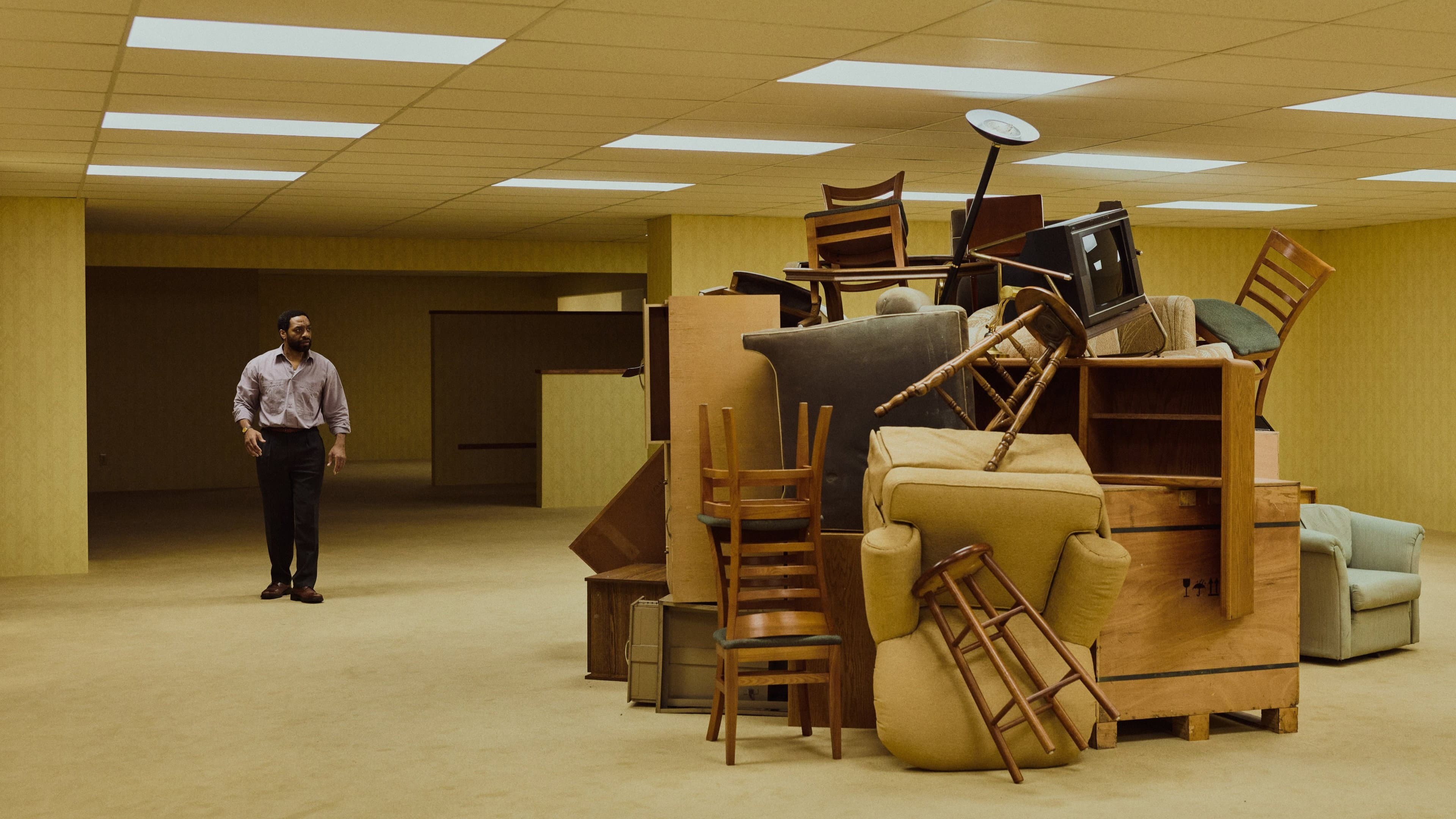
A senior YouTube executive is predicting that the kind of genre-bending, internet-native horror that has recently rattled multiplexes will keep producing both commercial hits and awards contenders, arguing that the lines between viral online culture and traditional Hollywood prestige are eroding faster than many industry veterans realize.
Speaking broadly about the shifting tastes of younger audiences, the executive pointed to the breakout success of "Obsession" and "Backrooms"-style films as evidence that material once dismissed as niche internet fodder can now command mainstream theatrical attention - and, increasingly, serious awards consideration. The remarks reflect a growing conviction inside streaming and platform companies that the next wave of culturally dominant filmmaking will be born online rather than inside the studio system.
A Genre That Refuses to Stay Underground
The films referenced share a common DNA: they draw on creepypasta mythology, liminal-space imagery, and the kind of participatory storytelling that flourishes in comment sections and fan wikis long before a camera ever rolls. What was once the province of amateur web creators has become a viable commercial proposition, with studios and platforms racing to option viral concepts before competitors can.
That pipeline has inverted the traditional development model. Rather than executives selecting a script and then building an audience, filmmakers now arrive with an audience already assembled. The result is a category of film that behaves less like a conventional release and more like a cultural event, with built-in communities primed to show up on opening weekend.
The executive framed this as an opportunity rather than a threat to established Hollywood, suggesting that platform-native filmmakers bring a fluency with visual language - vertical framing, rapid editing, ambient dread - that older studios have struggled to replicate authentically.
Why Awards Voters Are Paying Attention
Perhaps the more provocative element of the prediction is the Oscars angle. Genre film has historically faced an uphill battle with Academy voters, who have tended to favor prestige dramas, historical epics, and character studies. But that calculus has shifted in recent years as younger, more online voting blocs have entered the Academy and as critically acclaimed horror and science fiction have crept into top categories.
The executive's argument is essentially that the stigma is fading. If a film can generate genuine cultural conversation - the kind that dominates social feeds for weeks - awards campaigns become easier to mount, because voters are already aware of the title before the screener arrives. Awareness, not just quality, has always been a quiet currency in awards season, and internet-native films arrive with it in abundance.
That said, the path is not automatic. Academy campaigns remain expensive, and genre films often must overcome voter reluctance to categorize them as serious artistry. The most likely outcome, observers suggest, is a gradual seepage rather than a flood: technical categories first, then screenplays, then - eventually - best picture nominations for the rare crossover title that captures both popular and critical consensus.
The Broader Industry Signal
For Hollywood, the executive's comments carry an implicit warning. If platforms continue to incubate the concepts that later become theatrical phenomena, the traditional studios risk becoming distributors of last resort rather than originators of taste. Some have already responded by establishing internal teams dedicated to scouting online trends and optioning viral properties.
There is also a talent dimension. Filmmakers who build followings on YouTube and similar platforms often retain leverage and audience loyalty that studio-directed newcomers lack. That dynamic could reshape deal-making, giving creators more control over final cut, marketing, and franchise rights than the industry has typically conceded.
Whether the predicted wave materializes as a sustained movement or a passing cycle remains to be seen. But the executive's core claim - that the boundary between internet culture and Oscar-night prestige is now porous - is difficult to dispute. The films that will test that thesis are already in development, and the audience for them is already waiting.
Source: Hollywood Reporter