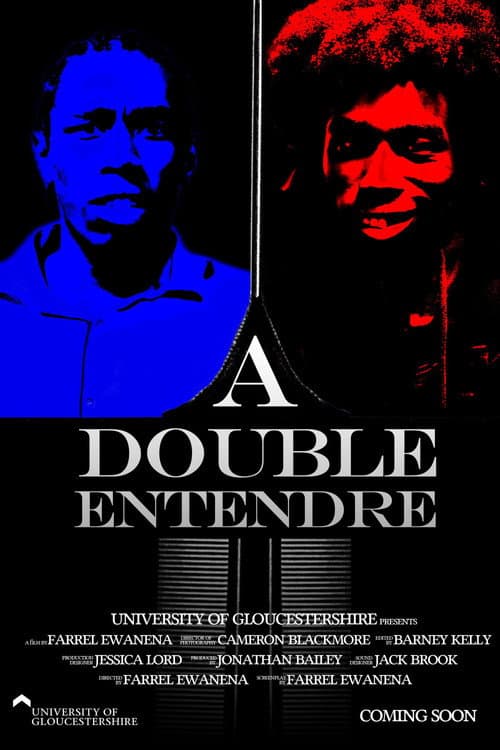
It’s a bleak, sun-bleached morning in the hills above Los Angeles, and Farrel Ewanena is explaining the allure of playing doubles. “There’s a particular loneliness to looking at your own face and knowing it’s not a mirror,” he says, sipping lukewarm coffee from a paper cup. “It’s a threat. It’s a promise.” That tension - the uncanny valley of self versus other - is the engine driving his new thriller, A Double Entendre, a lean, 13-minute gut punch that arrives today, September 8, 2026, with the quiet force of a slammed door. For a film this compact, it carries an outsized amount of narrative baggage: identity theft, inherited grief, and the terrifying proposition of becoming your own executioner.
Release Date & Where to Watch
A Double Entendre officially releases today, September 8, 2026, and while it’s not getting a sweeping theatrical rollout, its distribution strategy is as precise as its runtime. The film will be available exclusively on the premium streaming platform Cinephile Now, where it anchors their new “Short & Sharp” curated slate of thrillers under 20 minutes. For those who prefer the big-screen experience, a limited one-night-only screening will take place this evening at the historic Vista Theatre in Los Angeles, followed by a Q&A with Ewanena and key cast members. Given the film’s micro-budget pedigree and Hollywood industry pedigree (it’s an English-language production out of the American system), the hope is that festival circuit momentum - following a buzzy premiere at a genre fest earlier this summer - will translate into strong word-of-mouth for home viewers. Don’t blink; 13 minutes is barely longer than a sitcom’s cold open, so clear your schedule accordingly.
Cast & Crew
The entire project rests on a singular, audacious gimmick: Farrel Ewanena plays both Dominic, the heir to a sudden fortune, and Andrew, the identical stranger who imprisons him. It’s a dual role that demands physical differentiation without the crutch of prosthetics or heavy makeup tricks. Ewanena, who also directs, achieves the split through posture and vocal cadence - Dominic carries a slouch of inherited guilt, while Andrew moves with a reptilian stillness. It’s genuinely disorienting to watch two versions of the same man argue about the value of a life. Opposite him, Yolande Roberts delivers a quietly devastating turn as Celeste, Dominic’s girlfriend, who exists in the story as both a lifeline and a lever. Her phone calls, heard through a locked door, are small masterclasses in panic restrained by love. Emma Barbara plays the Detective, a role that could have been perfunctory but instead provides the film’s only external moral compass, while Anna Jackson’s News Reporter opens the film with a cold, factual recap of the parents’ deaths - a choice that grounds the high-concept premise in a chillingly mundane reality. The crew, working with a 13-minute constraint, shows remarkable economy; the editing by Sarah K. Lin is particularly ruthless, cutting between the two Ewanenas in ways that feel less like trickery and more like psychological erosion.
Story & What to Expect
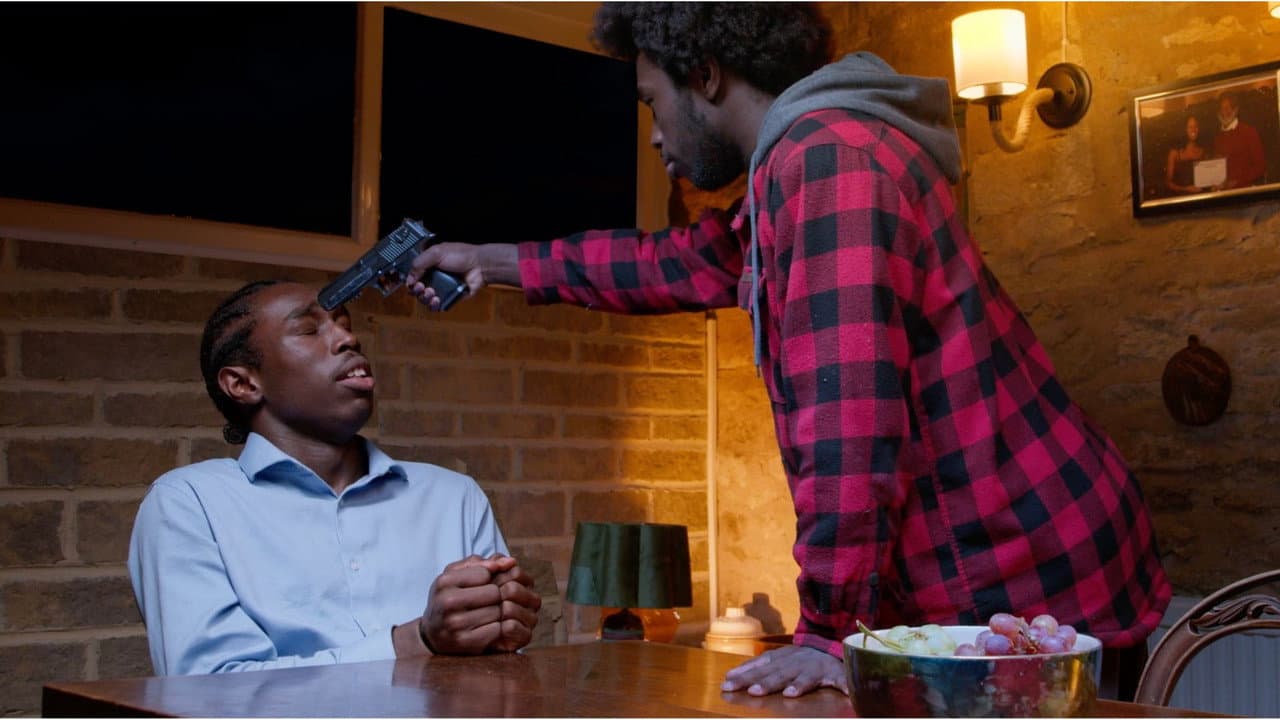
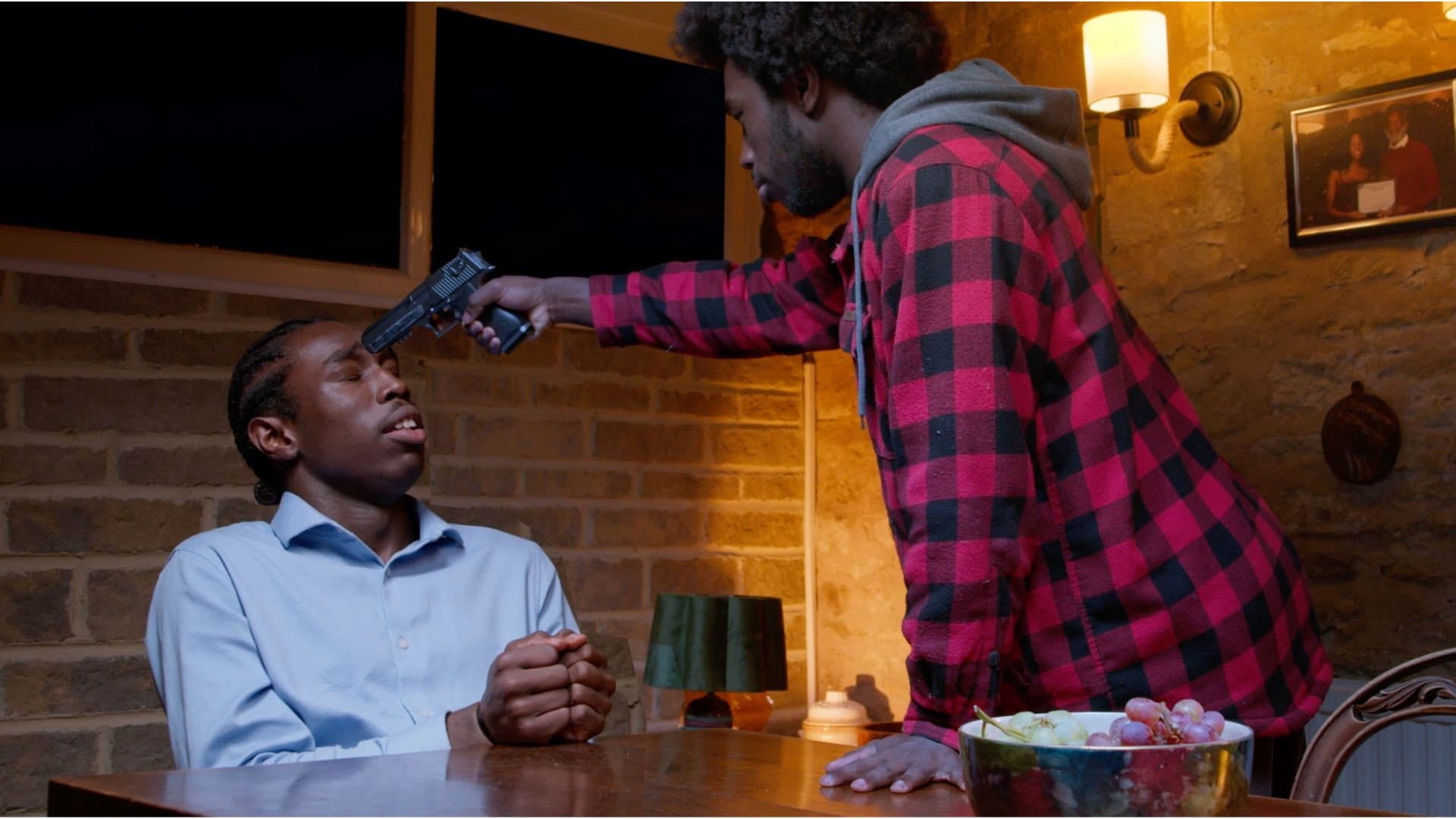
The logline is simple, but the execution is anything but. Dominic, still raw from the sudden deaths of his parents, inherits their sizeable estate. He’s in that fragile state where grief masks itself as inertia. Then, Andrew walks in. Not a burglar, not a mugger, but a man with Dominic’s exact bone structure, his hair, his voice. Andrew has done his homework; he knows the bank accounts, the childhood anecdotes, the way Dominic takes his coffee. The demand is monstrously elegant: Andrew wants Dominic to kill himself, making it look like a suicide, so that Andrew can step into the seamless vacuum of Dominic’s life. The inheritance is the prize, but the deeper horror is the requirement of consent. Andrew doesn’t just want the money; he wants Dominic to willingly participate in his own erasure.
What follows is less a chase sequence and more a claustrophobic duel of wills. The setting is confined - a single, sun-drenched room with barred windows - which amplifies every whisper and threat. Ewanena directs with a patience that feels almost sadistic, letting scenes breathe in silence before snapping into sudden, violent action. There’s no score in the traditional sense; instead, the sound design relies on the hum of a refrigerator, the scrape of a chair, and the ragged breathing of two men trying to outlast one another. The “double entendre” of the title isn’t just a pun on duality; it’s a narrative device. Every line of dialogue carries a double meaning depending on who speaks it. When Dominic says “I don’t want to die,” Andrew replies, “Neither do I” - and both statements are simultaneously true and weaponized. The final minute is a wicked twist on the “twin” trope, one that doesn’t rely on a last-minute reveal but rather on a subtle shift in who is holding the knife. Expect to be unsettled, not just scared. Expect to question whether the person you see in the mirror each morning is the protagonist or the placeholder.
Why It’s Worth Watching
In an era where blockbusters stretch to three hours and streaming series pad stories to eight episodes, A Double Entendre is a defiant argument for brevity as a form of intensity. Thirteen minutes is enough time to miss a bus, but here it’s used to construct a full moral universe and then burn it down. For fans of high-concept psychological thrillers, this is a shot of adrenaline you didn’t know you needed. Ewanena’s direction is confident enough to trust the audience’s intelligence; he never over-explains the mechanics of the twin’s arrival or the plausibility of the plan. Instead, he relies on the sheer terror of the proposition: if someone could replace you perfectly, how hard would you fight to prove you deserve to stay?
Moreover, the film is a showcase for Ewanena’s technical ambition. Performing opposite yourself is a logistical nightmare, but he and his editor pull it off without a single visible seam - the eyelines match, the shadows align, and the physical contact between the two characters feels genuinely dangerous. This is a calling card that announces a filmmaker with something to say about identity, privilege, and the transactional nature of survival. Its TMDb rating currently sits at a blank 0/10, which is less a critique and more a blank canvas - an invitation for early viewers to set the tone. Whether you’re a cinephile who loves a tight script or a casual viewer who wants to see a familiar thrill in a fresh package, A Double Entendre is worth the quarter of an hour you’ll never get back. You’ll just be glad you spent it in that locked room with two versions of the same bad dream.