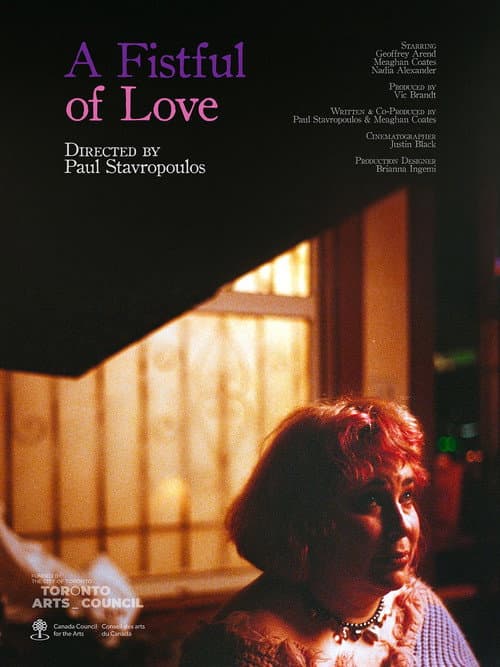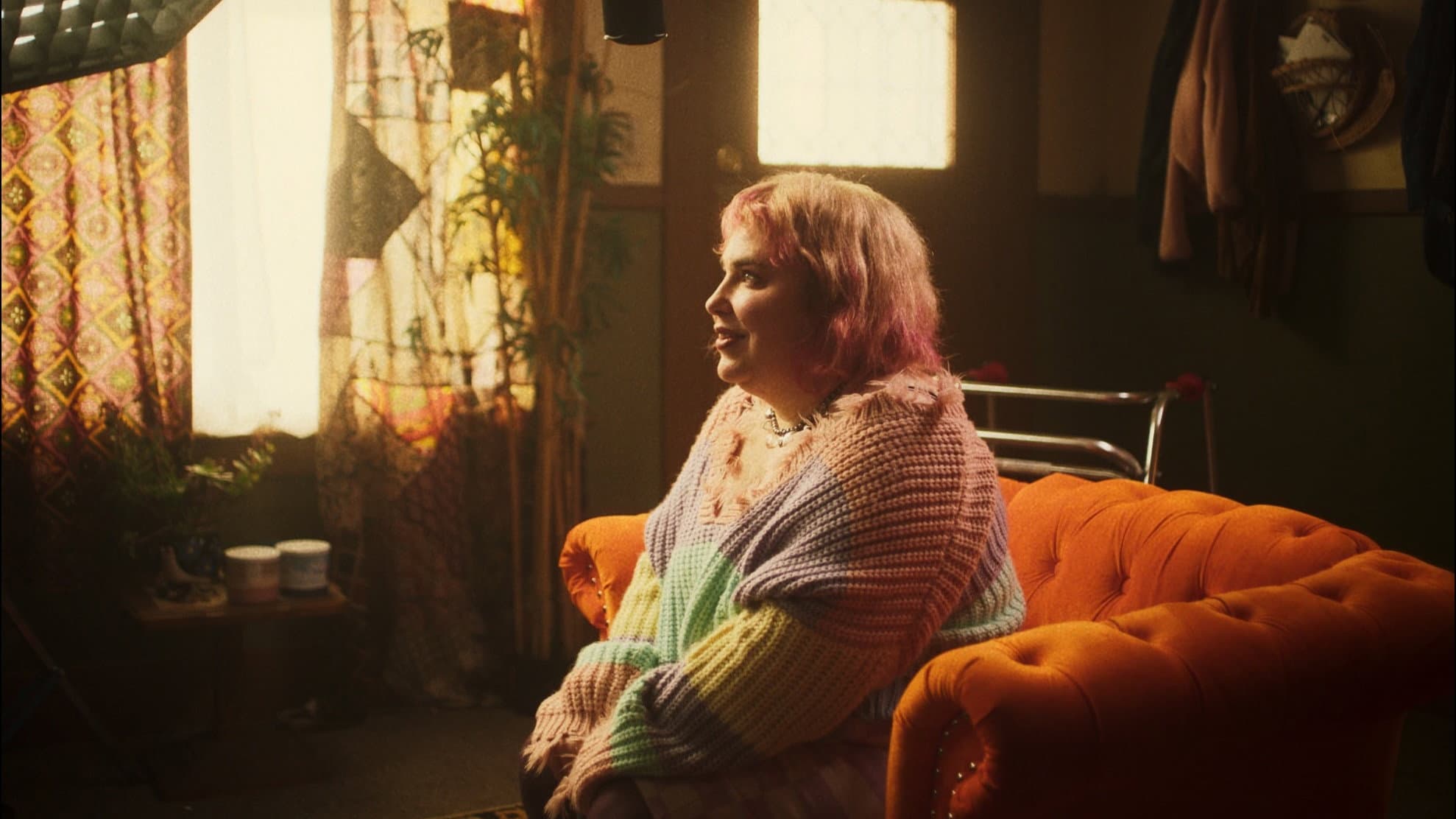
The documentary was supposed to capture authenticity. Instead, it’s capturing a crisis of conscience. Arriving in theaters and on streaming platforms today, Friday, August 22, 2026, A Fistful of Love is not the feel-good indie drama its title might suggest. It’s a tight, 19-minute knockout that burrows under the skin, a compact character study about the murky ethics of storytelling, the seduction of a good shot, and the quiet violence we do to others in the pursuit of a "truthful" narrative.
Despite its lean runtime, this is a film built for maximum friction. It doesn’t have a blockbuster’s length, but it packs the wallop of a feature-length moral thriller. For those who crave their cinema with a side of unease and a spoonful of bitter irony, this is the release to catch this weekend.
Release Date & Where to Watch
Today, August 22, 2026, marks the official release of A Fistful of Love. This isn't a wide, multi-plex saturation release; instead, the film is premiering in a curated selection of art-house theaters and indie cinemas across major metropolitan areas, with a simultaneous digital release on premium video-on-demand platforms like Apple TV, Amazon Prime Video, and Vudu. Given its short runtime, it is also ideally suited for film festival circuit screenings, though the producers have opted to bring it directly to audiences today rather than delay the rollout. Check your local arthouse calendar or your favorite streaming service’s "New Releases" row - this one is designed to spark conversation, and the intimate viewing options are a perfect match for its claustrophobic energy.
Cast & Crew
The creative engine behind this moral quandary is director Paul Stavropoulos, a filmmaker known for a rigorous, observational style that leaves his audience feeling like they’ve intruded on something private. He’s assembled a small but wildly capable ensemble to bring this story to life. Leading the charge is Geoffrey Arend as David, the filmmaker at the center of the storm. Arend, who has proven his range from comedic highs to dramatic gravity in projects like (500) Days of Summer and Superstore, trades in his affable charm for a more ambiguous, gnawing intensity here. He portrays David not as a villain, but as a man convinced of his own righteousness, which makes his actions all the more troubling.
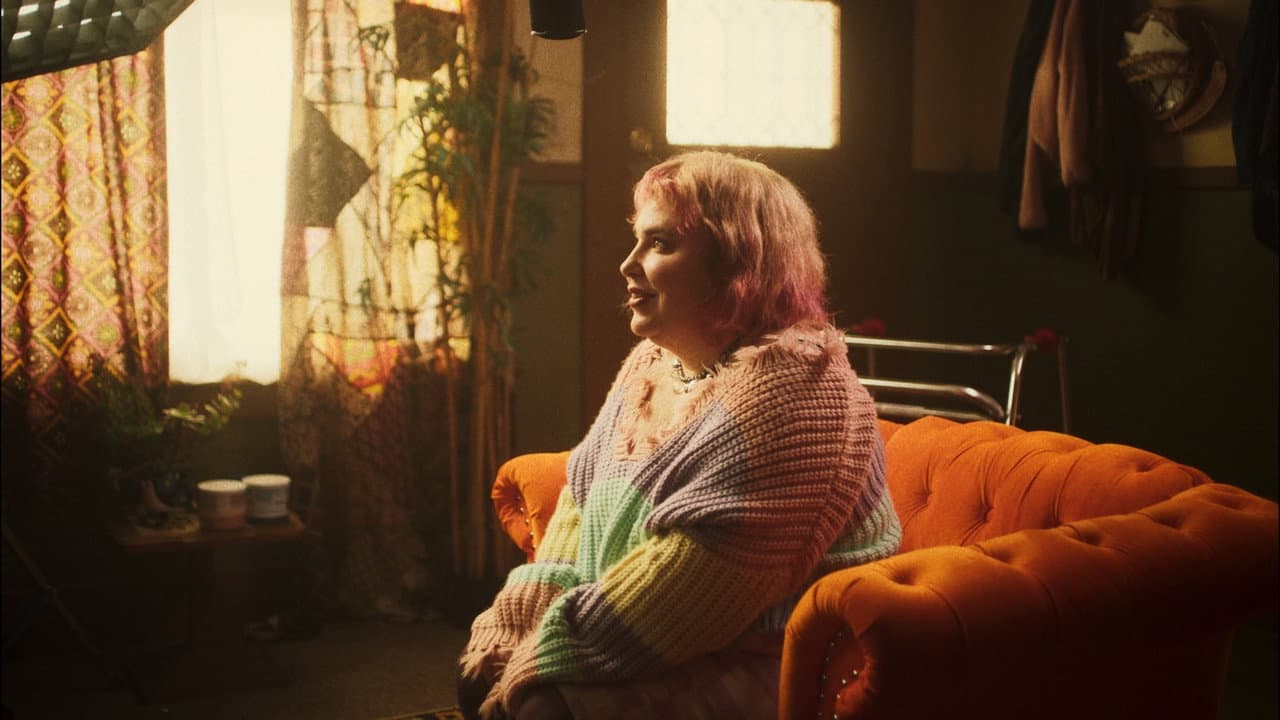
He’s matched beat-for-beat by Meaghan Ryan Coates as Mia, the documentary’s subject. Coates delivers a performance of layered vulnerability and quiet strength, never letting Mia become a simple victim. The script gives her agency, and Coates grabs it with both hands. Nadia Alexander plays Greta, the intern whose suspicions ignite the plot. Alexander, a rising star with a knack for playing perceptive outsiders, turns Greta into the film’s conscience - but a conscience that is messy, uncertain, and riddled with its own doubts. Rounding out the core four is Greg Karpinski as the Cameraman, a silent observer whose presence is a constant reminder of the lens mediating every interaction. That the cameraman is never given a name, credited simply as "Cameraman," is a clever choice, underscoring his role as an instrument of David’s vision rather than a fully realized participant.
Story & What to Expect
The plot is deceptively simple. David is a documentary director deep into production on a film about disability, his subject the luminous and articulate Mia. The set is small, intimate, and fraught with the usual tension of non-fiction filmmaking: the quest for the "real" moment, the manipulation of light and space, the delicate dance of trust between director and subject. Enter Greta, the bright-eyed intern whose job is to log footage and fetch coffee. The more footage she watches, the more she notices a pattern. She begins to suspect that David isn't just documenting Mia's life - he's actively directing it. Prodding her, pushing her toward emotional outbursts, steering the narrative toward a pre-conceived tragedy. He’s not capturing reality on tape; he’s manufacturing it.
What follows is a slow-burn psychological thriller that never leaves the workspace. The tension isn't built on car chases or explosions, but on loaded glances, pregnant pauses, and the subtly escalating power struggle between a director who controls the story and an intern who is starting to see the cracks in the facade. The film asks a profoundly uncomfortable question: when a documentary subject is vulnerable, how much of their story belongs to them? And at what point does "access" become exploitation?
Expect a masterclass in pacing. The 19-minute runtime is deceptive; the script, co-written by Stavropoulos, is so economical that it feels like a much larger story is compressed into a pressure cooker. There is very little music, relying instead on the ambient hum of the location and the raw sound of human voices. The camera work is deliberately shaky and voyeuristic, placing the audience in Greta’s position, watching the action through doorways and over shoulders, creating a palpable sense of dread. You are not a passive viewer; you are an accomplice to the watching.
Why It's Worth Watching
In a cinematic landscape dominated by three-hour superhero epics, A Fistful of Love is a bracing shot of espresso: short, bitter, and intensely potent. Its value lies in its refusal to provide easy answers. Arend’s David is not a cartoonish monster; he’s a convincingly passionate artist who believes his methods are justified by the end goal. Alexander’s Greta is not a flawless hero; she’s messy, unsure of her own judgment, and compromised by the power structure she finds herself in. This is the film’s great strength - it refuses to absolve anyone, including the audience.
It is a provocative conversation starter, perfect for post-screening discussions. The film challenges us to examine our own media consumption. How many "true stories" we watch are, in fact, carefully choreographed fictions? A Fistful of Love is not about a documentary filmmaker abusing his subject; it’s about the inherent corruption at the heart of the storytelling impulse when one person holds the camera and another sits in front of it. For its unflinching look at the ethics of representation, carried by four razor-sharp performances and directed with unnerving restraint, this is a must-see. It’s a film that leaves only one question echoing after the credits roll: who is really being exploited? And the answer, as this film brilliantly suggests, is all of us.