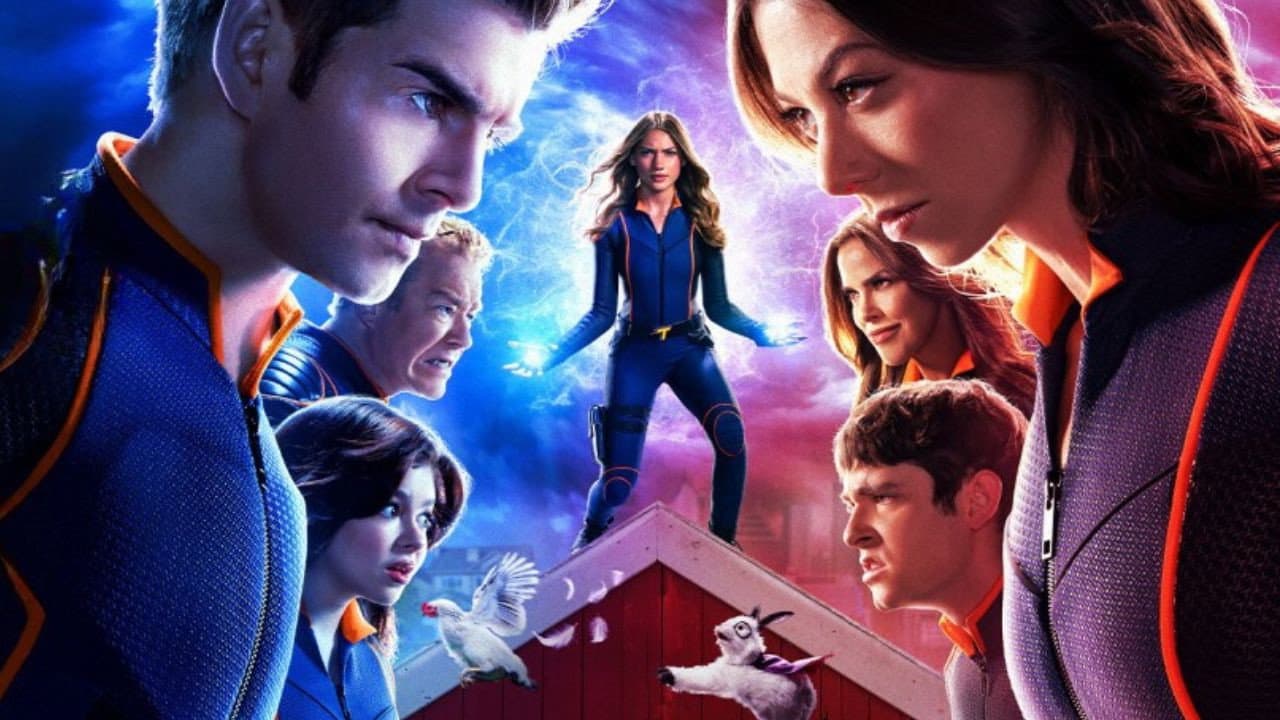
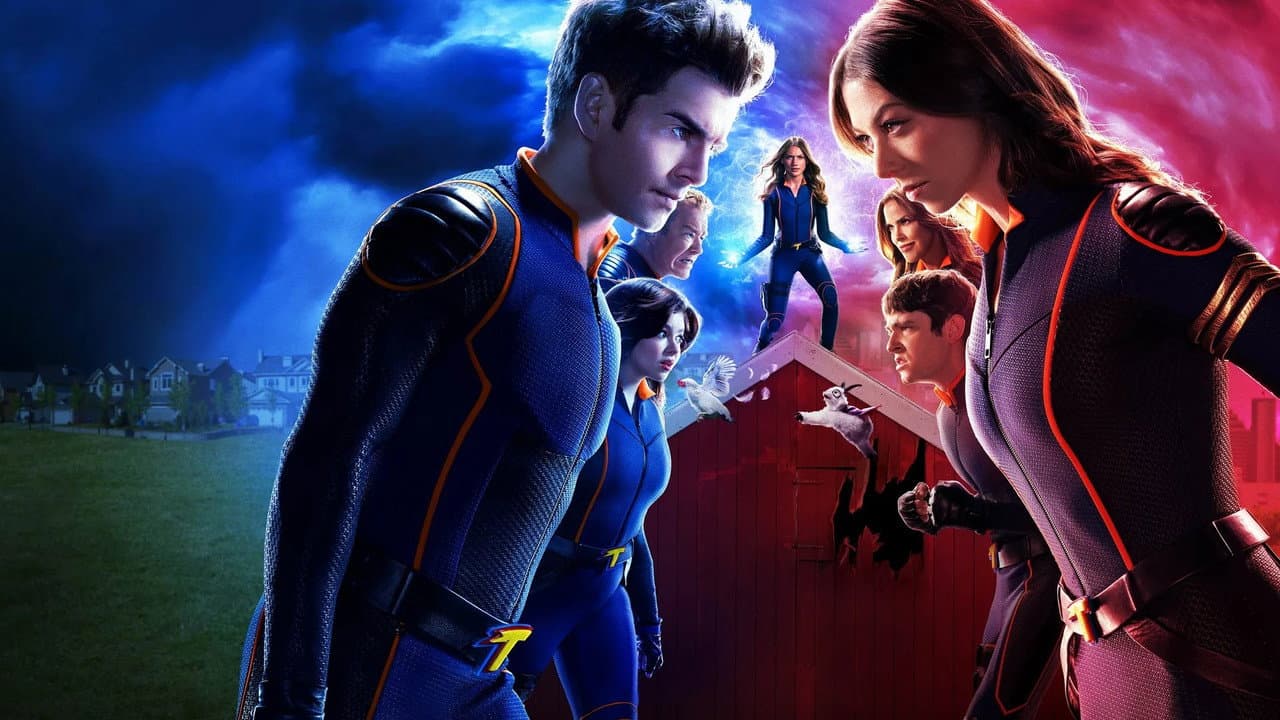
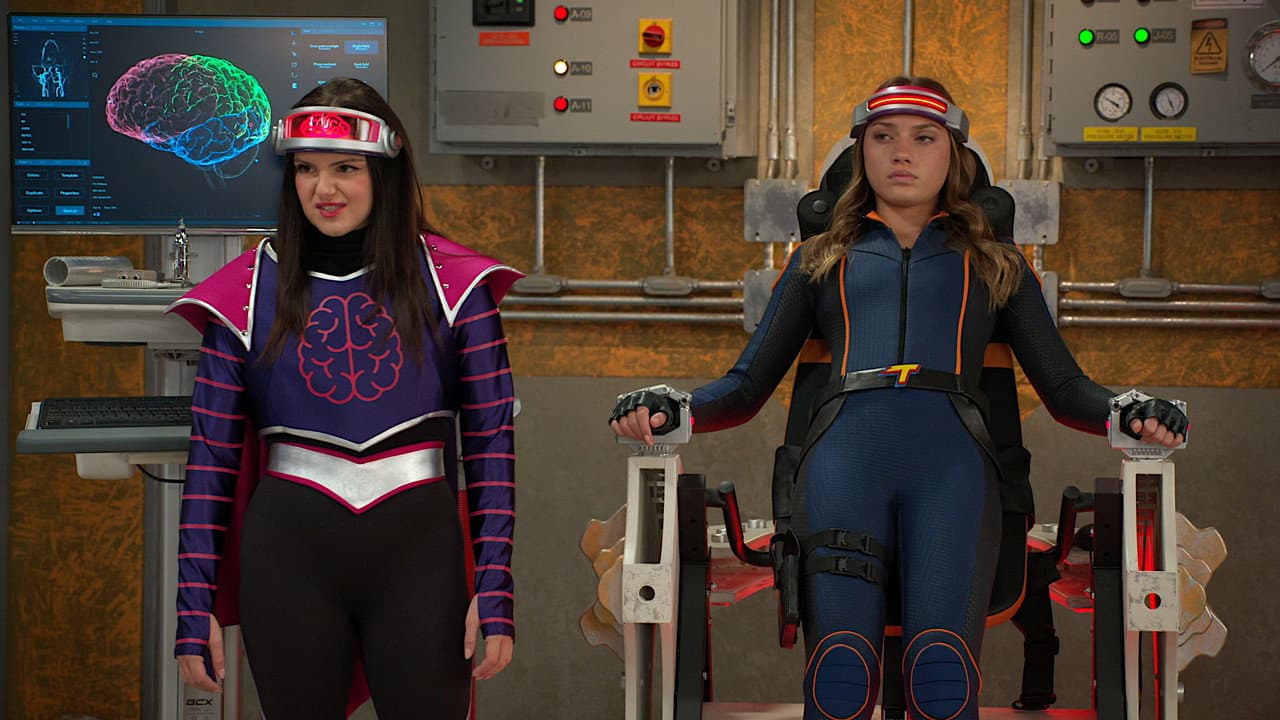
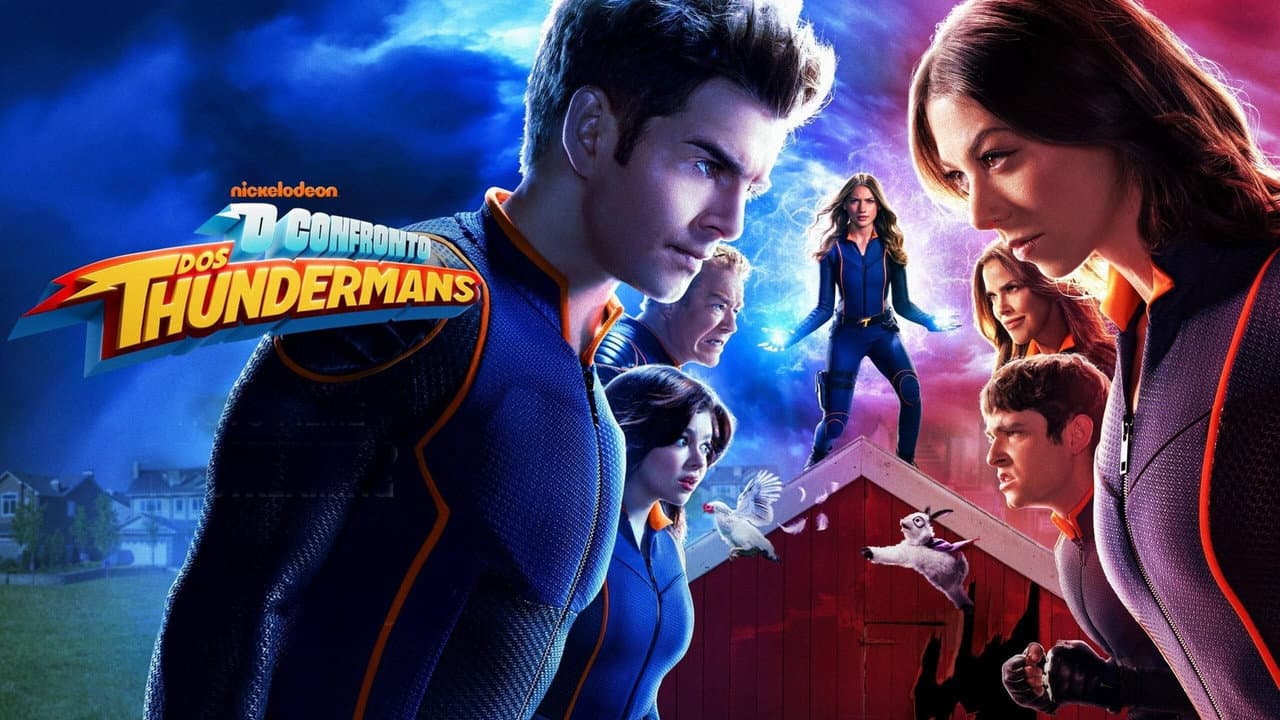
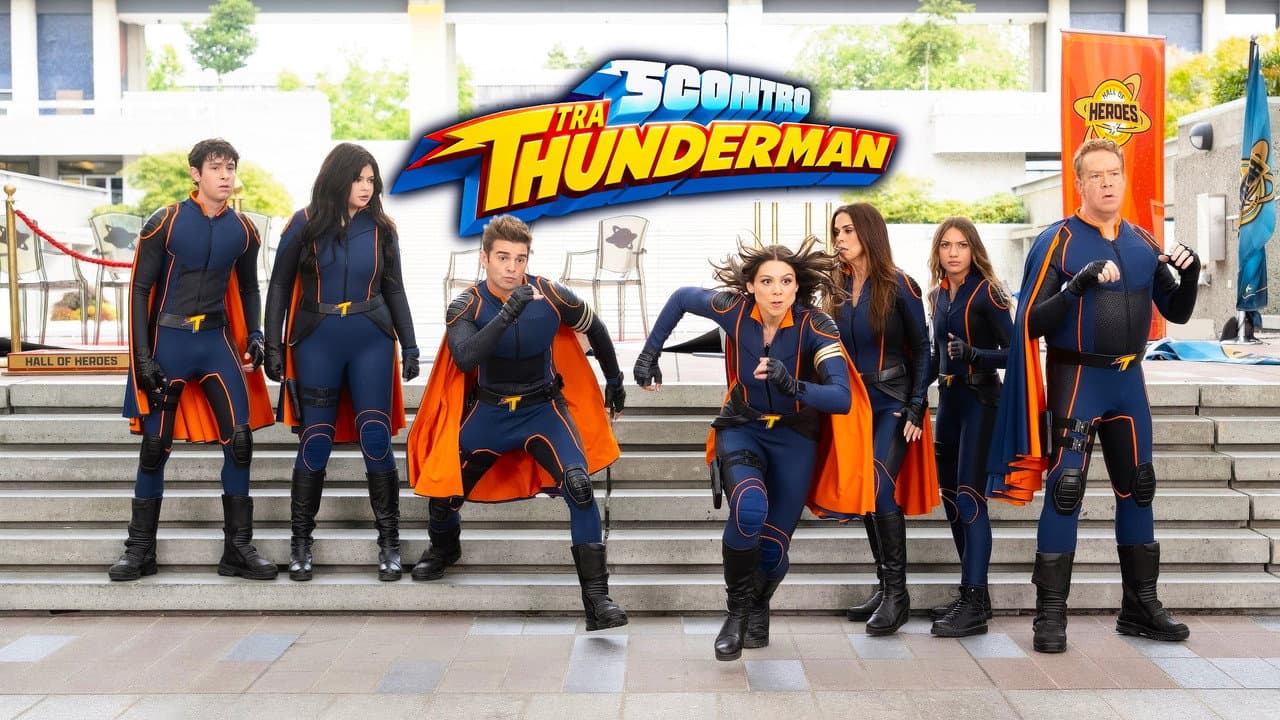
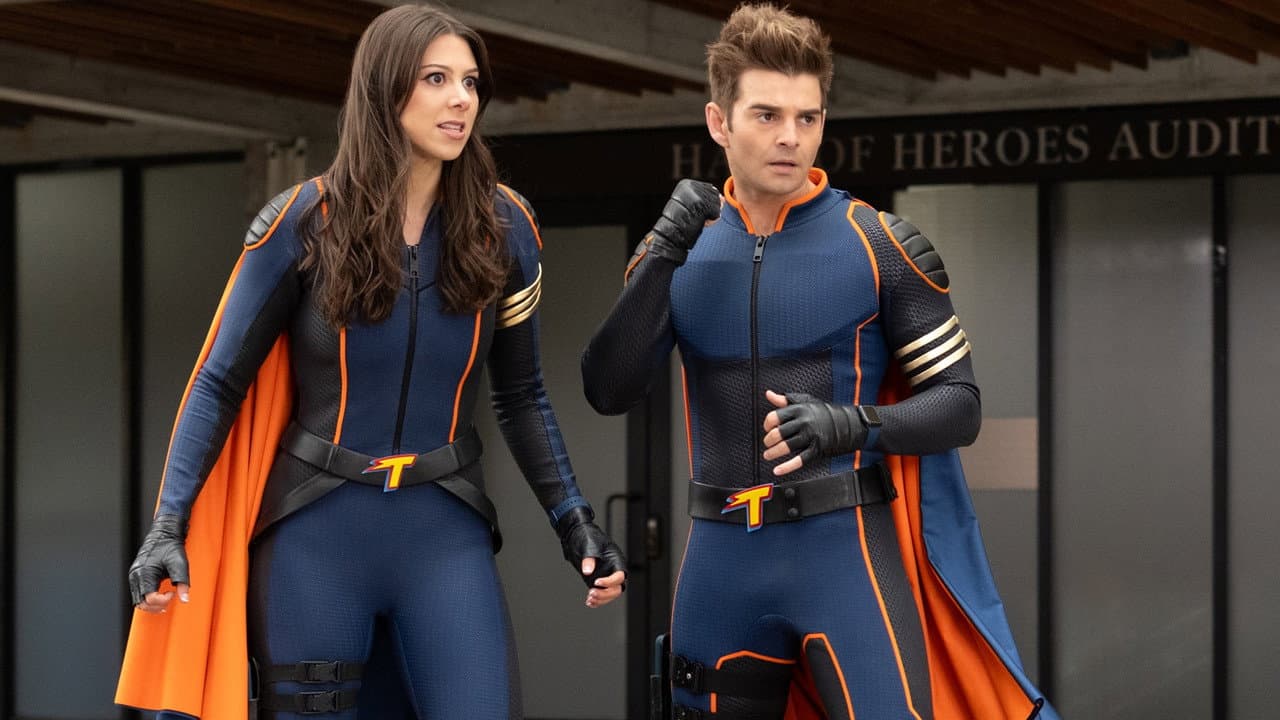
Let’s address the elephant in the room: the cast’s massive age gap with their characters. Kosarin and Griffo, now in their late twenties and early thirties, are still playing high-school-adjacent heroes, and the suspension of disbelief is thinner than Billy’s IQ. Yet, there’s an undeniable comfort in seeing these actors slip back into their roles. Kosarin carries the dramatic weight with the weary professionalism of a sitcom veteran, while Griffo chews scenery with a snarky bravado that almost saves the film’s second act. Their scenes together, a contentious phone call that devolves into a shouting match, crackle with the energy the rest of the movie lacks.
Director Kirschner seems torn between making a poignant film about family separation and a goofy action-comedy. The film’s best moments are the quiet ones: a scene where Barb explains to Chloe that being terrified of yourself is part of growing up, or Hank sitting alone staring at a family photo, his usual buffoonery momentarily replaced by a father’s raw worry. These beats work because the actors commit fully, selling the script’s sudden emotional pivots with a sincerity that feels earned.
Unfortunately, the comedy is often stale. The physical gags are over-explained, with jokes lingering on screen long after they’ve stopped being funny. Villains are cartoonishly inept, and the action sequences are... cheap. The superpowered battles look less like a clash of titans and more like a mid-2000s video game cutscene, with blurry energy blasts and floaty wire-fu choreography. The film gets a pass on the "TV Movie" aesthetic, but there’s a difference between scrappy charm and lazy execution.
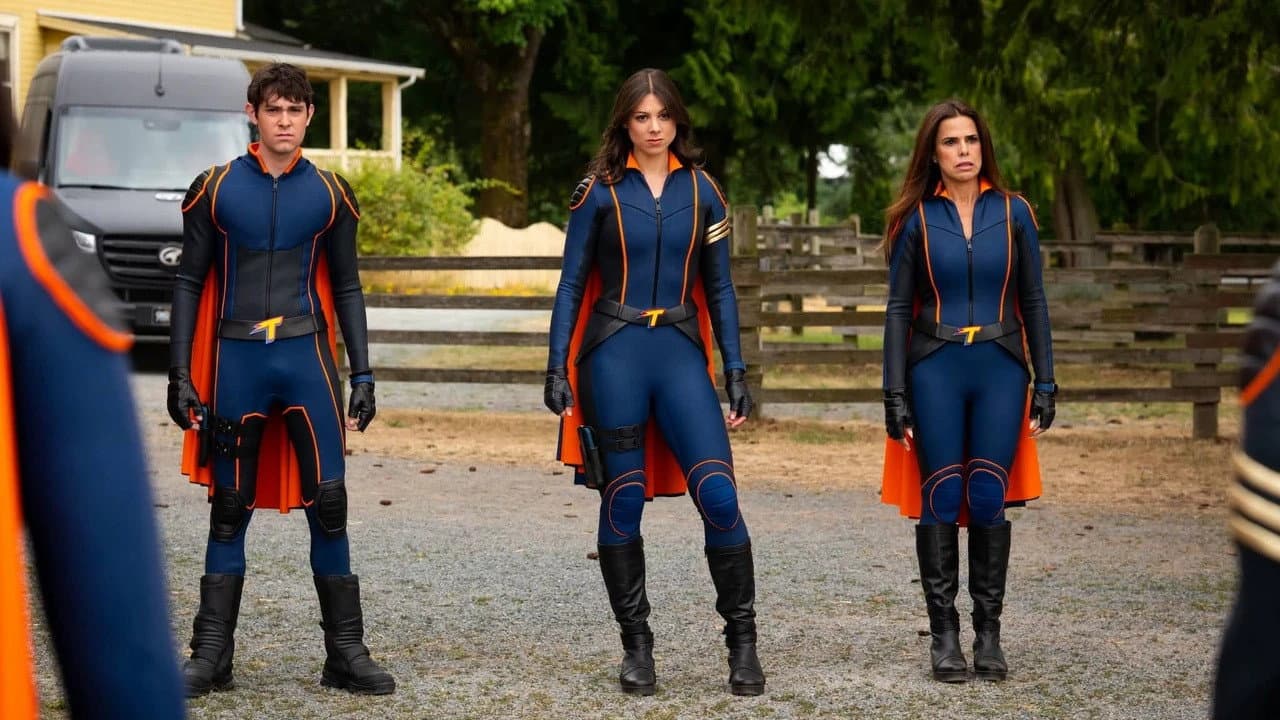
The movie’s real problem is structure. The "rogue family vs. loyalists" premise teases a high-consequence conflict, but the script constantly undermines it. Every time the stakes threaten to get real, the characters break for a silly montage or a quippy one-liner. The "battle for the family's future" boils down to a few tussles in a forest clearing and a lot of shouting. It’s a shame, because the emotional core - the fear of a parent sending a child away, the guilt of a superpowered sibling - is genuinely compelling. The film just doesn’t trust its audience enough to sit with those feelings for more than a minute without defusing the tension.