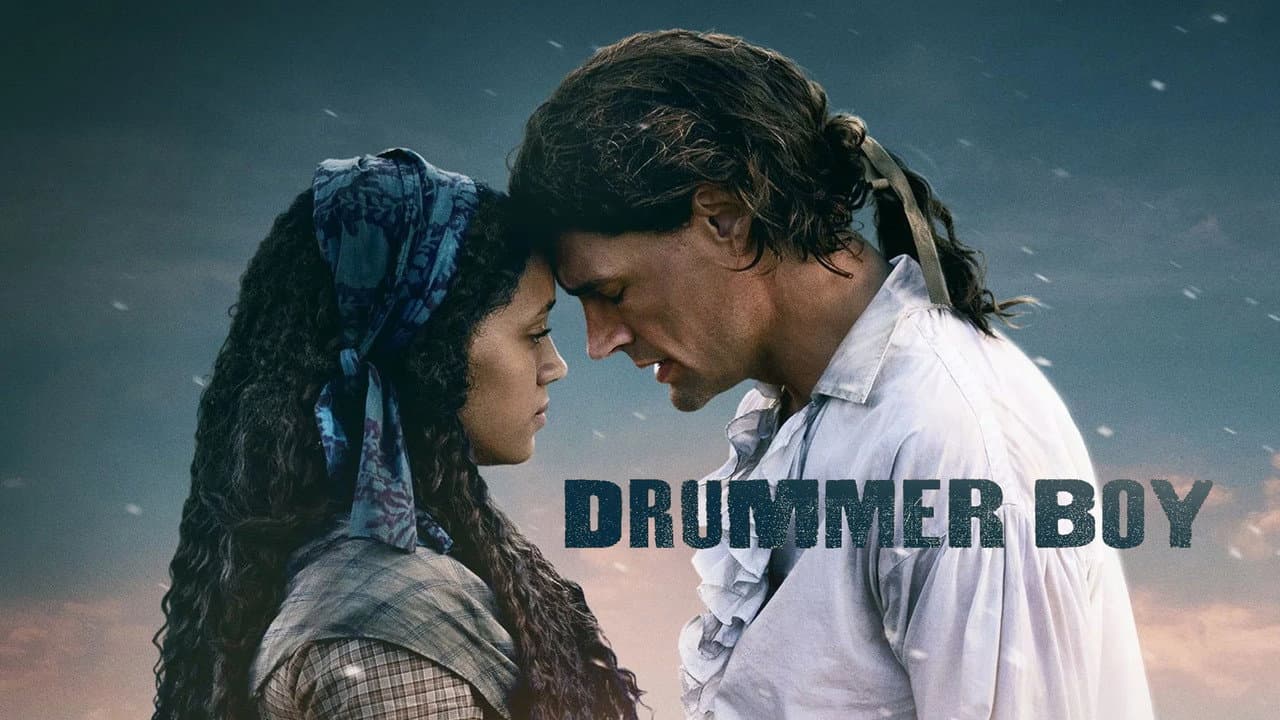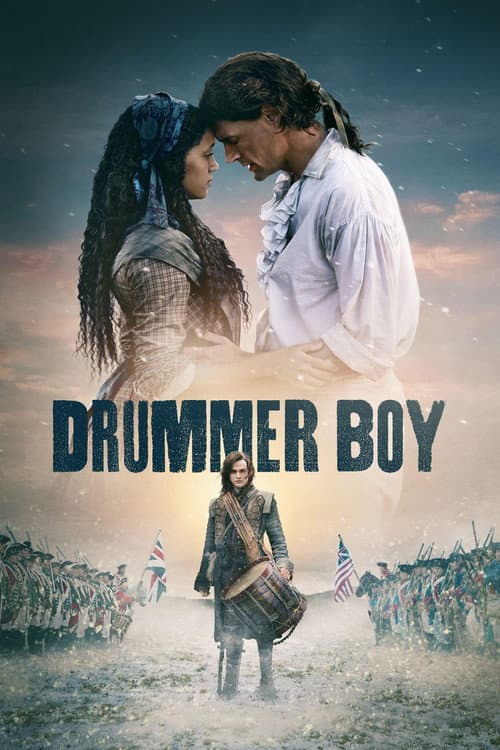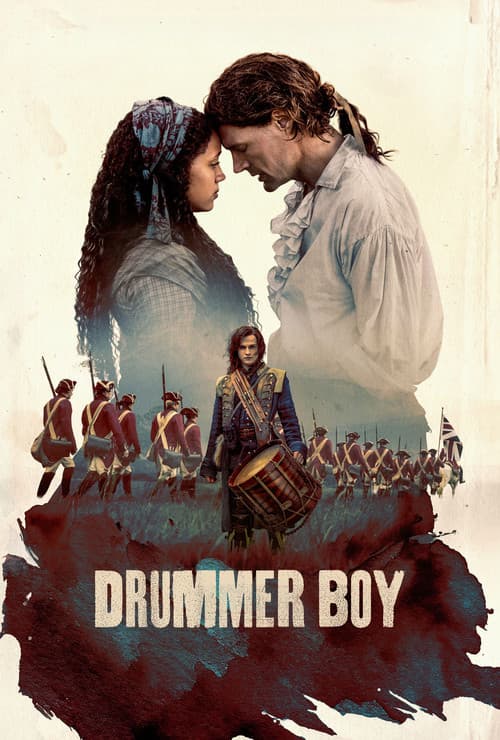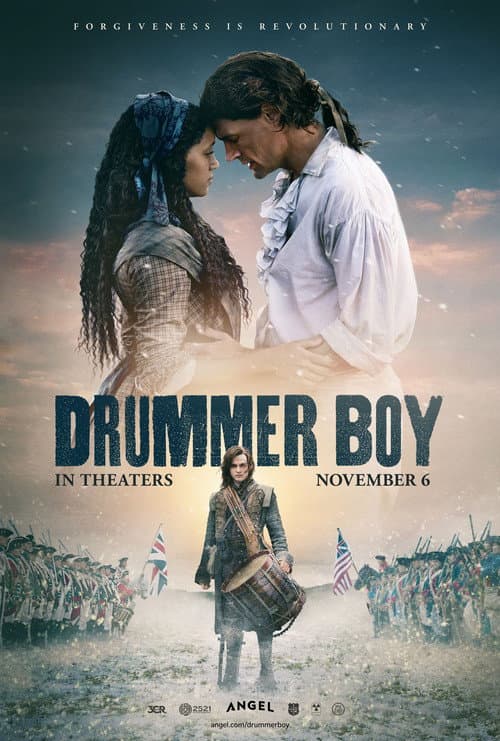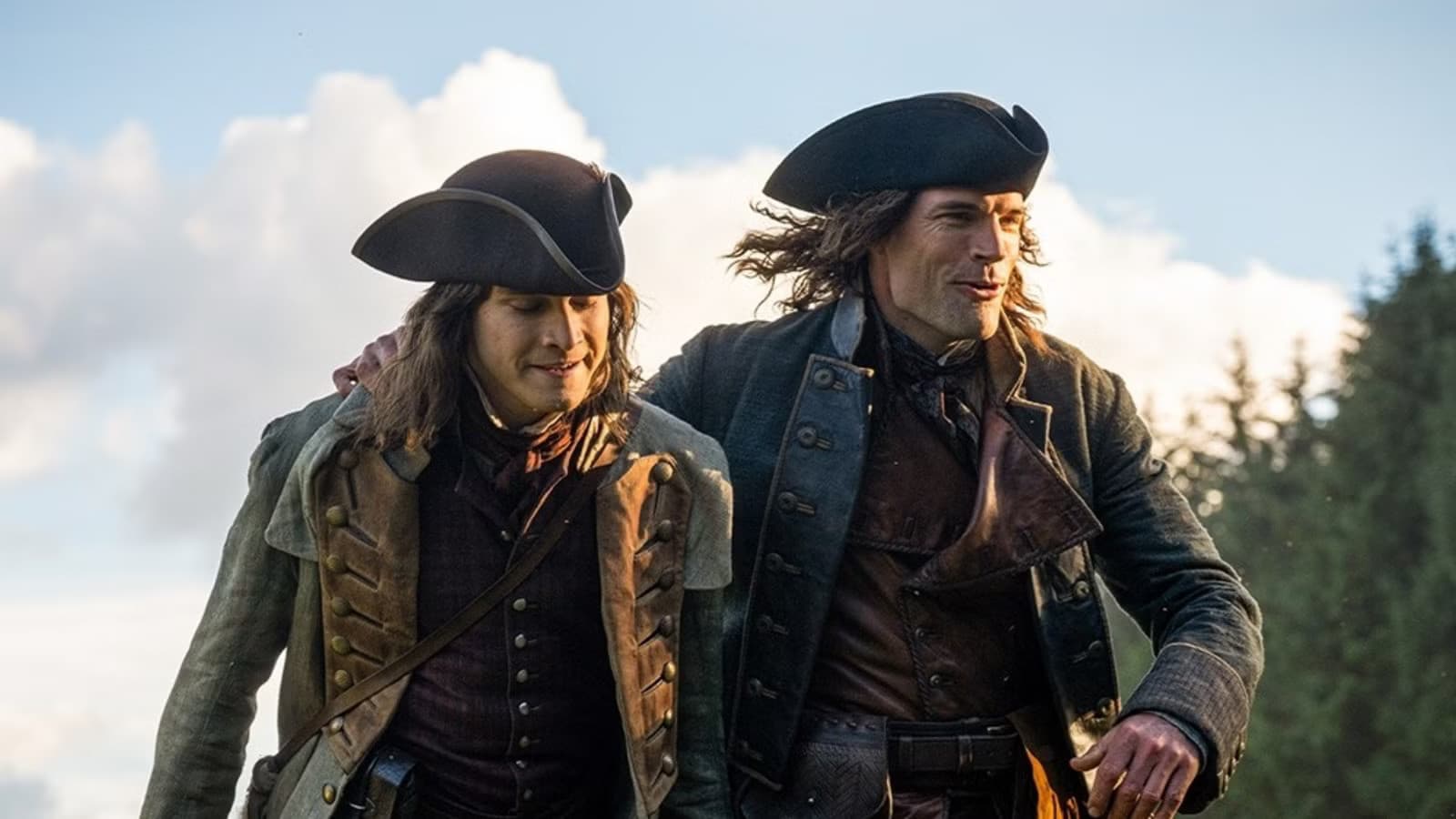
The setting is the American Revolution, and the film opens as the fight for independence is just finding its rhythm. Jeremiah Clem (Joel Smallbone) is the titular boy - young, devout, and carrying a drum that functions as both instrument and compass. Around him swirl three forces that the screenplay braids together: an enslaved woman, Emmaline (India Brown), searching for a freedom the Revolution keeps promising and postponing; and the Balfour household, split down the middle. Lady Elizabeth Balfour (Beth Easdown) and Lord Balfour (Charles Esten) sit on opposite sides of a conflict that runs through their own marriage, while Major John Ambrose (Iain Glen) applies the weight of military authority to everyone in his orbit.
If that sounds like a lot of threads for one film, it is. Ben Smallbone and his collaborators are clearly reaching for an ensemble portrait in which the war is less a backdrop than a pressure system, forcing every character to decide what they actually believe. The drum becomes the film’s connective tissue: it signals, it mourns, it calls people home. There’s a genuinely lovely idea here about music as a kind of shared language that outlasts rank, allegiance, and even grief.
What the story struggles with is momentum. The middle stretch sags under the weight of its own seriousness, and several characters announce their moral positions rather than earning them. But the final act, which leans hard into loss and forgiveness, lands with more force than the rest of the film has prepared you for - a reminder of what this material could have been at every turn.