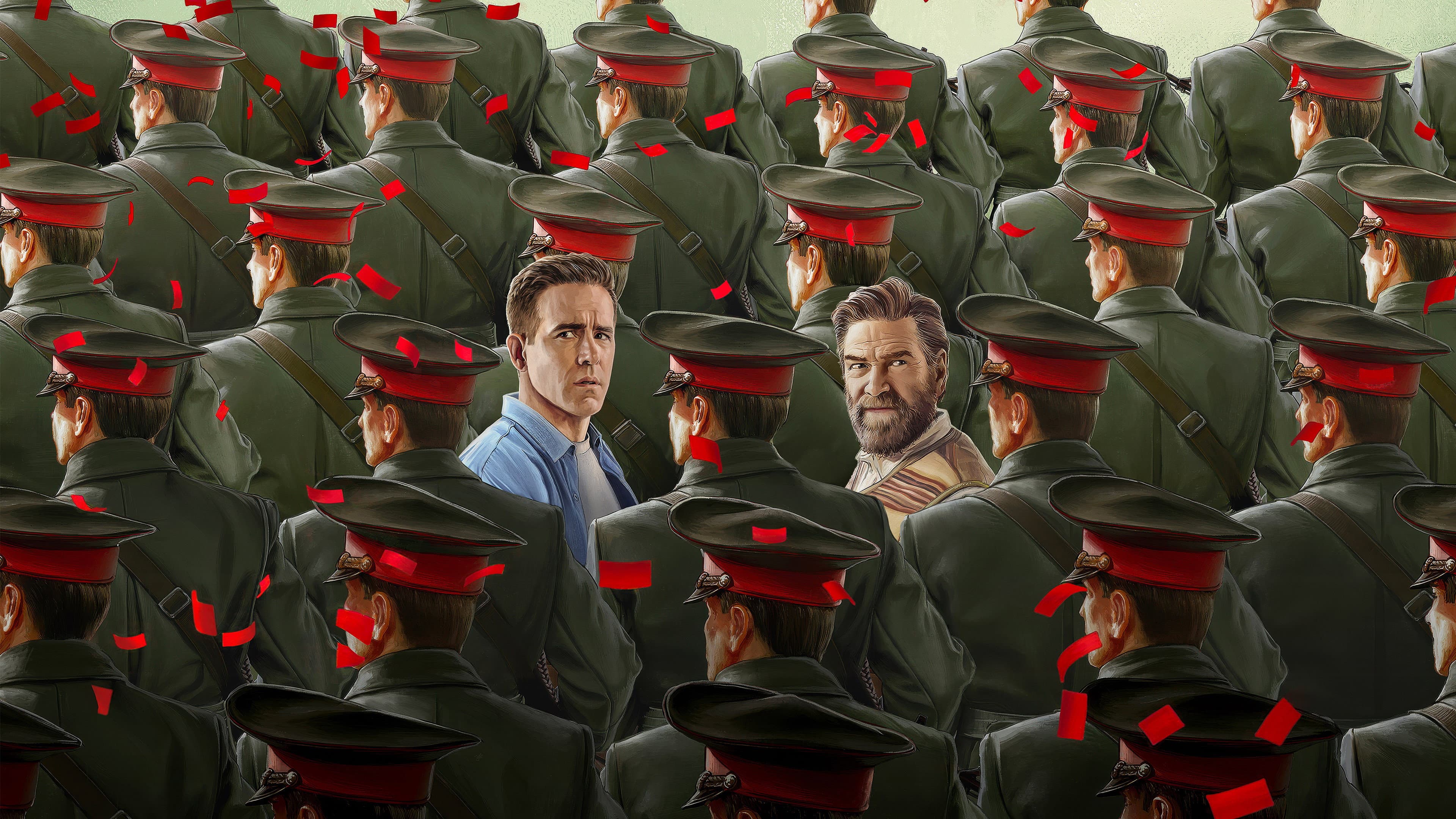
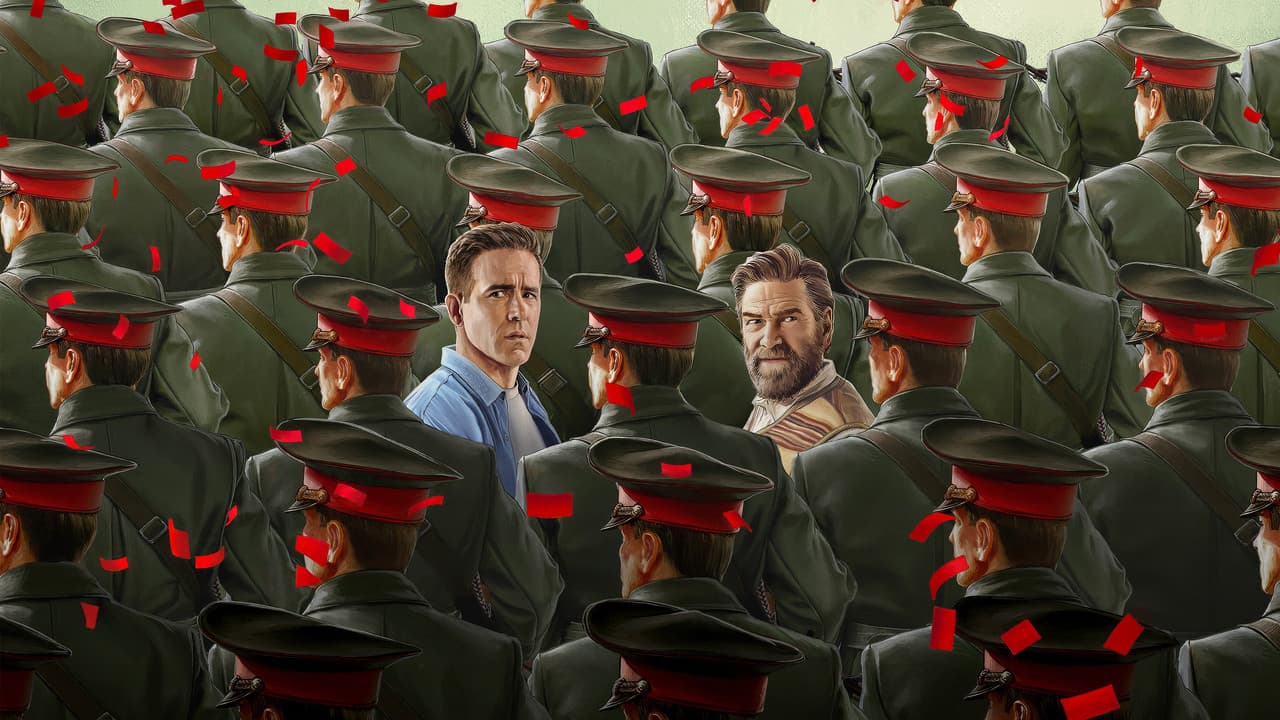
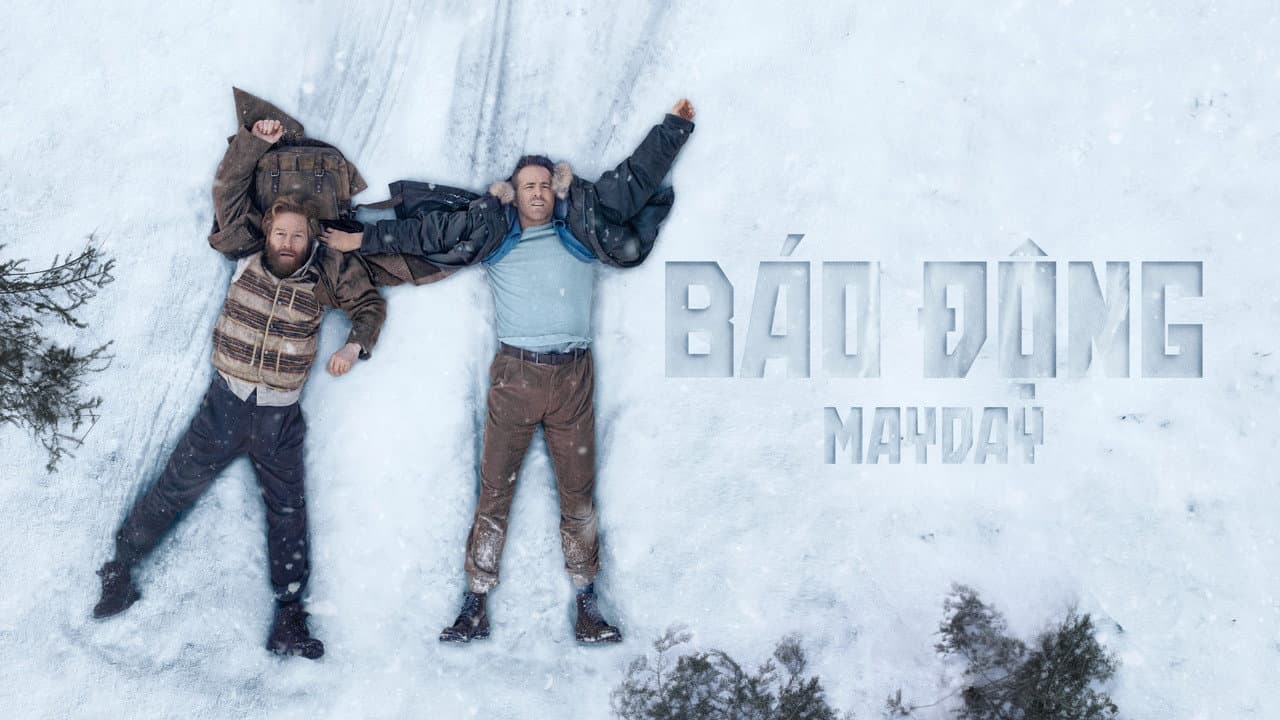
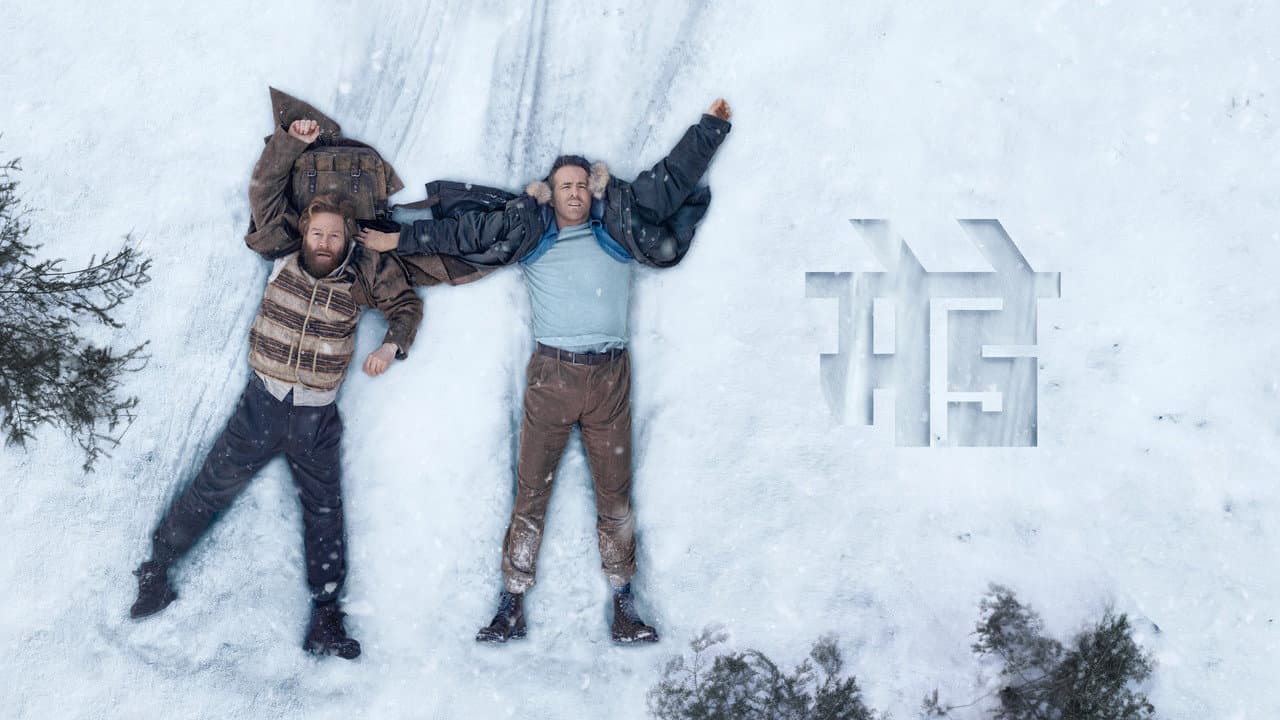
Goldstein, who previously helmed the glossy Game Night, understands the assignment. He shoots the action with clarity and a sense of gravity that is immediately undercut by a one-liner. The opening sequence is slick and tense, establishing stakes that the film then casually disregard in favor of comedic repartee. The tonal whiplash is real, but it almost becomes a stylistic signature. One minute you’re watching a brutal fistfight in a munitions factory; the next, Branagh is explaining the intricacies of Russian nesting dolls as a metaphor for betrayal.
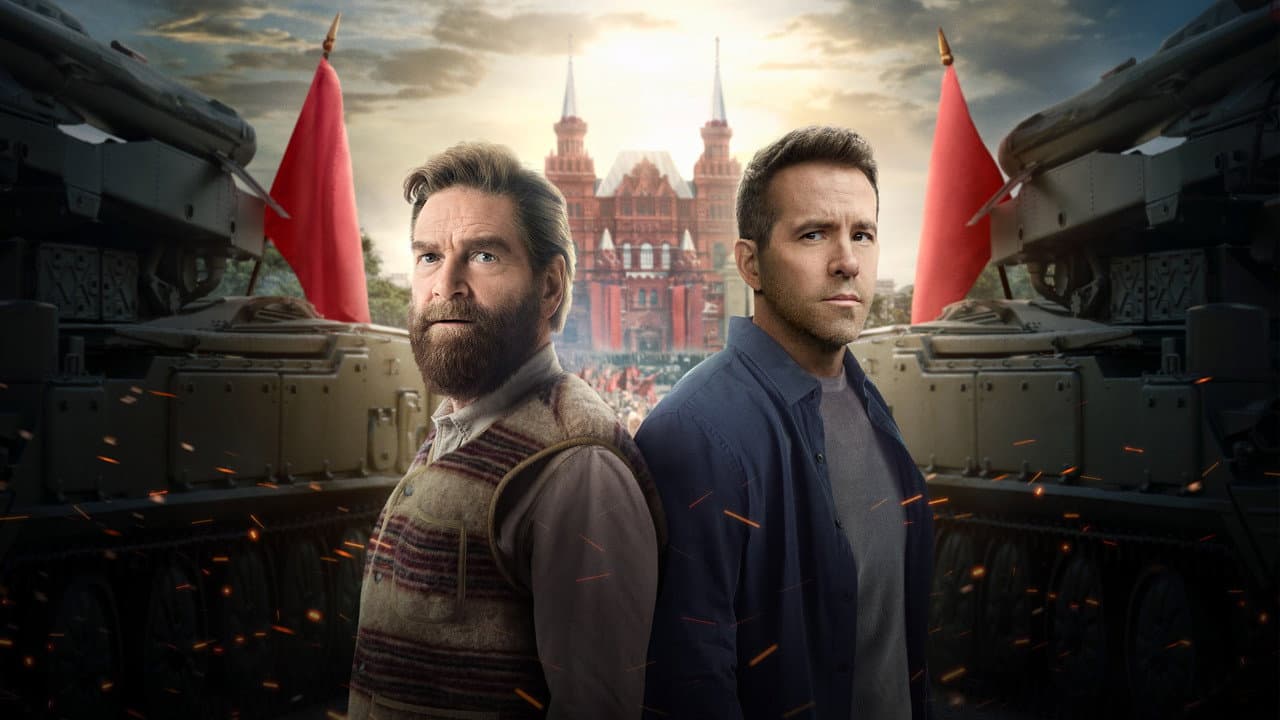
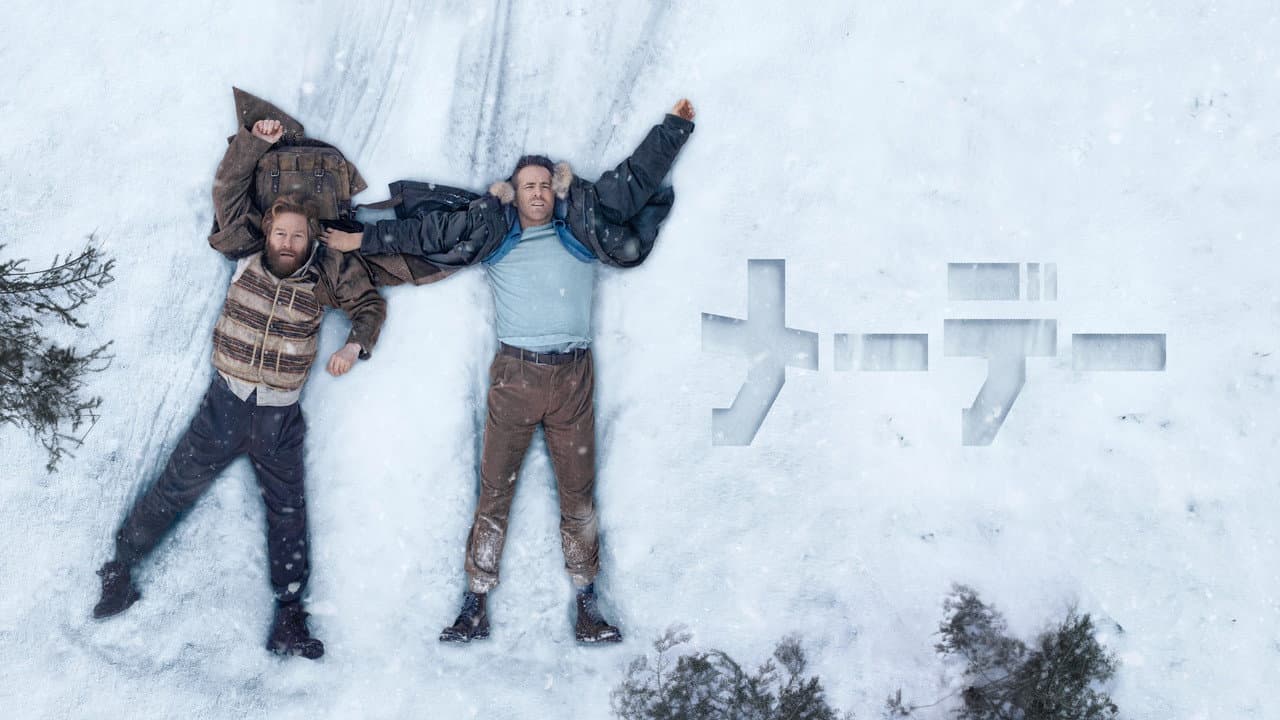
The film lives and dies on its central duo, and thankfully, they are a hoot. Reynolds is essentially playing his established persona - Deadpool with a flight suit - but his timing is impeccable. He delivers his zingers with a machine-gun cadence that lands more often than it misses. But the real surprise is Branagh. As Nikolai Ustinov, he is a glorious mess of contradictions: a chain-smoking philosopher, a bureaucratic relic, and a surprisingly capable fighter. Branagh leans into the absurdity, adorning his dialogue with theatrical pauses and a twinkle in his eye that suggests he’s in on the joke. Their “odd couple” friction - the cynical, organized spy versus the chaotic, improvisational pilot - provides the film’s heart.
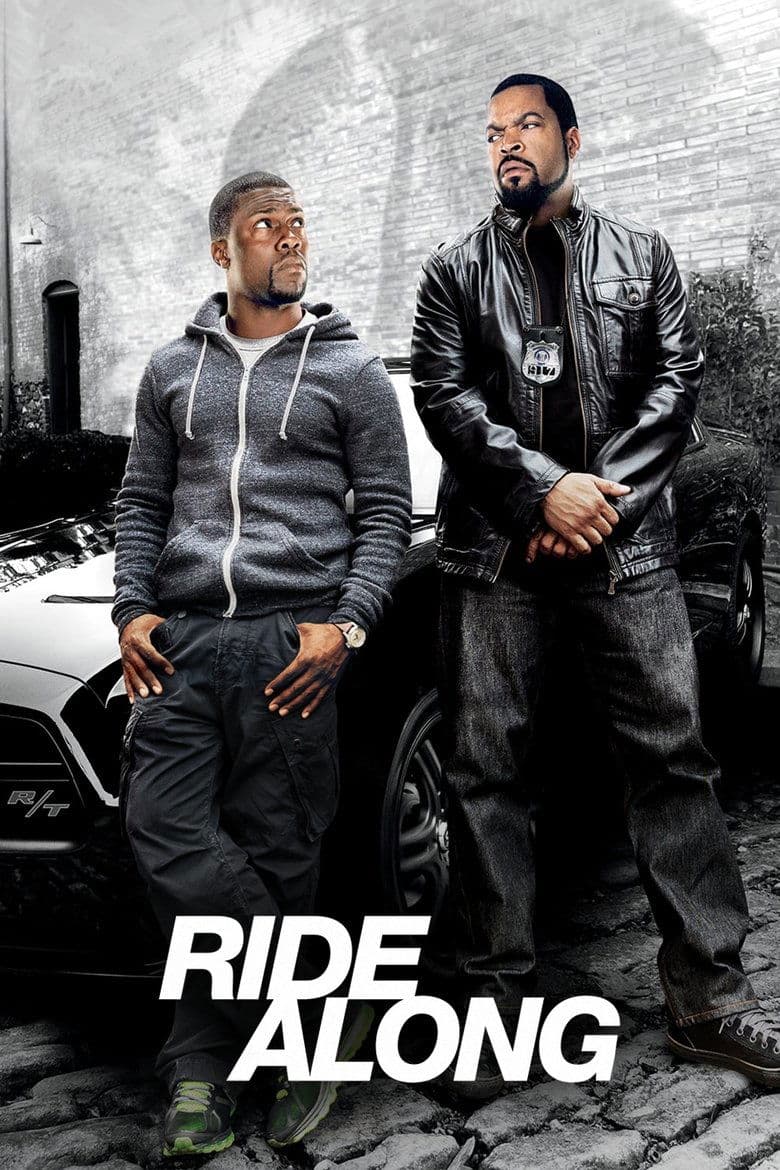
Bakalova is underused as Anna, given little to do beyond look concerned and occasionally fire a weapon, while Dorociński makes for a suitably menacing, albeit one-dimensional, villain. The script borrows heavily from Midnight Run and 48 Hrs., and while it doesn’t reinvent the wheel, the pacing is brisk enough to mask the narrative holes. The third act devolves into a predictable series of betrayals and reveals that feel rushed, as if the director was more interested in the journey than the destination. The period setting is used admirably - grainy film filters and period-appropriate tech - but the comedy often feels aggressively modern, undercutting the historical verisimilitude.
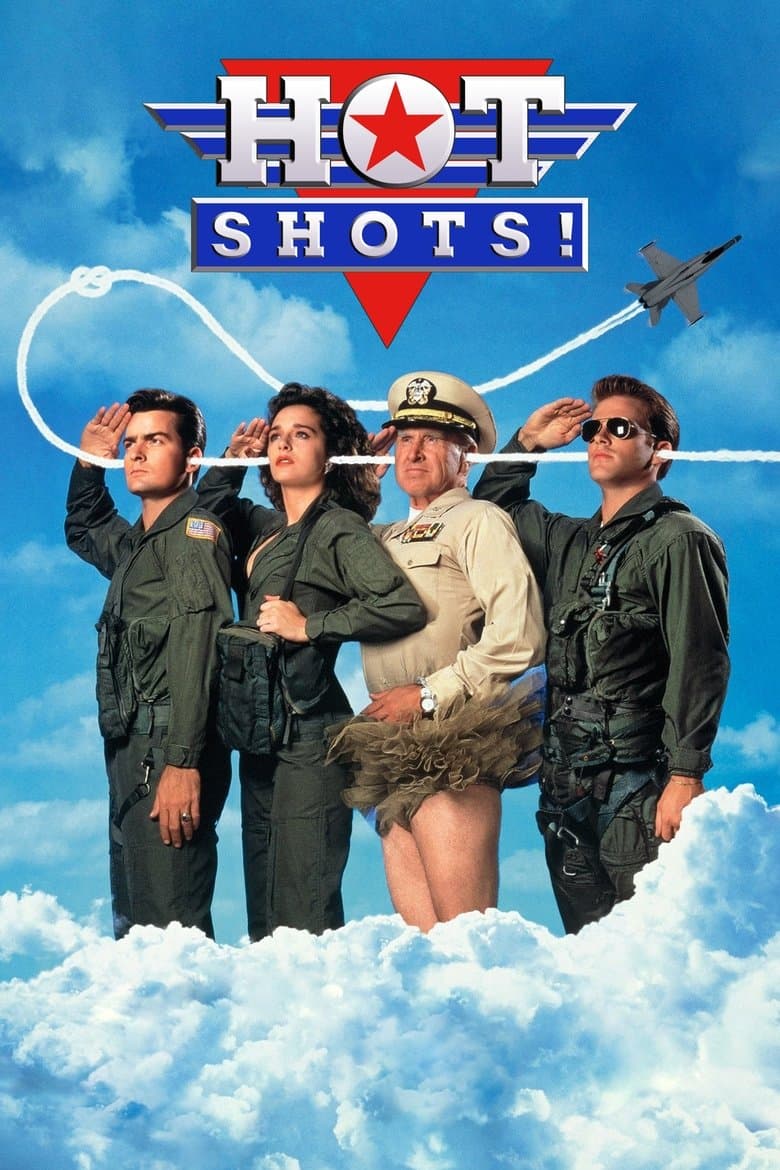
Ultimately, Mayday succeeds because it doesn’t take itself seriously. It’s a slick, professional distraction that understands the value of star power. It’s the kind of mid-budget studio picture that used to pack theaters in the 90s, possessing a light touch that feels increasingly rare.