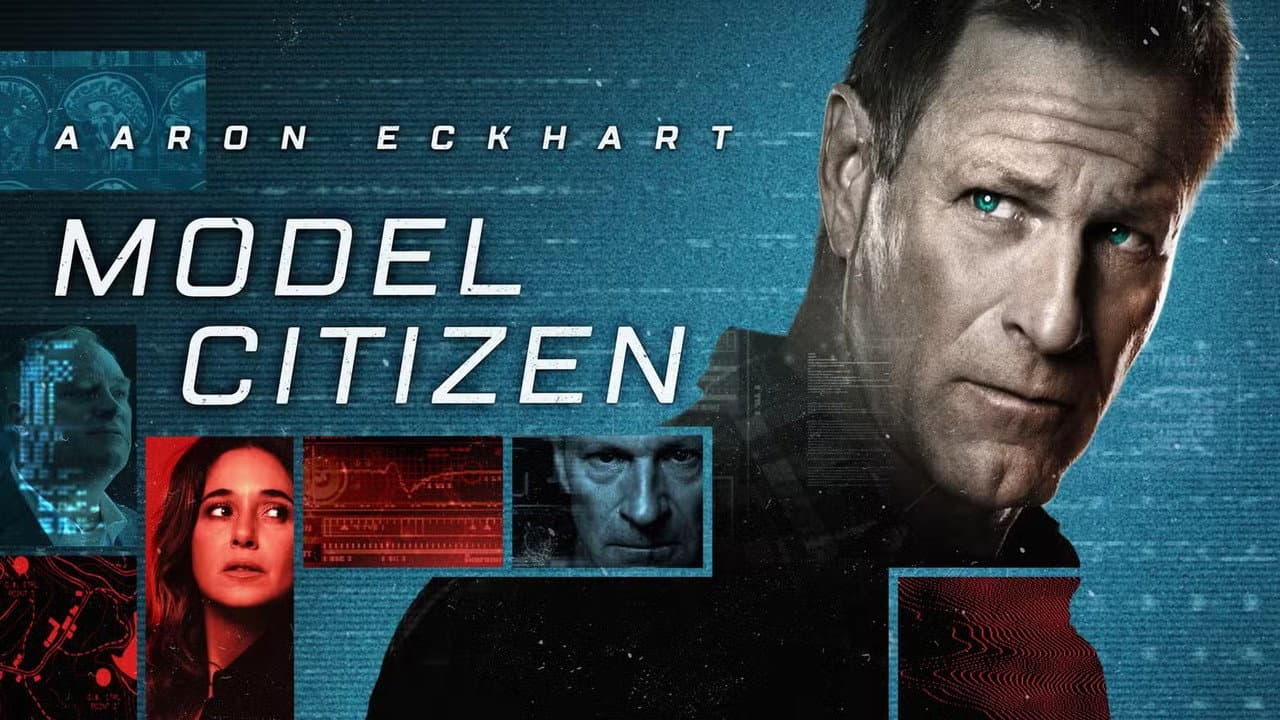
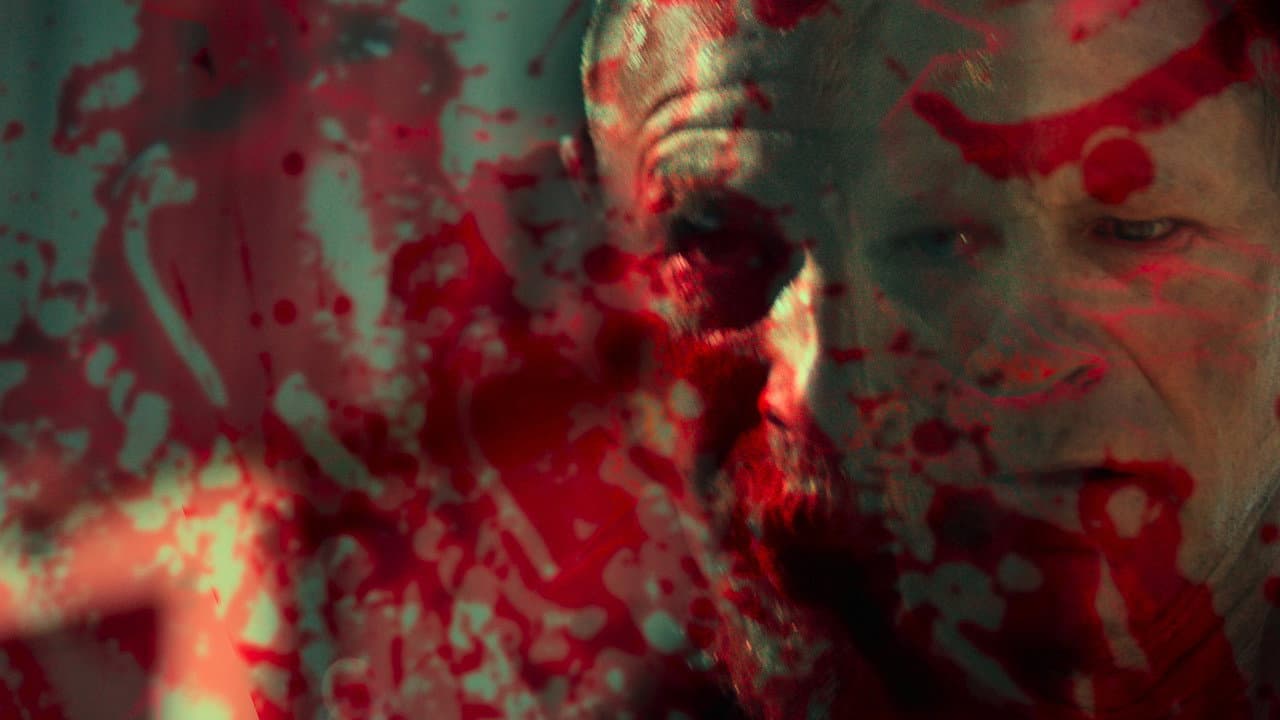
Let’s be clear about what Model Citizen is: a B-movie with A-movie intentions, and occasionally the two halves mesh beautifully. Mendillo has a genuine feel for isolation. The farmhouse sequences are shot with wide, uncharitable compositions that make the horizon feel like a wall, and the sound design - distant engines, wind against the eaves - does more narrative work than any exposition dump could. When the surveillance element kicks in, the film shifts into something closer to a paranoid procedural, and it’s here that Mendillo’s control is most impressive. The camera starts watching Bay the way the characters do.
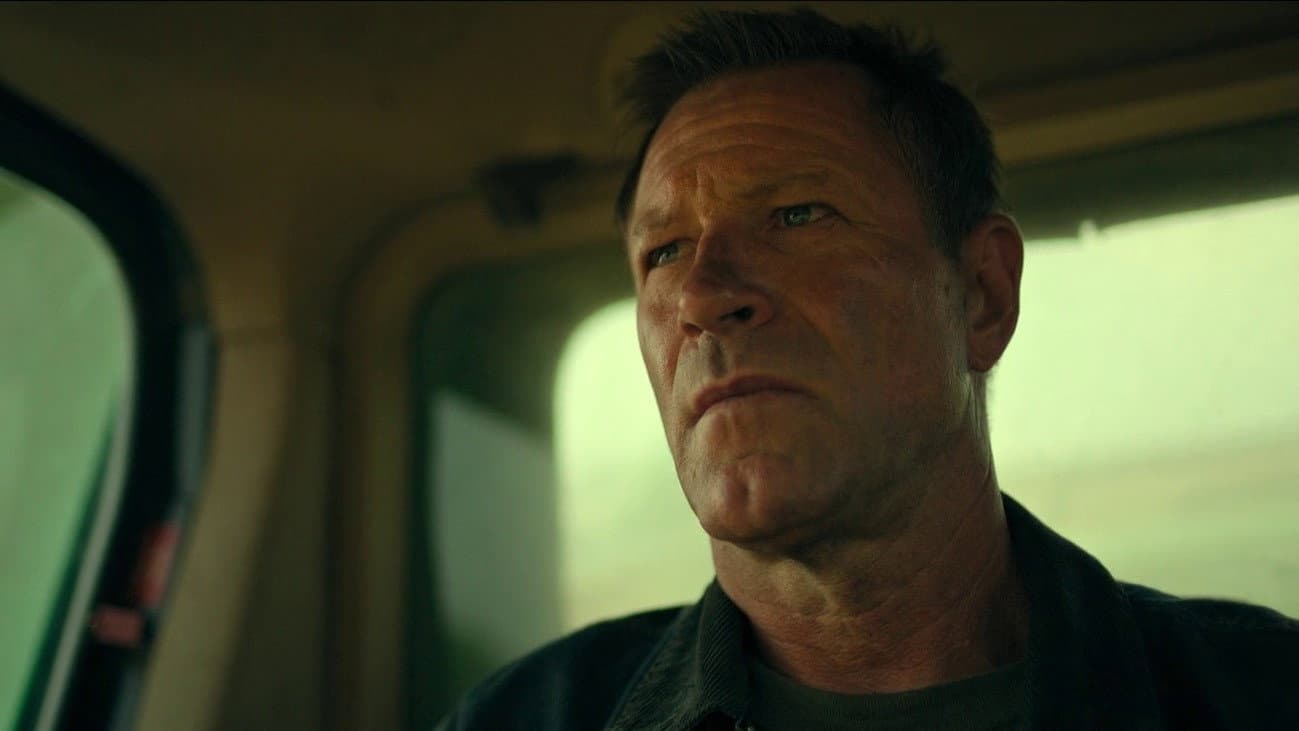
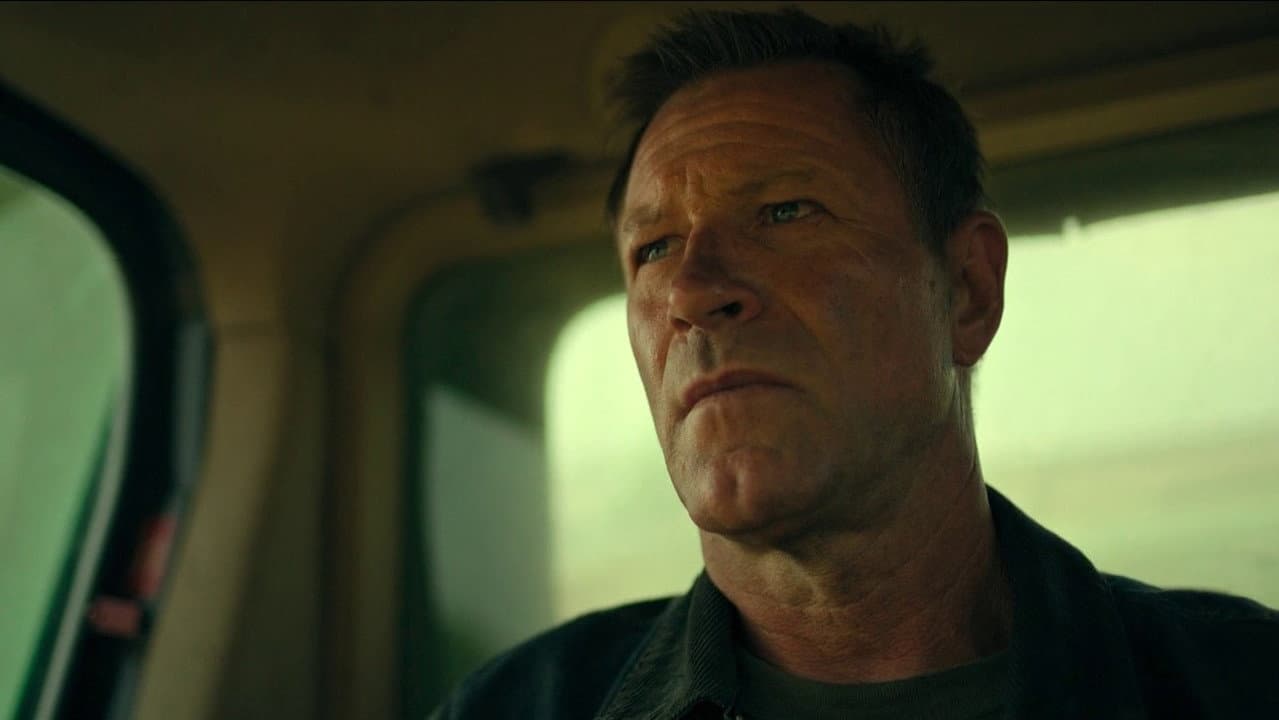
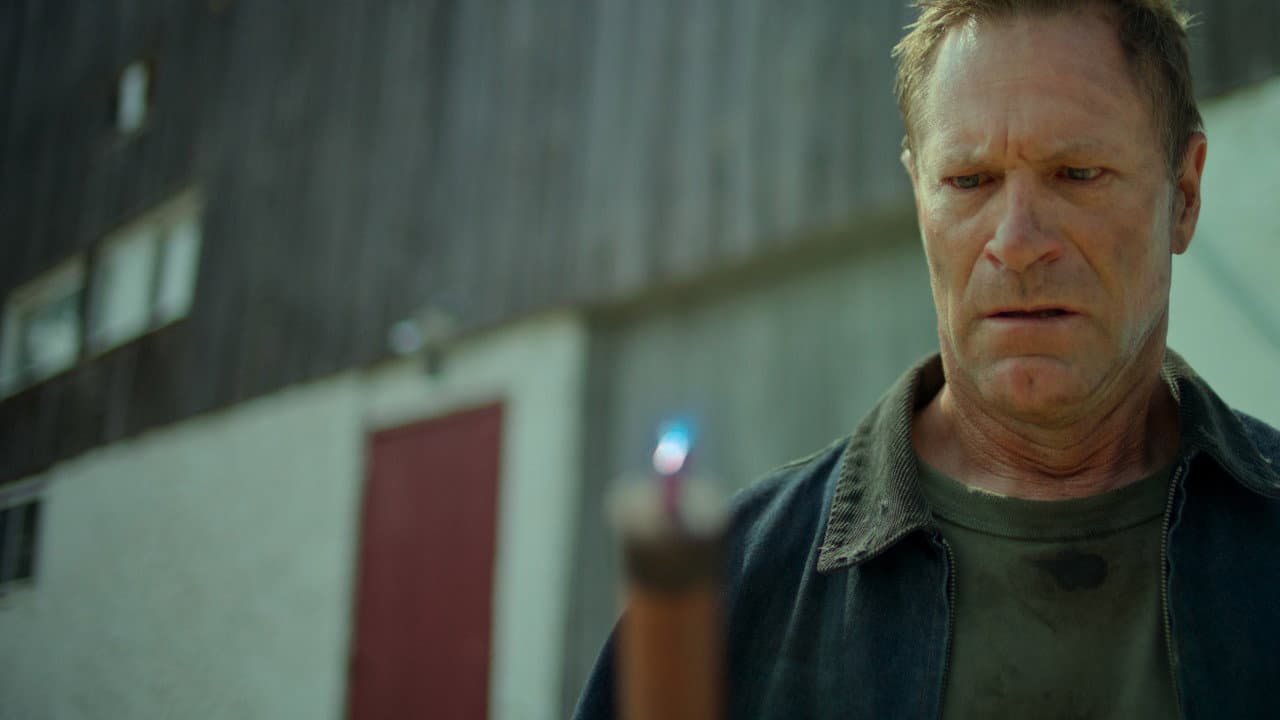
Eckhart is the reason any of this lands. He plays Bay with a coiled stillness, a man whose body remembers what his mind refuses. His gradual physical transformation - from shuffling convalescent to something more dangerous - is subtle and convincing. Chriqui brings an appealing ambiguity to Gretchen, never tipping her hand too early. David Hewlett is reliably sharp as Dr. Harris, and Paul Braunstein makes O’Neill a credible, low-grade menace.
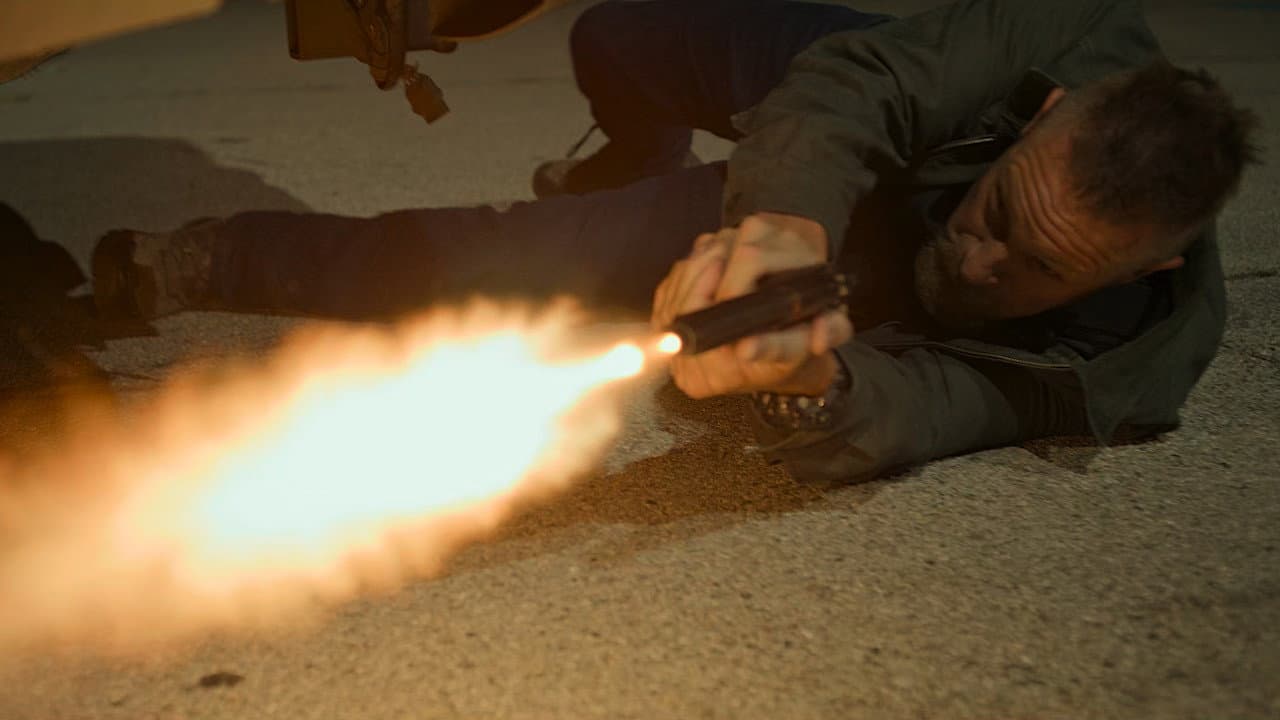
The script has its creaky patches. A few reveals arrive with a thud rather than a snap, and the middle stretch occasionally mistakes withholding information for building suspense. The dialogue leans functional, more interested in moving pieces than giving the actors rich scenes to chew on. But the film’s instincts are sound: it knows when to hold a shot, when to cut, and when to let a silence do the talking. The final act is where the genre machinery pays off, delivering a resolution that recontextualizes earlier scenes in satisfying fashion rather than cheapening them.
At 93 minutes, Model Citizen is refreshingly disciplined. No bloat, no padding, no third-act detour into action spectacle that the budget can’t support. It’s a movie that understands its own scale and works within it. In an era when thrillers routinely run two and a half hours, this is a small mercy - and a real pleasure.