There’s a specific kind of loneliness that creeps in when the only other heartbeat in the house belongs to a dog. In Albert Birney’s haunting new fantasy-adventure OBEX, now playing in theaters since its January 9 release, that solitude is both a sanctuary and a trap. The film, which clocks in at a brisk 91 minutes, follows Conor Marsh (Birney), a man who lives a secluded life with his loyal border collie, Sandy, played with remarkable soulfulness by Dorothy the Dog. Their routine is quiet, almost monastic, until the arrival of a mysterious package changes everything: a state-of-the-art computer game simply called OBEX.
The premise is deceptively simple. Conor begins playing the game - a retro-futuristic, VHS-tinged odyssey that feels like a transmission from a forgotten decade - only to discover that Sandy has vanished. Not run away. Not hiding under the bed. Gone, as if the pixels on his screen have swallowed her whole. What follows is a descent into a world where the rules of logic bend like light through a warped lens, and Conor must venture into the strange digital wilderness of OBEX to bring her home.
Birney, who pulls double duty as both director and star, has crafted something that resists easy categorization. It’s a fantasy about the guilt of neglect. It’s an adventure about the lengths we go to for the ones we love. And it’s a horror film about the terrifying prospect of losing your anchor to reality. The tone shifts with an unnerving fluidity, oscillating between childlike wonder and creeping dread, often within the same scene. One moment, Conor is traversing a sun-drenched field of impossibly tall grass; the next, he’s cornered by the Cicada Soldier (Paul Oh), a figure whose buzzing menace feels ripped from a fever dream.
The supporting cast adds texture to this odd tapestry. Callie Hernandez appears as Mary, a woman who may be a guide, a phantom, or a figment of Conor’s fractured psyche. Frank Mosley brings a grounded, melancholic energy as Victor, while Tyler Davis disappears into a trio of roles - the Knight, the Nightmare Man, and a second iteration of the game’s antagonist, Ixaroth. It’s a bold choice to have Birney voice the game’s primary villain as well, creating a disorienting echo effect: Conor is literally fighting a version of himself, the part of him that prefers the quiet static of isolation to the messy chaos of connection.
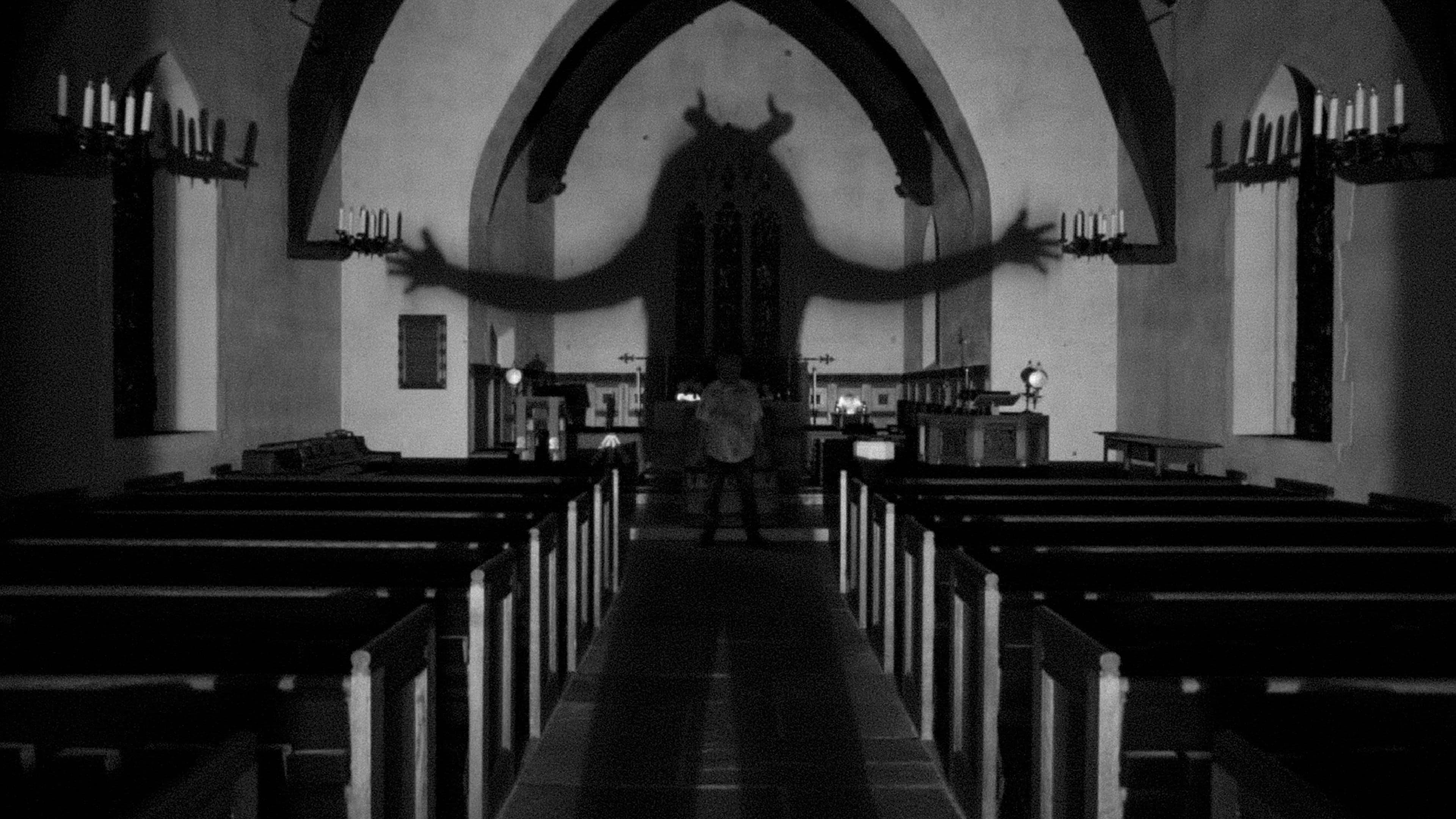
At its core, OBEX is about the line between reality and simulation, but it’s not interested in cheap twists or digital shock value. Instead, Birney uses the game as a metaphor for the stories we tell ourselves to cope with loss. The film’s production design is a standout - cobbled together from CRT monitors, cassette tapes, and hand-painted backgrounds, it feels less like Hollywood gloss and more like a lovingly worn artifact from a parallel universe. The aesthetic is nostalgic without being smug, eerie without being gratuitous.
The critical reception has been as polarized as the film’s genre blend. With a TMDb rating of 5.95/10, OBEX is clearly not for everyone. Some have found its pacing glacial, its narrative opaque. Others, however, see it as a minor miracle of independent filmmaking - a deeply personal vision that refuses to hold the audience’s hand. Those expecting a conventional rescue mission may find themselves frustrated by the film’s meandering, dreamlike structure. But for viewers willing to surrender to its logic, the payoff is quietly devastating.
There is a sequence late in the film, involving a mirror and a conversation with a woman in a field (played by the delightfully credited Gloria Probably), that encapsulates the movie’s central tension: how do we know what we’re fighting for is real? The film never gives a clean answer, and that’s precisely the point. It trusts the audience to sit with the ambiguity, to feel the weight of Conor’s desperate search without needing a tidy resolution.
As the credits roll, you’re left with a haunting question: In the end, did Conor save Sandy, or did Sandy save him? The ambiguity is the film’s greatest strength. OBEX is a strange, imperfect, and utterly singular piece of storytelling - a reminder that sometimes the most terrifying monsters aren’t the ones lurking in the dark, but the ones we’ve built inside our own homes, byte by byte. Birney has made a film that feels like a secret, one that rewards patience and punishes cynicism. It’s a rare beast: a horror film that doesn’t want to scare you, but rather to remind you of what you’re afraid to lose.