
There is something quietly sinister about a perfectly manicured hedge, a symmetry that hides the chaos within. That is precisely the unsettling terrain Karim Aïnouz’s new film, Rosebush Pruning, stakes out with a pair of rusty shears. Released this past April and now finding its second wind on streaming, this 99-minute tangle of comedy, drama, and thriller arrives like a slow-acting poison: elegantly poured, deceptively sweet, and guaranteed to leave you doubled over by the final act.
The setting is a sun-bleached Spanish villa, all white stucco and long shadows, where the American siblings Jack, Ed, Anna, and Robert have barricaded themselves inside their inherited fortune. They are not so much living as they are marinating - in boredom, in resentment, in the amber glow of wealth that has ossified into a cage. Aïnouz, who previously demonstrated a gift for pressures building under gorgeous surfaces in films like Firebrand and The Sailor and the Sea, turns this estate into a pressure cooker with a view.
Screenwriter and longtime Aïnouz collaborator Nadine Defrancesco has constructed a narrative that begins as a family squabble and curdles into something far more sinister. The inciting incident is almost banal: Jack (Jamie Bell) wants to move in with his girlfriend, a request that would disrupt the delicate, suffocating equilibrium of the household. But his brother Ed (a magnetic Callum Turner) is less concerned with domestic arrangements than with a darker investigation. Ed has been digging into their mother’s death, and what he uncovers is not the merciful accident the family has accepted, but a wound that refuses to stay sutured.
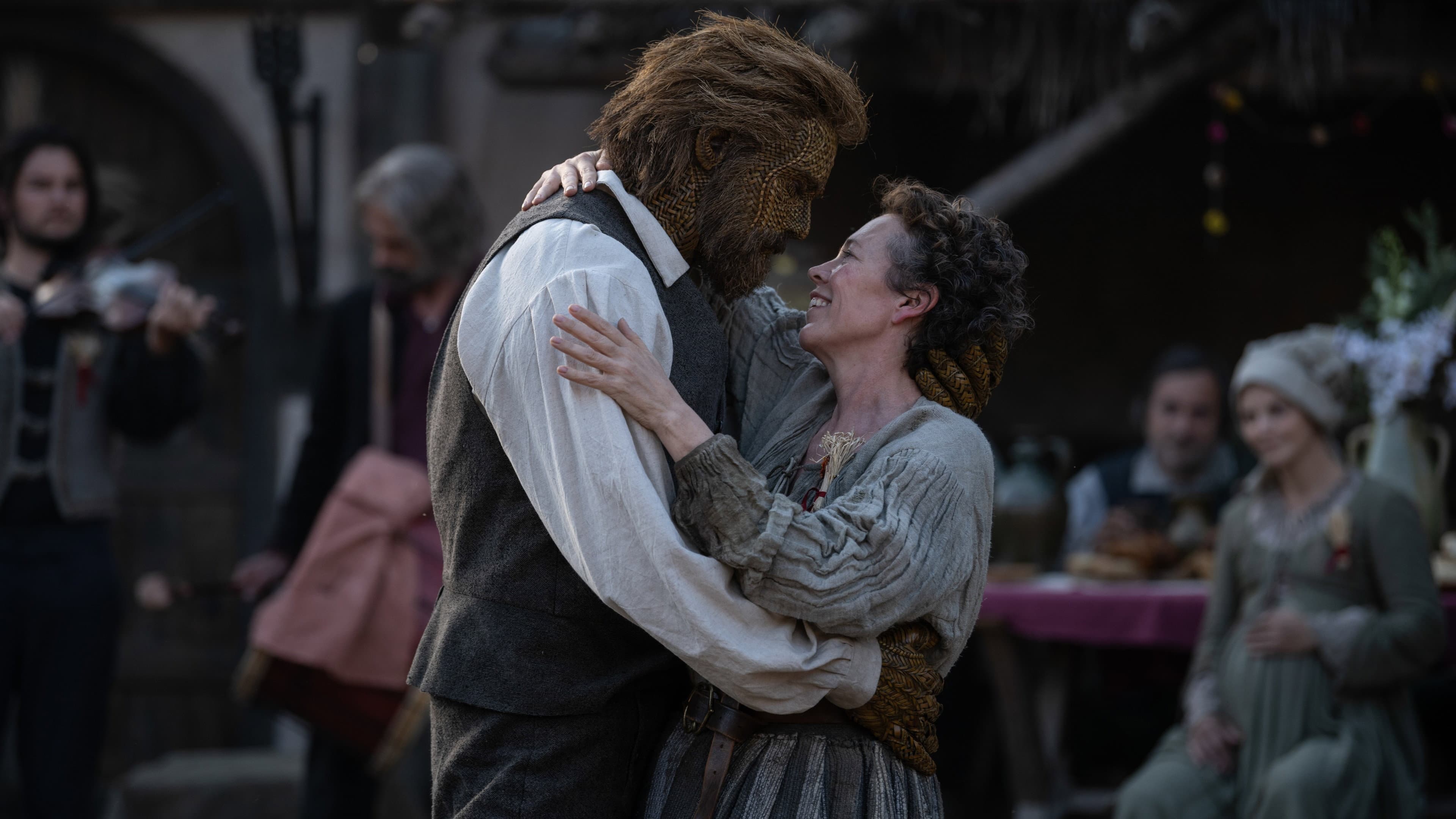
What follows is a study in how the past doesn’t just haunt the rich - it audits them. The film’s tonal whiplash is deliberate and often thrilling. One scene is a pitch-black comedy of manners, with sibling banter crackling like dry kindling. The next, a quiet scene between Ed and the family matriarch’s ghostly presence (a brief but devastating Pamela Anderson) shifts the floor beneath you. Anderson, playing the deceased Mother in flashback, delivers a performance that is all silk and silent violence; you understand exactly why her children are so broken.
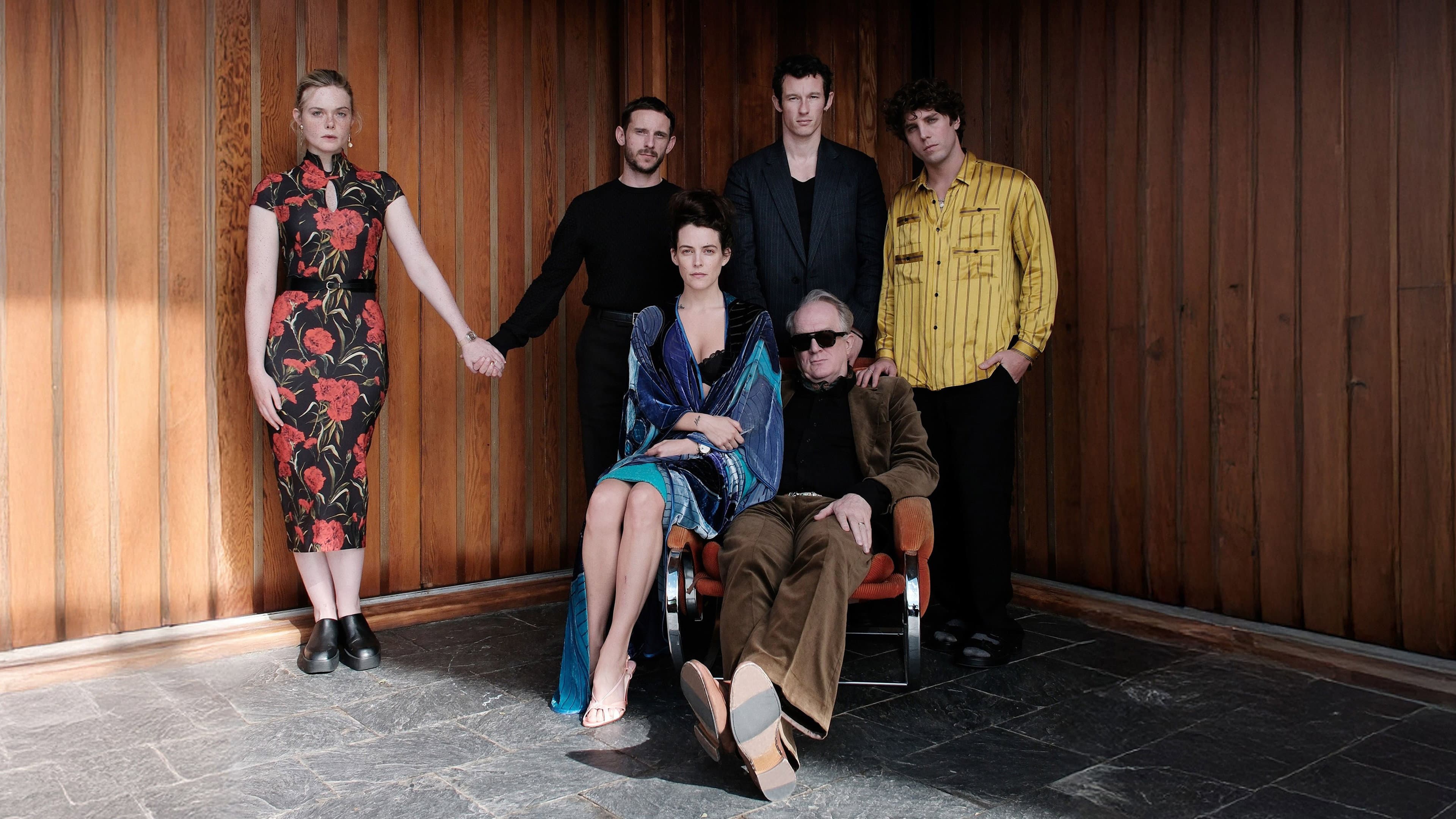
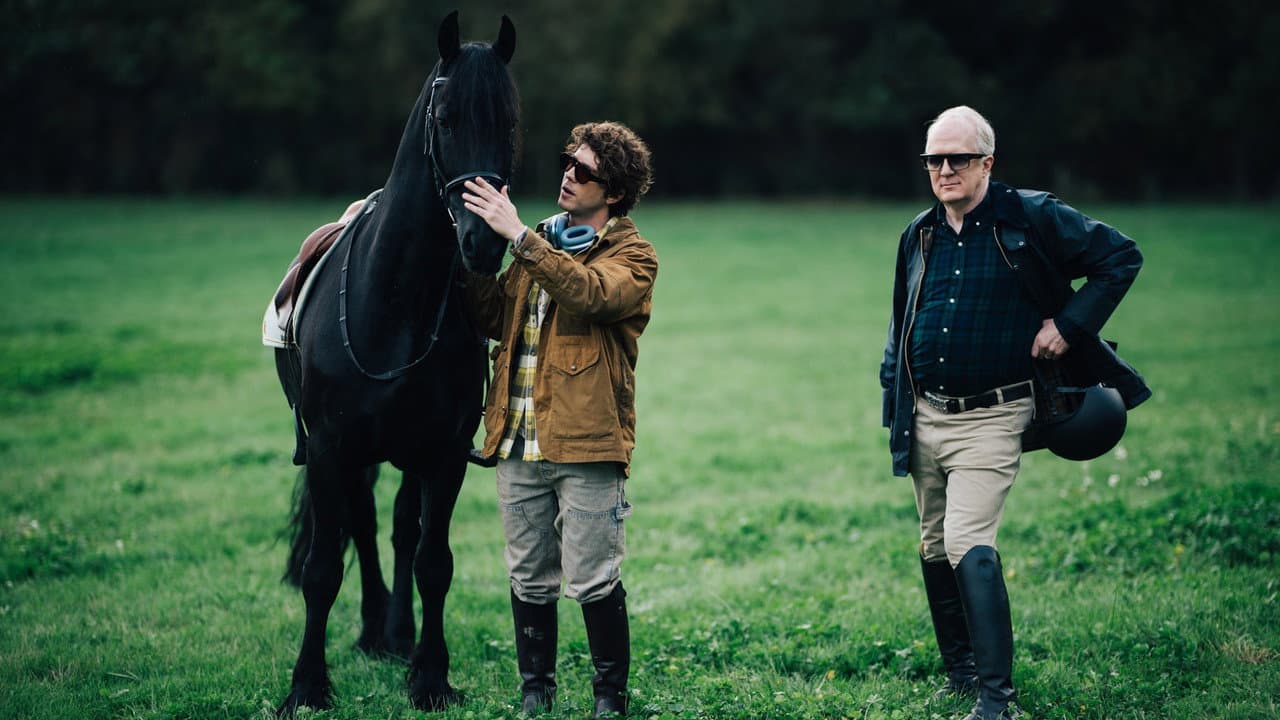
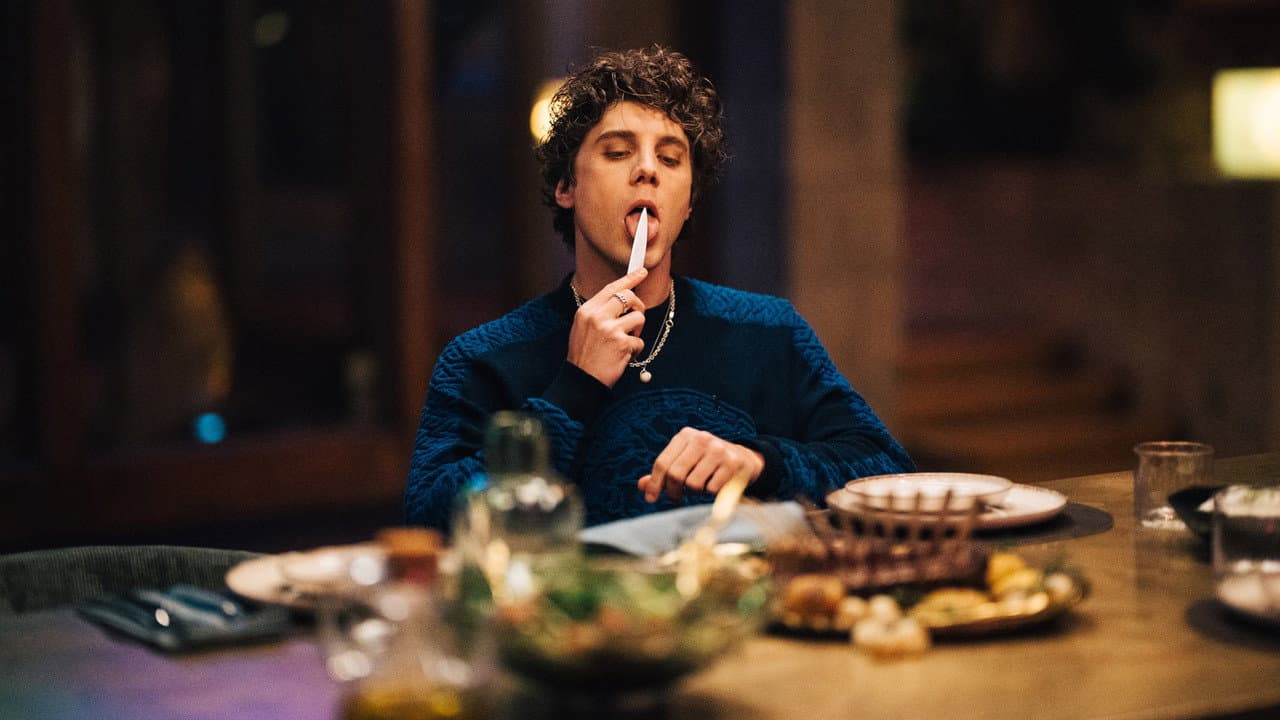
The cast is a masterclass in ensemble restraint. Riley Keough’s Anna is the brittle eldest, wielding emotional manipulation like a jeweler’s hammer. Lukas Gage’s Robert is the sycophant, all nervous laughter and darting eyes, desperate for approval he will never receive. Bell brings a weary decency to Jack, a man who has mistaken comfort for happiness and is only now realizing the invoice. Tracy Letts, as Father, is a monument of paternal dismissal, drinking his way through the afternoon with the grace of a man who knows he has won. And then there is Elle Fanning as Martha, a mysterious houseguest who functions as the film’s calm eye of the storm - her presence is so serenely odd that you suspect she might be the only one who isn’t lying.
But the engine of the film is Turner. His Ed is a man unspooling in real time, fueled by grief and a righteous fury that he can’t quite aim. When he confronts Father with his findings, Letts’s response is chilling in its banality. “We do what we must to keep the roses blooming,” he says, and the line lands like a tombstone. Aïnouz shoots these confrontations in unbroken takes, letting the actors’ chemistry turn into a fuse.
The production design deserves its own credit. The villa is a character, all cool marble against the fierce Andalusian sun, every room feeling both opulent and airless. Cinematographer Hélène Louvart captures the light as a weapon - harsh at noon, forgiving at dusk - mirroring the family’s own shifting cruelties. The score, a sparse arrangement of plucked strings and low brass, hums like a wasp trapped against glass.
Critics have been divided, with the TMDb aggregate resting at a respectable 6.5/10. Some viewers have bristled at the film’s refusal to resolve its central mystery cleanly, while others have applauded its messiness. But that is the point. Rosebush Pruning is less about the “how” of the mother’s death and more about the rot that the secret has allowed to flourish. The film asks whether any family, especially one built on inherited wealth, can survive the truth. The answer, delivered with a wry, bitter smile, is a definitive no.
By the stunning final shot - a close-up of a hand releasing a single thorny stem into a pool of water - you will have forgotten you were watching a comedy at all. Or a drama. Or a thriller. You are simply watching a family do what families do best: prune back anything that threatens to grow beyond their control. In doing so, they bleed. And we, the audience, can’t look away. Rosebush Pruning is currently streaming, where it will prick you if you get too close.