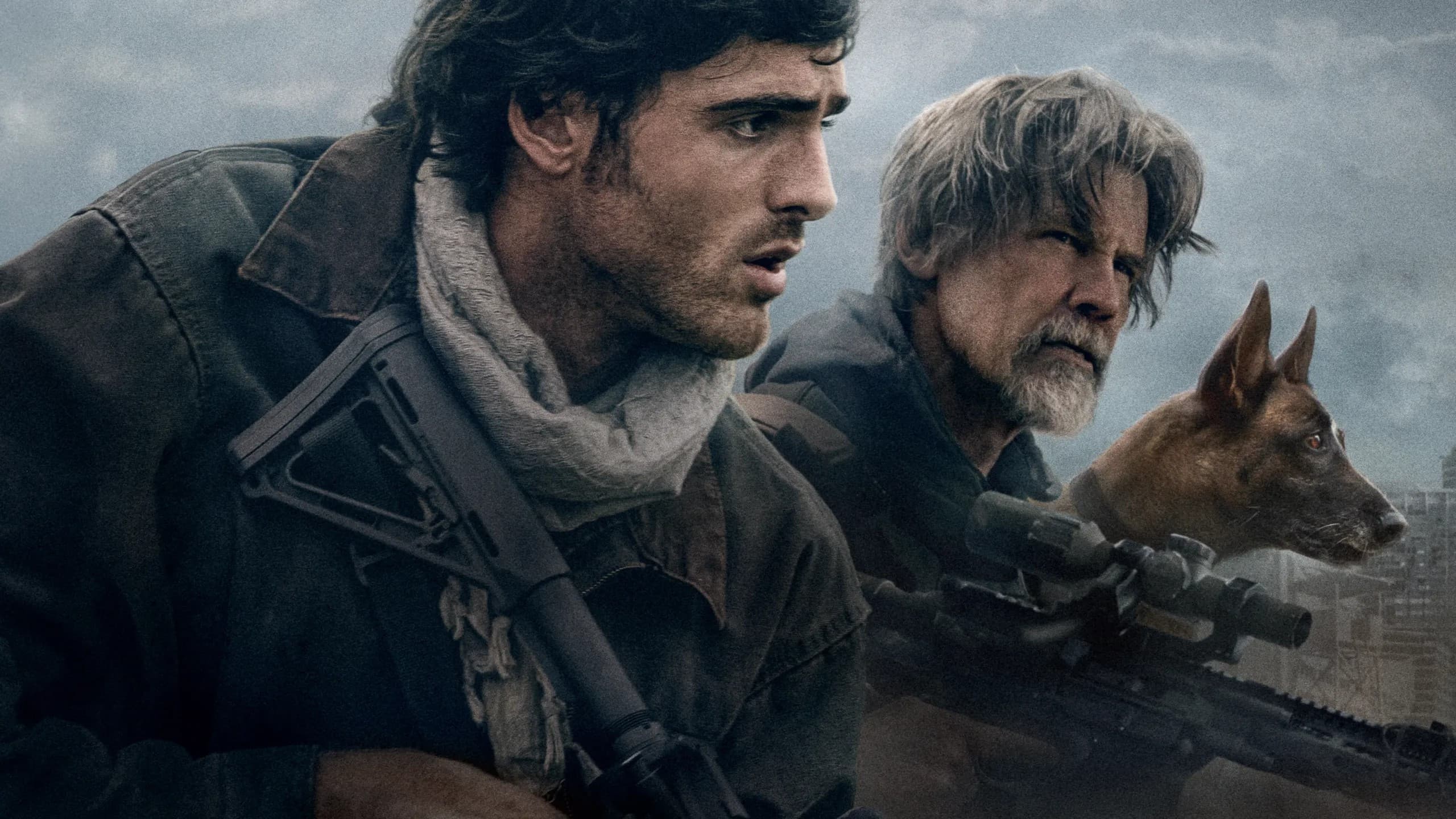
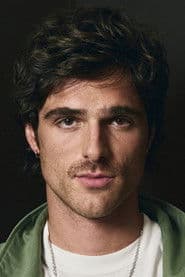
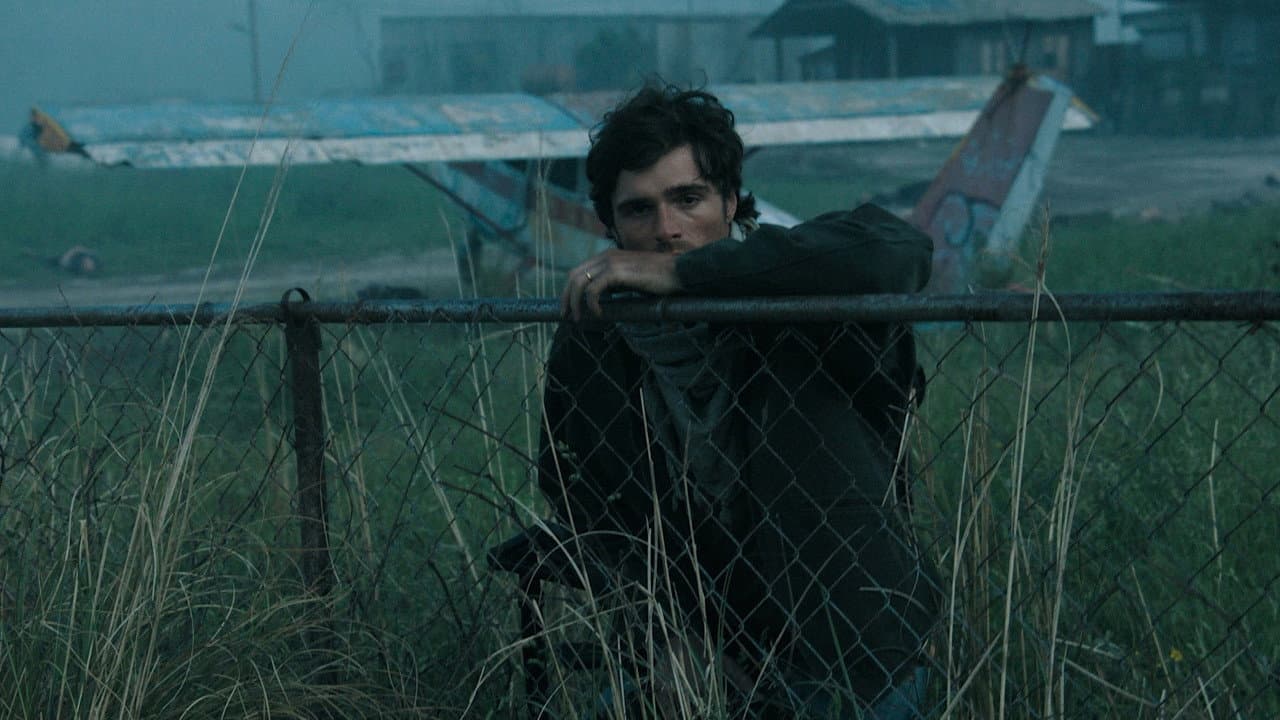
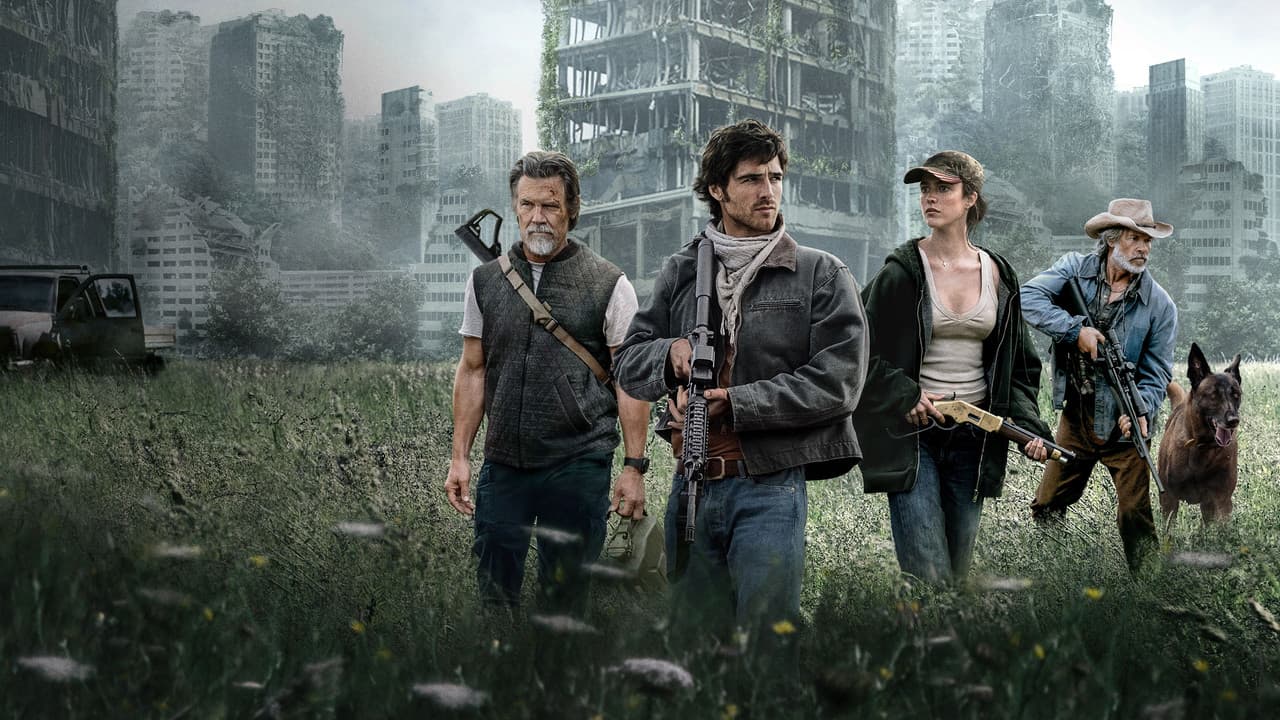
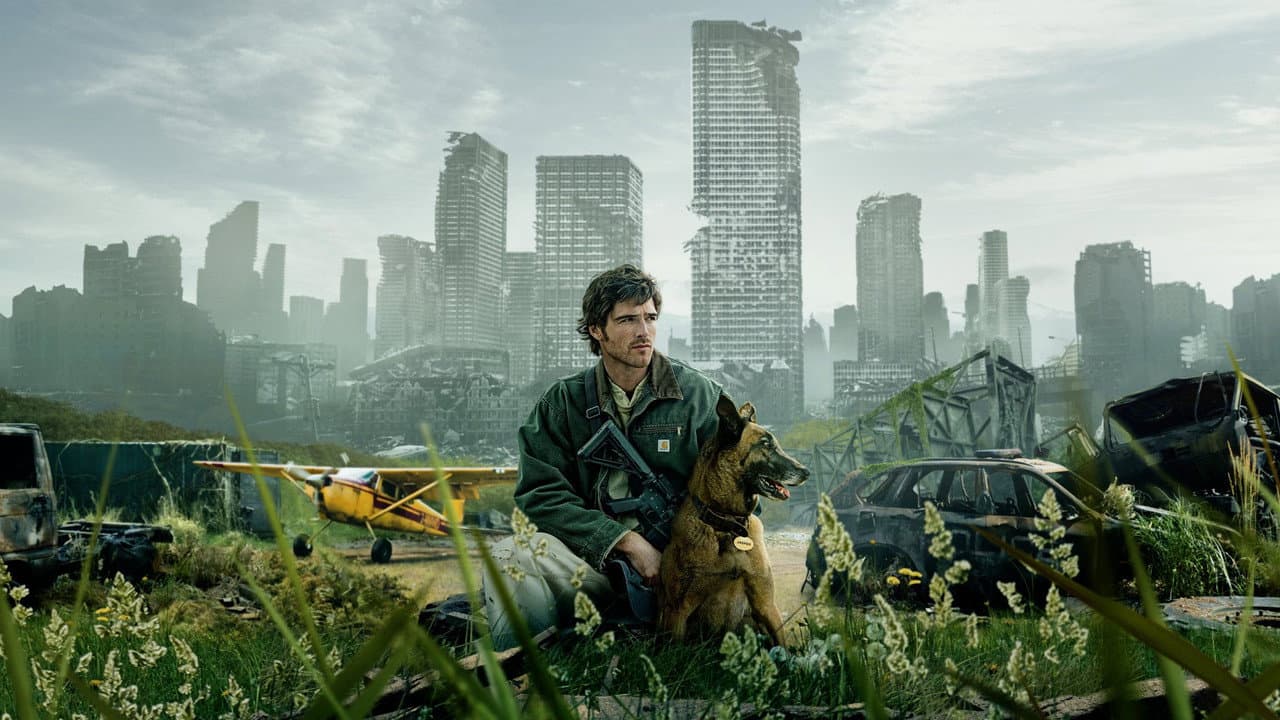
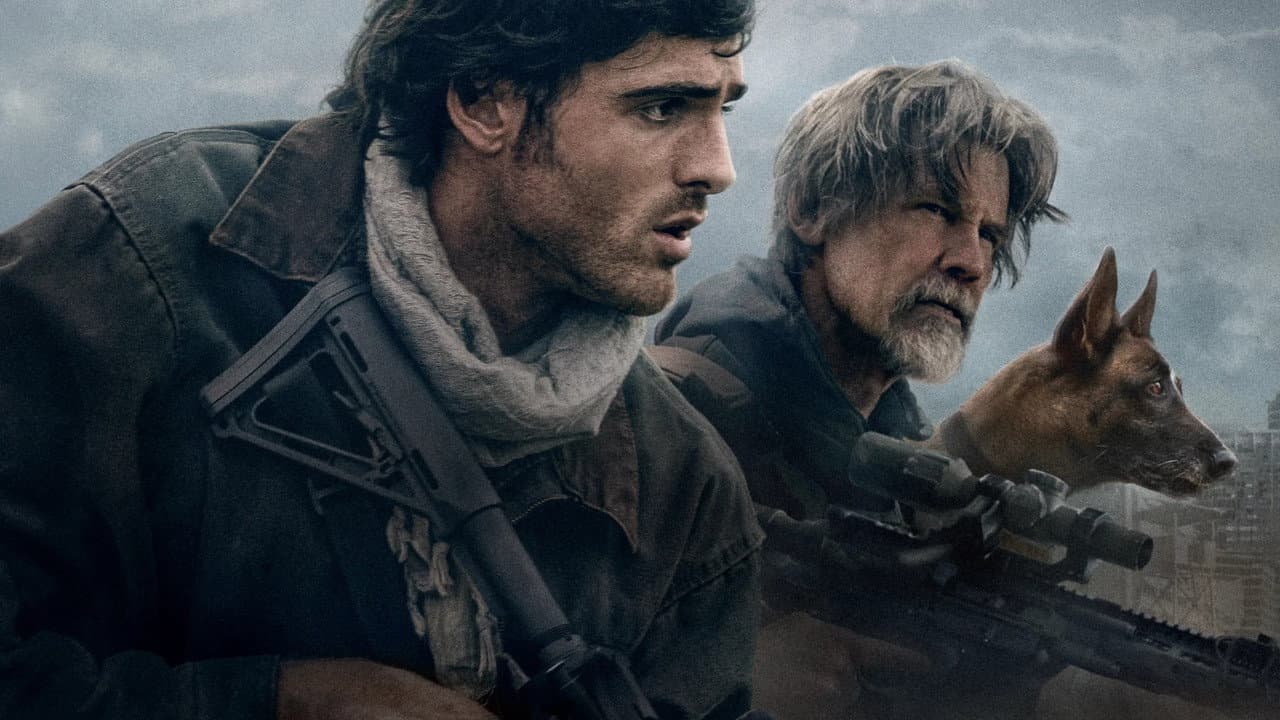
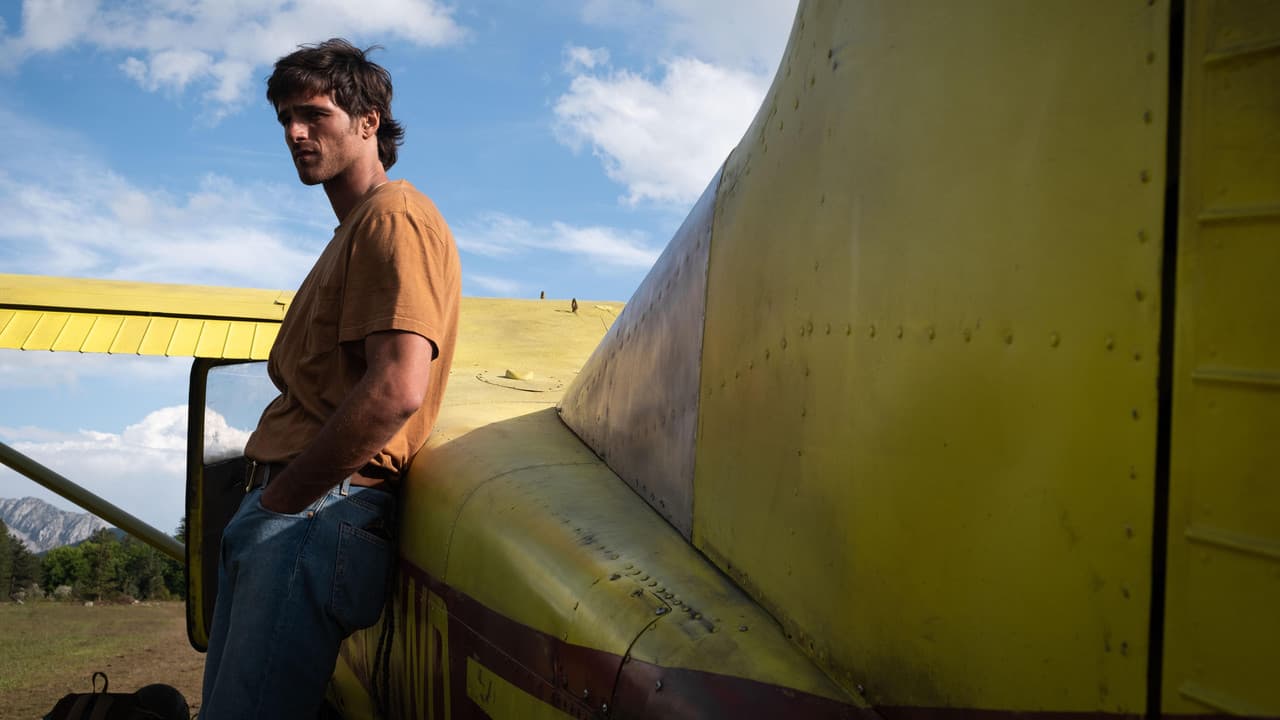
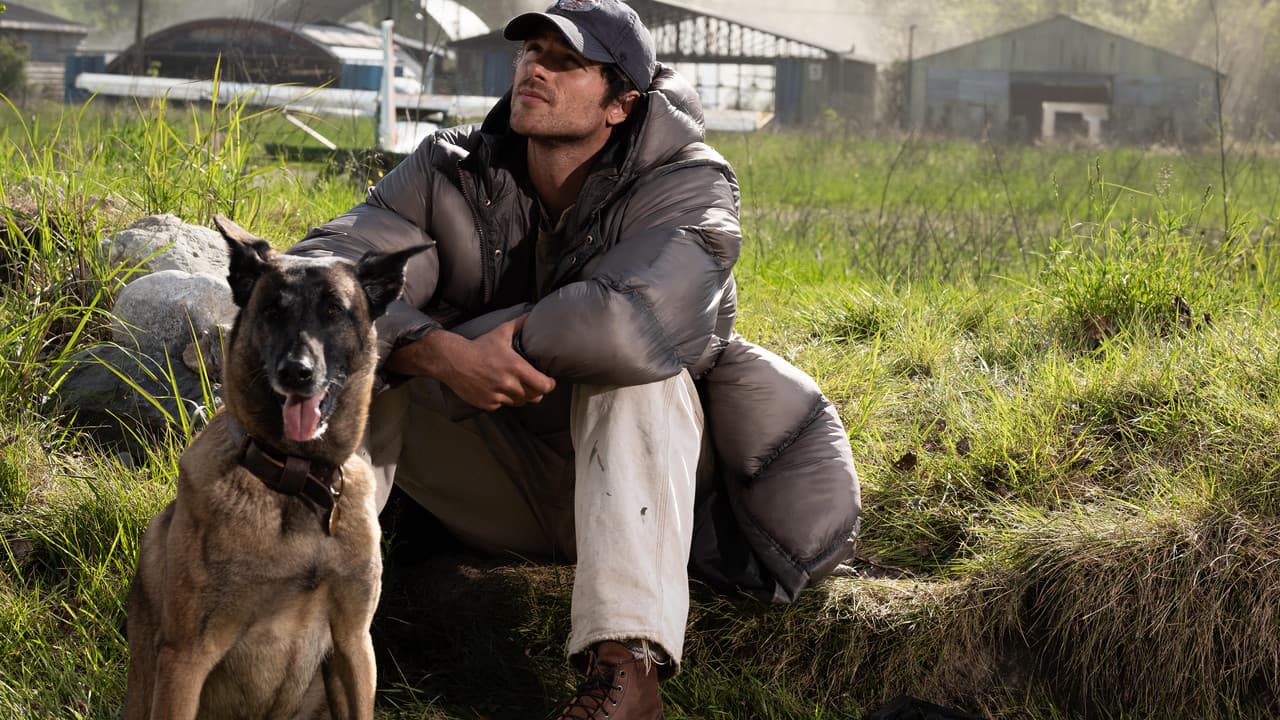
Let’s get the obvious out of the way: Jacob Elordi is a revelation. The former Euphoria heartthrob and Priscilla star has been circling prestige roles, but this is his true transformation. He plays Hig as a man haunted by the ghost of his late wife, a relic of a world that has vanished. His voiceover narration, lifted almost verbatim from Heller’s novel, is a lilting, poetic counterpoint to the harshness of the visuals. Elordi’s face carries the film - the way he looks at his dog with a mix of ferocious love and dread, the way his shoulders tighten as he climbs into the cockpit each time. This is a performance of deep, unforced emotional intelligence.
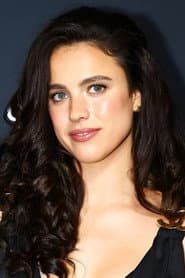
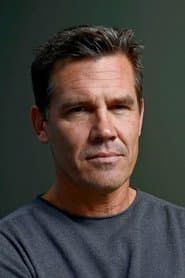
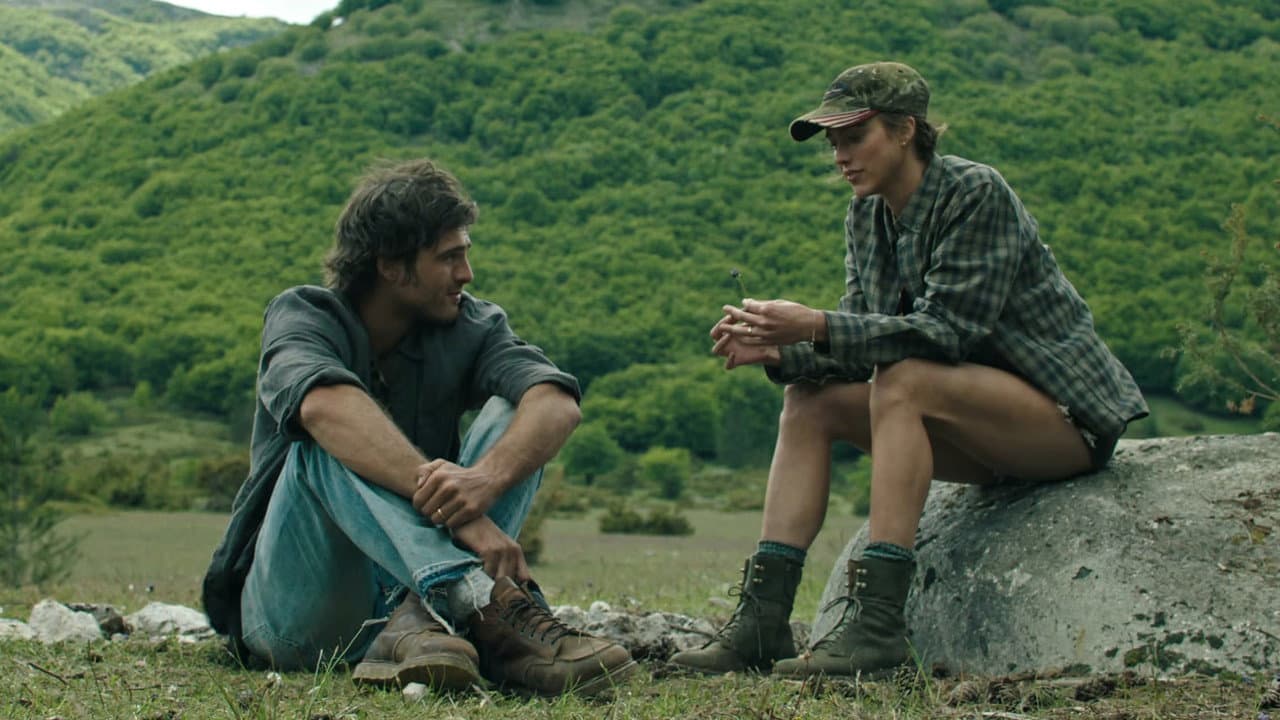
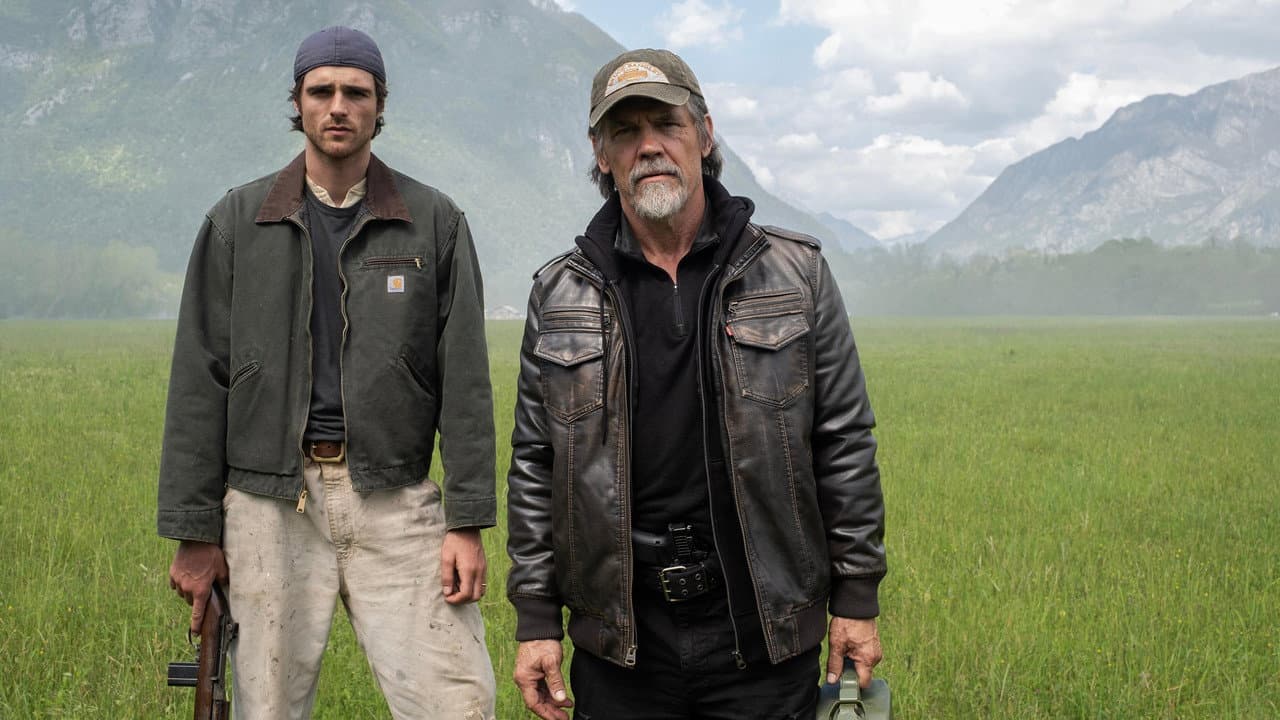
Josh Brolin, meanwhile, is the perfect foil. Bangley is a brutal pragmatist, the kind of man who sees the apocalypse as a clarifying event. Brolin plays him with a grizzled warmth that never tips into parody. The two actors share a chemistry that is simultaneously combative and tender, forging a platonic partnership that feels lived-in. Their conversations - about canned peaches, about whether to trust strangers, about the smell of rain - are the film’s beating heart. And Margaret Qualley, as Cima, a woman Hig encounters on his journey, brings a spark of feral grace. She and Elordi share a poignant, nearly wordless romance that speaks volumes about longing and the fragile currency of connection.
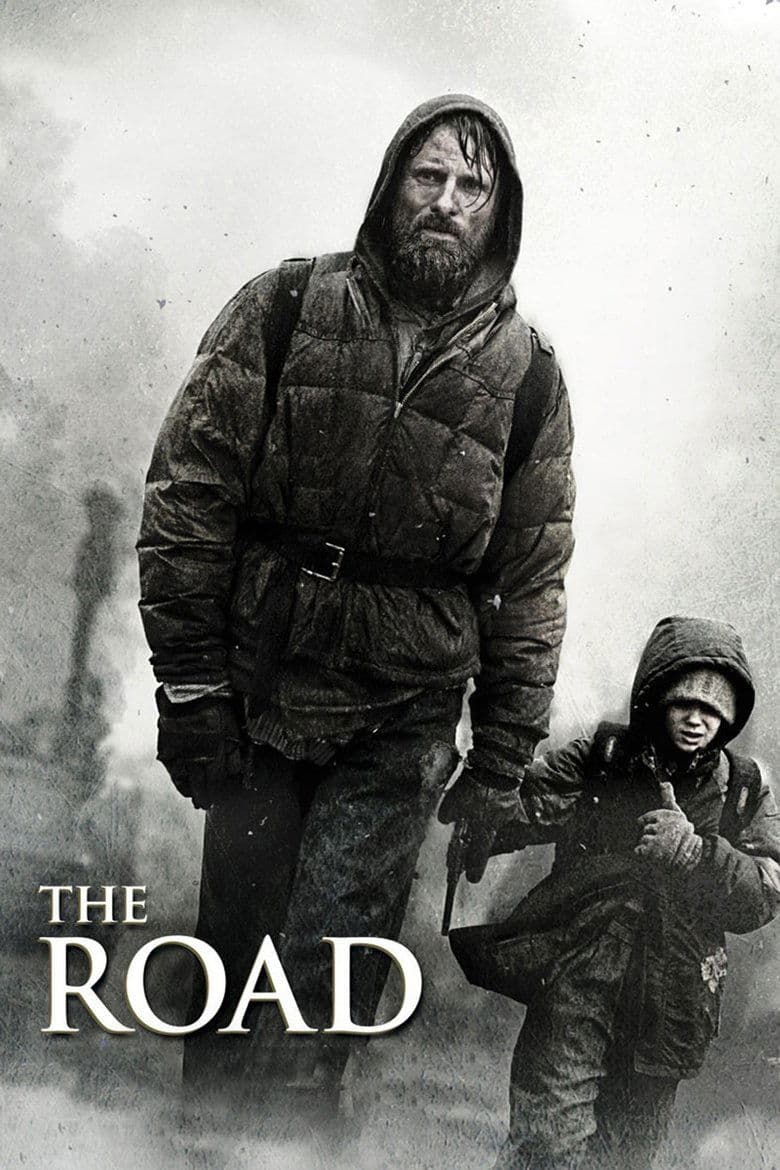
Directorially, Scott is working in a register we haven't seen from him in years. Gone is the frantic cutting of House of Gucci or the CGI heft of Napoleon. Here, the camera lingers. Cinematographer Dariusz Wolski captures the Colorado high country with a golden, hazy beauty that feels both idyllic and threatening. The aerial shots of the Cessna gliding over mountains, rivers, and abandoned farms are breathtaking, evoking the sublime isolation of Malick’s The New World or the quiet dread of The Road. Scott understands that the most terrifying thing about the apocalypse is not the violence, but the silence. He lets scenes breathe, letting the wind and the drone of the engine become a character.
The pacing, however, will be a sticking point for some. The film’s middle act, particularly Hig’s odyssey through a shattered Denver, is episodic and often opaque. Scott trusts the audience to piece together the world’s history through subtle details - a faded bumper sticker, a child’s shoe in a parking lot - rather than exposition dumps. It’s a bold choice that elevates the art, but it also means long stretches where very little happens in terms of plot. There’s also a subplot involving a mysterious group of survivors that feels underdeveloped, resolved with a single, albeit powerful, line of dialogue. And while the score by Harry Gregson-Williams is evocative, it occasionally swells too sentimentally, undercutting the film’s dominant austerity.