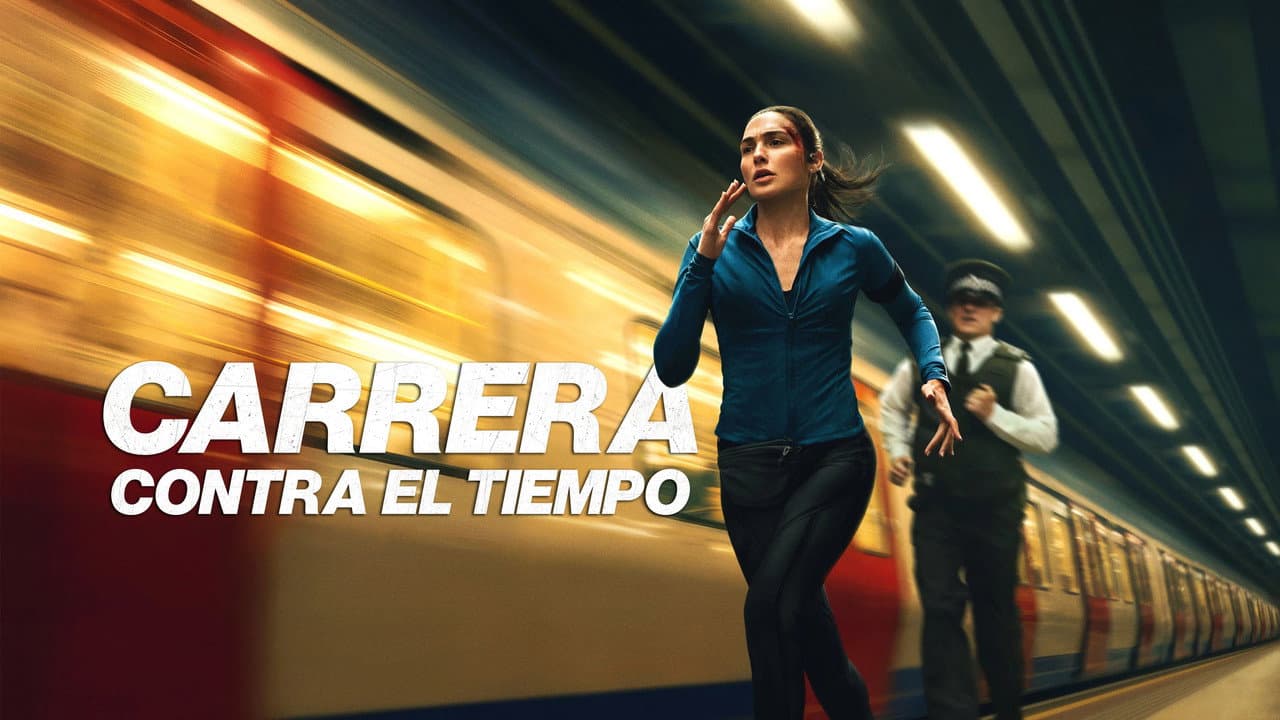
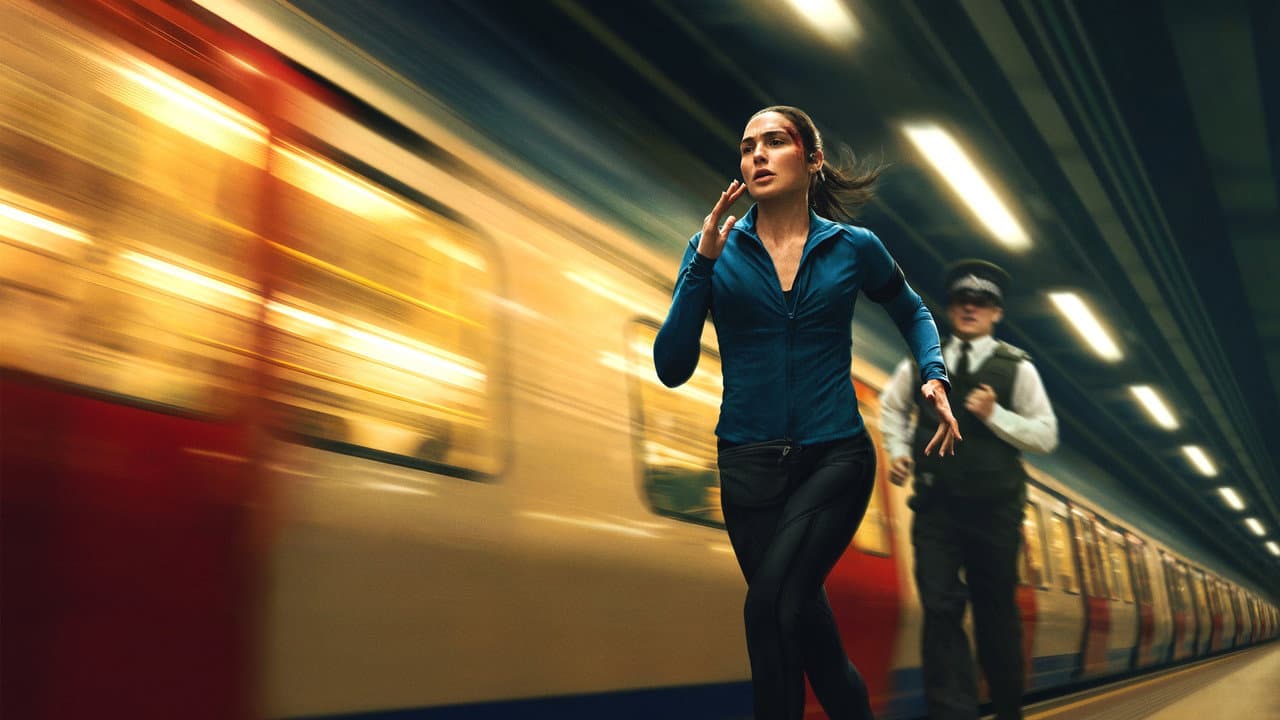
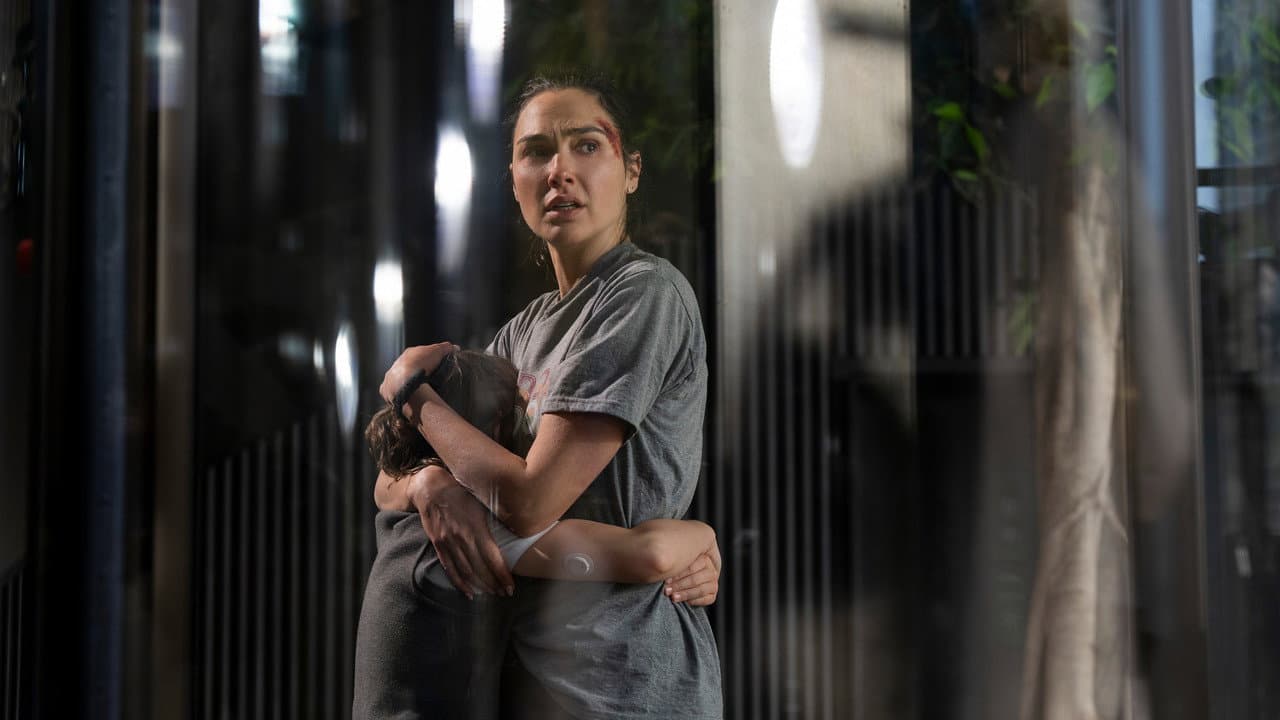
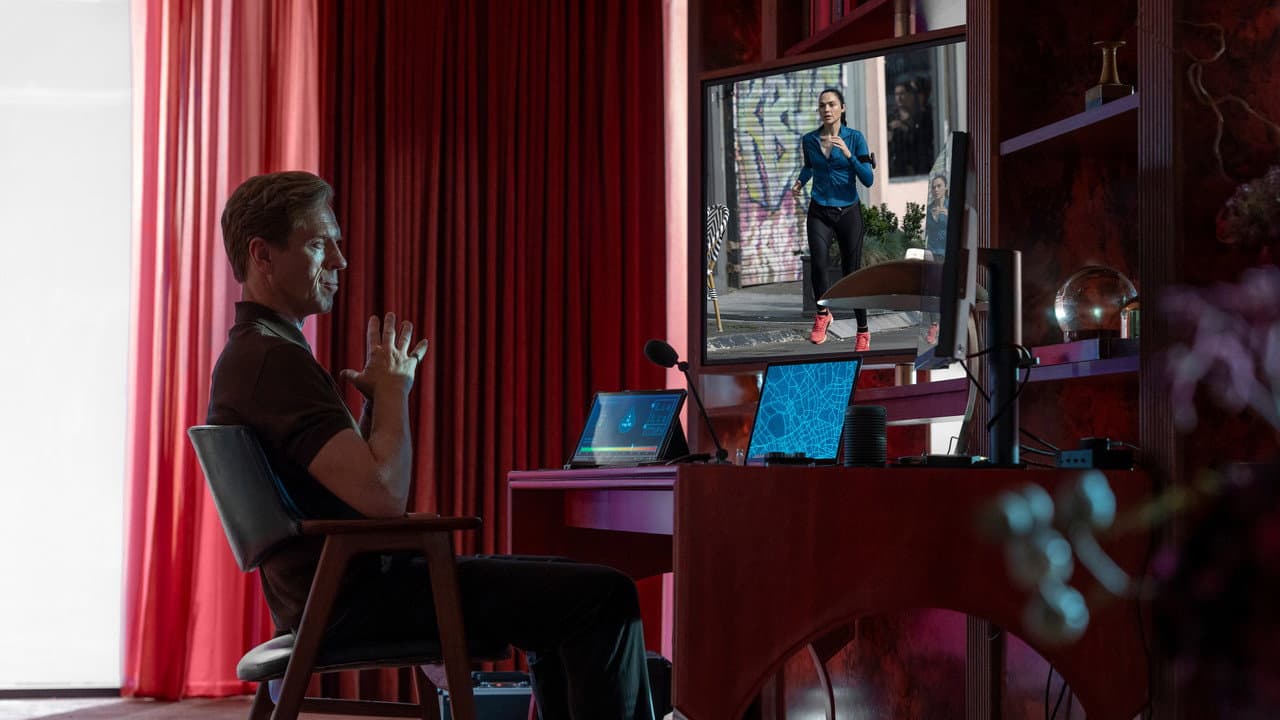
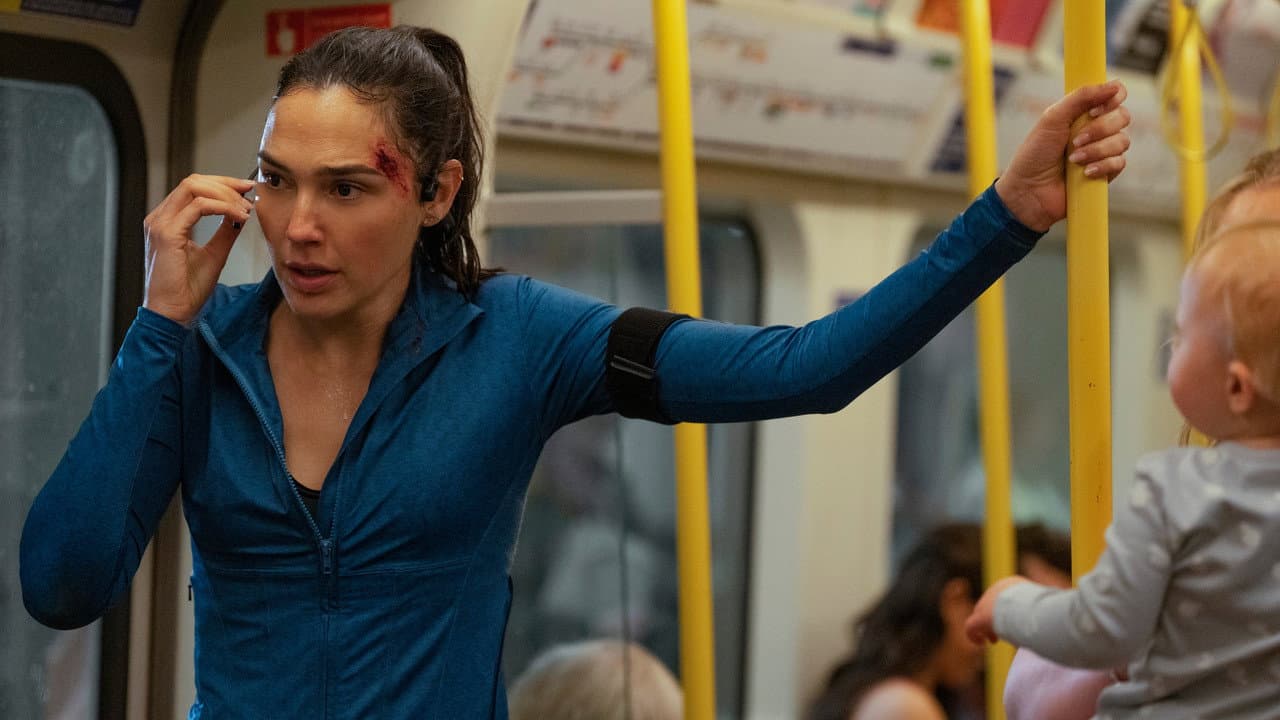
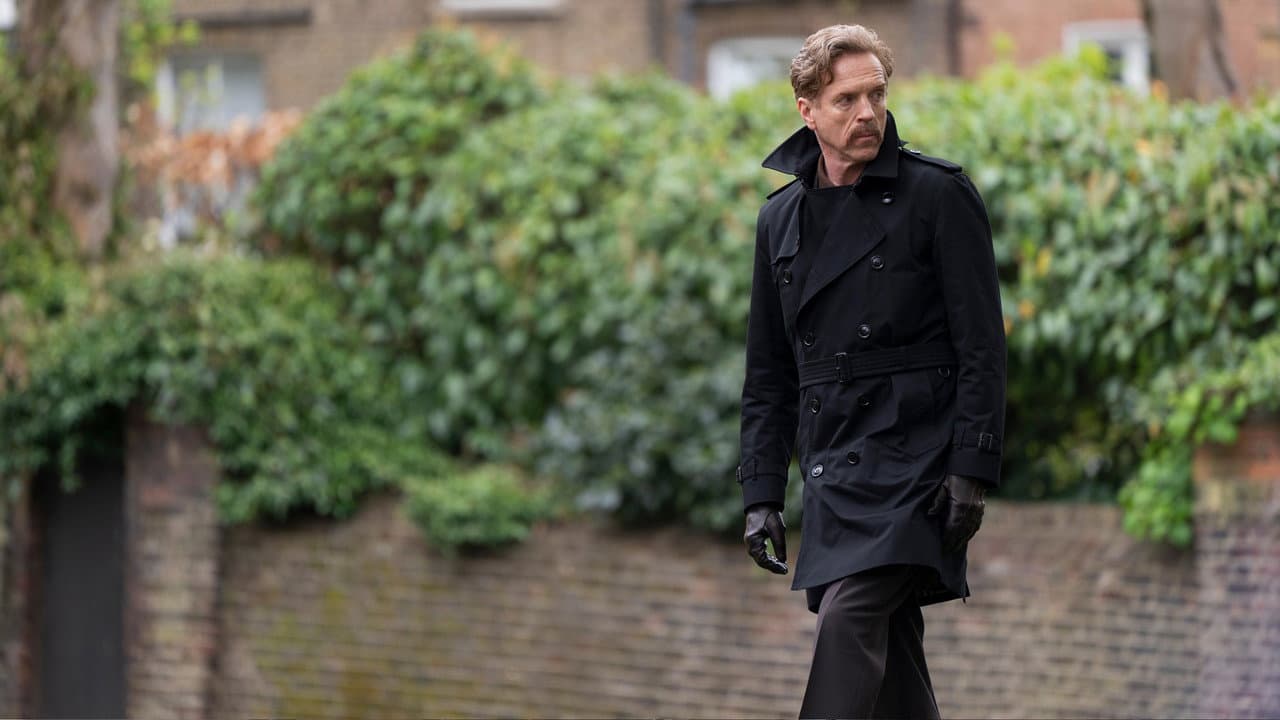
Maia Marten (Gadot) is a brilliant London lawyer whose morning routine - river path, headphones, steady pace - shatters when an unknown caller (Damian Lewis) delivers the news: her young son Noah (Rory Wilmot) has been taken. The terms are unambiguous. She must keep running, following a series of GPS-pinged coordinates and voice-commanded detours, or the boy dies. No police. No stopping. No telling a soul. What follows is a relentless foot chase across the city’s underbelly, as Maia dodges traffic, tunnels, and the occasional brute sent to test her resolve. The film unfolds in near real-time, with Maia’s phone as her only lifeline - and her only leash. The Caller’s motives remain opaque for much of the run, dripping out in sardonic asides and chilling silences. Alfred Enoch appears as Ted, a colleague who complicates things, but the story stays stubbornly with Maia’s pounding soles and fraying nerves.
The Runner (2026) Review: Gal Gadot's Slow-Burn Thriller
Director
Kevin Macdonald
Language
EN
Release
2026-09-03
Runtime
86 min
Quick Verdict
A lean, sweat-soaked survival thriller that wastes no time and forgives no missteps. Gal Gadot delivers her most grounded performance in years, anchoring a high-concept kidnapping plot that thrives on real-time pressure. The runtime is a blessing - there’s no fat, no subplot padding, no romantic detour. It’s a mother’s race against a clock only she can hear, and while the script strains logic in its final third, the visceral momentum keeps you pinned. If you want elevated action with a British accent and a gut-punch of maternal anxiety, this delivers. Just don’t expect nuance to survive the sprint.
Story
Review
Macdonald, a director who’s never met a documentary-style urgency he couldn’t weaponize (Touching the Void, The Last King of Scotland), shoots The Runner like a continuous panic attack. Handheld cameras hug Gadot’s shoulders, capturing the micro-expressions of a woman calculating every stride. The sound design is merciless: London’s ambient hum - traffic, sirens, distant chatter - becomes an enemy chorus, while Lewis’s voice, honeyed and serpentine, curls through Maia’s earpiece like a venomous whisper. It’s a smart choice. We never see the villain’s face until the end, making his disembodied cruelty all the more unsettling.
Gadot is the movie’s engine. Gone is the warrior goddess gloss; here she’s all sharp angles, raw breath, and sweat-stained hair. Watching her scramble over fences, dodge cyclists, and argue with her own trembling legs is genuinely riveting. She’s less convincing when Maia must pivot to lawyerly negotiation - those moments feel rehearsed - but as a woman driven by feral instinct, she sells every mile. Lewis, in voice-over for most of the film, finds the perfect timbre: a bored sadist who treats Maia’s suffering as a spectator sport. His rare on-screen moments land with icy impact. Wilmot, as Noah, is mostly a voice on the phone - a smart constraint that keeps the stakes abstract yet agonizing.
The film’s greatest strength is its pacing. At 86 minutes, it moves like a proper chase flick should, never overstaying its welcome. Macdonald and editor Shema Pai cut with surgical precision, cross-cutting between Maia’s blistered feet and the Caller’s video feeds. Yet, the screenplay (credited to Andrew Baldwin and Jack Stanley) leans too heavily on willing suspension. Maia’s endurance defies biology - no water, no food, no bathroom breaks - and her ability to outsmart trained operatives while gasping for air stretches credulity. The twist, when it arrives, feels less like revelation and more like a shrug. The supporting cast, particularly Enoch and Nathan Kirby’s Wiry Dude, are sketched in frantic strokes, serving plot needs rather than character truths.
Visually, Macdonald captures London’s gray grit - council estates, industrial parks, rain-slicked alleys - as an obstacle course. But the film occasionally stumbles into action-movie clichés: a sudden explosion, a conveniently placed van, a villain monologue that should have been cut. The score, by Jed Kurzel, pulses with minimalist dread, though it never reaches the goosebump-inducing heights of his Assassin’s Creed work. Still, there’s an honesty to the film’s craft. It knows exactly what it is: a high-octane mother-in-peril thriller with a one-note hook played with impressive intensity.
Pros & Cons
Pros
- Gal Gadot’s physically committed, emotionally raw performance carries the film.
- Tight 86-minute runtime respects the audience’s time and the story’s urgency.
- Damian Lewis’s voice work is chillingly effective, adding texture without screen time.
- Jason’s restless direction and sound design create genuine, sweaty tension.
Cons
- The plot’s logical holes widen after the first act, testing patience.
- The twist is undercooked and arrives with little dramatic payoff.
- Supporting characters are thinly drawn, serving only as obstacles or helpers.
- Repetitive middle section may bore viewers who crave more narrative variety.
Rating Breakdown
Final Verdict
The Runner is a treadmill of a movie - strenuous, breathless, and ultimately cyclical. It won’t change your life, but it will make you clench your fists and check your own phone for messages you can’t ignore. Gadot proves she can carry a thriller without a cape, and Macdonald proves he can wring suspense from a woman jogging through traffic. The script’s shortcuts are frustrating, and the emotional landing doesn’t stick, but as a matinee thrill ride, it earns its sweat. If you crave intelligent subtext or airtight plausibility, jog on by. If you want to watch a mother run through hell for her child, you could do far worse. Just remember to stretch first - you’ll feel every mile.
Cast

Gal Gadot
Maia

Damian Lewis
The Caller

Rory Wilmot
Noah

Alfred Enoch
Ted

Phoenix Di Sebastiani
Tafa

Nathan Kirby
Wiry Dude

Hélder Fernandes
Buddy

Will Austin
NCA Officer 1

Mark Hampton
NCA Officer 2

Stevie Binns
NCA Officer 3

John Leader
Forensics Officer
Kenton Lloyd Morgan
Boat Captain
Gallery