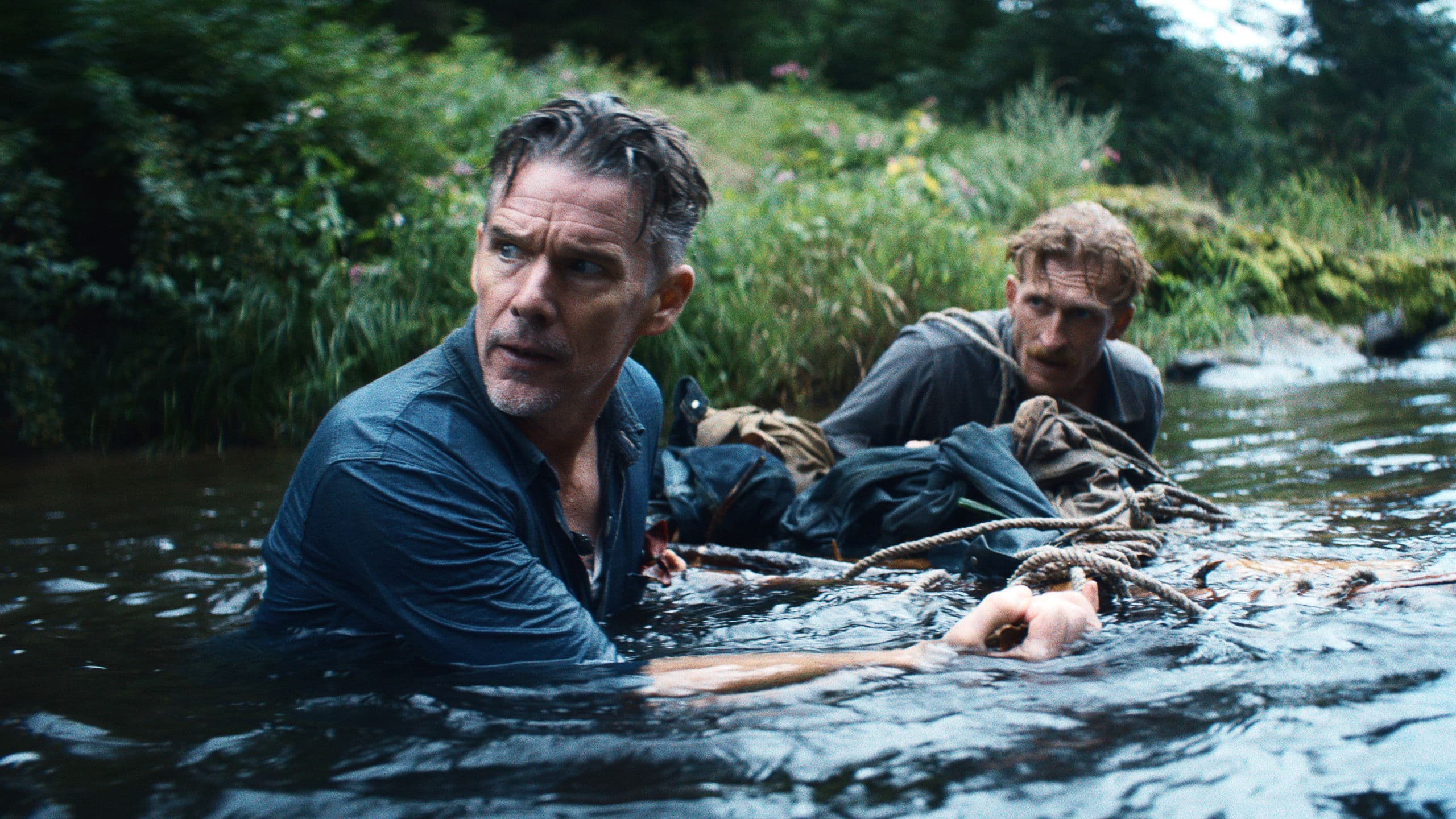
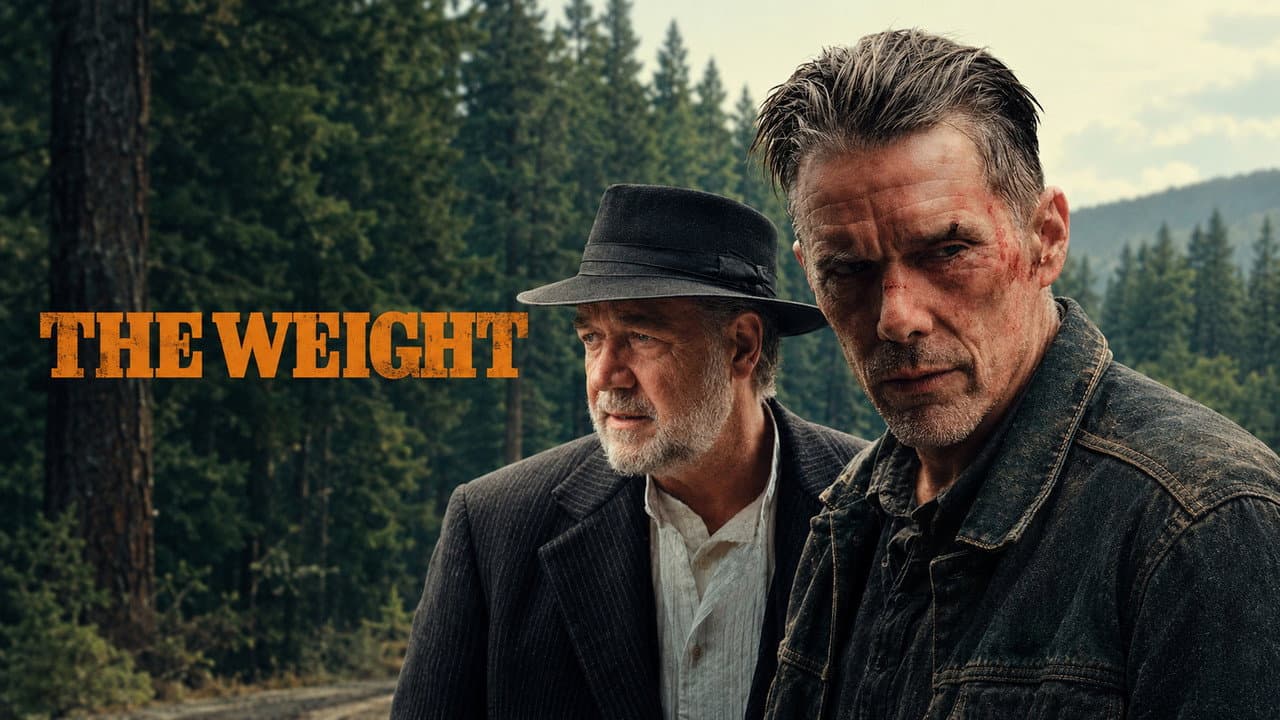
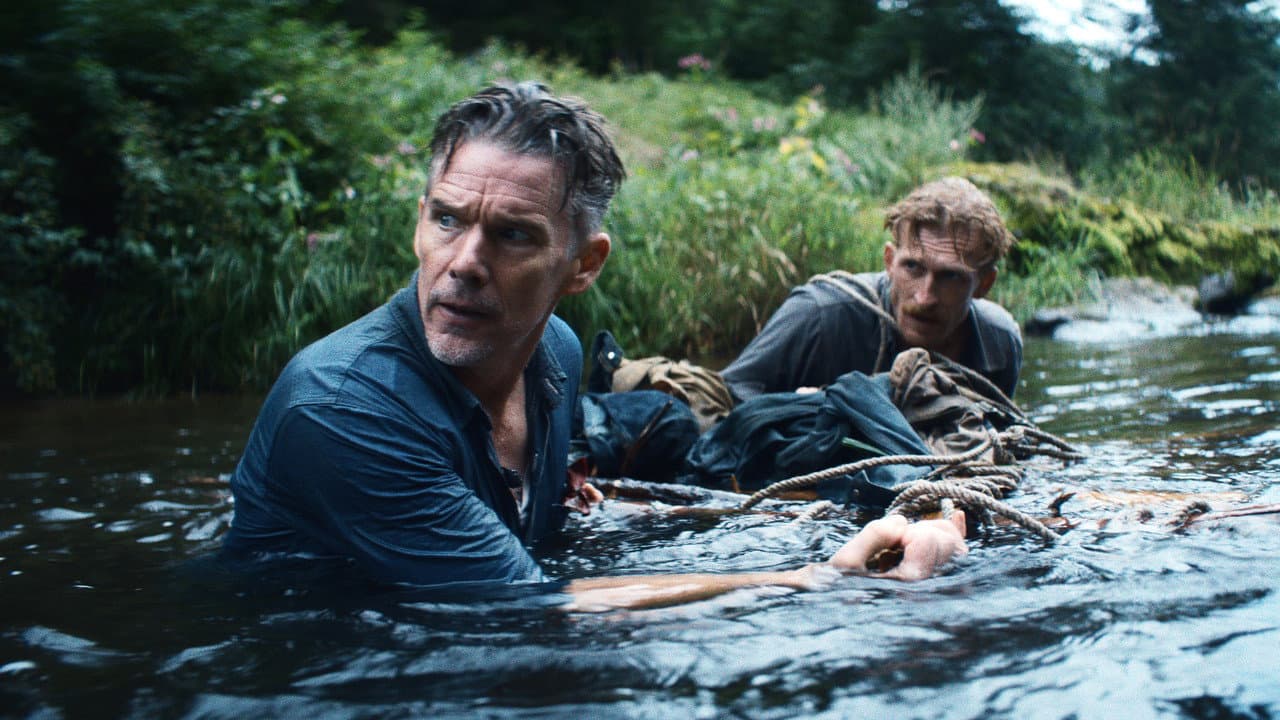
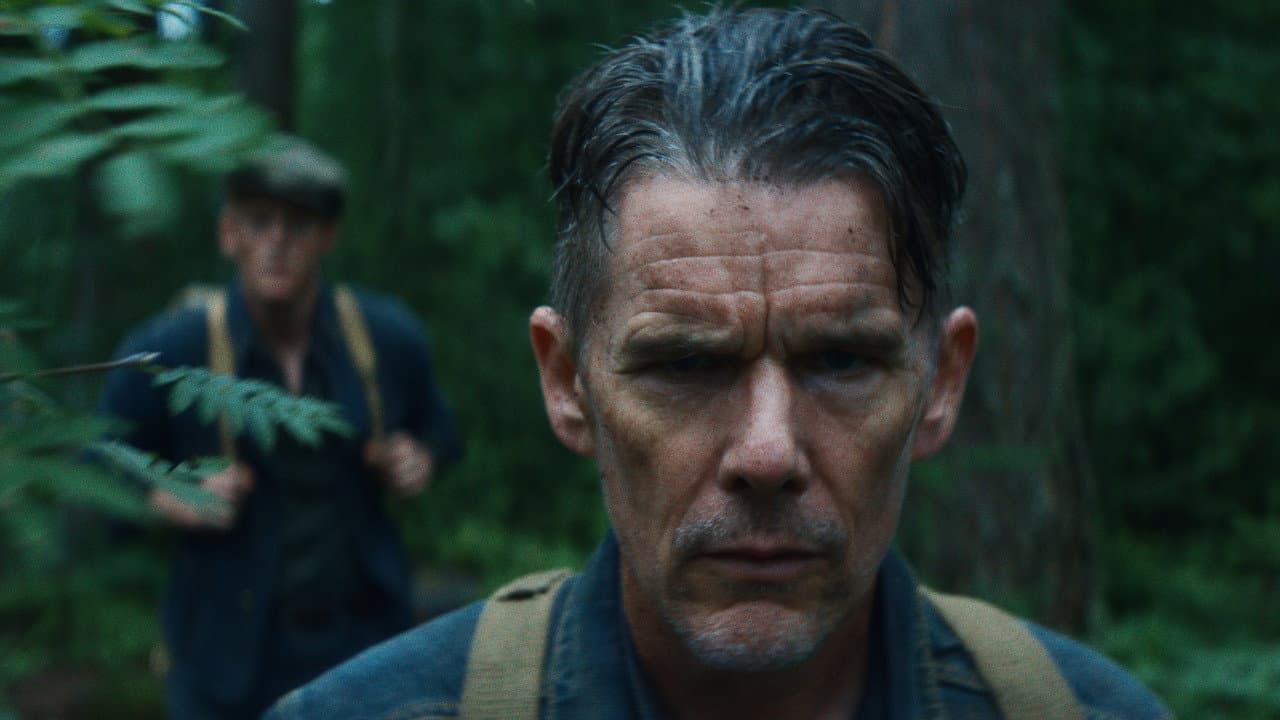
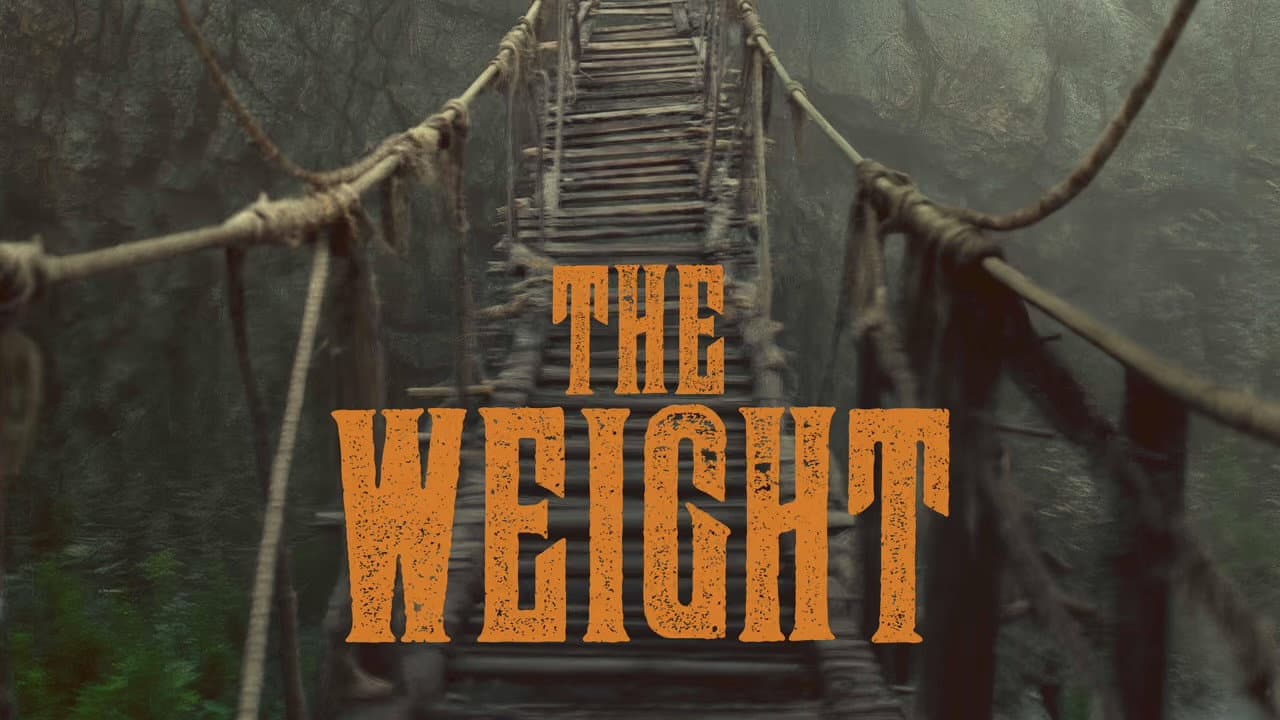
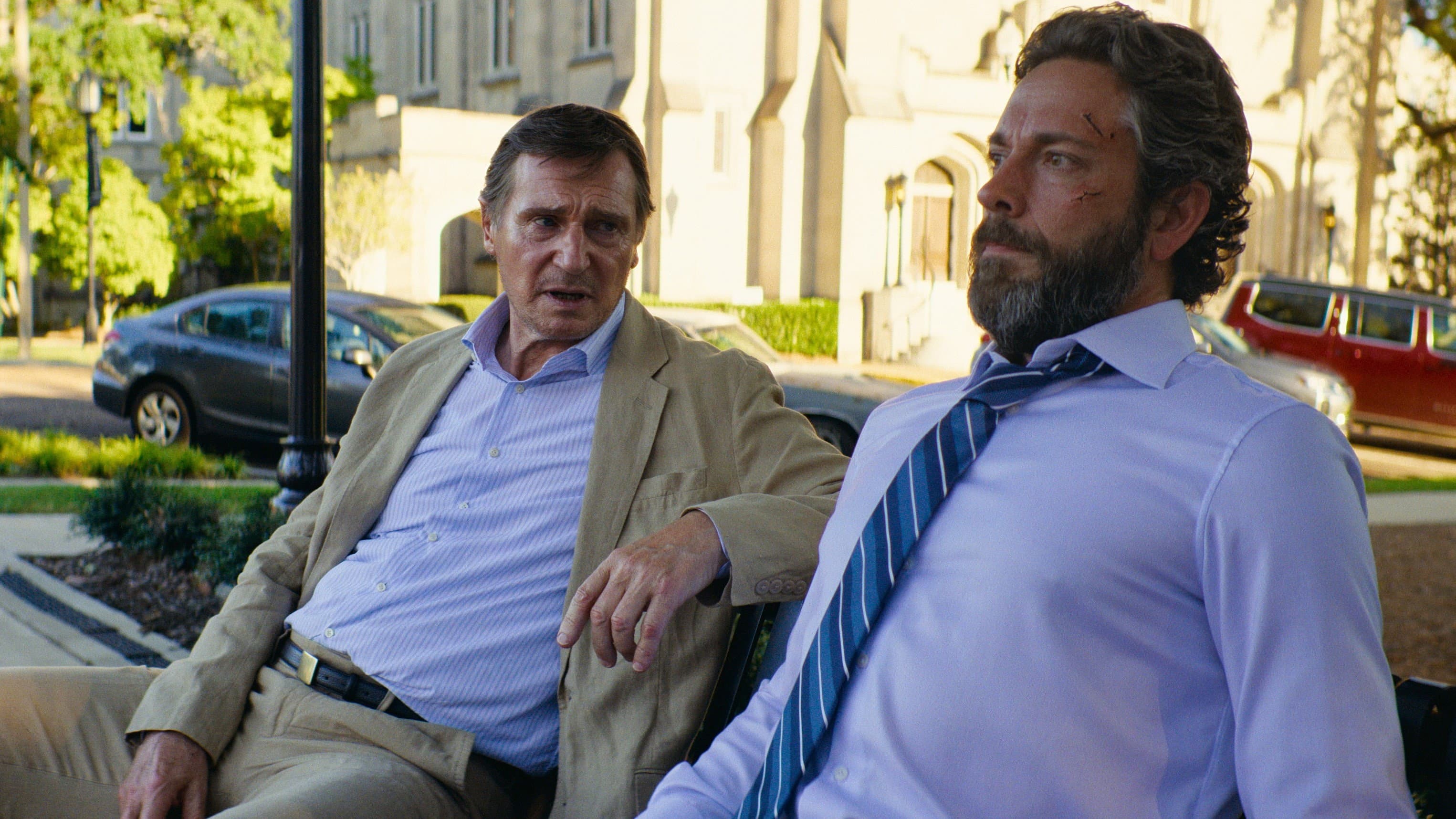
Let's start with Hawke, because he's the reason this thing works. He's played broken men before, but Samuel is a different kind of broken - quieter, more resigned, the kind of exhaustion that lives in the shoulders. Hawke doesn't beg for sympathy. He just sits in the character's grief until you feel it in your own chest. When he finally lets loose, it lands because he's earned it.
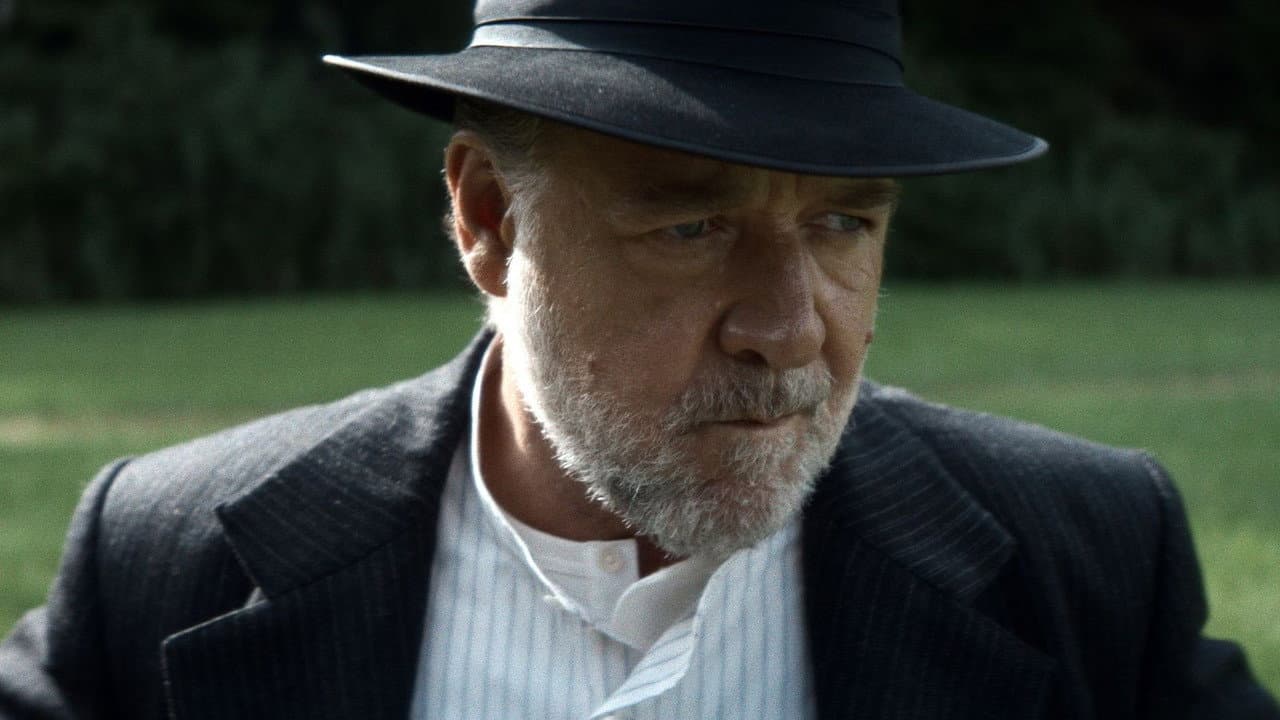
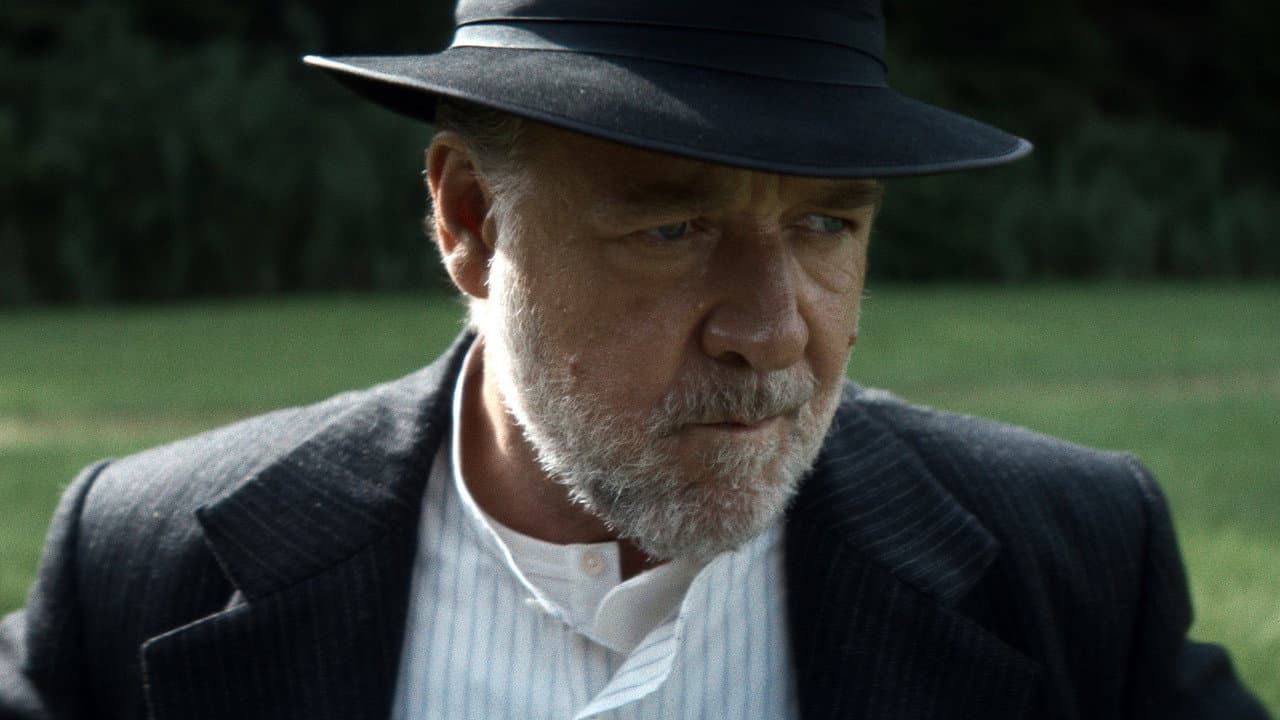
Crowe, meanwhile, is having a grand old time as Warden Clancy. He's less a mustache-twirling villain than a businessman with a Bible on his desk and blood under his nails. The scenes between him and Hawke crackle; two actors who know exactly how to underplay a threat until it fills the room. The supporting cast fares less consistently. Austin Amelio's Rankin is a live wire, and Julia Jones brings real steel to Anna, but Avi Nash and Lucas Lynggaard Tønnesen feel underdrawn, their characters more function than flesh. In a 112-minute film, that's a problem - you want the crew to feel like a powder keg, not a checklist.
McKinley's direction is confident, especially underground. The mine sequences are claustrophobic in the best way, all dripping rock and flickering lamps, and he wisely resists the urge to over-score them. The film's biggest issue is pacing. The first act takes its time - arguably too much time - establishing Samuel's misery before the plot kicks in, and a mid-film stretch sags under the weight of its own brooding. But when The Weight tightens its grip in the final act, it's genuinely tense, and the ending refuses the easy catharsis you might expect. That's a compliment.
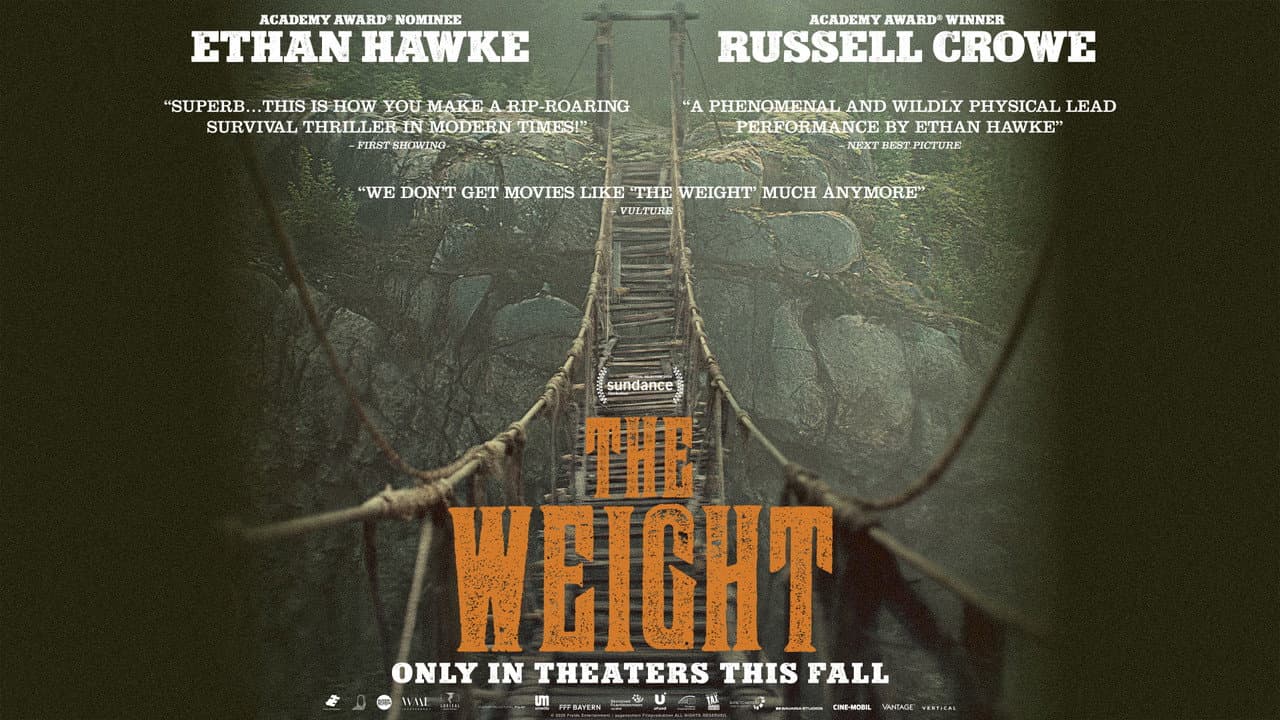
Is it derivative? A little. You'll spot echoes of Cool Hand Luke and any number of heist-gone-wrong pictures. But it's also handsomely made, well-acted, and sincere in a way that's increasingly rare in mid-budget Hollywood dramas. It doesn't pretend to be more than it is, and what it is happens to be pretty good.