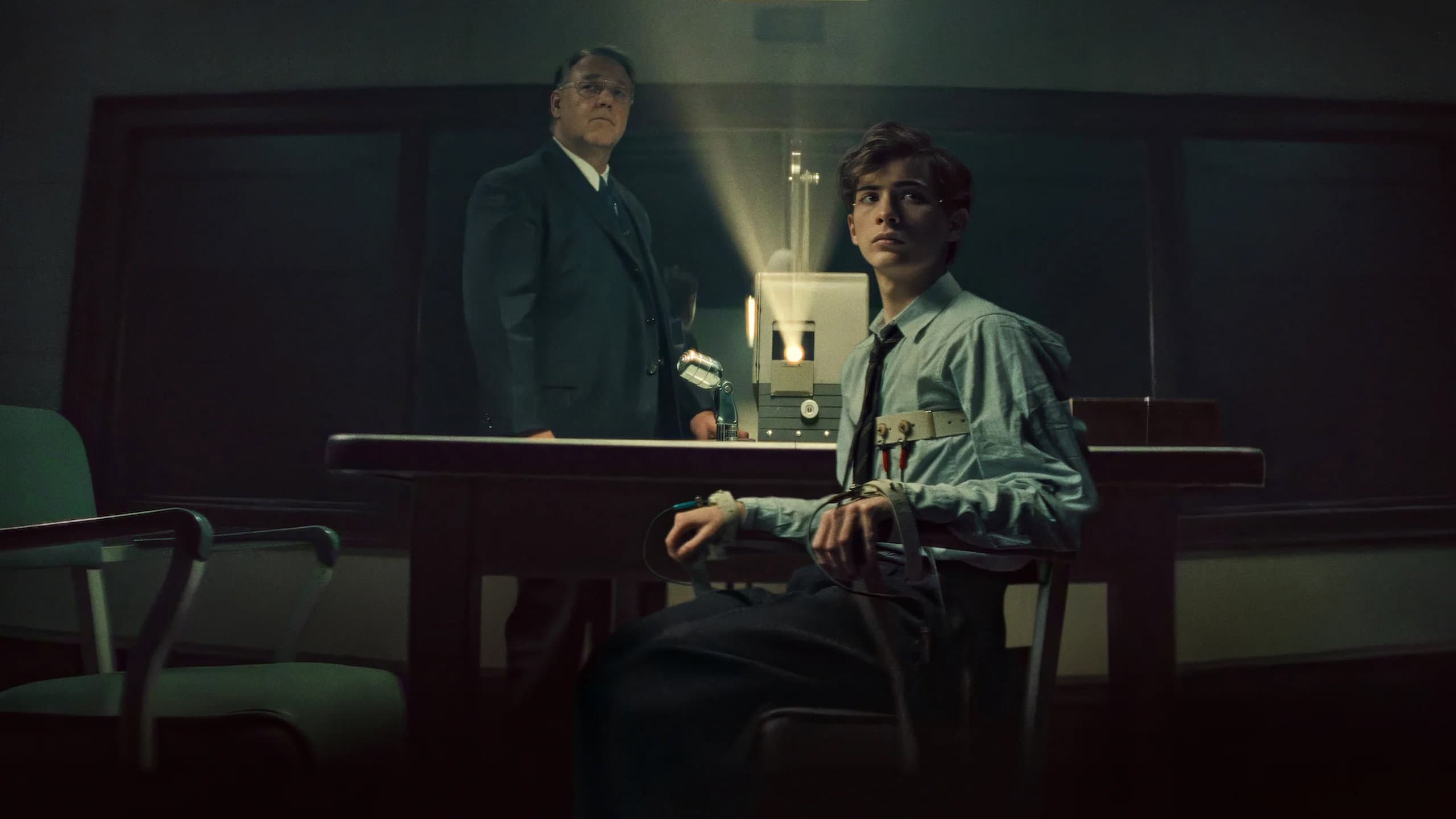
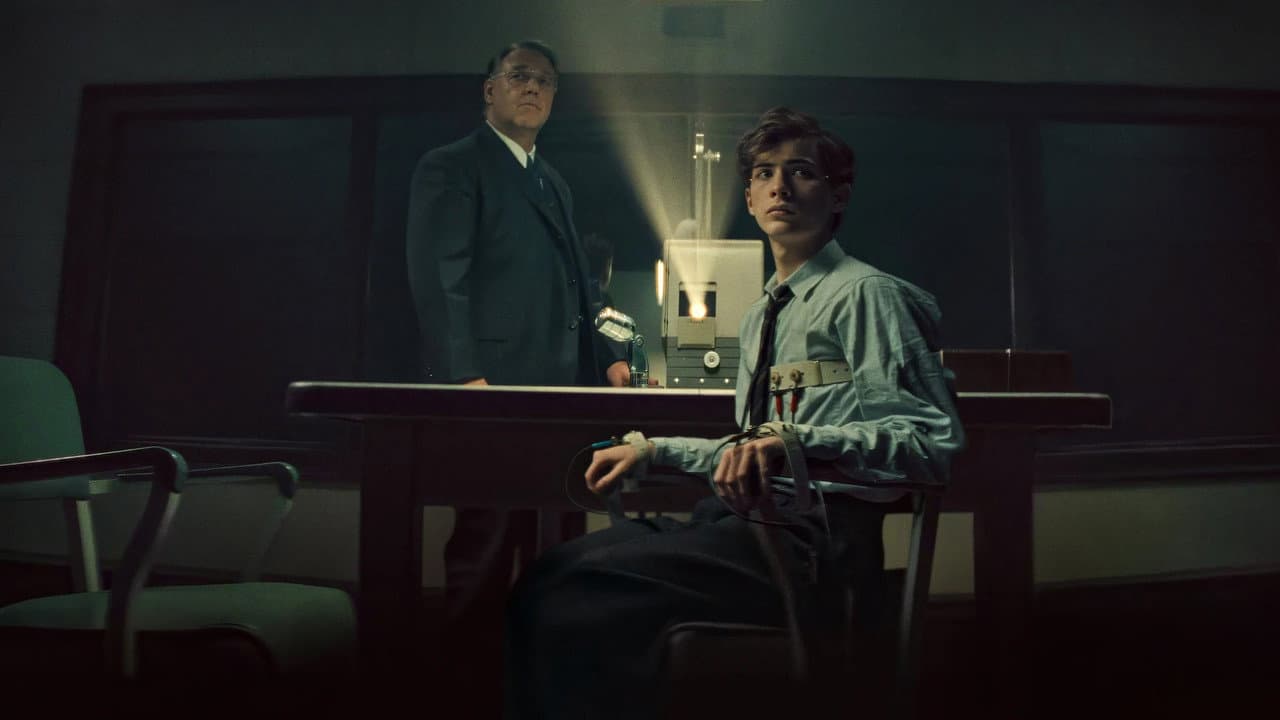
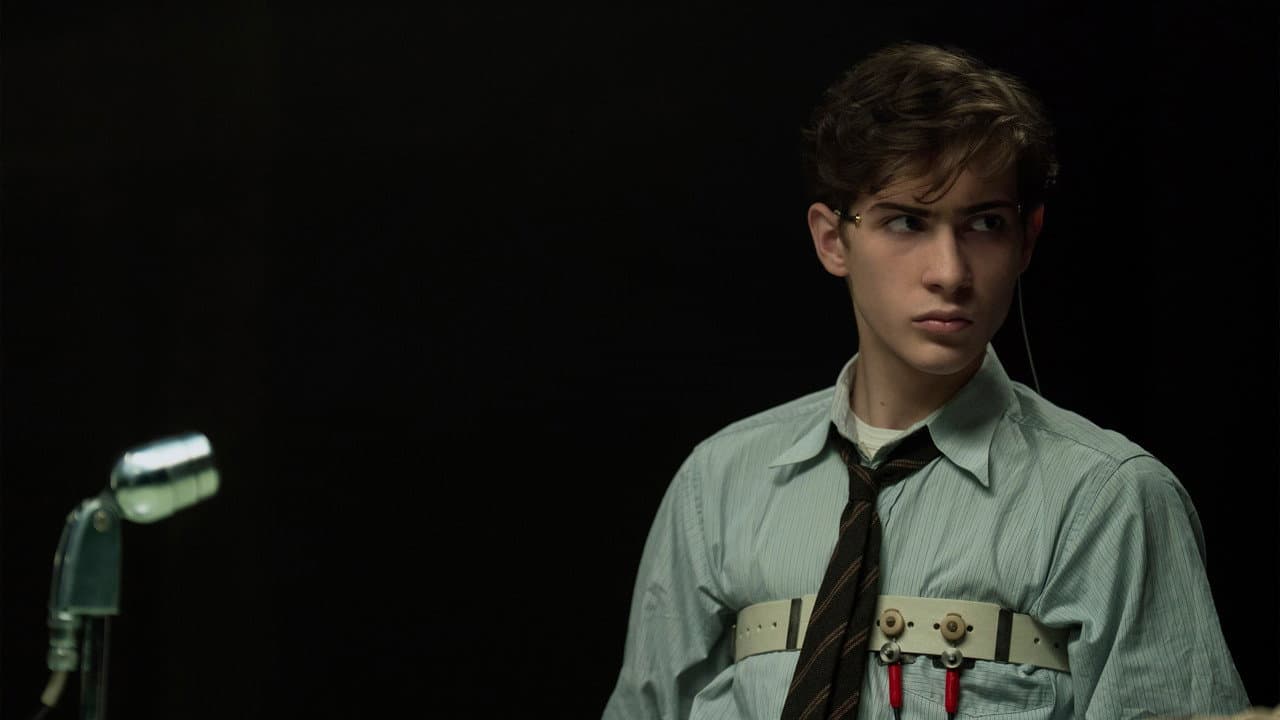
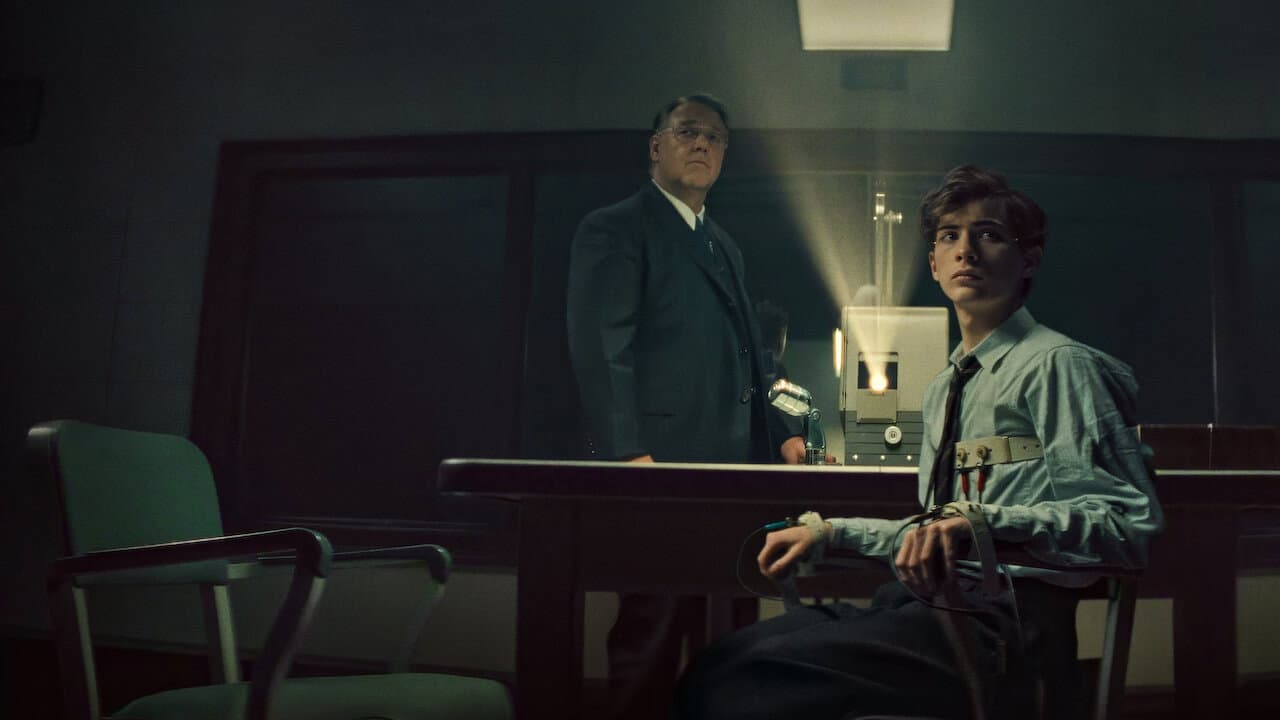
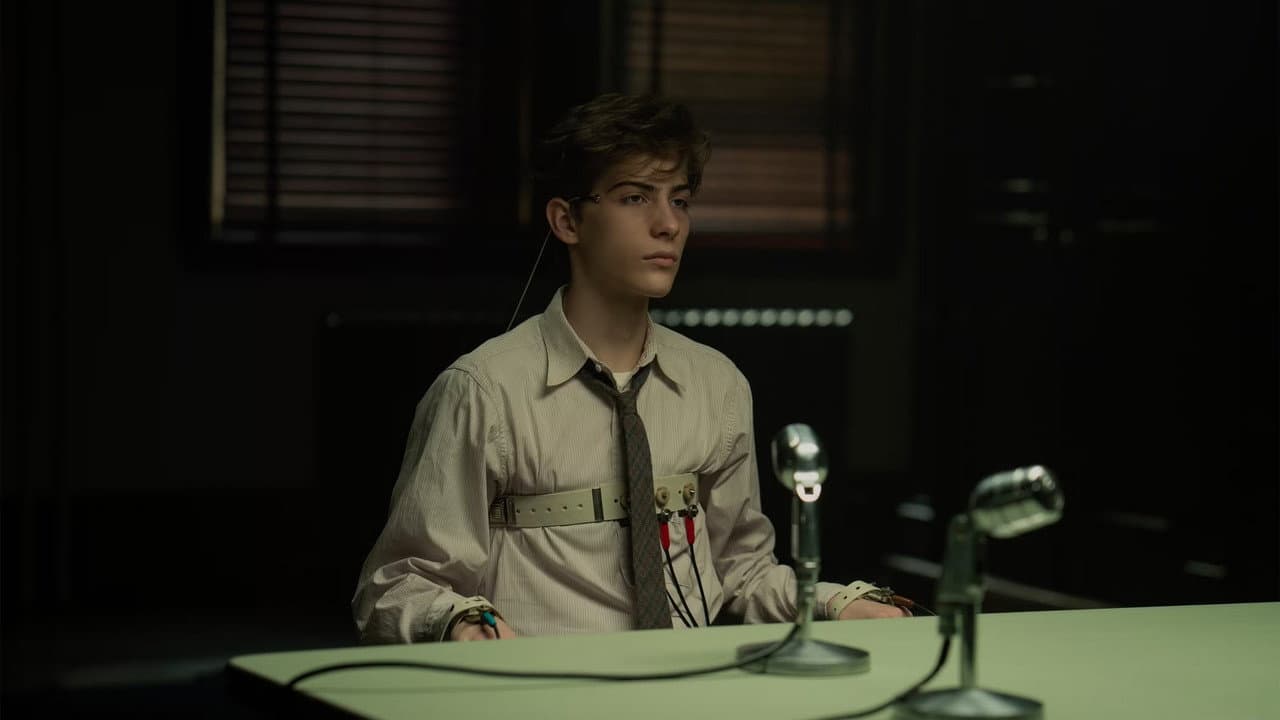
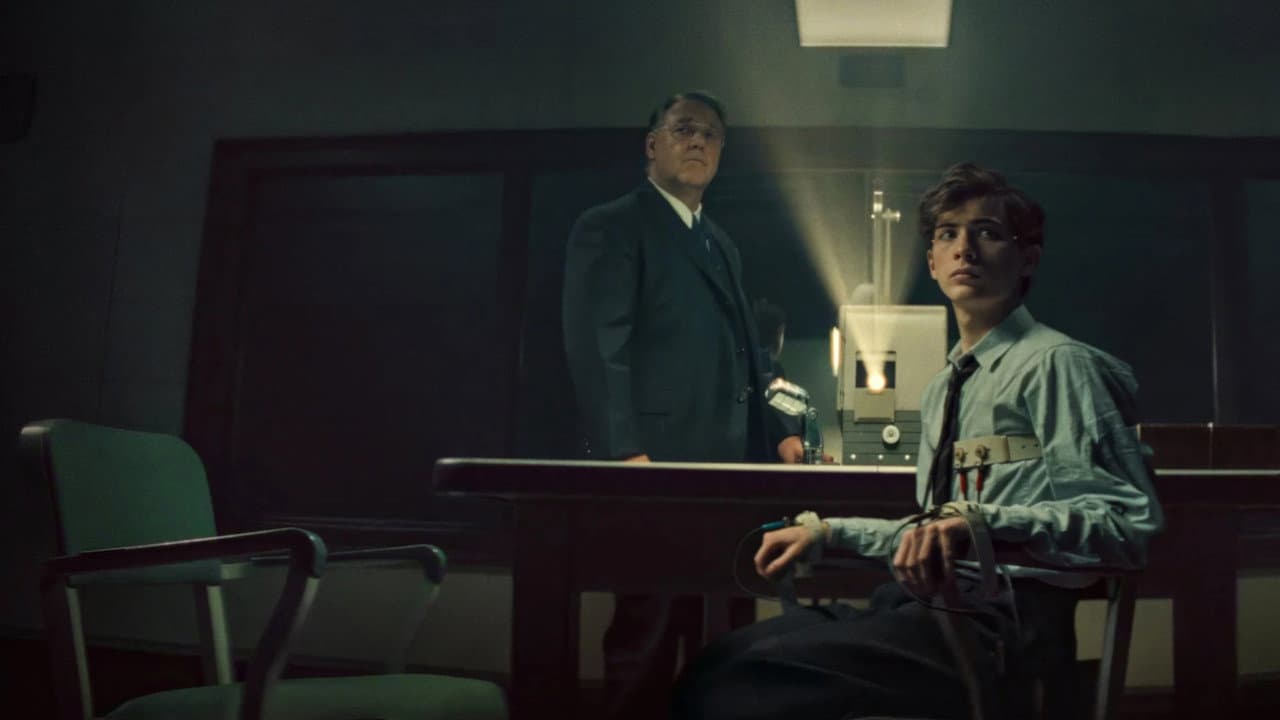
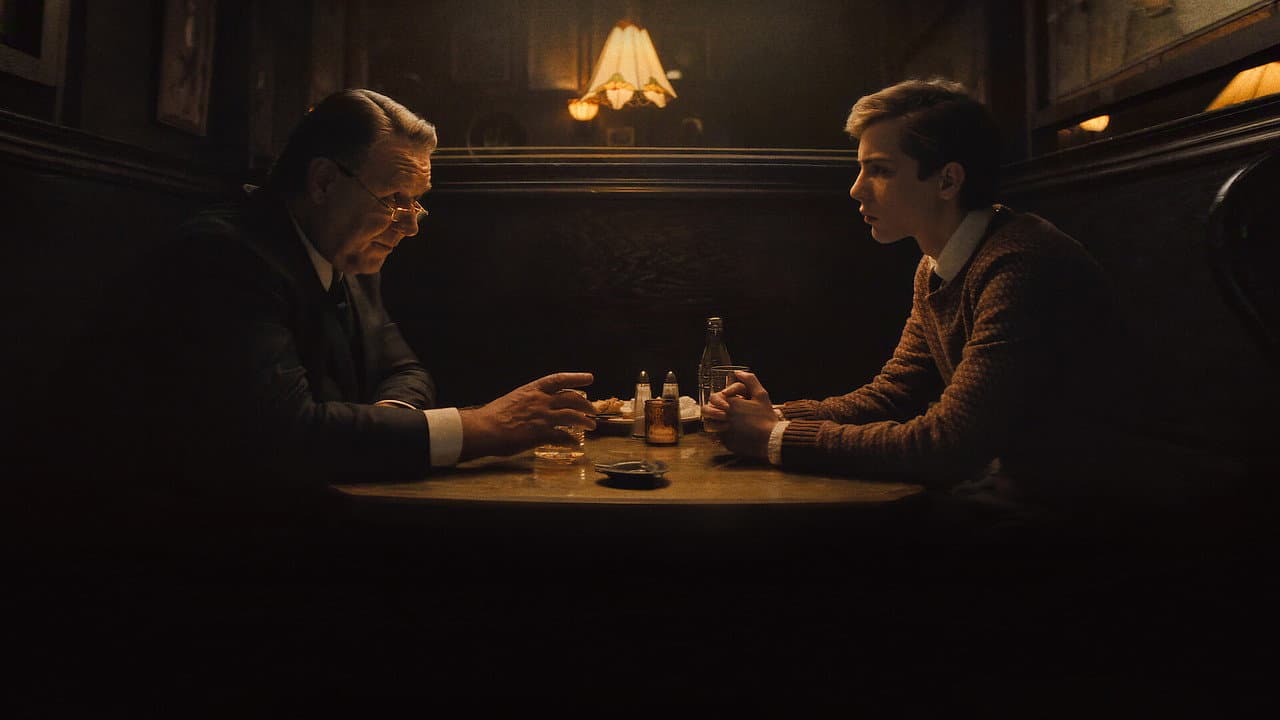
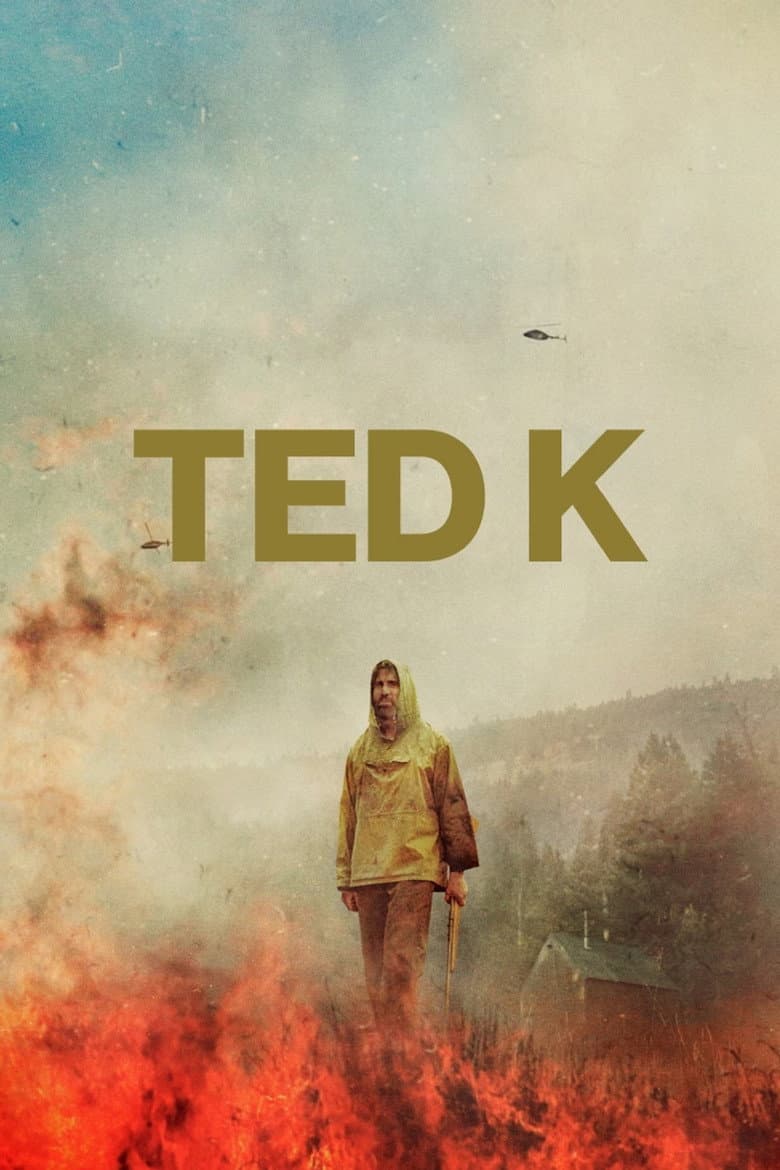
Metz, working from a script that blessedly avoids both hagiography and cartoon villainy, understands that the most frightening thing about Kaczynski isn't the bombs. It's the logic. The film patiently shows a young man who is gifted, awkward, and utterly unequipped for the casual humiliations of social life, then watches him calcify. The Harvard sequences are the film's strongest stretch, precisely because they resist easy causality. Murray's experiments didn't make Kaczynski a killer, the film suggests, but they taught him something corrosive about how power works.
Tremblay, now well past his child-actor years, is a revelation. He plays Kaczynski as a man running a constant internal calculation, his eyes darting, his jaw tight, his rare smiles arriving at the wrong moments. It's a performance of enormous restraint, and it could have curdled into tics. It doesn't.
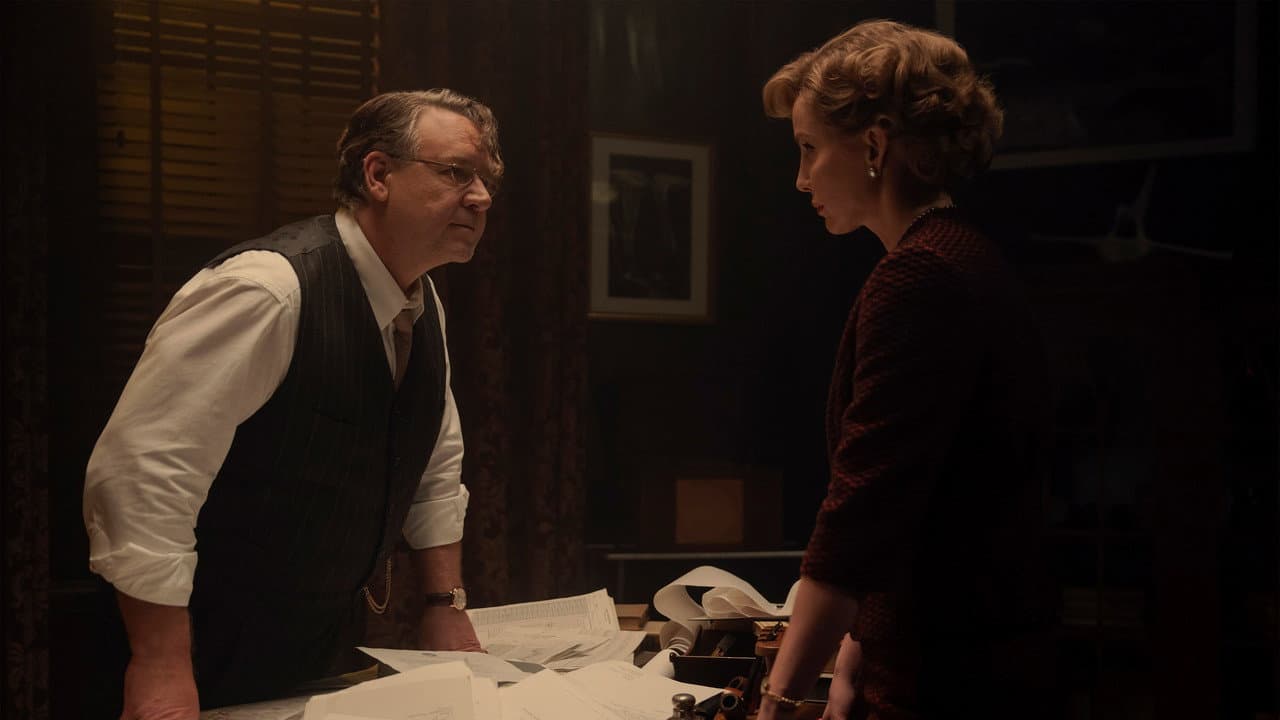
Crowe, meanwhile, seems to relish playing a monster of a different kind - a respected academic who destroys young men and calls it science. He's avuncular, bored, faintly amused, and the film wisely refuses to give him a reckoning. Some people, Metz implies, simply get away with it.
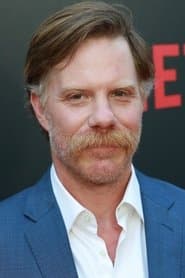
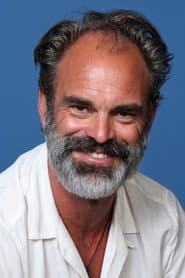
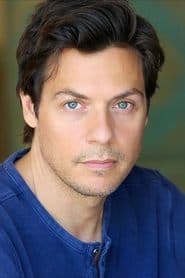
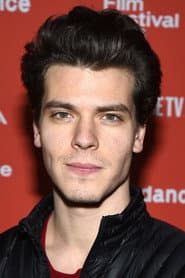
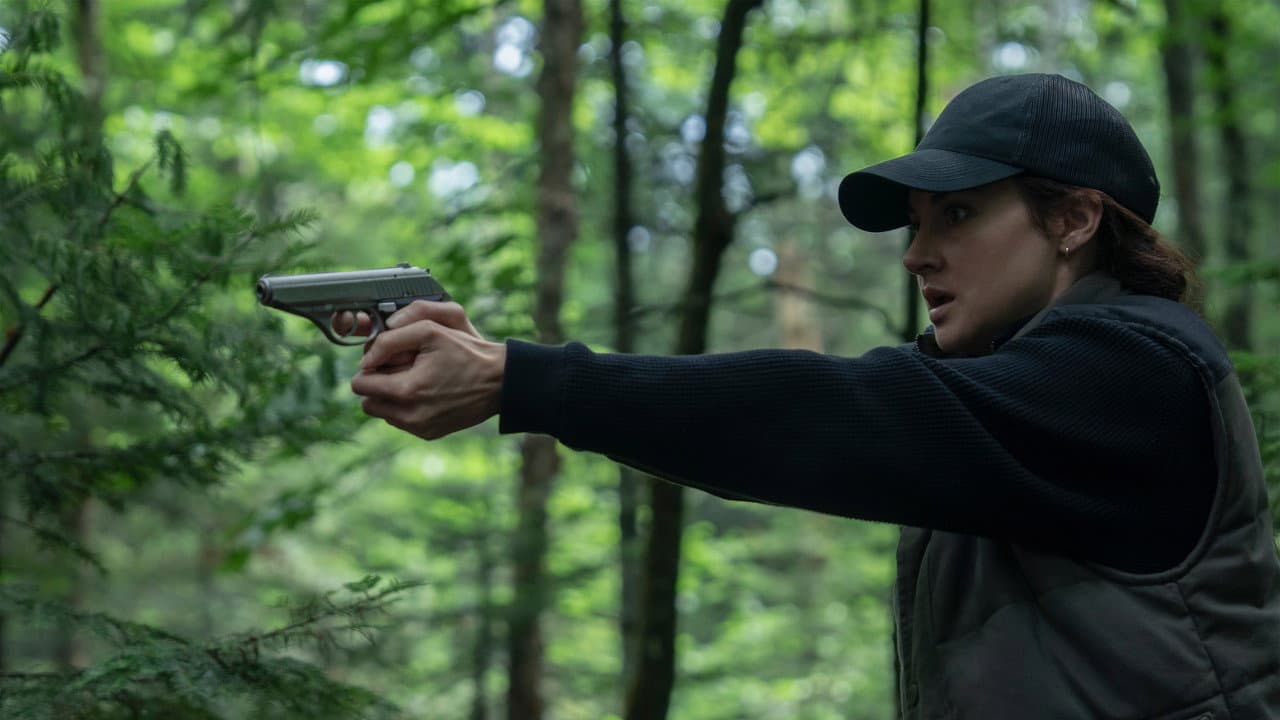
The supporting cast is sturdy if underused. Woodley anchors the investigation with a weary competence that keeps the procedural passages from feeling like filler, and Annabelle Wallis makes a sharp impression as Murray's collaborator and confidante. Steven Ogg and Marc Menchaca fill out the field-office ranks with the kind of gruff authenticity that a lesser film would have flattened into caricature.
Where UNABOMBER falters is in its third act, when it briefly remembers it's supposed to be a thriller. A foot chase feels borrowed from a different movie. A late reveal about Miller's personal stake lands with a thud. The film is at its best when it's quiet, and it doesn't always trust that.
At 101 minutes, it's also lean to a fault. The final confrontation between Miller and Kaczynski crackles, but the film rushes to it, skipping over the years of isolation that hardened him in the first place. A longer cut might have deepened the tragedy. What's here is potent, but it leaves you wanting one more chapter.