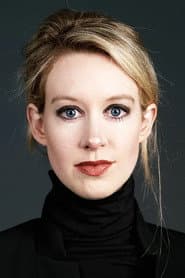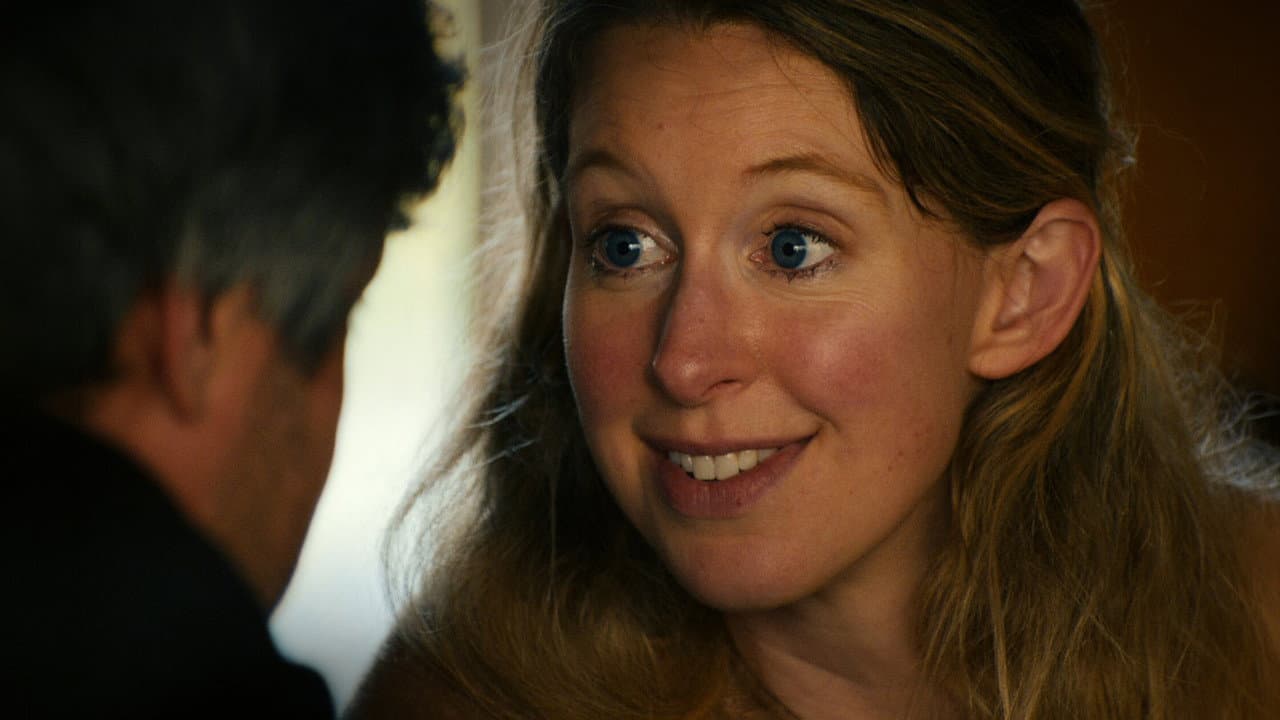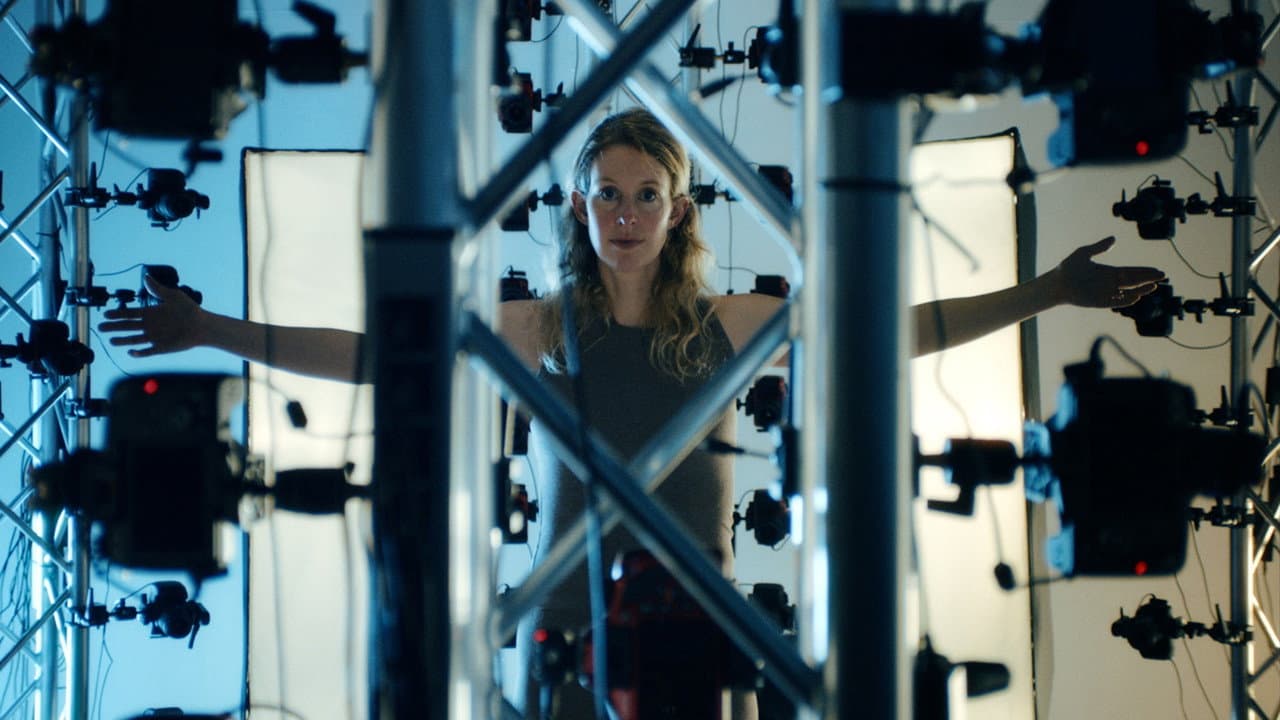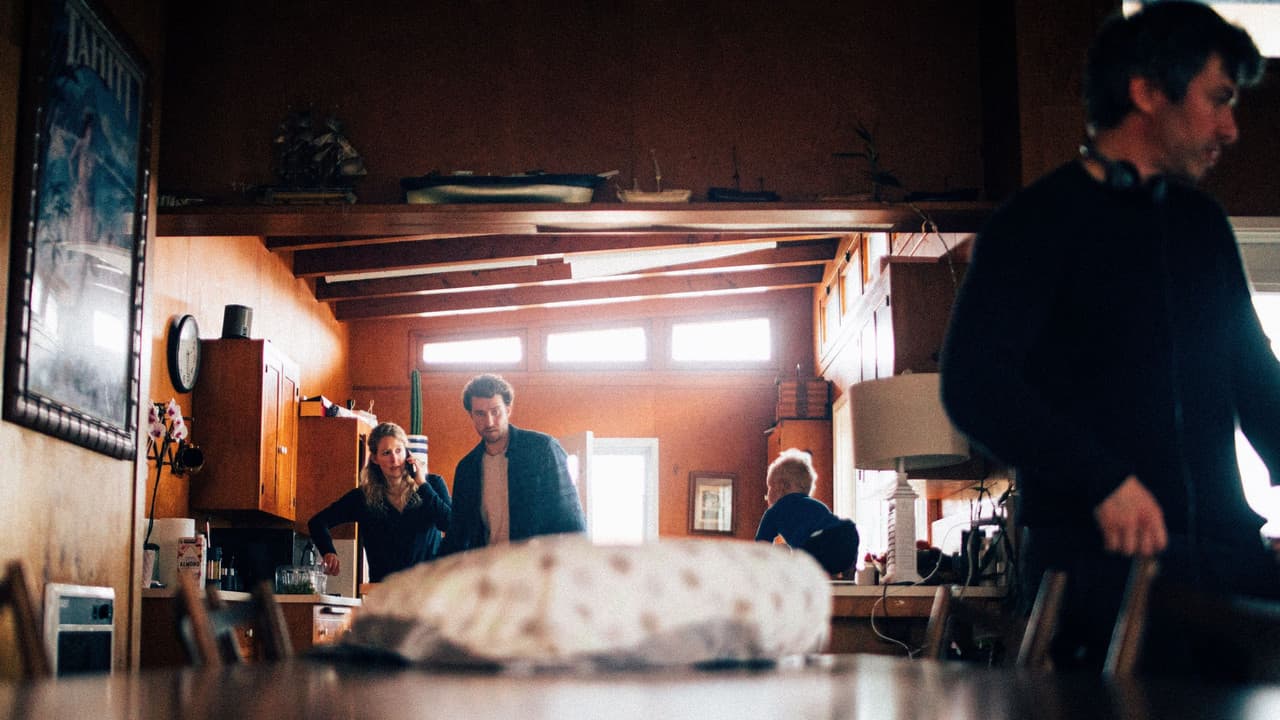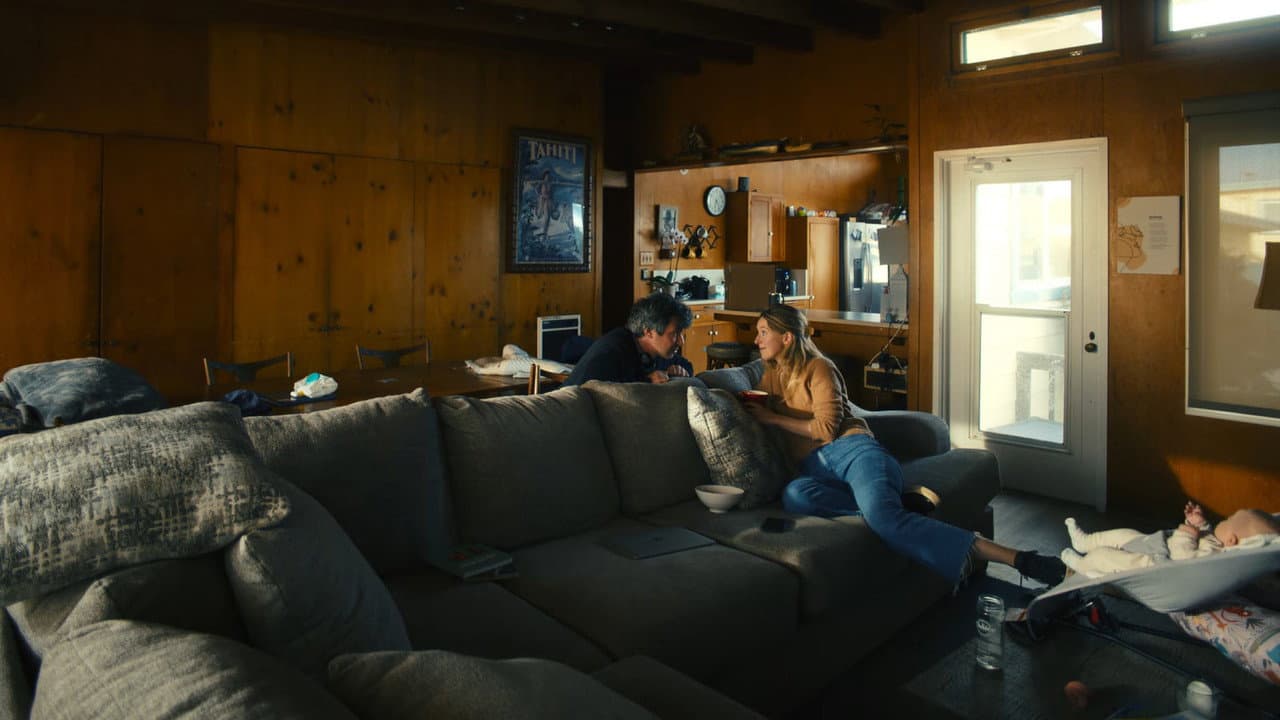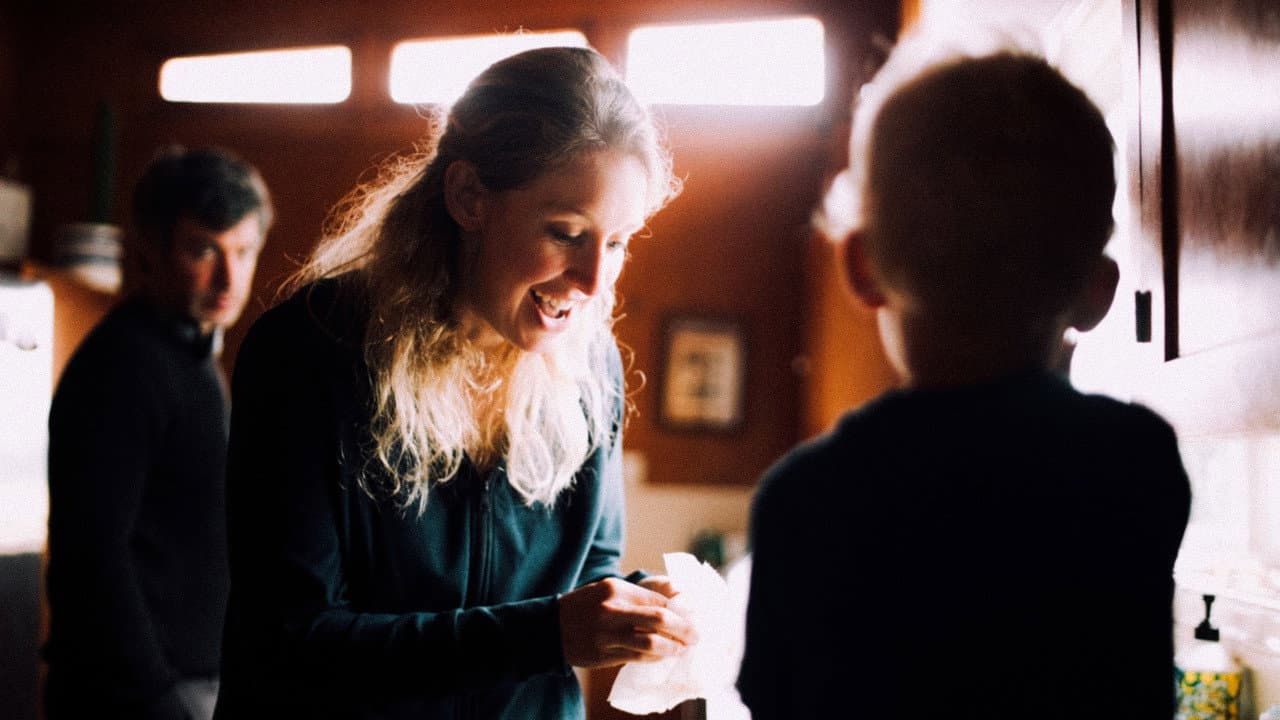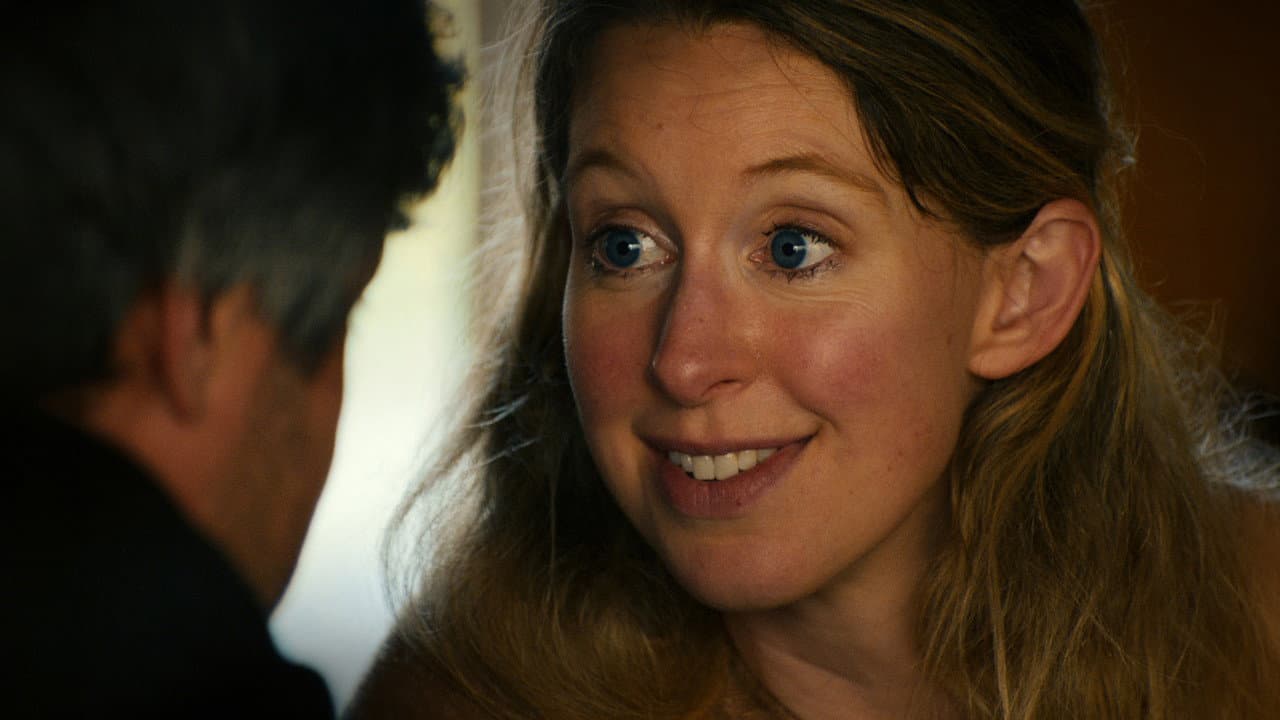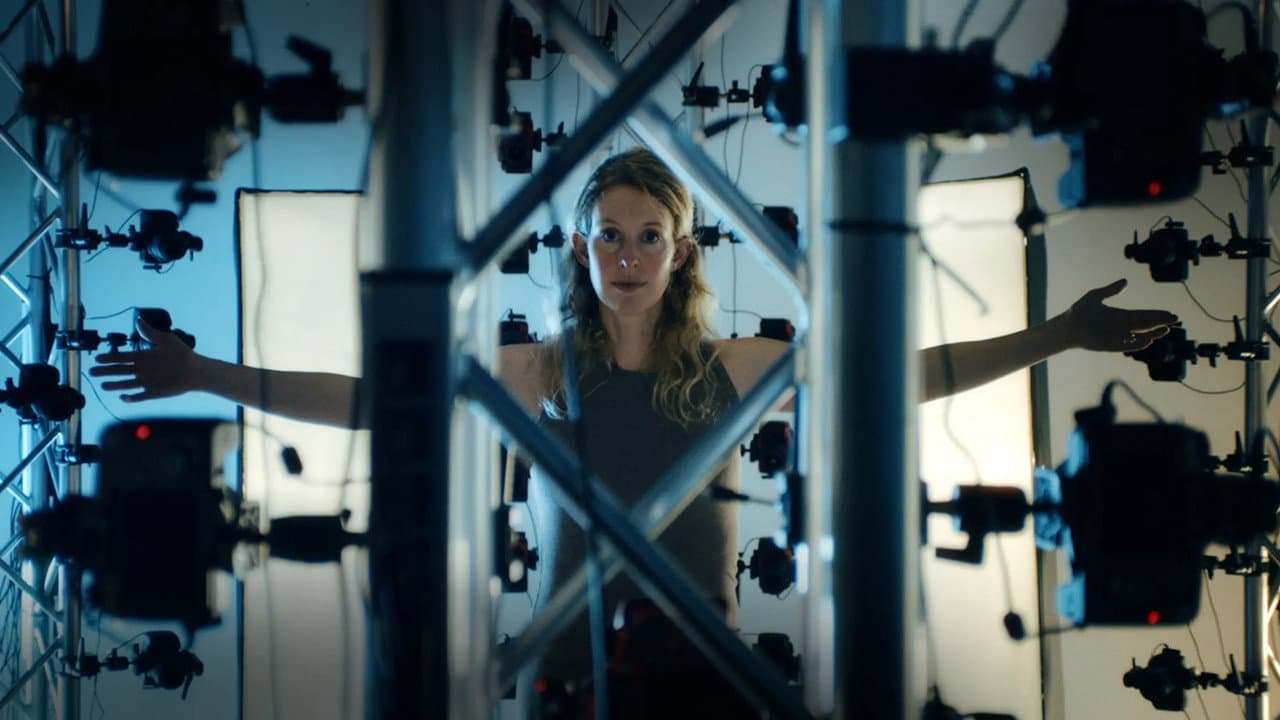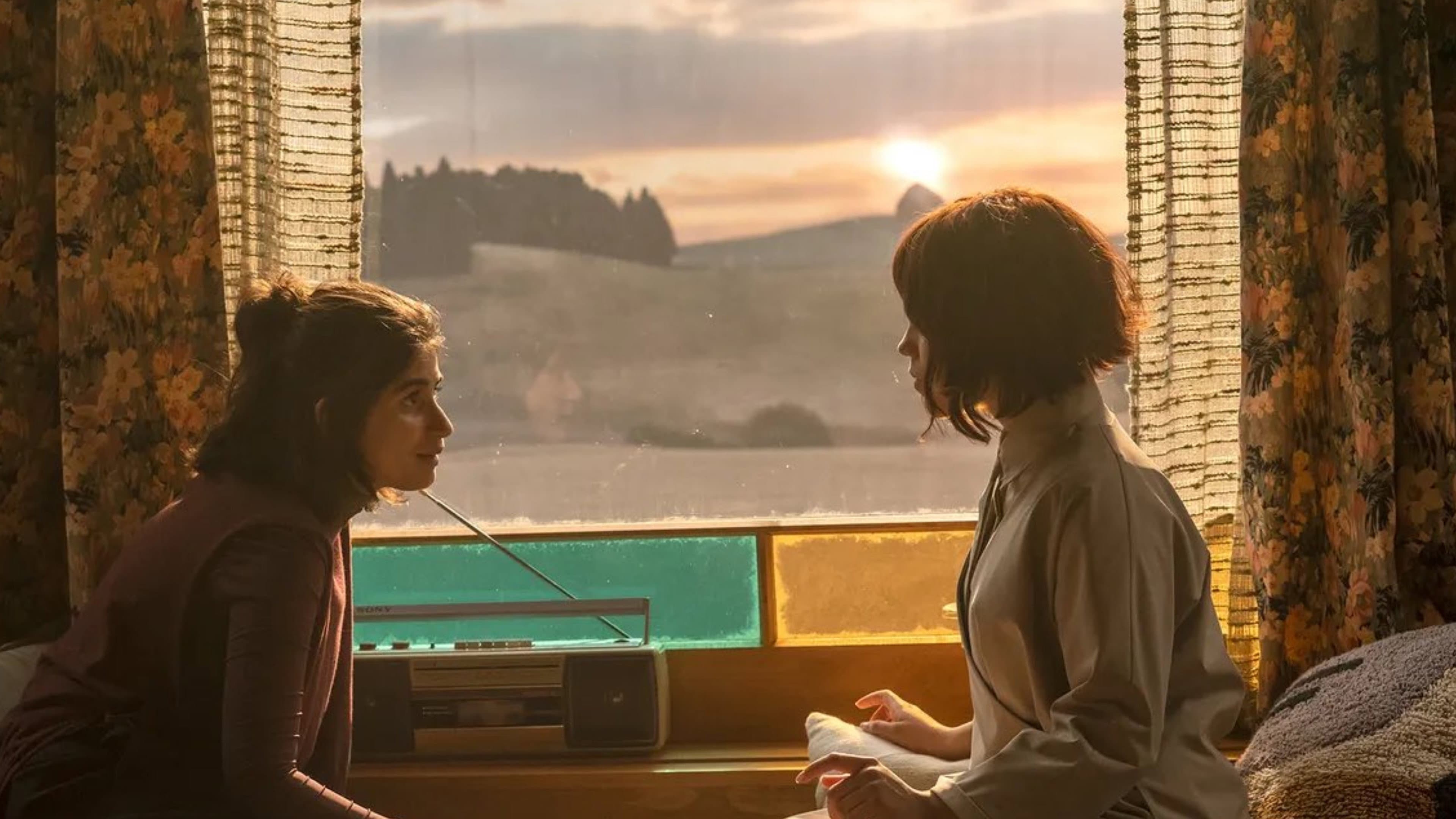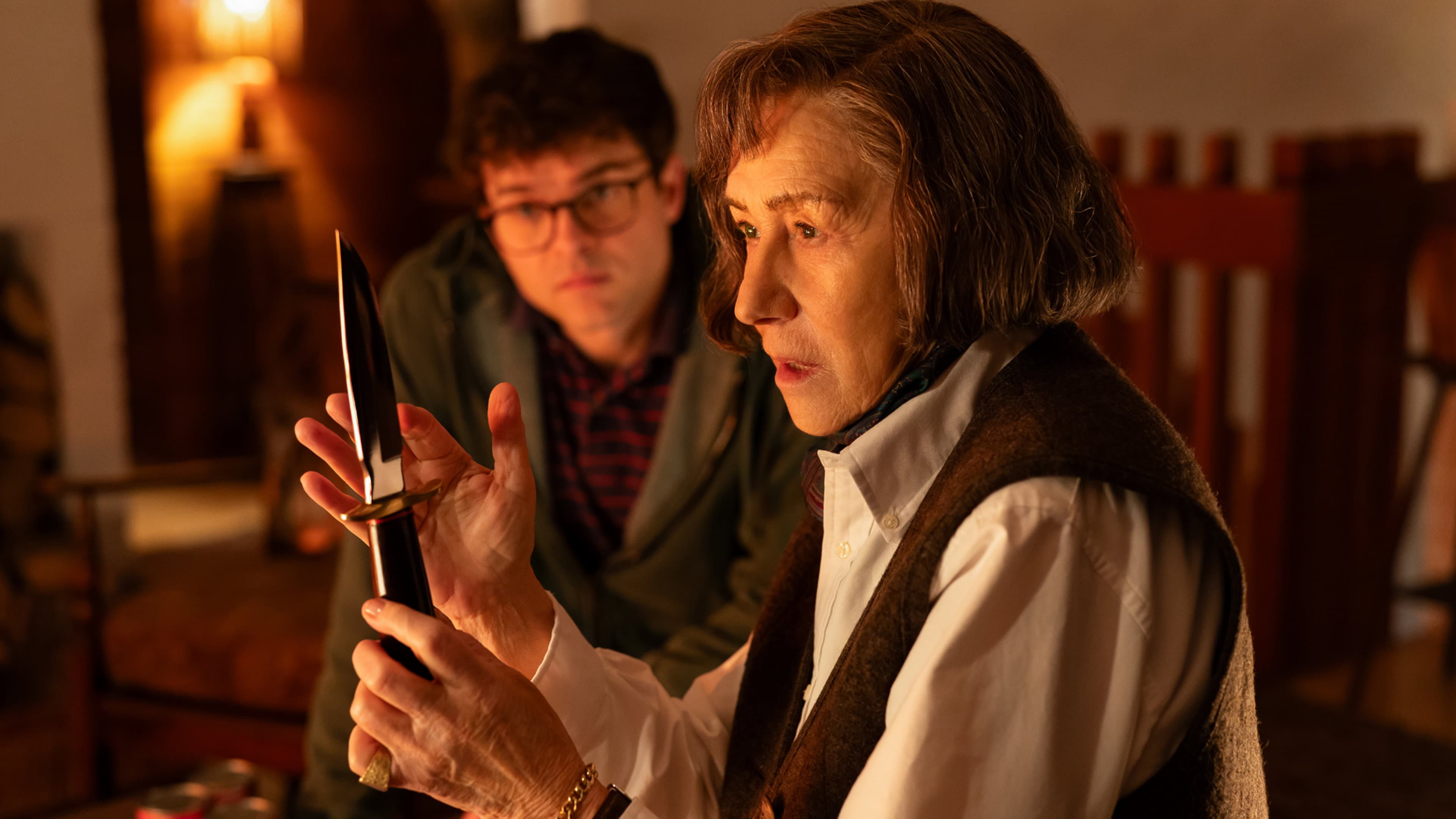
The setup is deceptively simple. Elizabeth Holmes, notorious founder and convicted felon, grants a skeptical film crew unprecedented access in the weeks before her sentence begins. She wants to be seen, understood, maybe even redeemed. Fielder, playing the deadpan provocateur we know from his television work, isn't buying it - and the tension between her performance and his suspicion becomes the film's engine.
Then the timeline stretches. What was supposed to be an intimate month-long portrait balloons into a three-year odyssey. Billy Evans, Holmes's partner, drifts through the frame like a man who wandered in from a different movie. Amanda Seyfried appears as herself, somehow also playing Holmes, a doubling that the film never bothers to explain and never needs to. Christopher Abbott shows up as himself. The couple's children, William Holmes Evans and Invicta Holmes Evans, become recurring presences in a narrative that keeps folding back on itself. Lance Oppenheim, a documentarian in his own right, is here too, as himself and as a mirror.
Somewhere in the second hour, the film stops pretending to be about Holmes at all. It becomes about the act of watching, the ethics of the camera, the impossibility of capturing a person who has spent her entire life manufacturing a version of herself for public consumption. By the final act, the abyss isn't just Holmes's - it's ours.