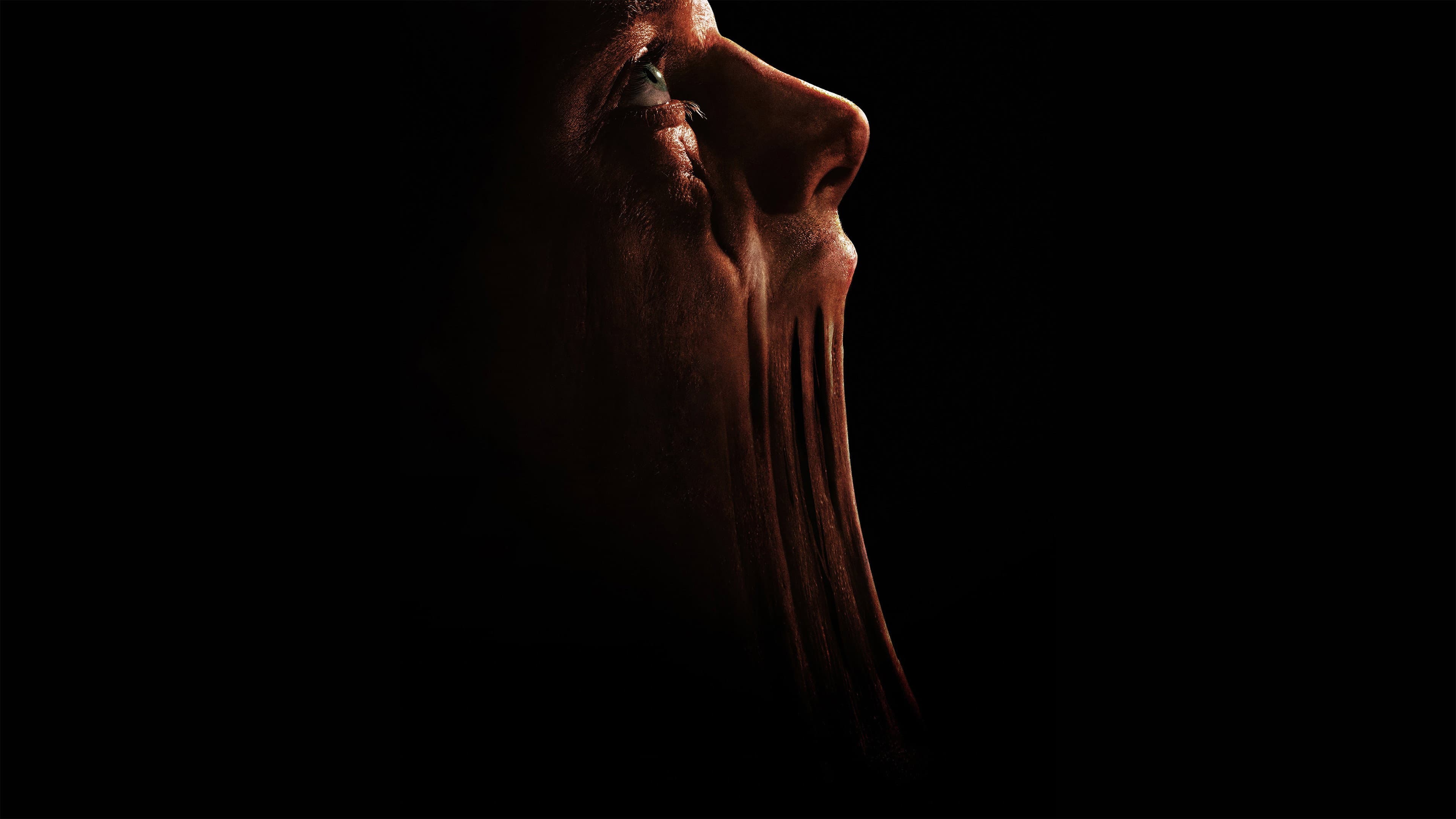
The asteroid was always coming. That much Ethan Nichols knew. What he couldn’t know, as he stood amid the endless rows of his late father’s greenhouse, was how quickly the world outside would come apart - and how much of himself he would have to surrender to survive it. That’s the premise of After Impact, the somber science-fiction drama from director Michiel Rensen that has been quietly generating conversation since its September 15 release.
Rensen, who also stars as Ethan, opens the film on a note of inheritance and unease. Ethan’s father is gone, and what he leaves behind is one of the largest greenhouses in the country - a glass-and-steel Eden at precisely the moment an approaching asteroid turns the horizon into a countdown clock. The irony is deliberate. Here is a man who has inherited the means to grow life, staring down an extinction-level event. As society begins to fray at the edges, the film narrows its focus. This is not a story about scientists in a control room or politicians making speeches. It’s about one man, his bunker, and the slow erosion of everything he thought he was.
The supporting cast sketches the fault lines of Ethan’s world before the sky falls. Maxie Li plays Jessie, Riki Antonievich is Jack, Will Clague appears as Connor, and Stephanie Ramlose and Lee-Ann Dirks round out the ensemble as Elle and Sophie, respectively. Moehau Hodges-Tai’s Desmond and James Crompton’s Religious Member add texture to a narrative that treats the approaching disaster less as spectacle and more as a pressure test for human relationships. Personal betrayal arrives early, and it cuts deeper than any rock from space.
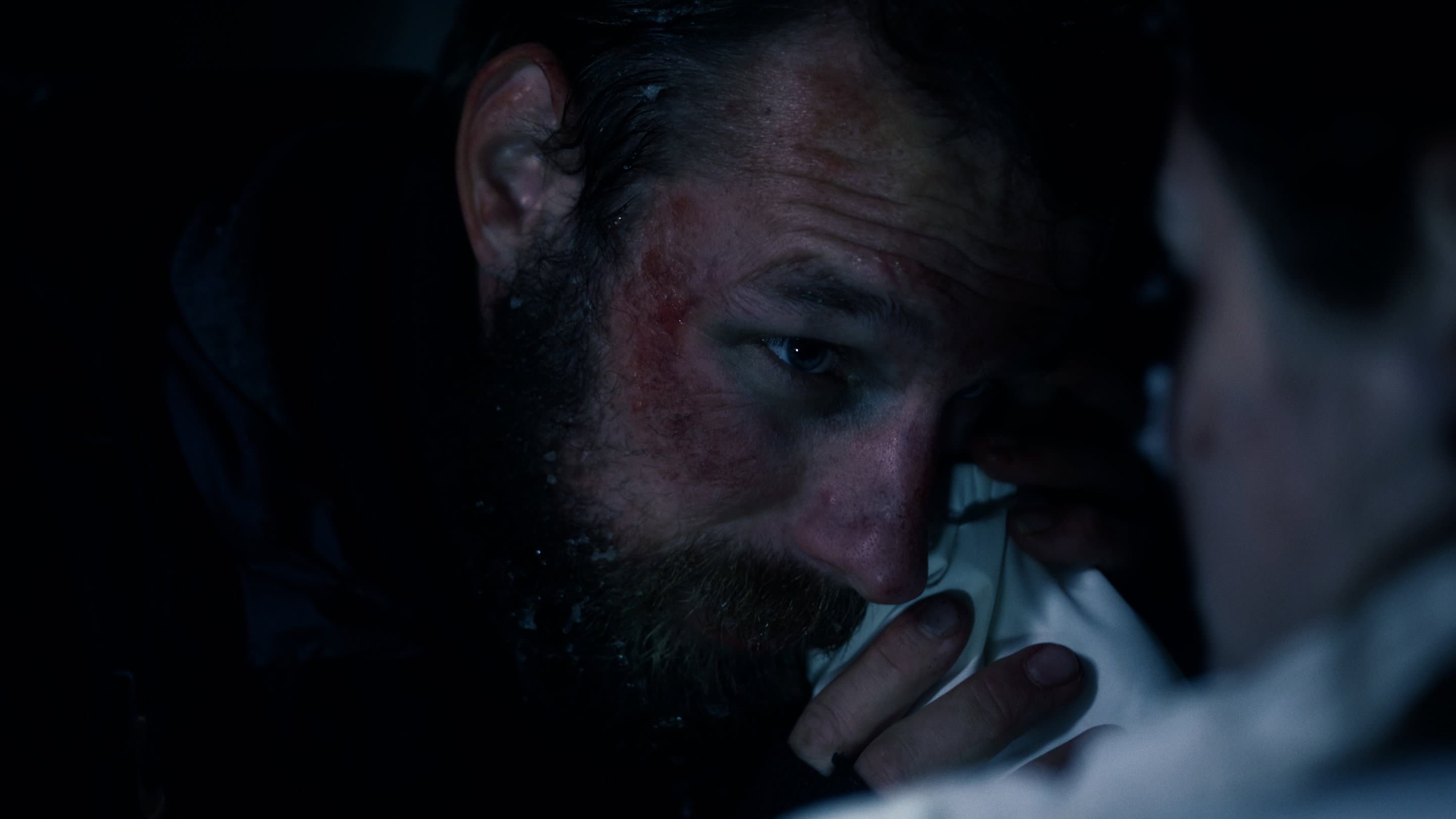
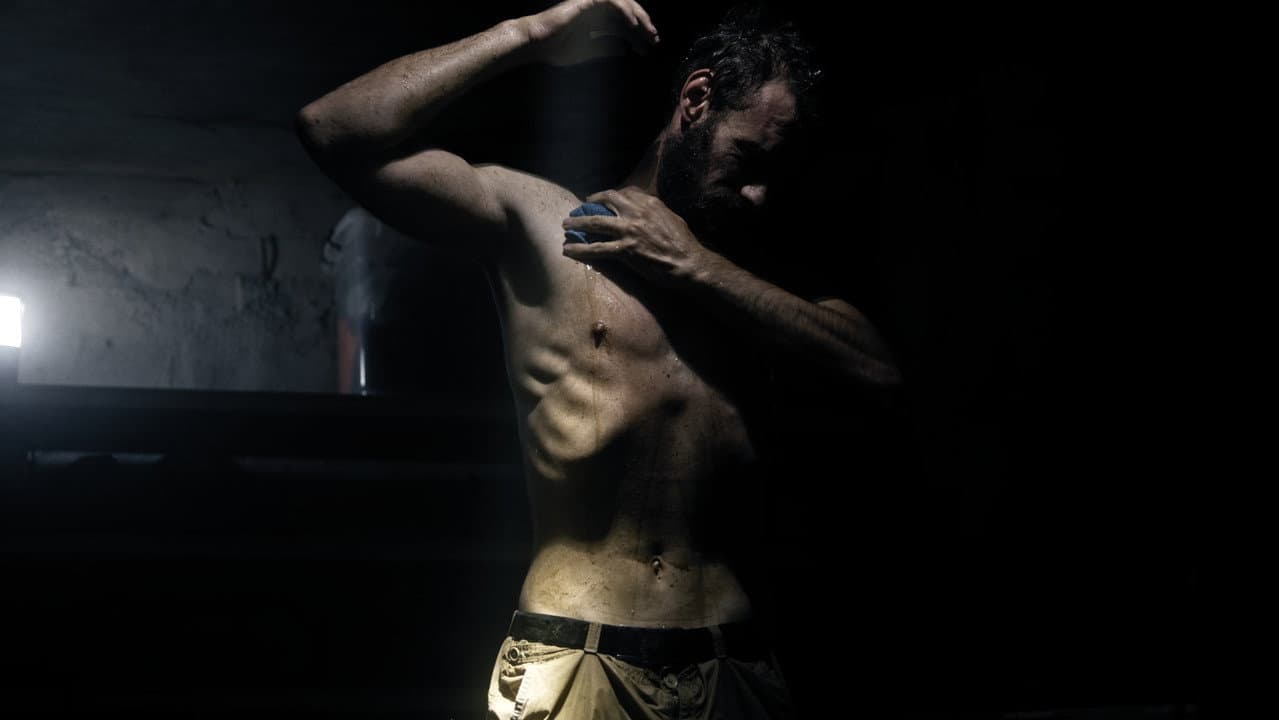
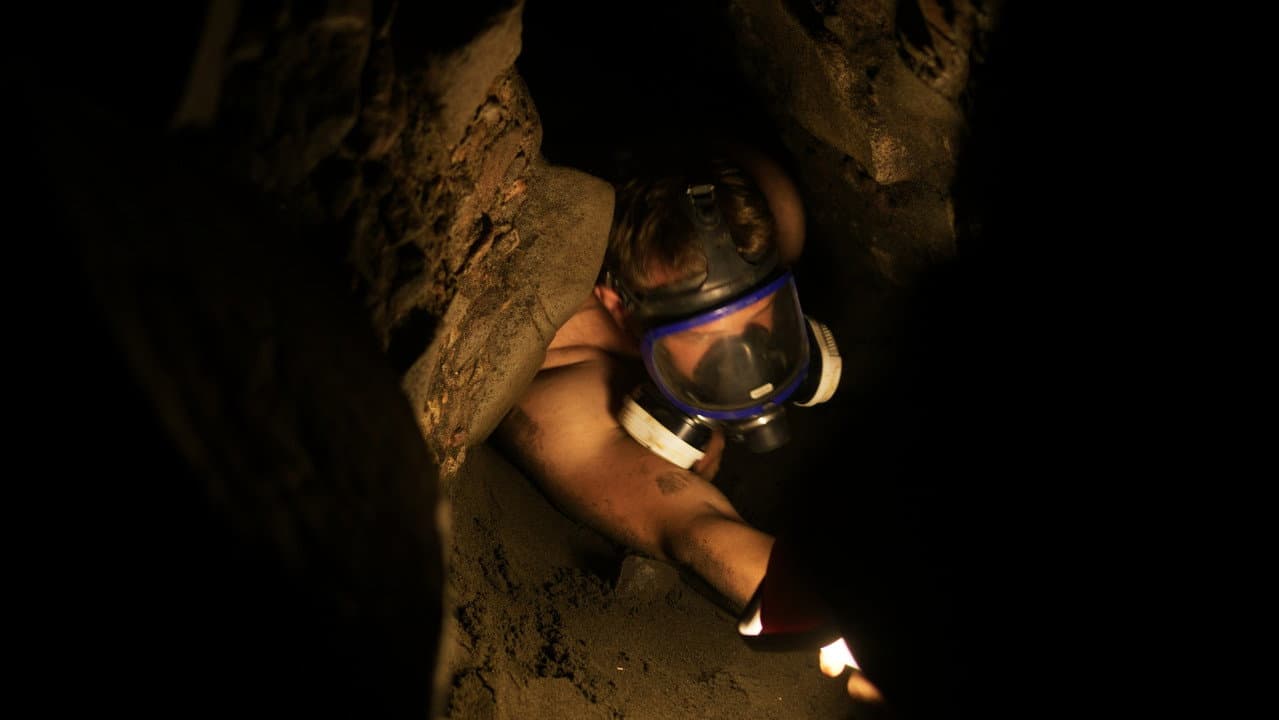
What follows the impact is where After Impact stakes its claim. The film spends its back half underground, in the family bunker, where Ethan contends with physical injury and an emotional despair that Rensen plays with a weary, unglamorous restraint. The greenhouse, that monument to his father, becomes a distant memory - a green world traded for concrete. At ninety-five minutes, the film moves with a deliberate, almost claustrophobic patience, and the thrills it offers are psychological rather than pyrotechnic. The genre labels apply, but loosely: science fiction provides the premise, drama provides the engine, and thriller emerges from the silence.
Then comes the crackle. A faint voice over the radio. Ethan learns he isn’t as alone as he believed. It’s a small narrative turn that the film treats as seismic, and it speaks to the story’s real subject - loneliness, and the terrifying possibility that survival might cost Ethan his humanity. In a genre that often answers catastrophe with heroism, After Impact answers it with a question: what’s left of a person when the only thing to protect is himself?
The film’s ensemble has drawn attention for its range, particularly Li’s Jessie, whose presence haunts the story even when she’s off-screen, and newcomer Antonievich’s Jack, who brings a raw edge to the pre-impact sequences. Hodges-Tai and Crompton make the most of smaller roles, grounding a story that could easily drift into abstraction. Rensen, pulling double duty behind and in front of the camera, keeps the film’s gaze steady and close, favoring faces over vistas.
Audiences have been mixed. The film currently sits at 5.8 out of 10 on TMDb, a number that suggests a divided reception rather than indifference - some viewers clearly wanted the asteroid movie, the one with the countdown and the big set pieces, and found instead a chamber piece about a man and a radio. That tension is likely to define the conversation around After Impact in the weeks ahead.
For Rensen, the film represents a notable swing: a director’s statement disguised as a genre exercise, made on a scale that rewards intimacy over spectacle. Whether audiences follow him into the bunker is one question. The more interesting one is what they’ll find when they get there. After Impact is now in theaters.