Martín Florio does not want you to call the house in Insecta haunted. He would prefer you call it inhabited. There is a difference, the Argentine director insists, and that difference is the entire engine of his English-language horror feature, which arrives in theaters on August 18, 2026, courtesy of Hollywood and a cast led by Mayra Hermosillo.
The premise reads like a classic gothic setup, and Florio leans into it before quietly upending it. Mercedes Vega, a celebrated horror novelist played by Hermosillo, returns to an isolated estate to say goodbye to her dying father, Jaime, played by Luis Felipe Tovar. The reunion is tense, the corridors are long, and somewhere in the walls of her childhood home waits the monstrous imaginary insect that tormented her as a girl. Only, in Florio's telling, the word "imaginary" is doing far more work than Mercedes ever believed.
"It's not a ghost story," Florio says. "It's a memory story. The bug is not the villain. The bug is the witness." That distinction matters. Insecta is less interested in jump scares than in the slow, creeping realization that the thing we dismiss as childish terror may have been the only truth in the house. Or, as Florio puts it, "We made a film about what it means to spend your adult life calling your own past a fiction, and then going home and finding it waiting for you, very much alive."
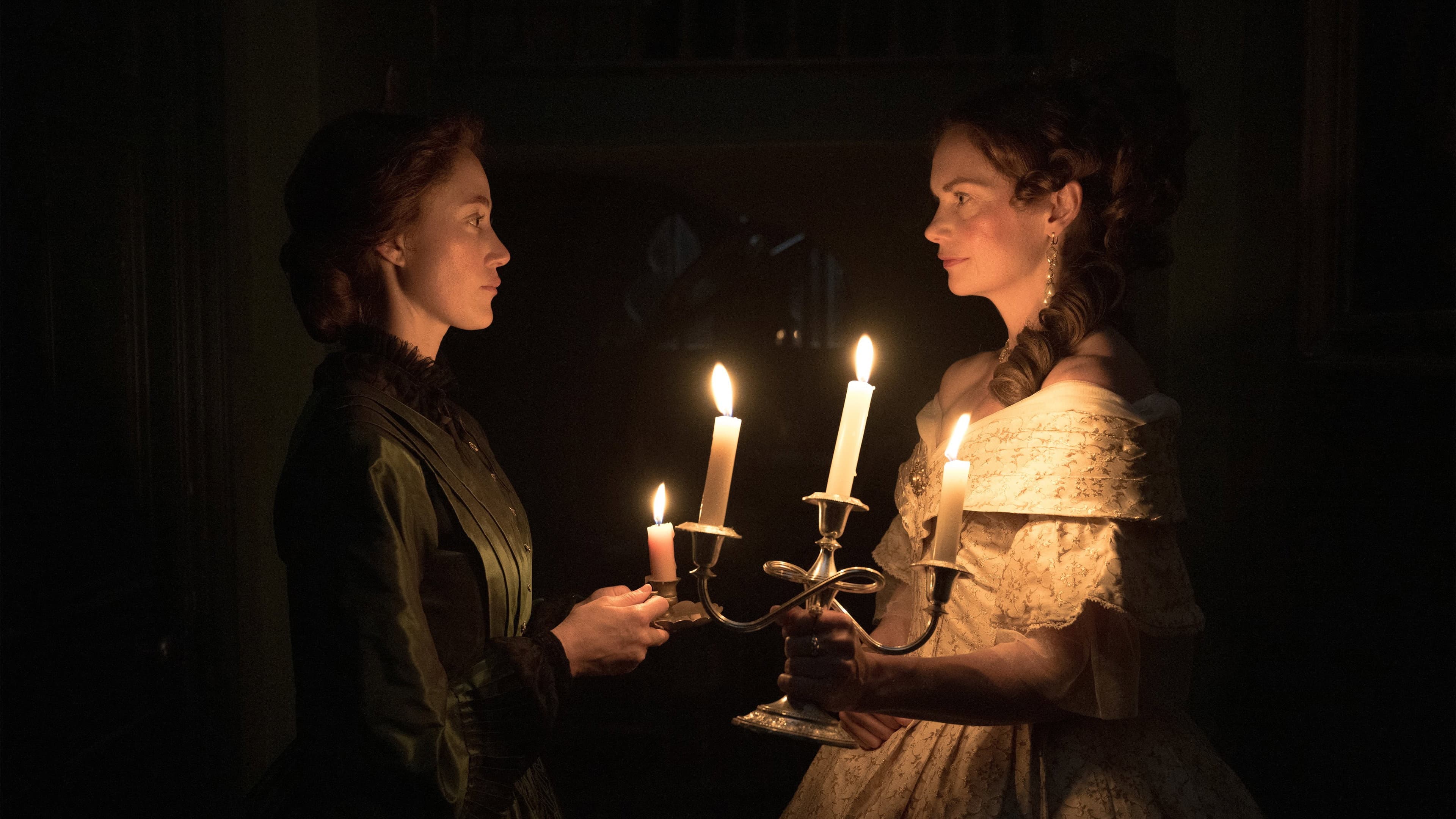
The casting speaks to that idea. Hermosillo plays Mercedes with the brittle composure of someone who has built a career out of scaring other people because she can no longer be scared herself. Antonia Drolas, as young Mercedes, provides the film's raw nerve, and Florio admits the two performers never met during production. "I didn't want them to trade notes," he says. "I wanted them to feel like the same person who never got to have a conversation with herself. The holes in that relationship are the movie."
Around Hermosillo, the ensemble carries the weight of a family that has spent decades not saying the obvious thing out loud. Rocío de la Mañana plays Belén, Martha Claudia Moreno appears as Luisa, José Antonio Becerril plays Jesús, and Julián Ache rounds out the household as Julián Vega. Much of the film's dread, Florio suggests, comes not from the insect but from these performances, delivered at the register of a family reunion where everyone is being extremely polite about a thing nobody will name.
Florio, making his English-language debut, has spoken in the run-up to release about the practical challenges of building a monster that is supposed to be unbuildable. "We designed the creature for sound first," he says. "Most of what you're afraid of in this film happens in your ears. I told the team that the image should always seem like it's a half-second behind what you just heard. That way the audience is already leaning forward before they get to be afraid, and the leaning is worse than the fear." The result, by the accounts of everyone involved, meant restraint: creature design that hides as much as it shows.
That approach fits a career built on making horror literary. The film positions Mercedes as an author of celebrated, commercial horror, and Florio has clearly thought about what it means for a woman who writes monsters to be confronted by one she is not allowed to have invented. "She's not a final girl," the director says of his protagonist. "She's a person who has been writing an alibi for thirty years. The movie is what happens when the alibi runs out."
With a release date of August 18, 2026, Insecta arrives in the middle of a crowded summer and asks for a kind of patience that has become unusual in wide horror releases. It is, by the director's own description, "a movie about bearing witness to your own childhood," and Florio is content if audiences argue about how much of Mercedes's monster exists outside of her. "If everyone leaves with the same answer," he says, "we failed. The house wants a story from you. I want you to tell it on the way home."
For now, all that's certain is the date and the doorway a celebrated novelist has to walk back through. The question of what is waiting in that house, and whether it has been waiting since she left, is precisely what Florio is not going to settle. Some things, he suggests, are better left unnamed. Especially when they have heard every name you ever called them.