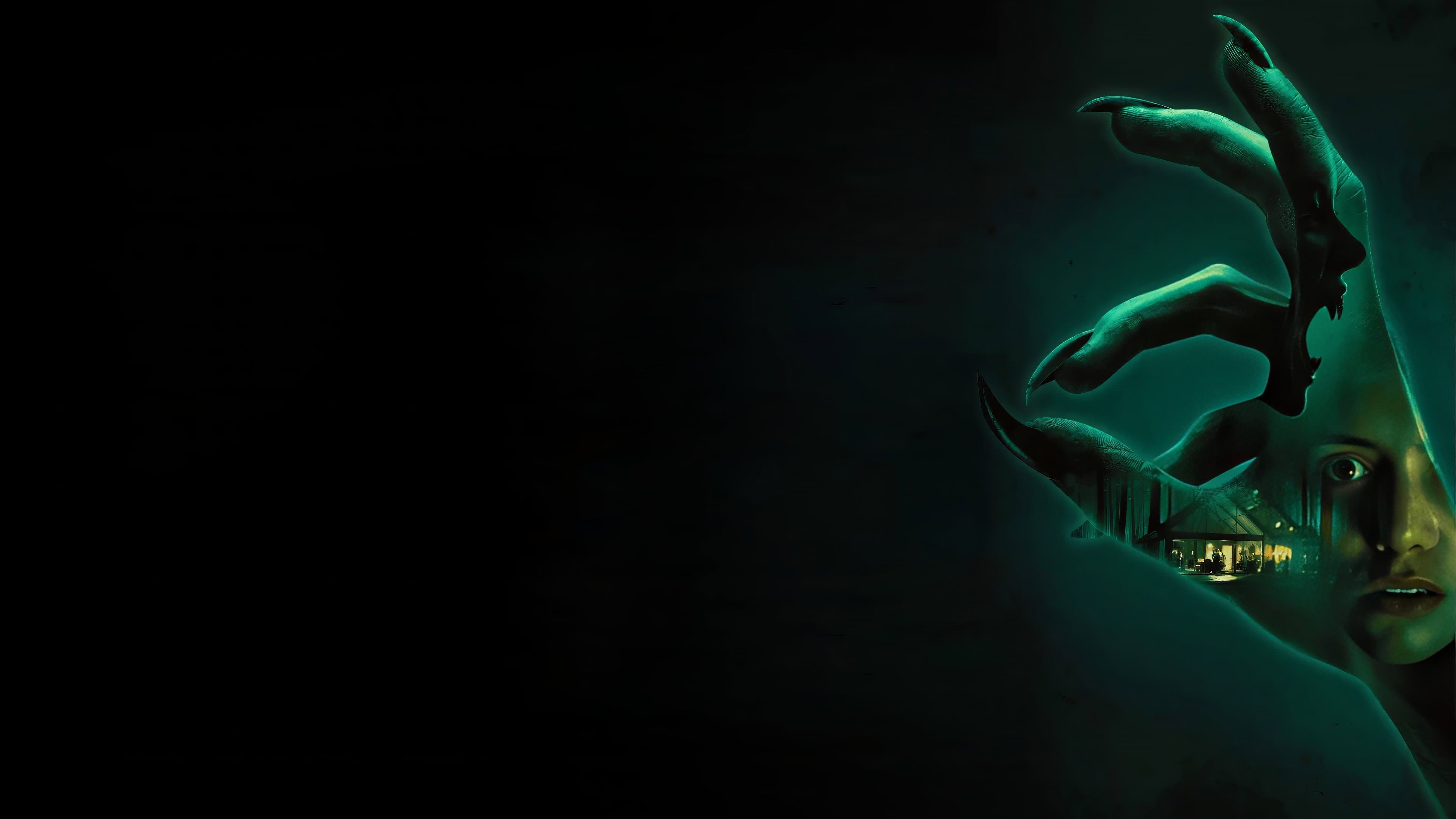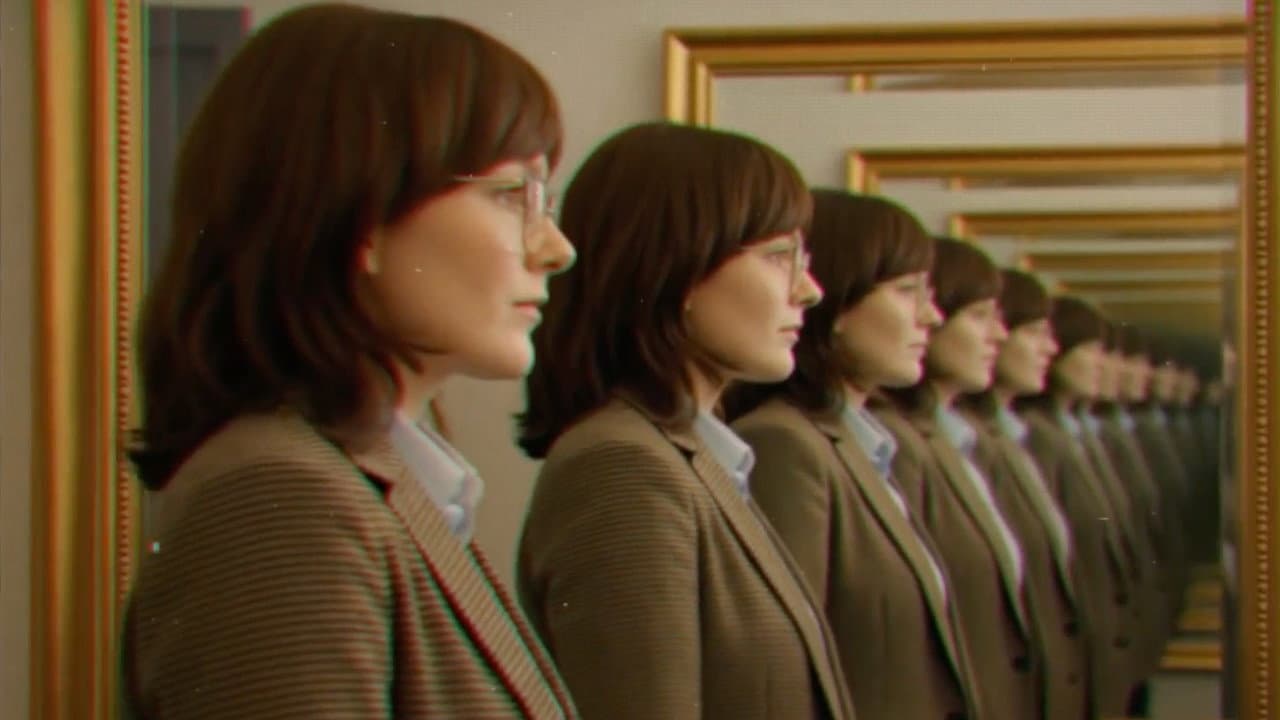
The walls of the modest Pasadena bungalow are plastered with Polaroids. Hundreds of them, strung on red yarn, each one capturing a moment Cayley swears happened differently. This is the world Sebastian Dove builds in "Log 15," a 75-minute horror chamber piece that arrived in theaters on October 29 and has spent the days since burrowing into the heads of anyone who bought a ticket.
The premise sounds like science fiction until it doesn't. Cayley, played by Meg Moynahan, is watching her mother disappear. Alzheimer's is eating the woman alive, memory by memory, and Cayley has decided she will not simply sit in the passenger seat. She begins documenting radical, unsanctioned experiments aimed at unlocking the human mind - a desperate daughter with a camera and a theory. Jeanne Scurek plays the Mother with a stillness that unsettles more than any jump scare could. Jeff Ronan's Tony hovers at the edges, and Stephen R. Miller appears as Dr. Quinn Adler, a figure who seems to know more than he shares.
The hook, the thing that has audiences leaving theaters in a particular kind of silence, is what Cayley finds on the tapes. The footage is not recording her reality. It is rewriting it.
Dove, working in English and shooting lean, has crafted something that belongs to the found-footage tradition while quietly dismantling its rules. The camera is not a witness. It is a participant. Every time Cayley presses record, she changes the thing she is trying to preserve - which is, of course, the exact tragedy of memory itself. Dove understood the metaphor and pulled the thread until it snapped.
"He wanted us to feel the floor moving," Moynahan said in a recent conversation with Hollywood Buzz. "There's a scene where I watch a playback and something in the room is different, and Sebastian told me, 'Don't react to the change. React to the fact that you're the only one who notices it.' That terrified me. It still does."
The supporting cast rounds out the claustrophobia. Ronan's Tony carries the weight of the outsider, the one who keeps asking whether any of this is a good idea. Miller's Dr. Adler functions as the film's ethical question mark, a man whose credentials never quite explain why he keeps showing up.
At 75 minutes, "Log 15" is the kind of runtime that in horror often signals a sprint. Dove uses it as a vise. There is no room for subplots, no detours, no comfort. The film sits with Cayley in that bungalow and refuses to let the audience look away from the wall of Polaroids, the reels, the countdown of a daughter racing against a disease that does not negotiate.
It is also worth noting how deliberately unglamorous the film is. This is not a lab-coated thriller with glowing screens and techno music. It is a woman in a living room, talking to a mother who is no longer entirely there, and discovering that the act of documenting is itself a kind of erosion. The horror is domestic. The monster is time.
"Log 15" lands at a moment when audiences have been unusually receptive to cerebral horror - stories that trade gore for unease and expect viewers to do some of the work after the credits roll. The film arrived without a marketing blitz, relying instead on the slow burn of word of mouth from early screenings. That strategy seems to be paying off in conversation if not in conventional metrics; a TMDb rating currently registers at 0/10, a figure that reflects a near-total absence of logged audience data rather than any consensus, and one that will surely shift as viewers find the film.
Dove has declined to explain the ending. Good. Nobody should explain it. The film's central question - if the act of remembering changes what we remember, who exactly is doing the remembering? - belongs to the audience to carry home.
"Log 15" is in theaters now. Bring someone you trust. Then check what you remember about the drive home.