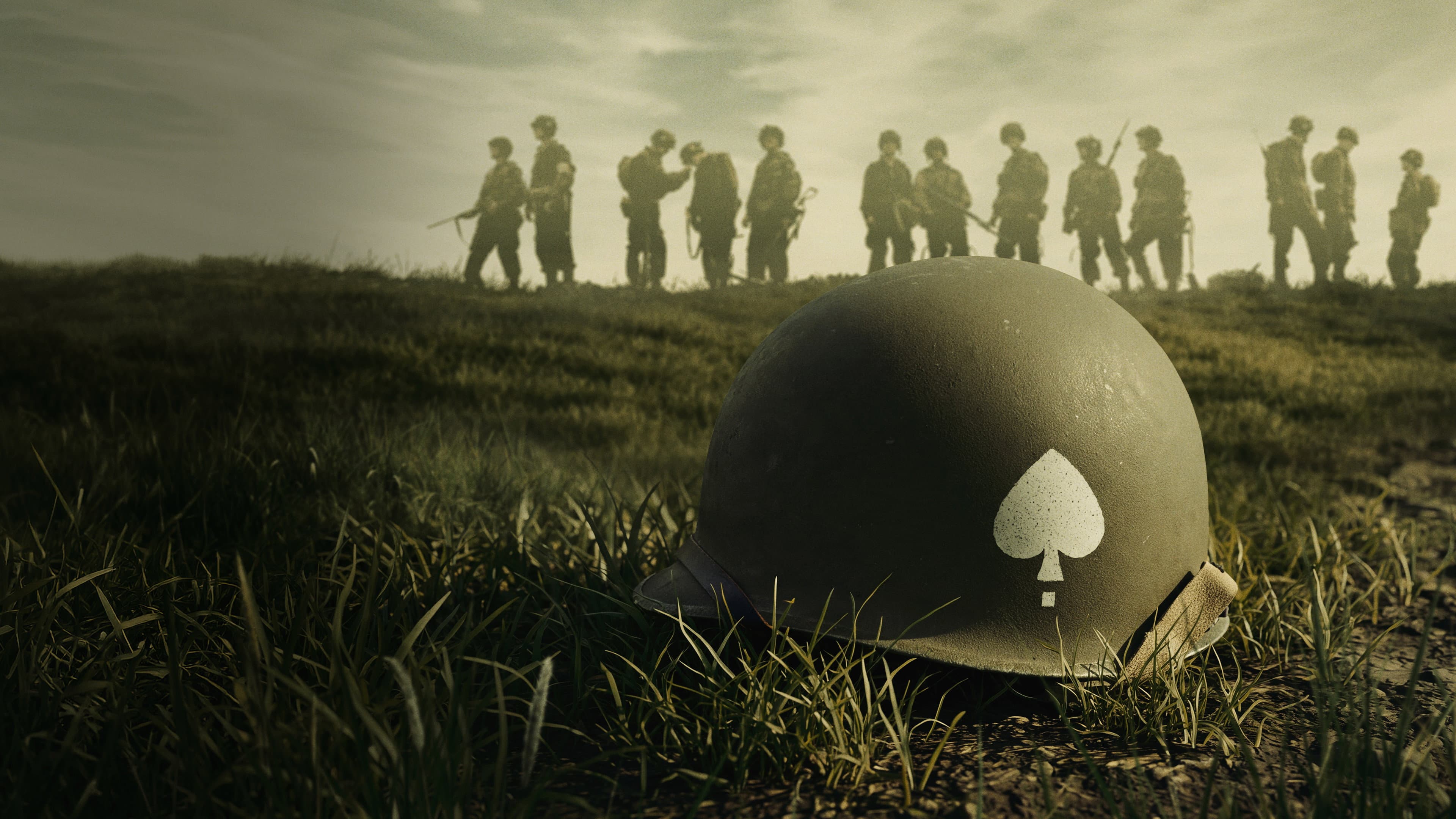
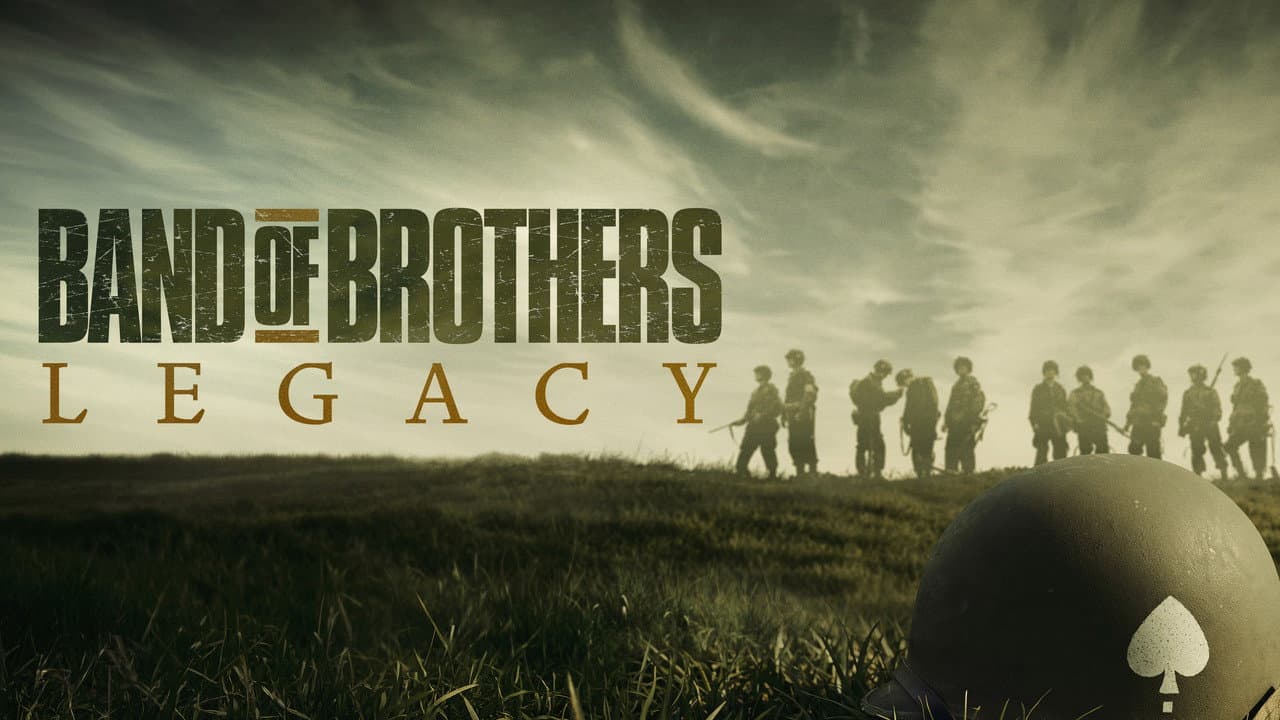
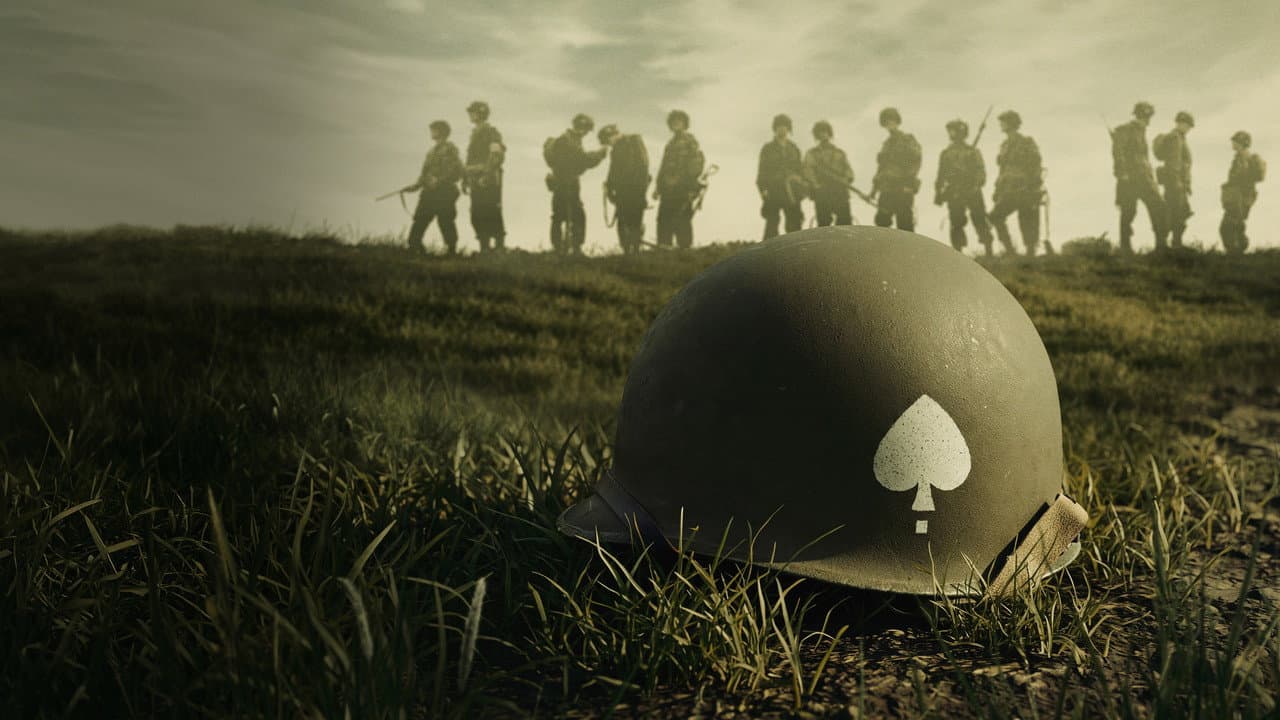
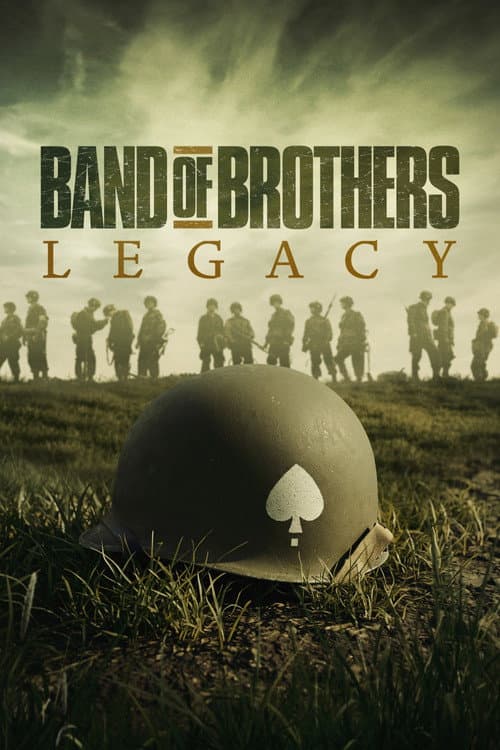
Twenty-five years after viewers first parachuted into Normandy alongside Easy Company, the men who brought that story to life are stepping back into the frame - this time as themselves. "Band of Brothers: Legacy," a new hour-long documentary from director Chase Millsap, arrives in theaters and on demand September 9, 2026, offering a warm, clear-eyed look at how a nine-part miniseries became something closer to a national memory.
The film assembles an impressive roster of returning veterans of the production: Damian Lewis, who played Major Richard Winters; Ron Livingston, the series' narrator and Lewis Nixon; Neal McDonough, Frank John Hughes, Michael Cudlitz, and James Madio, alongside the legendary Capt. Dale Dye, USMC (Ret.), who served as the production's military advisor and whipped the cast into shape before cameras ever rolled. David Schwimmer, memorable as the loathed Capt. Herbert Sobel, also appears.
For Lewis, the project was an opportunity to articulate something he's spent two decades trying to explain. "You don't really leave Easy Company behind," he says in the film. "You just learn to carry it differently." He describes receiving letters from veterans' families who told him the series helped their fathers finally speak about the war - a recurring theme throughout the documentary.
That emotional weight lands harder because of the archival material Millsap has unearthed. "Band of Brothers: Legacy" includes never-before-seen photographs and footage of the real men of Easy Company, the paratroopers of the 101st Airborne who jumped into France on D-Day and fought through to Hitler's Eagle's Nest. The film intercuts these images with the actors' recollections, creating a quiet dialogue between performance and reality. Richard D. Winters appears through archive footage, and his presence anchors the documentary's second half, which examines why the series has endured while so many war dramas fade.
Behind-the-scenes stories provide lighter counterpoint. Cast members recall Dye's infamous boot camp, an experience they now describe with affection rather than dread. Madio jokes about blistered feet and bad food; Cudlitz admits he thought about quitting in the first week. "Dale broke us down so the story could build us back up," Livingston says. The camaraderie that emerged, they agree, mirrored what the real paratroopers described - an intimacy forged under pressure.
Millsap, a Marine Corps veteran turned filmmaker, keeps the pacing tight at sixty minutes without sacrificing reflection. He's less interested in a making-of chronicle than in legacy: how a television event became a teaching tool, a family bridge, and for many viewers, a first real encounter with the Greatest Generation's sacrifices. The documentary notes that "Band of Brothers" remains a staple in classrooms and among military families, its themes of duty, sacrifice, and brotherhood translating across generations.
The ratings suggest audiences are responding. TMDb users have rated the documentary 9/10, while IMDb sits at 8.5/10 - remarkable numbers for a non-fiction release. Critics have praised the film's restraint; there are no gimmicks here, just men in their fifties and sixties reflecting on a job that changed them.
What emerges most clearly is gratitude. Again and again, the cast returns to the same idea: they were merely actors telling someone else's story, and the real privilege was proximity to that story. Schwimmer, whose Sobel is remembered as the series' most hissable figure, speaks about the responsibility of portraying a man who, whatever his flaws, helped forge the unit that would later succeed in combat.
"Band of Brothers: Legacy" isn't trying to reinvent the wheel. It knows what it is: a tribute, a reunion, and a reminder. For longtime fans, it's essential viewing. For newcomers, it's a doorway into why a 2001 miniseries still matters in 2026, when the last of Easy Company's veterans have passed and the work of remembering falls to those who only played them.
As Lewis puts it near the film's close: "We were custodians of something we didn't earn. All we could do was tell it true." That, in sixty minutes, is exactly what "Band of Brothers: Legacy" does.