The summer of 2025 had no shortage of high-octane blockbusters, but the sleeper hit that actually had audiences squirming in their seats came wrapped in rust, grime, and genuine dread. Hellcat, the claustrophobic thriller that premiered in late July, has been quietly tearing through streaming charts ever since, and it’s not hard to see why. It’s a lean, 91-minute exercise in sustained panic that asks a deceptively simple question: what would you do if you woke up in a rolling cage with an hour to live?
Director Brock Bodell, known for his unflinching eye for physical detail, has crafted a film that feels less like a movie and more like a fever dream you can’t shake. The premise is brutally efficient. Dakota Gorman stars as Lena Orchard, a woman who regains consciousness in the dark, sweltering belly of a moving camper trailer. She’s not just disoriented; she’s infected. A ragged, badly festering wound on her leg is already beginning to blacken, and the voice crackling through an intercom above her head isn’t offering comfort. It’s offering a deadline.
Todd Terry plays Clive “C.S.” Peters, the gruff, unseen voice from the truck cab towing the trailer. His performance - delivered almost entirely through static-laced audio - is a masterclass in ambiguity. Is he a savior or a captor? He insists they have less than sixty minutes to reach a doctor, but his cadence is less panic and more grim resignation. Gorman, for her part, carries the physical burden of the film with a raw, sweat-soaked ferocity that recalls early Carey Mulligan or a grittier, more worn-down Alicia Vikander. You feel every jolt of the road, every pulse of pain in her leg.
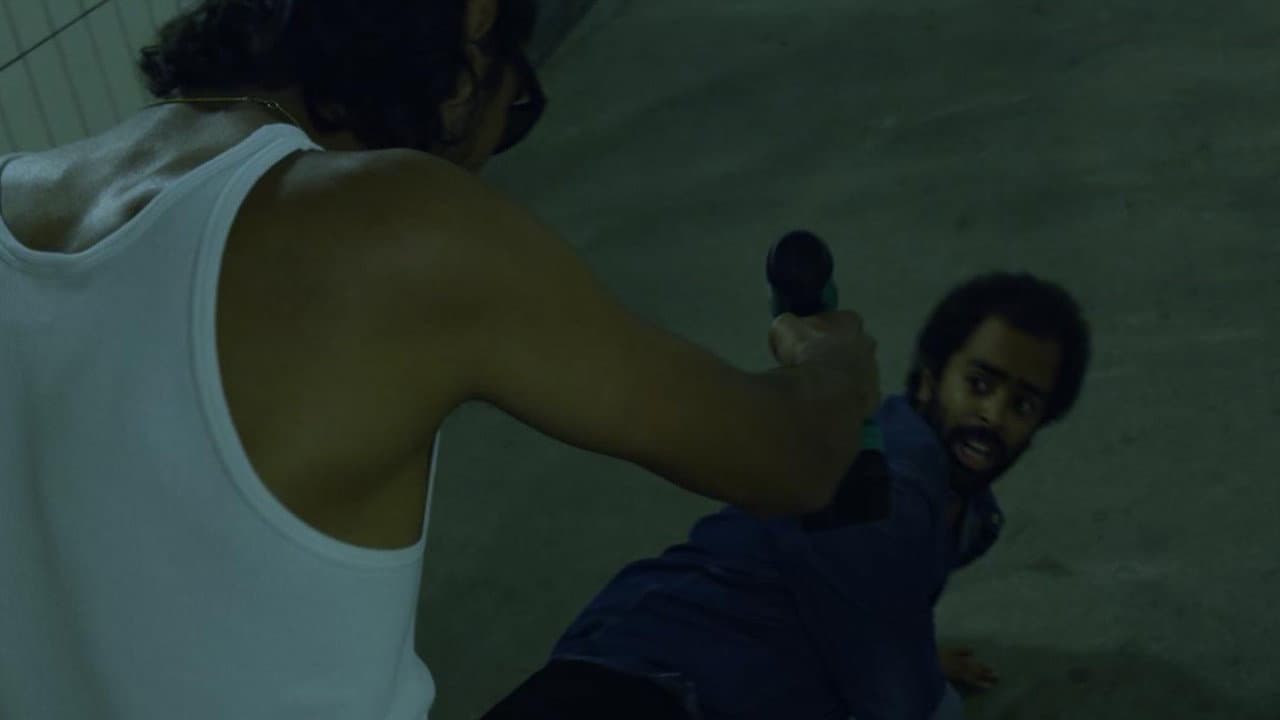
The central horror isn’t a jump scare or a lurking monster, though Bodell certainly knows how to deploy shadows effectively. It’s the ticking clock. As Lena scrambles to find tools, weapons, and an exit, the script slowly drips out details about how she got there - and who is responsible. The introduction of James Austin Johnson as Jasper Deville adds a welcome jolt of manic energy. Johnson, best known for his comedic chameleon skills, trades his usual grin for a tight, predatory smile. He isn't playing a cartoon villain; he's playing a man who believes deeply in the terrible logic of his own actions, and that makes him all the more unnerving.
The connective tissue of the story is provided by Liz Atwater and Jordan Mullins as Ollie Peters and Officer Crump, respectively. Atwater, playing C.S.’s wife, brings a weary, weathered humanity to the proceedings. Her scenes are brief but grounding, hinting at a complicated history between the couple that the film wisely leaves mostly unexplored. Mullins’s patrol officer, meanwhile, is a different kind of horror - the bureaucratic kind. He’s the obstacle in the background, the man who might be able to help but simply sees a confused woman on a desolate highway.
What’s most striking about Hellcat is its commitment to texture. The camper isn’t a sterile set; it’s a real, dirty space with rusted latches, dusty blinds, and a bathroom where the mirror is cracked. Bodell and his cinematographer favor tight close-ups on Gorman’s face and the wound, which is rendered with gruesome, queasy precision. You can almost smell the antiseptic and the rot. This tactile approach grounds a premise that could easily tip into the absurd. There’s a plausible, grim logic to everything that happens, which makes the escalating violence feel earned rather than gratuitous.
That said, the film isn't without its detractors. The TMDb rating sits at a modest 5.45/10, reflecting a polarization among genre fans. Some have criticized the harsh shift in the final act, where the psychological tension gives way to a more visceral burst of action that feels slightly rushed. Others have pointed out that the film asks you to invest in a mystery that never fully pays off - certain questions regarding Lena’s backstory remain frustratingly opaque. The ambiguity is a feature, not a bug, for those who enjoy piecing together the clues, but it will leave others cold.
Yet, in a cinematic landscape bloated with two-and-a-half-hour trilogies, there’s something deeply satisfying about Hellcat’s economy. It knows exactly what it is: a knife-edge pursuit with a survivalist pulse. Dakota Gorman’s Lena is not a victim waiting for rescue; she’s a fighter who adapts, miscalculates, and picks herself back up. Watching her piece together her own escape while arguing with a disembodied voice is thrillingly immersive.
As the summer fades and we move into the autumn of 2026, Hellcat is already being talked about as one of the most rewatchable low-concept gems of the year. It’s a film that respects your intelligence while appealing to your primal fears. It whispers a simple, terrifying truth in your ear: help might be close, but trust is a luxury you can’t afford.