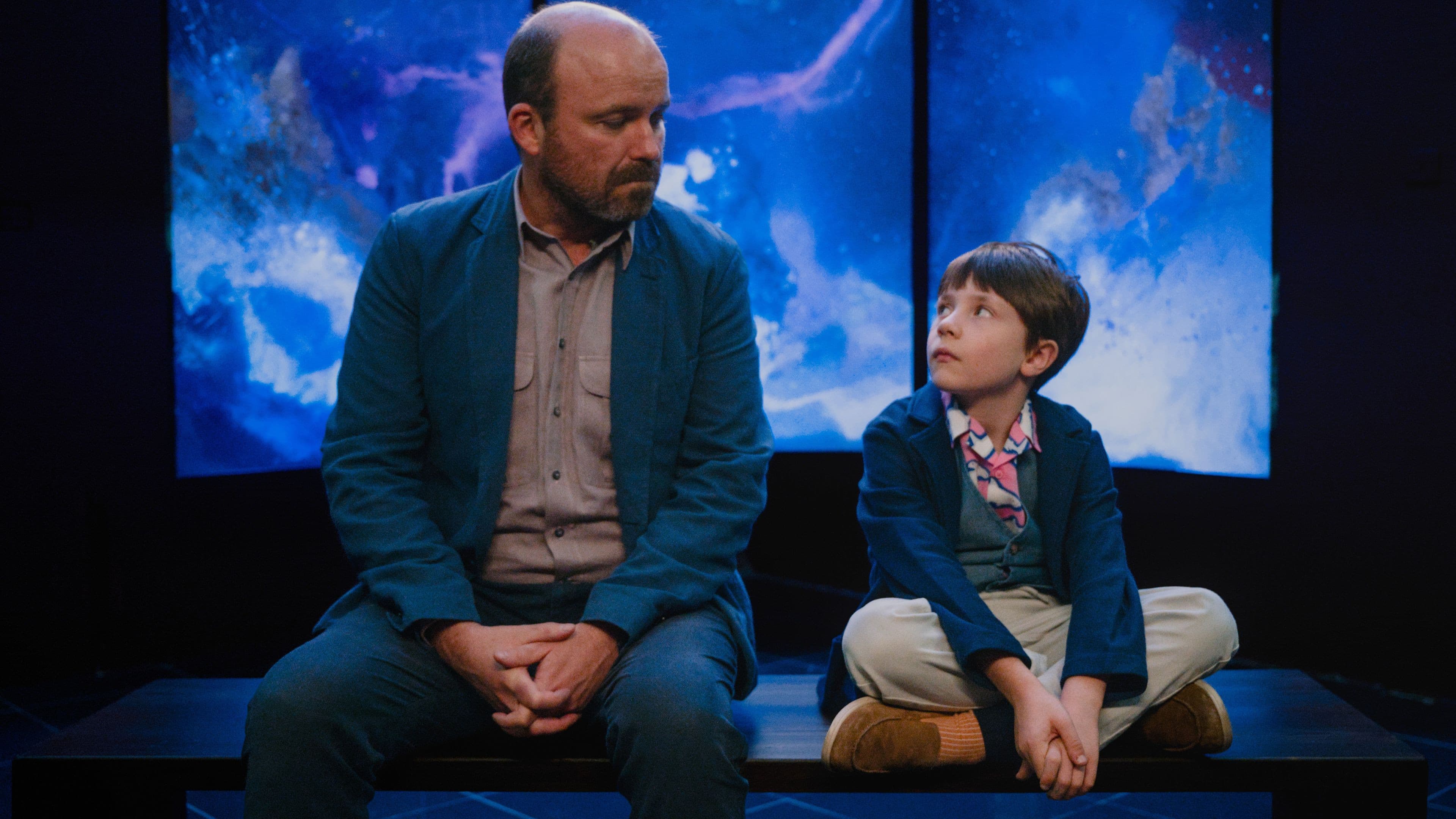
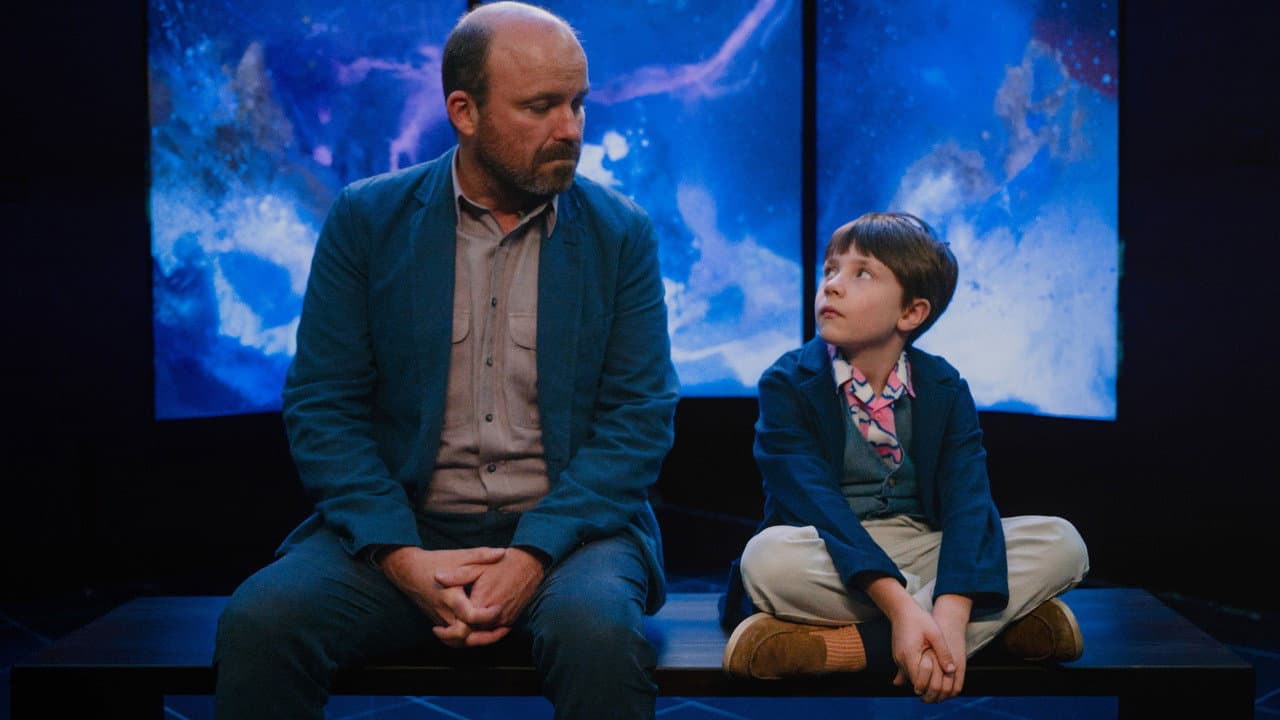
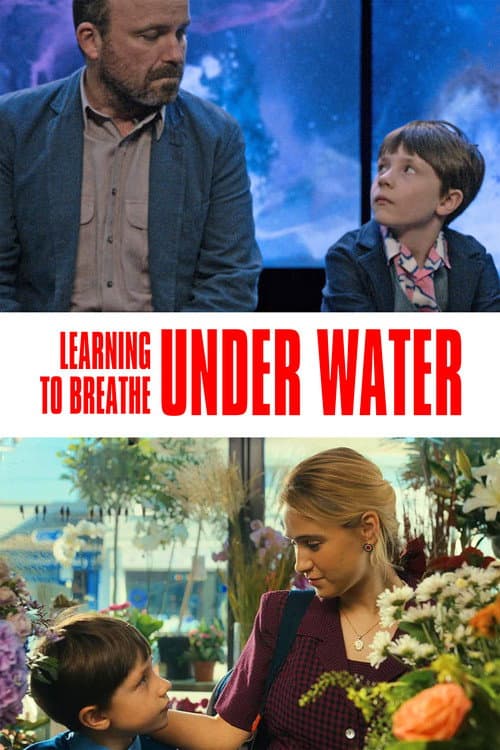
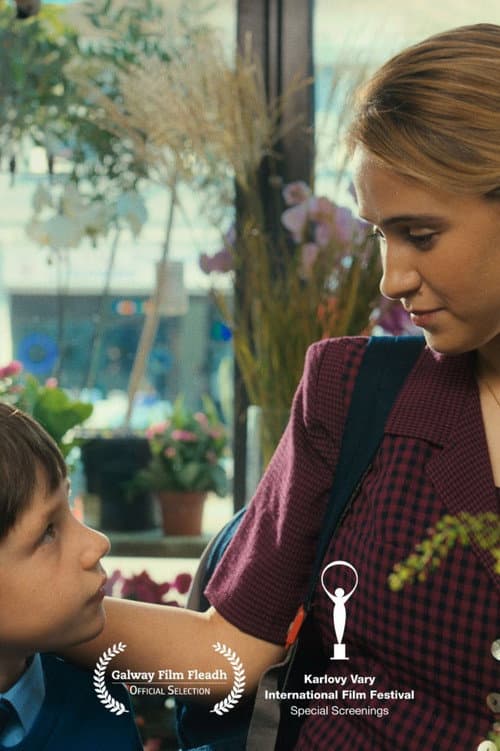
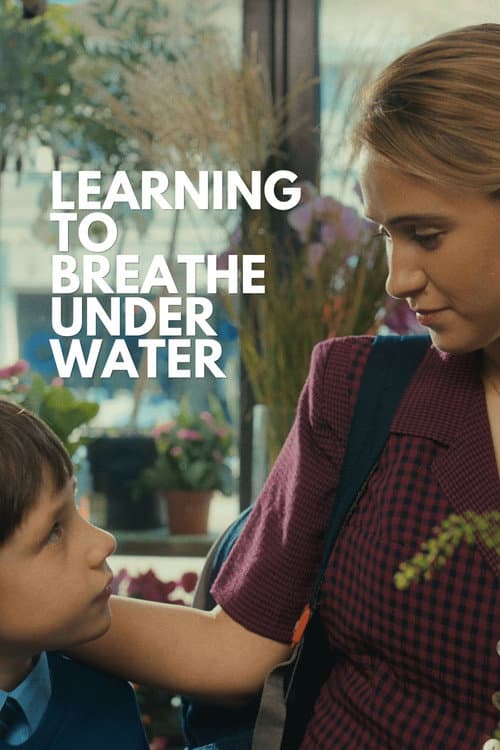
Eight-year-old Leo (Ezra Carlisle) lives in a house where the roof is dominated by a massive shark sculpture built by his father Peter (Rory Kinnear), an artist grappling with a recent loss. The shark is Leo's best friend-his portal to fantasy worlds where the messy, painful parts of reality don't intrude. His mother is absent, though the film initially withholds the specifics of her absence, letting the audience piece together the family's grief through quiet moments and unspoken tensions. Into this fragile household steps Anya (Maria Bakalova), a spirited au pair who refuses to indulge Leo's fantastical retreats. She pushes him-and his father-to confront the "wild, wonderful mess of real life" rather than hide from it. Meanwhile, Cormac (Declan Conlon), a family friend or relative, hovers at the edges, offering gruff support but little warmth.
Advertisement
160×600
Left Ad
"Learning to Breathe Under Water" Review: A Devastating Di
Director
Rebekah Fortune
Language
EN
Release
2026-07-07
Runtime
95 min
Quick Verdict
Rebekah Fortune's Learning to Breathe Under Water is a wobbly but often affecting family drama that never quite balances its tonal shifts between whimsy and grief. Rory Kinnear delivers a quietly devastating performance as a grieving father, and young Ezra Carlisle brings genuine wonder to the role of his son. But the film's reliance on a giant rooftop shark as a metaphor for emotional escape feels more strained than soaring. Worth seeing for the performances, but don't expect a cohesive triumph.
Story
Review
The premise of Learning to Breathe Under Water is rich with potential: a grieving father who builds a giant shark on his roof as a monument to his own avoidance, a son who anthropomorphizes that shark into a comforting imaginary friend, and a newcomer who forces them both to surface. Director Rebekah Fortune, working from a screenplay that occasionally feels rushed, frames much of the story through Leo's perspective. The roof becomes a stage set for his fantasies-colorful, slightly surreal sequences where the shark swims through clouds or Leo rides it like a superhero. These moments are visually inventive but unevenly integrated. Some feel like genuine wonder; others resemble art-house contrivance.
Rory Kinnear anchors the film with a performance that is masterfully restrained. Peter is not a loud or openly weeping widower; he is a man whose grief has calcified into eccentric silence. Kinnear conveys volumes through tired eyes and distracted gestures. When he finally speaks about the loss, it's in fractured sentences that carry more weight than any monologue. Ezra Carlisle is a natural screen presence, though the script asks him to oscillate between childlike fantasy and premature maturity, and he handles the leap better than the material deserves. Maria Bakalova brings energy as Anya, but her character is written as a catalyst rather than a full person-she exists solely to break the grief bubble, and her own backstory feels perfunctory.
The shark itself is a striking visual centerpiece. Built from wood, wire, and faded blue paint on the roof, it looks both magnificent and absurd-exactly the point. But the metaphor becomes heavy-handed. Leo talks to the shark; Peter avoids looking at it; Anya tells them both it's time to dismantle it. The script beats this imagery relentlessly, leaving little room for audience interpretation.
Fortune's direction is strongest in the quiet domestic scenes-the awkward breakfast table conversations, the long silences in the studio where Peter paints nothing. The fantasy sequences, while ambitious, sometimes clash with the film's grounded emotional core. A sequence where Leo imagines the shark swallowing his school is ambitiously strange but tonally jarring. The supporting cast, particularly Conlon as Cormac, is underutilized.
Pros & Cons
Pros
- Rory Kinnear delivers a subtle, deeply felt performance as a man paralyzed by loss
- Ezra Carlisle brings genuine charm and vulnerability to a complex child role
- The central visual metaphor-the giant roof shark-is striking and memorable
- Quiet domestic scenes resonate with authentic grief and unspoken love
Cons
- The tonal shifts between fantasy and realism feel jarring and inconsistent
- Maria Bakalova's character Anya lacks development beyond being a plot device
- The script beats the shark metaphor too heavily, losing subtlety
- Pacing drags in the second act, with several scenes that could be trimmed
- The ending resolves too neatly, undercutting the film's emotional complexity
Rating Breakdown
Final Verdict
Learning to Breathe Under Water is an awkward, heartfelt film that never quite figures out its own identity. It wants to be a whimsical family adventure, a raw portrait of grief, and a quirky indie drama all at once-and it only partly succeeds at each. Rory Kinnear's performance elevates the entire enterprise, making Peter's silent sorrow feel universal rather than mawkish. Young Ezra Carlisle matches him beat for beat. But the film's reliance on a single, overexplained metaphor and its unnecessarily tidy ending undercut the messy authenticity it tries to capture. For viewers willing to forgive its structural flaws, there is genuine tenderness here. Others may find the water too shallow to fully submerge.
Source: Hollywood Reporter
Cast

Rory Kinnear
Peter

Maria Bakalova
Anya

Ezra Carlisle
Leo

Declan Conlon
Cormac
Gallery
Similar Movies





Related Reviews

Advertisement
160×600
Right Ad