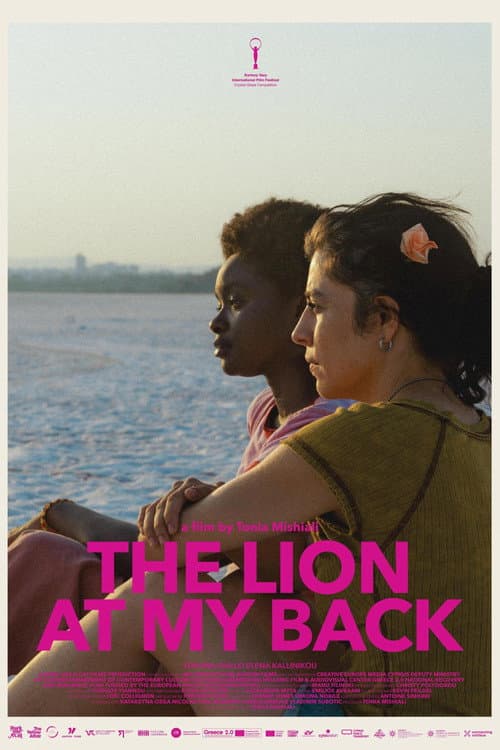
Mishiali, a Cypriot director known for her unflinching gaze, does not soften the edges of this story. The violence here is not always physical-though it is present-but often structural, economic, and psychological. The men who circle Mariama are not cartoon villains but chillingly ordinary, their entitlement rendered as matter-of-fact as the sunlight. One character, simply called The Suit and played by Prokopis Agathokleous, embodies the cold bureaucratic cruelty that traps asylum-seekers in limbo.
The film's visual language reinforces this sense of entrapment. Cinematography often traps its subjects in doorways, behind windows, or at the edges of frames, suggesting a world that is always closing in. Cyprus itself becomes a character-not the tourist-postcard version, but the dusty, exhausted island where desperation and beauty coexist uneasily.
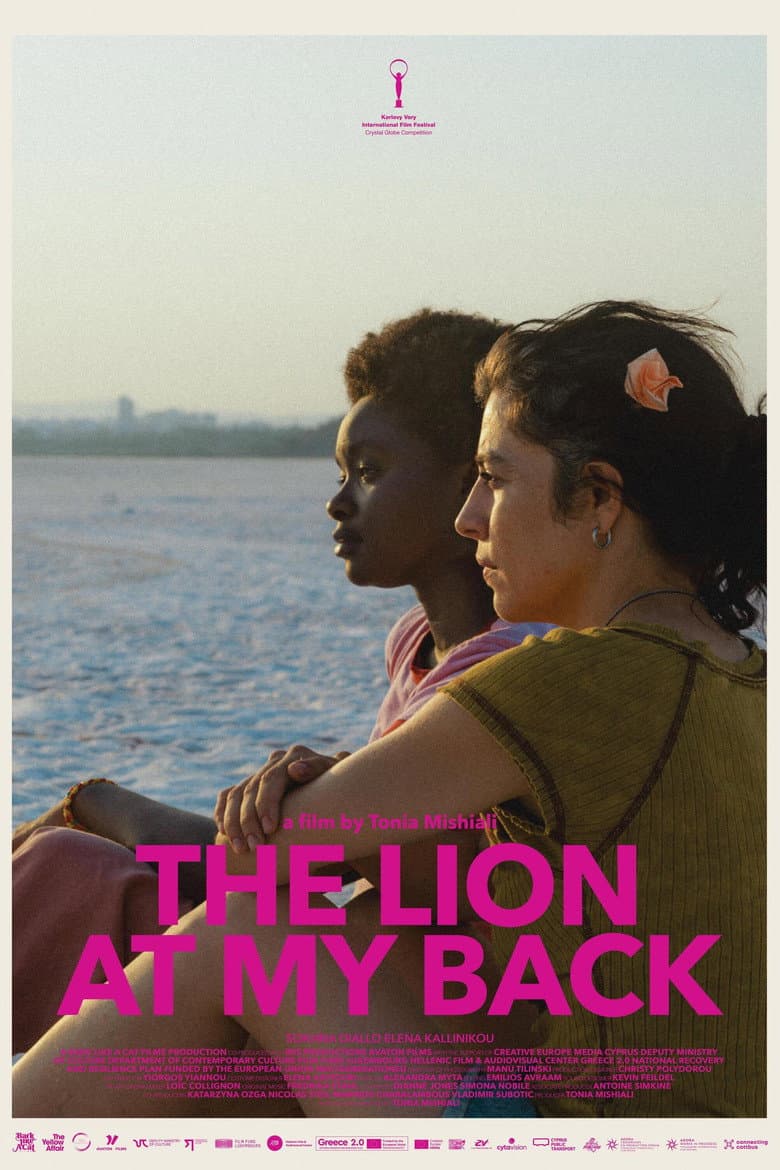
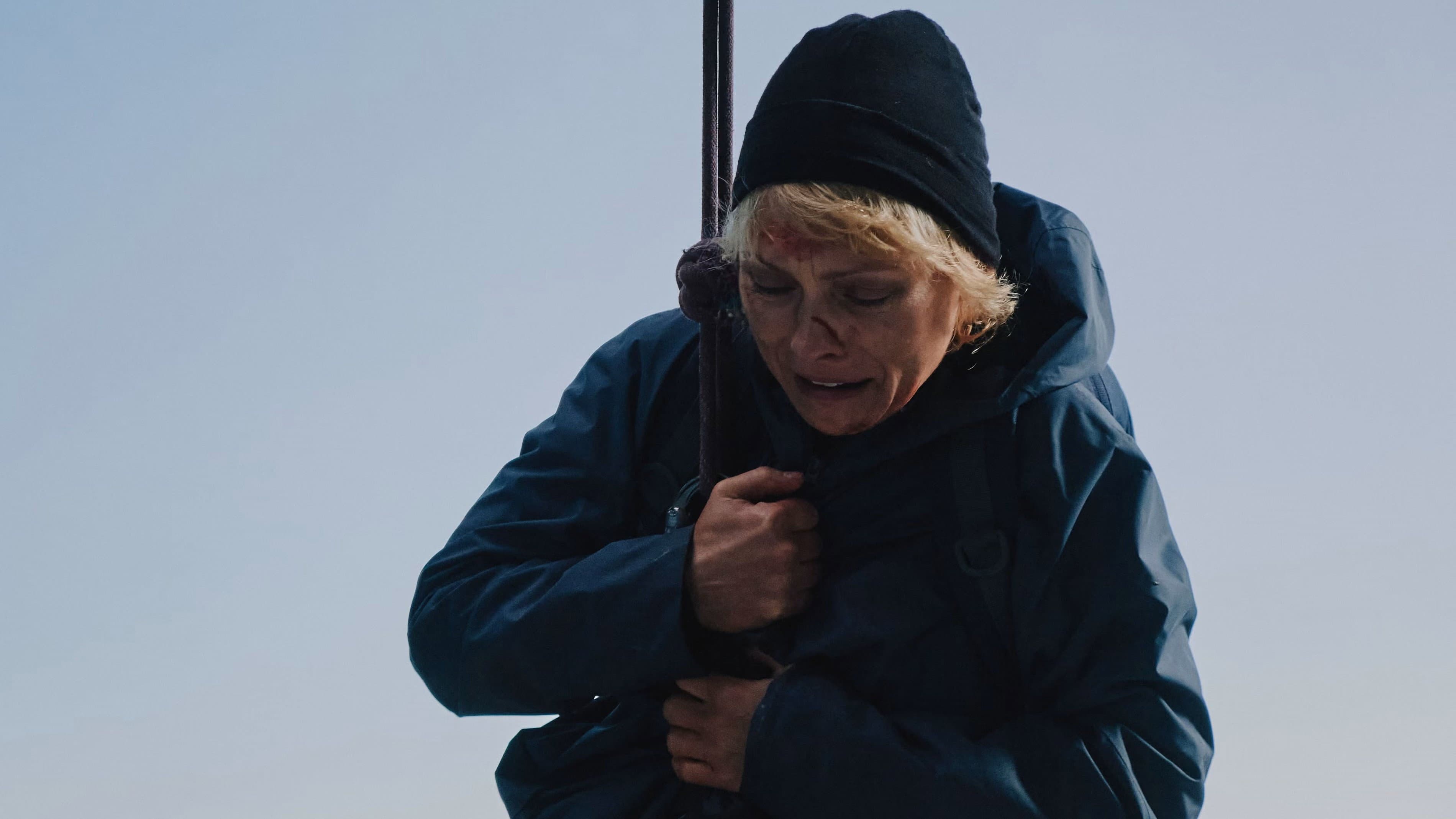
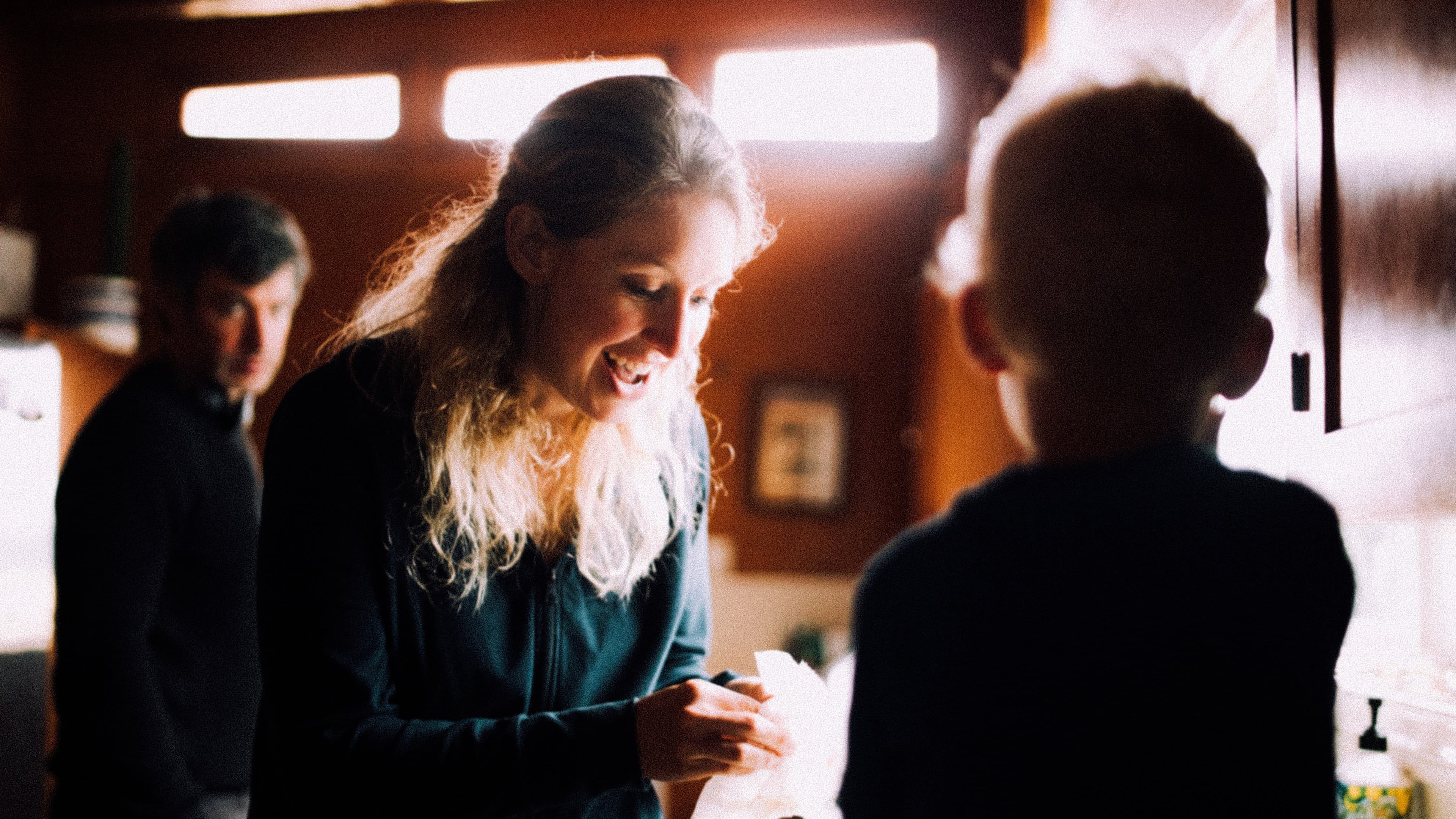
Sokhna Diallo delivers a breakout performance as Mariama. She communicates entire histories through the set of her jaw, the guardedness in her eyes. When she allows herself moments of vulnerability-laughing at a shared joke, trusting Stella with a fragment of her story-it feels like an act of profound courage. Elena Kallinikou matches her beat for beat. Stella is a woman whose addiction has hollowed her out, and Kallinikou shows the effort it takes to rebuild a self, moment by moment.
The 106-minute runtime allows Mishiali to build the relationship slowly, without rushing toward catharsis. Some viewers may find the pacing deliberate to the point of languor, but the method is purposeful. This is a film that trusts its audience to find the emotional threads without having them tied into neat bows.
Where The Lion at My Back stumbles is in its handling of the violence that haunts the narrative. Some sequences feel more illustrative than necessary, as if the director is determined to ensure we do not look away even when the camera could afford us a moment's respite. The result is a film that is admirably honest but occasionally punishing.