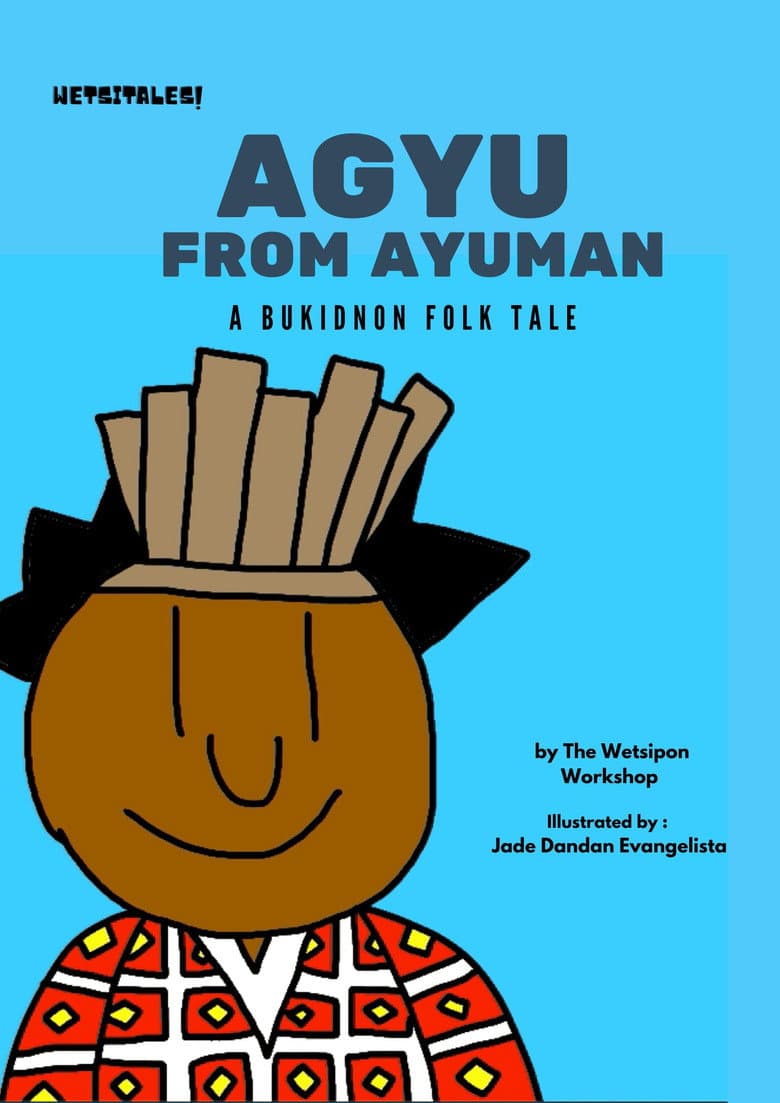
The independent film circuit just got a jolt of pure, unadulterated folklore magic. While the multiplexes are drowning in sequel sludge and superhero rehashes, a quiet, 14-minute thunderclap named Wetsitales: Agyu from Ayuman is making its long-awaited debut today, August 11, 2026. This isn't just another animated short - it’s a cinematic reclamation of a story that predates colonial borders, told with a fierce, contemporary urgency. And if you’re not paying attention, you’ll miss the most vital piece of storytelling to hit screens this summer.
Release Date & Where to Watch
Mark your calendars, because this isn’t a wide-release blockbuster. Wetsitales: Agyu from Ayuman officially premieres in select independent theaters and on a handful of niche streaming platforms that specialize in world cinema and indigenous storytelling. Given its compact runtime, it’s the perfect appetizer before a feature film, but don’t let the shortness fool you - this is a complete, satisfying narrative meal. Expect it to be paired with documentaries or other shorts in curated "Voices from the Global South" showcases. For those outside major metropolitan hubs, the film will be available as a digital rental on platforms like MUBI and a few VOD services dedicated to preserving cultural heritage. The release is intentionally modest, a deliberate counter-programming move that respects the material's sacred weight rather than burying it in a thousand-screen-wide dump.
Cast & Crew
At the helm is director Jade Dandan Evangelista, a name that has been quietly earning a reputation for meticulous, visually arresting work in the short-form space. Evangelista isn't interested in easy spectacle; he approaches Wetsitales with the precision of a documentarian and the eye of a painter. He’s taken a legend that has been passed down through oral tradition and given it a cinematic body that feels both ancient and startlingly modern. The cast is largely composed of emerging talents and community-based performers from indigenous Manobo communities, which lends an authenticity that no amount of A-list voice casting could replicate. While the specific actors remain a tightly guarded secret - likely to preserve the community-first ethos of the project - the vocal performances are raw, lived-in, and carry the weight of generations. This is a film where the director’s voice is the star, but the ensemble’s collective energy grounds it in earth and soil.
Story & What to Expect
Prepare for a tale of epic scope compressed into a pressure-cooker of a runtime. Wetsitales: Agyu from Ayuman drops us into the world of Agyu, the eldest of the legendary hero Pamulaw’s three sons. He is no crown prince lounging on a throne; he is the head of his household, a pragmatic leader whose livelihood is rooted in the unglamorous but essential trade of beeswax and honey. This is a story about survival, not glory. The inciting incident is a misunderstanding - a tense, culturally fraught clash with a Moros leader - that spirals into a bitter, generations-spanning conflict. The film follows Agyu and his people as they are forced to flee, seeking sanctuary in the fabled kingdom of Nalandangan.
But this isn’t a simple refugee narrative. The war follows them, and each encounter demands that Agyu not just fight, but out-think his enemies. The genius of the script is that it doesn't rely on brute force. Agyu’s strategic leadership - his ability to read his adversary, to leverage the environment, and to pivot when tradition fails - is the true hero here. Expect simmering tension, quiet moments of domesticity under threat, and tactical gambits that unfold with surprising tension for a short film. The animation style is where the film truly shines: it reportedly blends vibrant, hand-painted backgrounds reminiscent of pre-colonial manuscript art with fluid motion that keeps the action legible and visceral. The climax isn’t a bloody battle but a hard-won peace, a settlement in Nalandangan where Agyu’s family and his people finally stop running. It’s a resolution that feels earned, not saccharine.
Why It's Worth Watching
First, the sheer efficiency of the storytelling is a masterclass. In 14 minutes, Evangelista conjures a world with a rich economic system, a complex political landscape, and a fully realized family dynamic. You will care about Agyu’s burden in the first three minutes. That is no easy feat in a cinematic landscape where movies twice this length fail to establish a coherent protagonist.
Second, there’s a profound political dimension lurking beneath the mythic surface. This is a story about indigenous resilience in the face of external encroachment - a narrative that resonates far beyond the Philippines. Agyu’s conflict with the Moros leader isn't a cartoonish villain-vs-hero setup; it’s a tragedy of miscommunication, a warning about how fear and suspicion ignite wars that no one truly wants. By the end, the triumph of Nalandangan isn't just about military victory but about establishing a haven where cultural identity can flourish without compromise.
Lastly, it’s the soundtrack. Early whispers from festival screenings suggest the audio design is where the film works its deepest magic, using ambient forest sounds, the rhythm of beeswax harvesting, and a percussive, indigenous score that feels like a heartbeat. Watching it in a theater, you’ll feel the vibrations in your chest. In a world of formulaic IP, Wetsitales: Agyu from Ayuman is a reminder that cinema is still capable of being a vessel for ancient wisdom, a bridge between past and present. It might be brief, but it will linger in your mind long after the credits roll - a 14-minute epic that deserves to be seen, debated, and celebrated. Go find it.