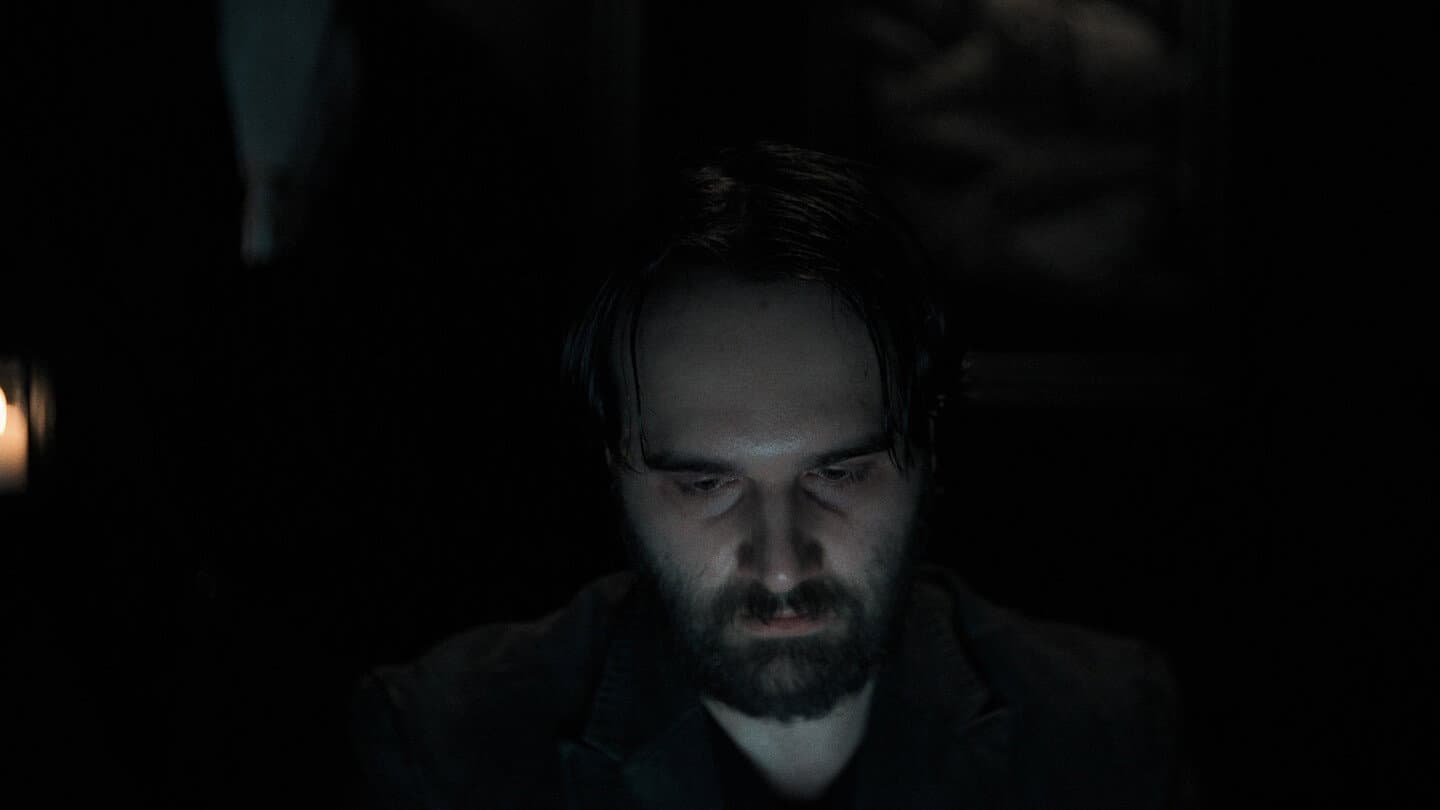
There is something deeply, almost ritually wrong with the new Eli Roth movie, and that is entirely the point. "Ice Cream Man" arrives in theaters - well, it arrived on August 3, and is still clinging to a handful of screens like melted sherbet on hot pavement - as an 86-minute descent into the kind of suburban nightmare that used to populate drive-ins and video store shelves in the VHS era. Roth, a filmmaker who has spent his career treating horror as a contact sport, has turned his attention to the most innocent of American institutions: the neighborhood ice cream truck.
The setup is deceptively familiar. An idyllic summer town. Children with grass-stained knees and pockets full of change. A cheerful jingle drifting down leafy streets. The ice cream man, played with unnerving commitment by Ari Millen, is a figure of pure benevolence - until he is not. Millen's Jonathan Smiley serves kids sweet delights with horrifying results, and the film wastes little time in establishing that the transaction at the window is a kind of Faustian bargain for the pre-teen set. The title alone tells you where this is going. The execution tells you Roth is having a very good time getting there.
Millen, best known to genre audiences for his work in "Orphan Black" and a string of sinister turns, is the film's centrifugal force. He does not play Smiley as a snarling monster but as a man who genuinely believes he is delivering happiness. The smile never quite reaches his eyes. The apron is always spotless. It is a performance that understands the fundamental truth of the movie: the most terrifying thing in any horror film is a grown-up who has convinced himself he is doing the right thing.
Around him, a cast of young performers does the heavy lifting of screaming, running, and making the kind of poor decisions that keep horror plots in motion. Charlie Zeltzer's Jared, Shiloh O'Reilly's Tommy, Kiori Mirza Waldman's Mia, and Sarah Abbott's Lizzie form the core of the film's juvenile ensemble, and Roth gives them enough personality to make their peril matter. Benjamin Byron Davis, as a priest who seems to know more than he lets on, and Karen Cliche, as Alison, round out the adult contingent. Dylan Hawco appears as Chris, a character whose function is best left discovered by the viewer.
What is striking about "Ice Cream Man" is how deliberately it straddles its three genres. The film is classified as horror, comedy, and thriller, and it honors all three in roughly equal measure. There are sequences that play as straight suspense - a chase through a walk-in freezer, a parking lot confrontation that stretches tension to the breaking point - and sequences that are openly, almost gleefully absurd. The comedy does not undercut the horror so much as braid itself through it. Roth has always understood that laughter and screaming come from the same place in the throat.
The film's release timing is worth noting. Arriving in early August, it occupies a peculiar slot in the calendar - too late for the summer blockbuster crush, too early for the Halloween season. In a different year, that might have buried it. In 2026, with theaters still hungry for original genre fare, it has managed to find an audience, albeit a small and vocal one. The IMDb rating sits at 3.8, the TMDb rating at 4.6 - numbers that suggest a divide between casual viewers and the kind of horror devotees who understand that a low score is sometimes a badge of honor.
"Ice Cream Man" is not trying to be respectable. It is trying to be memorable, and it succeeds on that front. The imagery is designed to linger: the stained gloves, the freezer door swinging open, the sound of that jingle turning from invitation to warning. Roth has made a career out of pushing buttons, and here he pushes several at once. Whether it is the button marked "childhood nostalgia" or "adult anxiety" depends on the scene.
The film runs a lean 86 minutes, which is exactly the right length. It does not overstay its welcome or explain too much. It simply arrives, does its damage, and leaves. Like its central character, it knows that the best service is the one you do not see coming until you have already taken a bite.
For audiences who grew up terrified of the ice cream truck - and there are more of us than you might think - "Ice Cream Man" offers a kind of perverse validation. The thing that seemed too good to be true, it turns out, was. It just took Eli Roth to show us exactly how bad it could get.