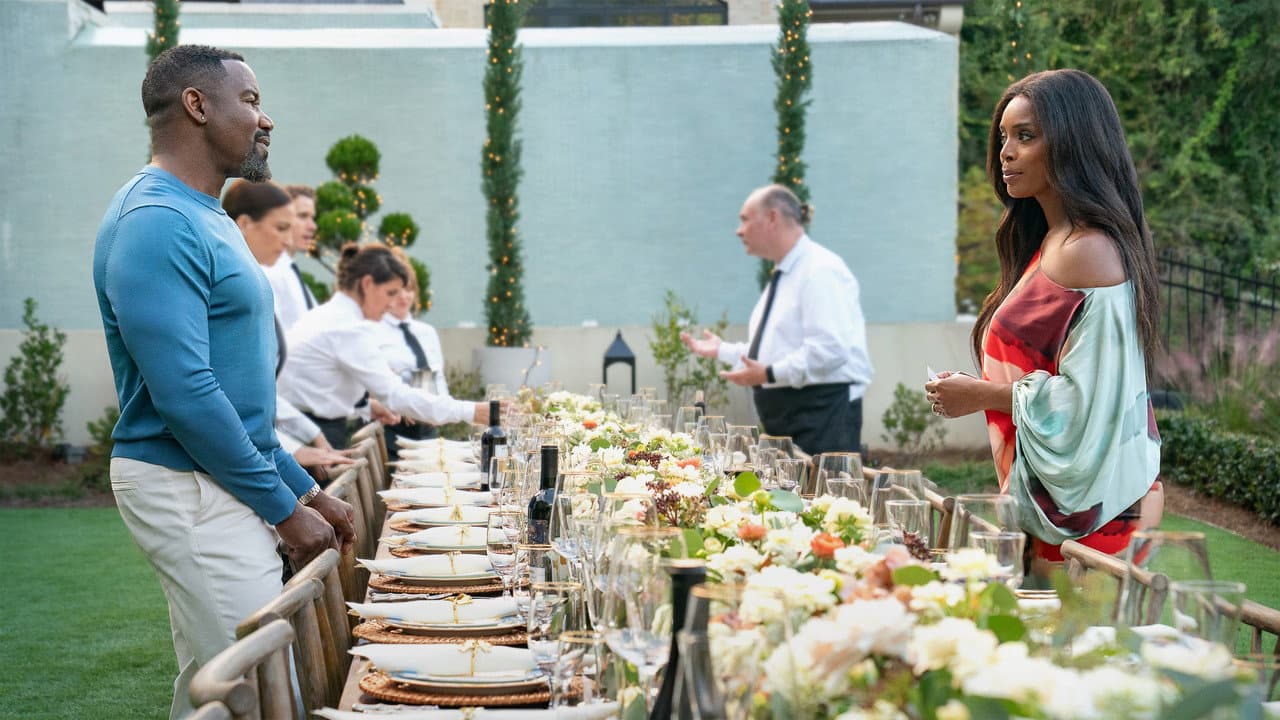
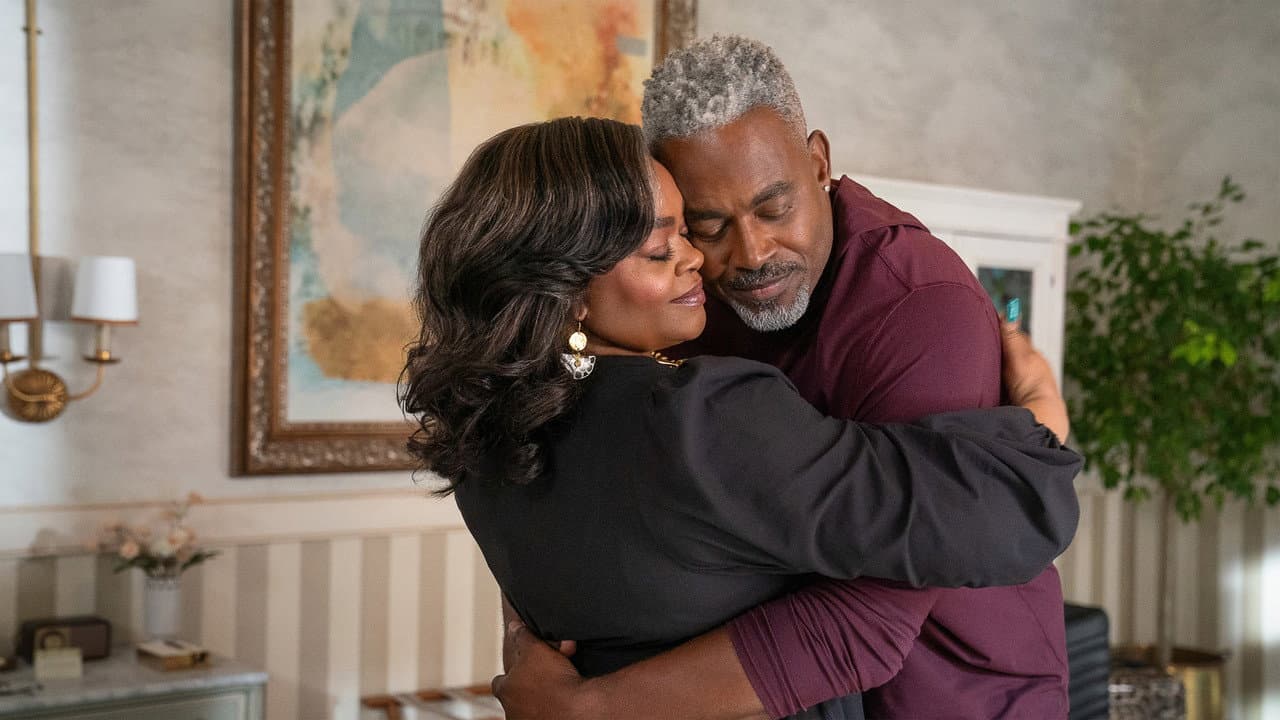
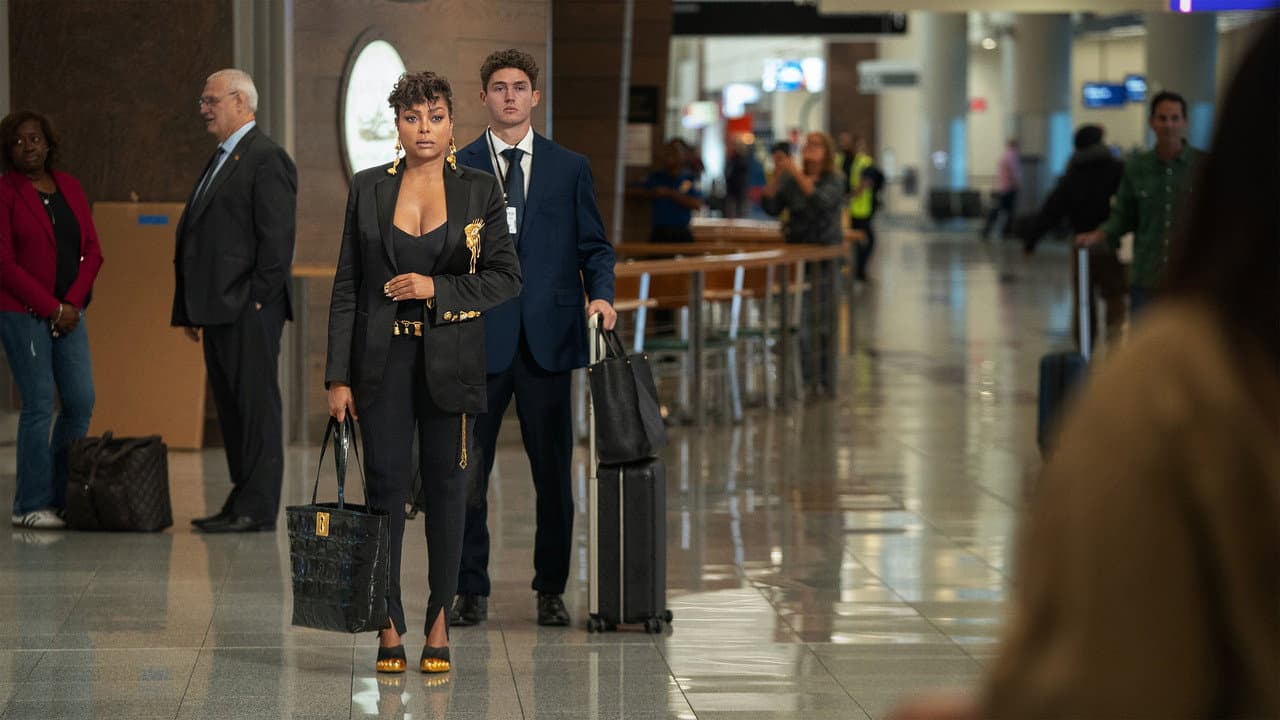
The pleasures here are mostly performances. Henson remains one of the most watchable actors working, and she gives Roselyn a weary dignity that elevates material that could have been mere melodrama. Perry, directing himself in a rare acting turn as Terry, is more restrained than usual, and it suits him. Jill Scott's Sheila is the film's emotional anchor; her arc, about reclaiming joy after years of settling, is the one that lingers.
Smith and White, as the hosts, get the broadest comedy. Smith's Angela is a force of nature, and the film wisely lets her carry the lighter scenes while the heavier drama unfolds around her. Jones, meanwhile, does fine work with a character who could easily have become a cartoon. Mike is a mess, but Jones finds the hurt underneath the bravado.
Where the film stumbles is in its length and structure. At 112 minutes, it feels longer. Perry's tendency to let scenes breathe - a strength in his stage work - occasionally becomes a liability on screen, particularly in a middle stretch where three separate confrontations unfold back-to-back-to-back. The tonal shifts between slapstick and serious are abrupt. One minute you're laughing at a wedding planner's meltdown; the next you're watching a marriage implode on a balcony. Some viewers will roll with it; others will get whiplash.
The dialogue, as always with Perry, is the draw and the flaw. His characters speak in monologues that are too eloquent for the moment, but they're also undeniably cathartic. When Roselyn finally tells Terry what she's been holding back for years, the scene works because Henson sells it, not because the words are subtle.
What's genuinely refreshing is the film's willingness to let its older characters be sexual, flawed, and complicated. This isn't a story about twenty-somethings figuring out love. It's about people who have been married, divorced, remarried, and are still asking questions. That gives the drama a weight that transcends the contrivances of the plotting.