🎬Advertisement[movie-top-mobile]
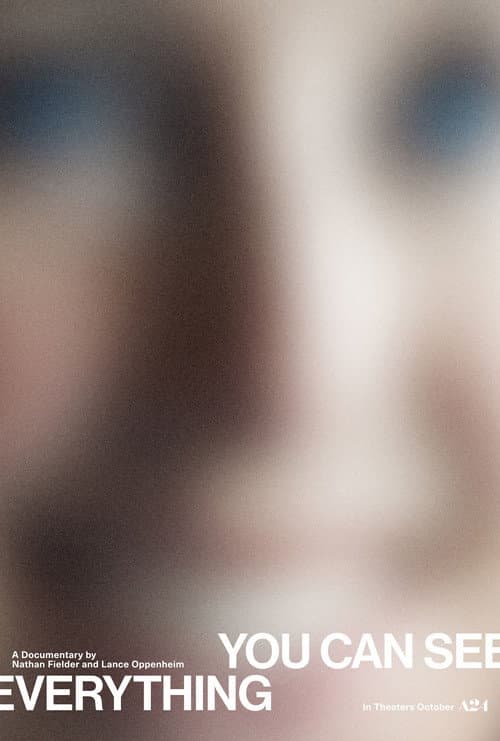
You Can See Everything Review: Nathan Fielder's 2026 Film
Review

You Can See Everything Review: Nathan Fielder's 2026 Film

Our review of You Can See Everything, Nathan Fielder's 2026 documentary on a disgraced billionaire's final 34 days of freedom before prison.

MovieBuzz Desk·4 min read

Director

Nathan Fielder

Language

EN

Release

2026-10-16

Runtime

174 min

Quick Verdict

A mesmerizing, frequently infuriating documentary that starts as a vanity project and ends as a hall of mirrors. Fielder has made the most unsettling film of the year, and possibly the funniest, though you'll feel guilty for laughing.

Story

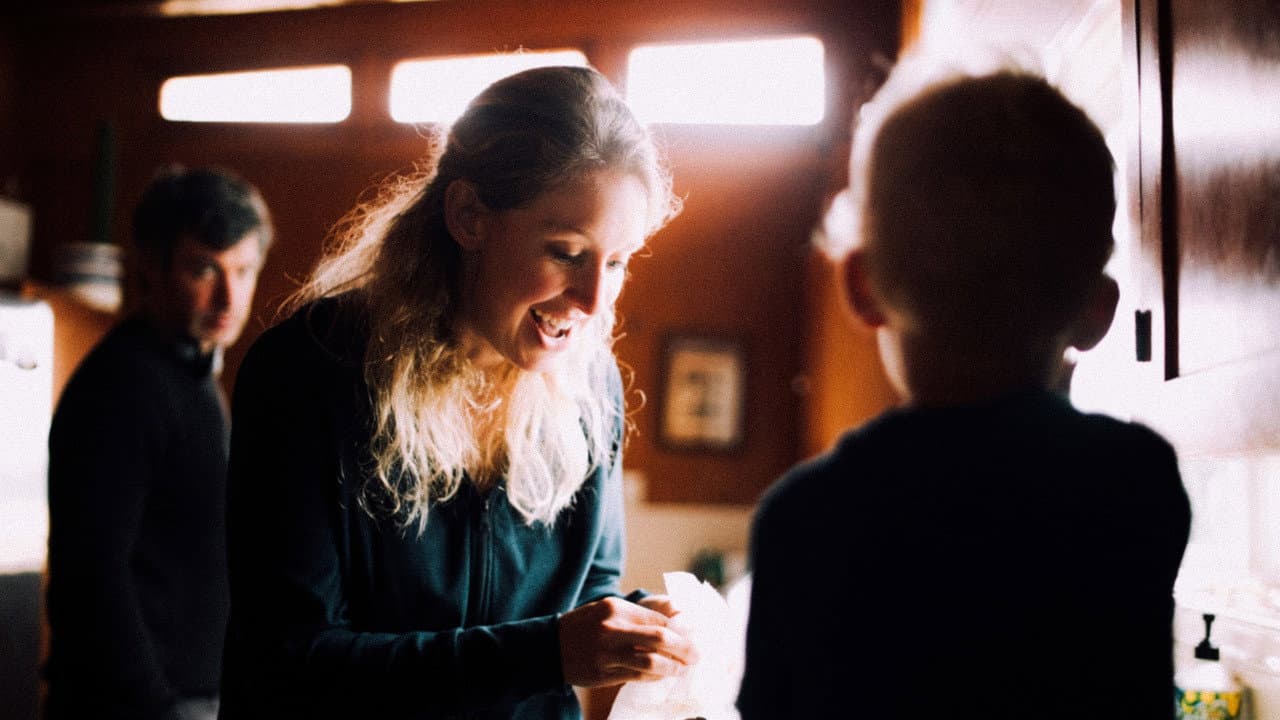
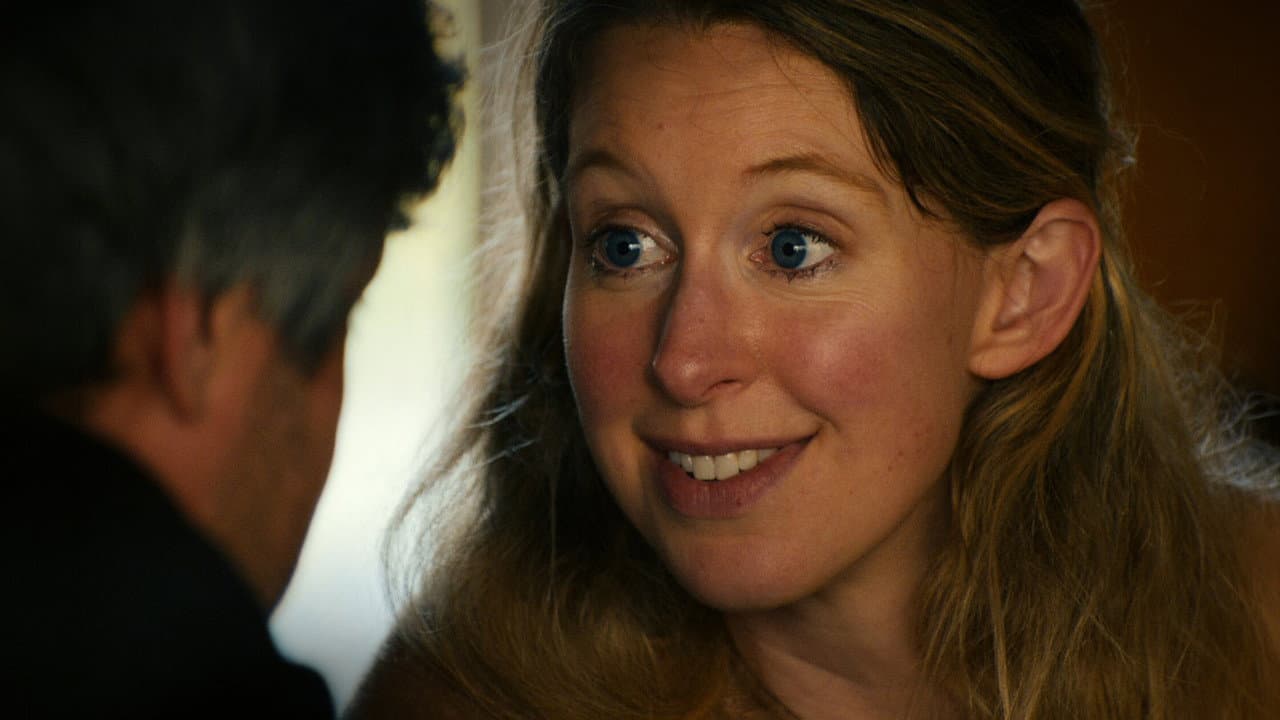
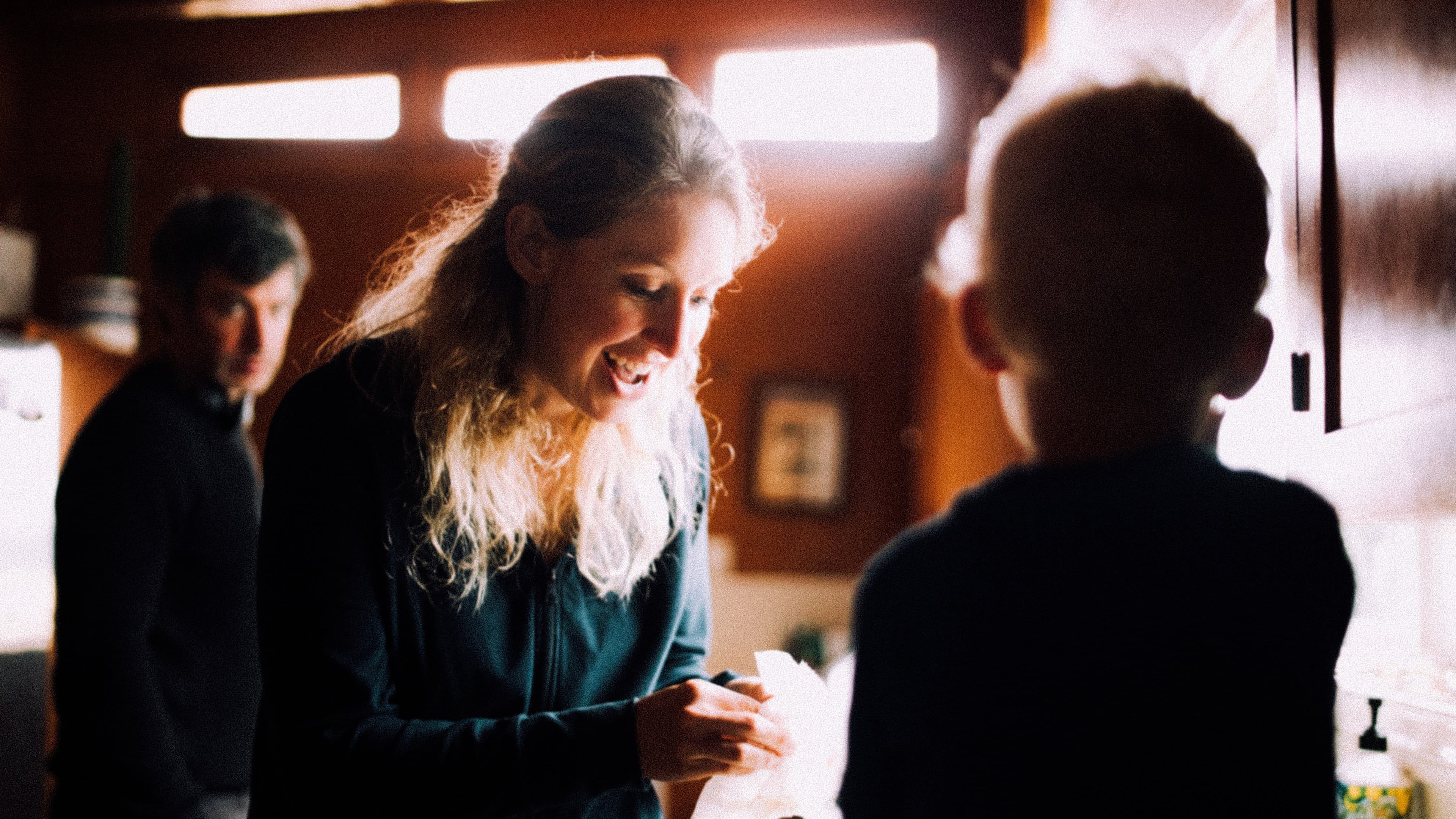
The setup is deceptively simple. Elizabeth Holmes, notorious founder and convicted felon, grants a skeptical film crew unprecedented access in the weeks before her sentence begins. She wants to be seen, understood, maybe even redeemed. Fielder, playing the deadpan provocateur we know from his television work, isn't buying it - and the tension between her performance and his suspicion becomes the film's engine.

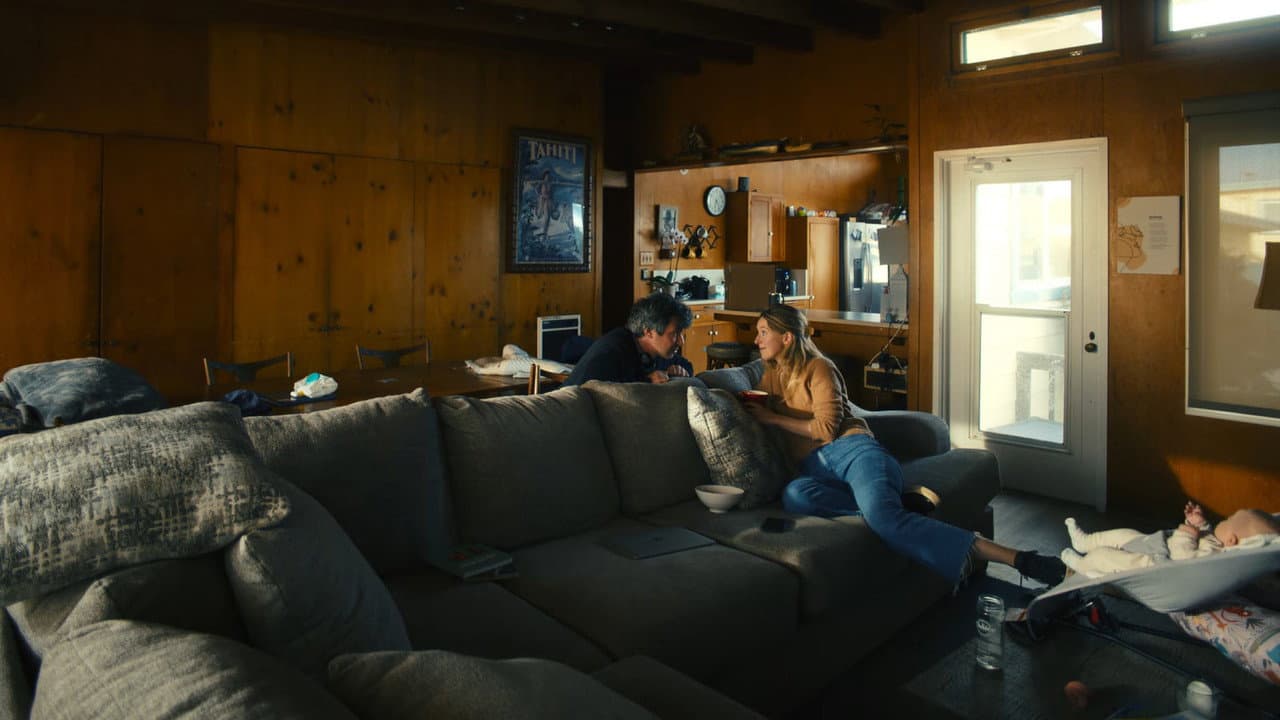
Then the timeline stretches. What was supposed to be an intimate month-long portrait balloons into a three-year odyssey. Billy Evans, Holmes's partner, drifts through the frame like a man who wandered in from a different movie. Amanda Seyfried appears as herself, somehow also playing Holmes, a doubling that the film never bothers to explain and never needs to. Christopher Abbott shows up as himself. The couple's children, William Holmes Evans and Invicta Holmes Evans, become recurring presences in a narrative that keeps folding back on itself. Lance Oppenheim, a documentarian in his own right, is here too, as himself and as a mirror.

Somewhere in the second hour, the film stops pretending to be about Holmes at all. It becomes about the act of watching, the ethics of the camera, the impossibility of capturing a person who has spent her entire life manufacturing a version of herself for public consumption. By the final act, the abyss isn't just Holmes's - it's ours.

Review

Fielder has always been fascinated by people who cannot stop performing, and Holmes is the ultimate subject: a woman whose entire public identity was, by her own admission in court, a construction. Placing these two together for three years is either a stroke of genius or an act of cruelty, and the film never lets you settle on which. The runtime is punishing, and deliberately so. Fielder wants you to feel the weight of time passing, the way a person can become a project, then a habit, then a haunting.

The documentary's central gambit - that it will show you everything - is a lie, and the film knows it. Every scene is staged to some degree, every confession calibrated. Seyfried's presence as both herself and Holmes is the clearest signal that we're watching a hall of mirrors, not a window. It's a bold, alienating choice that will lose some viewers and transfix others.

Technically, the film is immaculate. The photography shifts registers - vérité intimacy in the early days, something colder and more clinical as the years grind on. The editing refuses catharsis, which is the point. There is no redemption arc here, no tidy reckoning. Just a woman, a camera, and three years of a country watching.

What lingers is the moral queasiness. Holmes agreed to this. She wanted it. And yet watching her children wander through the frame - children who did not consent, who cannot consent - feels like a line crossed, then crossed again. Fielder knows this. He puts it on screen. He doesn't resolve it. That discomfort is the film's real subject.

Not everyone will make it to the end of 174 minutes. Those who do will find themselves arguing about it for weeks.

Pros & Cons

Pros

  • Fielder's deadpan presence creates unbearable, unforgettable tension with Holmes
  • Seyfried's self-as-both-Holmes doubling is a genuinely radical formal choice
  • The three-year timeline gives rare depth to a story usually told in headlines
  • Mesmerizing, disciplined photography that evolves with the narrative

Cons

  • The 174-minute runtime is punishing and will exhaust casual viewers
  • The film's refusal to offer catharsis or resolution frustrates by design
  • Children appear without meaningful consent, an ethical problem the film raises but never resolves
  • Some mid-film stretches feel indulgent, repeating ideas already made

Rating Breakdown

Direction9.0/10
Story & Structure7.0/10
Performances / On-Screen Presence9.0/10
Cinematography8.0/10
Pacing6.0/10
Originality9.0/10

Final Verdict

You Can See Everything is not a comfortable watch, and it isn't trying to be. Fielder has built a three-year labyrinth around a woman who spent her life building one around herself, and the result is the most formally daring documentary Hollywood has released in years. It's too long, too slippery, and occasionally too cruel - but it burrows in and stays there. See it in a theater, with a stranger sitting nearby, and try not to think about who's watching whom.

🎬Advertisement[movie-in-content]

Cast

Elizabeth Holmes

Elizabeth Holmes

Self

Nathan Fielder

Nathan Fielder

Self

Billy Evans

Billy Evans

Self

Amanda Seyfried

Amanda Seyfried

Self / Elizabeth Holmes

Christopher Abbott

Christopher Abbott

Self

W

William Holmes Evans

Self

I

Invicta Holmes Evans

Self

Lance Oppenheim

Lance Oppenheim

Self

Gallery

You Can See Everything Review: Nathan Fielder's 2026 Film still 1
You Can See Everything Review: Nathan Fielder's 2026 Film still 2
You Can See Everything Review: Nathan Fielder's 2026 Film still 3
You Can See Everything Review: Nathan Fielder's 2026 Film still 4
You Can See Everything Review: Nathan Fielder's 2026 Film still 5
You Can See Everything Review: Nathan Fielder's 2026 Film still 6
You Can See Everything Review: Nathan Fielder's 2026 Film still 7
You Can See Everything Review: Nathan Fielder's 2026 Film still 8

Similar Movies

#Review#Movies#Entertainment#2026
🎬Advertisement[movie-bottom-mobile]

Join Our Mailing List

We will send you the best movie reviews, celebrity news and entertainment updates from Movie Buzz each week.