The lights went down in a Los Angeles screening room on a Friday night in early November, and when they came back up, a good portion of the audience sat still, catching its breath. That is the effect Sian Heder's Being Heumann tends to have. Since its November 6 release, the film has been building the kind of word-of-mouth that studios can't engineer - the sort that starts in a single theater and travels fast.
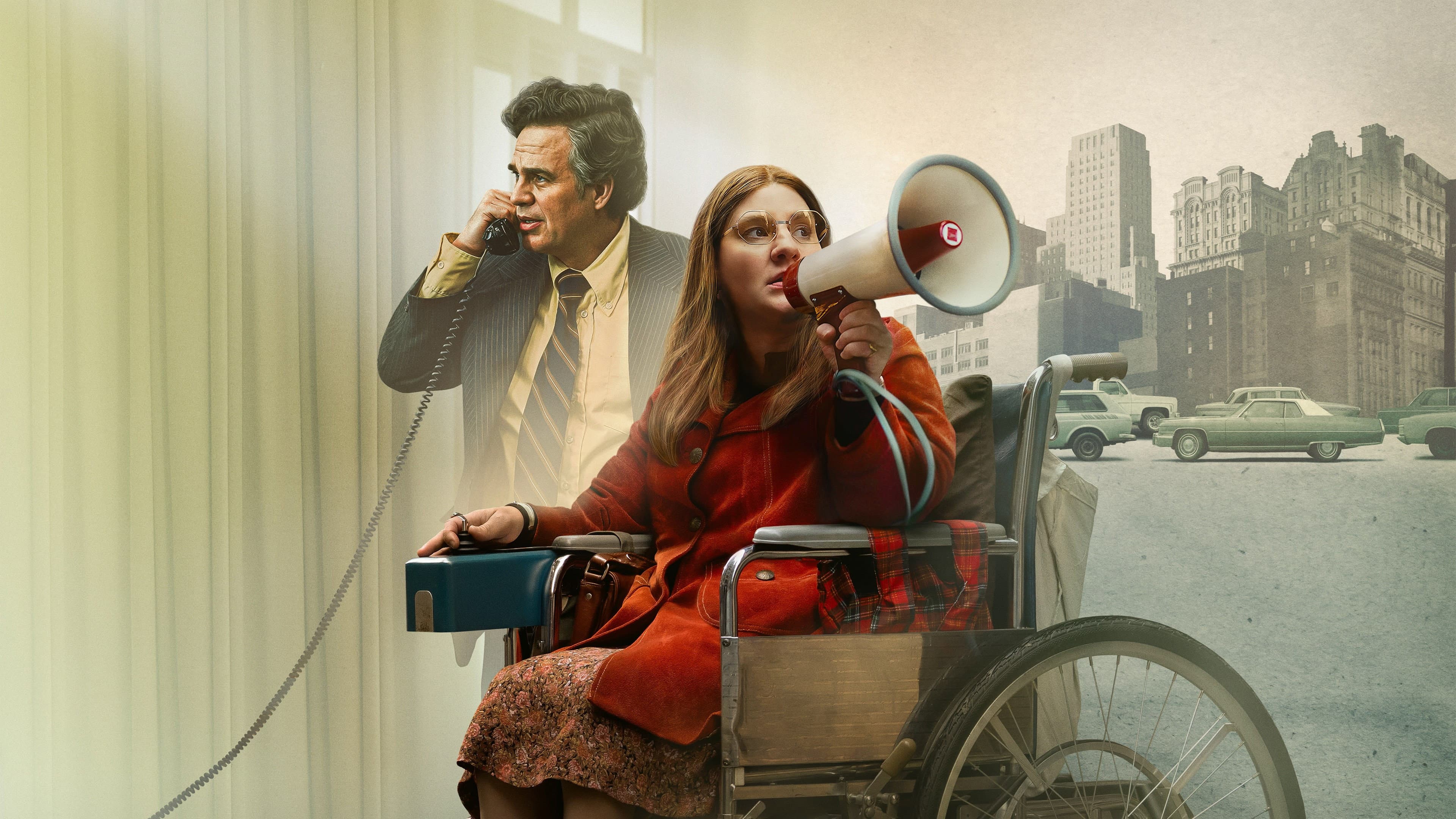
On paper, the premise sounds like the kind of story Hollywood usually files under "important." Judy Heumann, a disability rights activist, spends years being told what she cannot do. She refuses the script. In 1977, she and more than a hundred fellow protesters occupy federal buildings and send a very loud message: the system is broken, not us. Heder, who directed CODA, knows her way around a story that could easily turn syrupy, and here she keeps the temperature hot. This is not a picture about quiet suffering. It's a picture about people who are done asking politely.
At its center is Ruth Madeley as Heumann, a performance that has become the film's gravitational pull. Madeley plays her with a scrappy, unvarnished defiance - a woman whose outrage is not a flaw to be softened but an engine. She argues, she schemes, she refuses to be talked into gratitude. What makes the performance land is how little she asks for the audience's sympathy. Madeley's Heumann doesn't want to be liked. She wants to be heard.
Around her, the film assembles a genuinely impressive ensemble. Mark Ruffalo turns up as Joseph Califano, the government official whose polite stonewalling is the enemy the protesters must outlast - and Ruffalo plays him not as a cartoon villain but as a man who genuinely believes delay is reasonable, which is worse. Dylan O'Brien brings a restless energy as Evan White, Madeline Delp gives Kitty Cone a fierce, tactical intelligence, and Roberta Colindrez, Jon Beavers, Antwan Tolliver, and Ray Fisher fill out a protest movement that feels like a real community rather than a lineup of noble symbols.
Heder's great achievement is pacing. The film runs 127 minutes, and it earns them. The organizing scenes crackle with the same messy energy as a heist movie - who's making the call, who's bringing the supplies, who's willing to risk arrest. By the time the protests reach their peak, the audience is invested in logistics the way other films make you care about car chases. There's a wit to the dialogue, too; these are people who have spent years being underestimated, and their humor has a blade in it.
What the film refuses to do is turn its subject into a museum piece. The story unspools in 2026, but the fights look awfully familiar. Heder doesn't underline the connection, and she doesn't have to. The film's most quietly devastating scenes are the mundane ones: a phone call about a ramp, a bureaucratic form, a meeting in which someone with authority explains, patiently, why change is impossible. Audiences have been responding to those scenes in particular, and it's not hard to see why.
Critical and audience response has been warm, though not unanimous - the film's TMDb rating sits at a respectable 6.192 out of 10, suggesting some viewers feel the film's reach occasionally exceeds its grasp. Still, the conversation around Being Heumann has been notably larger than its numbers. Madeley's name comes up constantly in awards chatter that has only just begun, and the film has become a talking point in a way that festival darlings often don't manage.
Because what Being Heumann really is, when you strip away the period cars and the institutional corridors, is an argument. It says that change is made by people who are inconvenient, in rooms that are too small, for longer than anyone planned. It says the system is not fixed by asking nicely. In a fall season crowded with loud spectacles, that argument has found its audience - and it doesn't seem inclined to leave quietly.