The lights go down, the projector hums, and somewhere in the back of a butcher shop, a little girl settles in for a show that demands to be fed. That is the unnerving promise of "Fresh Meat," the new horror feature from director James A. Janisse that has been quietly building a reputation as one of the fall season's most unsettling theatrical experiences since its October 12 release.
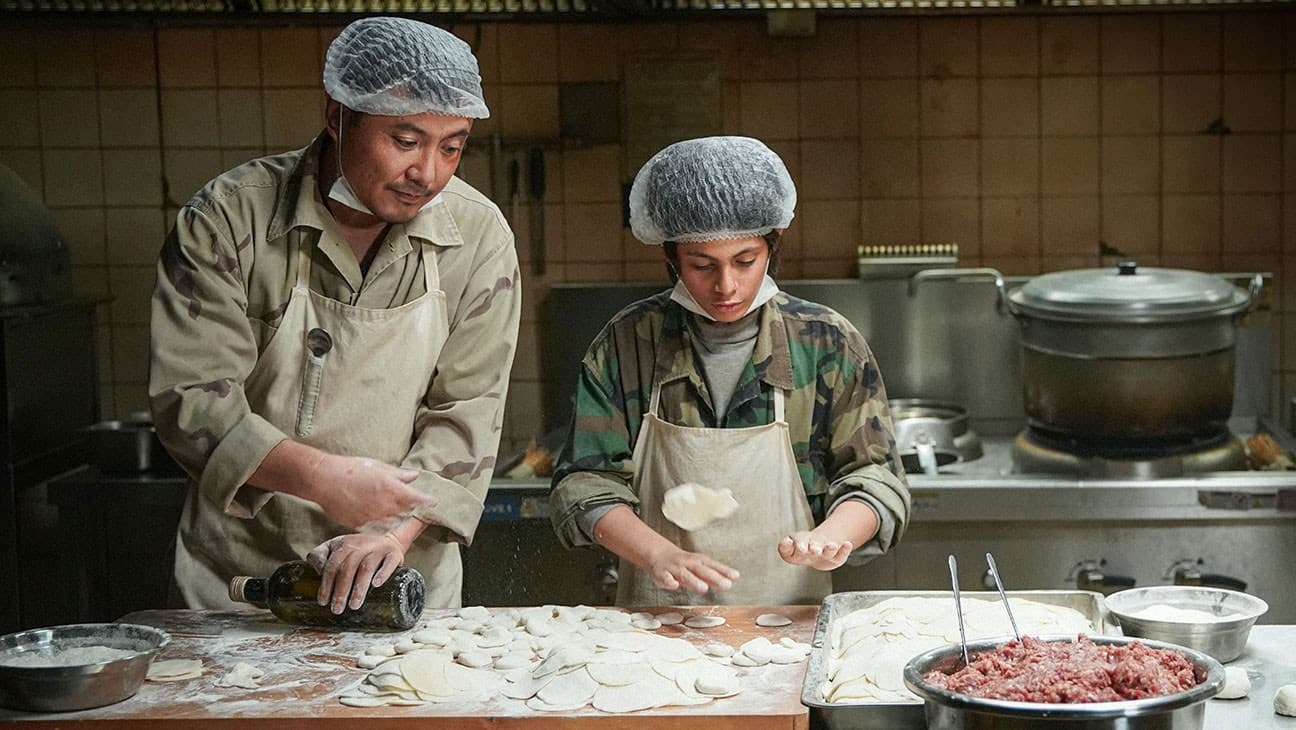
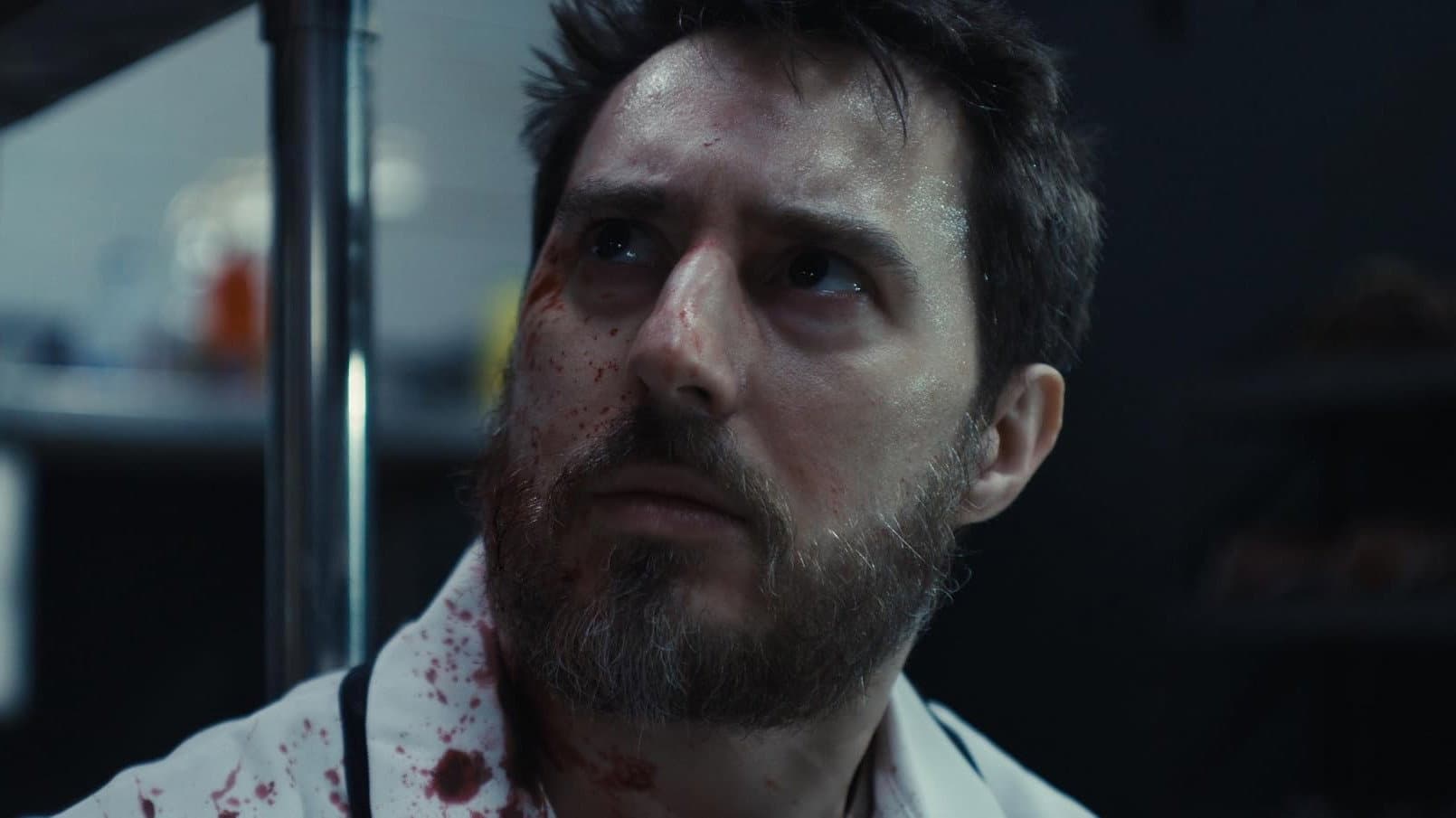
The premise is deceptively simple. A father runs a butcher shop, and his young daughter has access to a screen in the back room. But this is no ordinary television. It broadcasts terrifying tales, and it has an appetite. As the screen's hunger grows, the father is forced to find increasingly gruesome ways to keep the show going, blurring the line between entertainment and survival in a film that clocks in at 116 minutes and has already earned an 8.3 out of 10 rating on TMDb.
Janisse is best known to horror audiences as a longtime video essayist and genre commentator, and "Fresh Meat" marks a confident step into narrative filmmaking. He also appears on screen in the film's "Sate the Screen" segment, joined by Chelsea Rebecca, Zoran Gvojic, Elle Riot Fox, and Rich Sommer. That segment-based structure gives the movie its unsettling rhythm, allowing each terrifying tale to unfold like an episode of something you should not be watching, while the frame story tightens around the girl and her father like a closing fist.
The cast list reads like a gathering of familiar faces and genre stalwarts. Dolly Lewis appears as herself in the segment "What's in Your Bag?", opposite Merlin Leonhardt as The Host and Richard Kind, also playing himself, in what promises to be one of the film's stranger detours. The blending of real performers playing versions of themselves inside a horror narrative is a gambit that could easily fall apart in less careful hands. Here, it seems, the effect is intended to make the audience feel complicit in the watching.
The butcher shop setting does much of the heavy lifting. It is a place of cold rooms, hanging meat, and the low hum of refrigeration, a space where the boundary between animal and human, between product and person, has always felt uncomfortably thin. Janisse builds his story out of that unease. The screen in the back is the modern intrusion, a glowing rectangle demanding content, and the father's escalating efforts to satisfy it function as a grim metaphor for what we ask of the stories we consume. The film never says this out loud. It simply lets the cleaver fall.
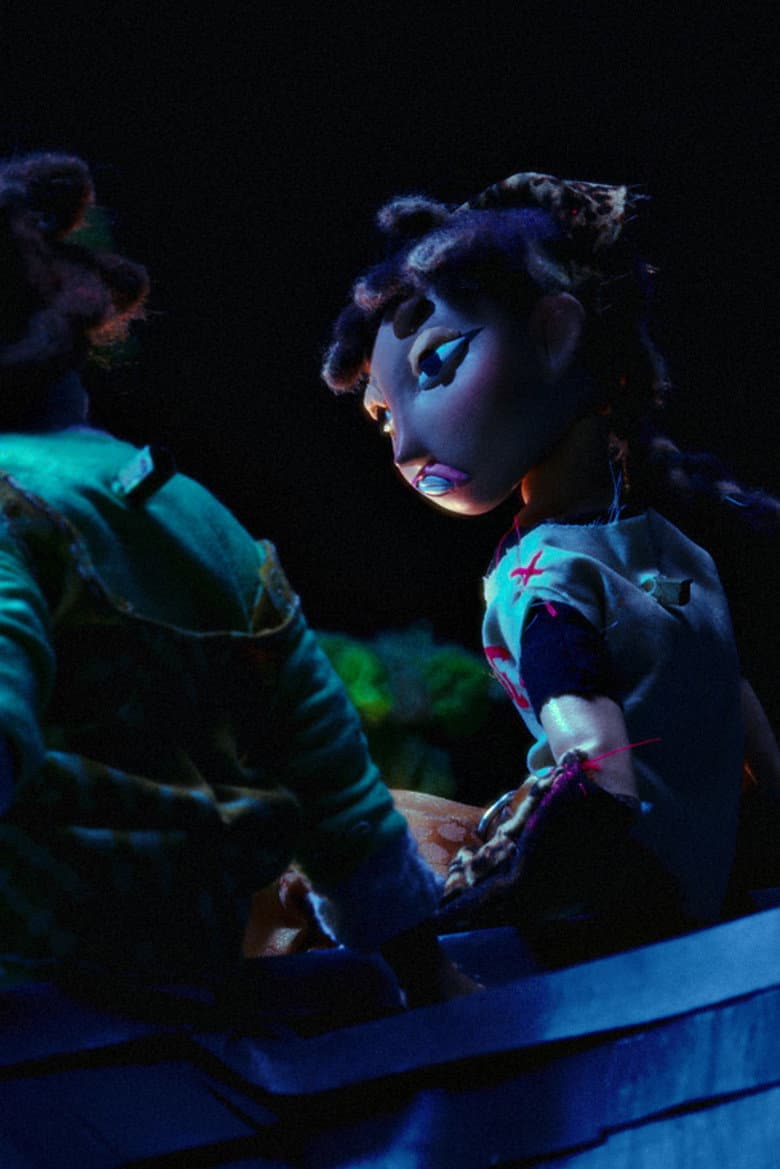
Behind the camera, the production embraces practical horror traditions. The imagery leans on shadow, silence, and the suggestion of violence rather than gratuitous spectacle, which makes the moments of real brutality land harder when they arrive. The segment structure keeps the pacing brisk even across the lengthy runtime, as each new tale raises the stakes for the girl watching from the dark.
"Fresh Meat" arrives in theaters at a moment when horror has rarely been more inventive or more willing to blur the line between the screen and the room around it. Janisse has spent years dissecting the genre and explaining why it works. With this film, he turns the analytical eye on the audience itself, asking why we keep leaning forward when we know what the screen needs. The film is now playing. Bring your appetite, and perhaps your father.