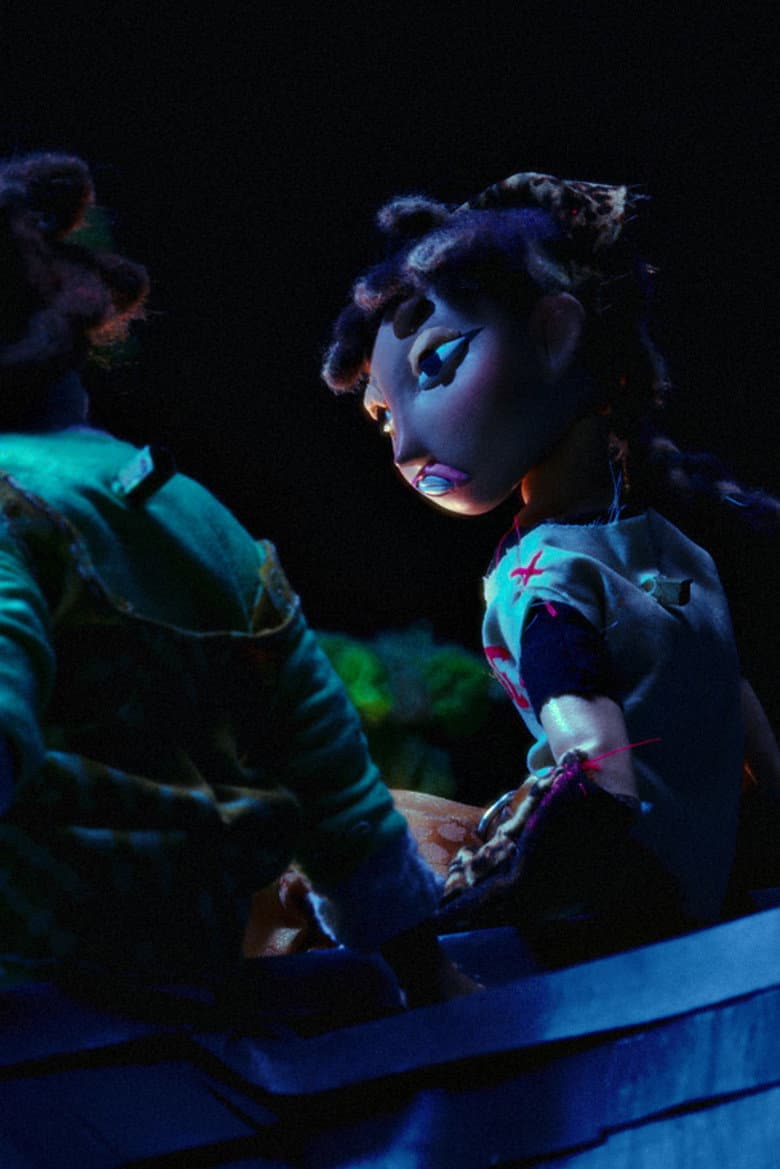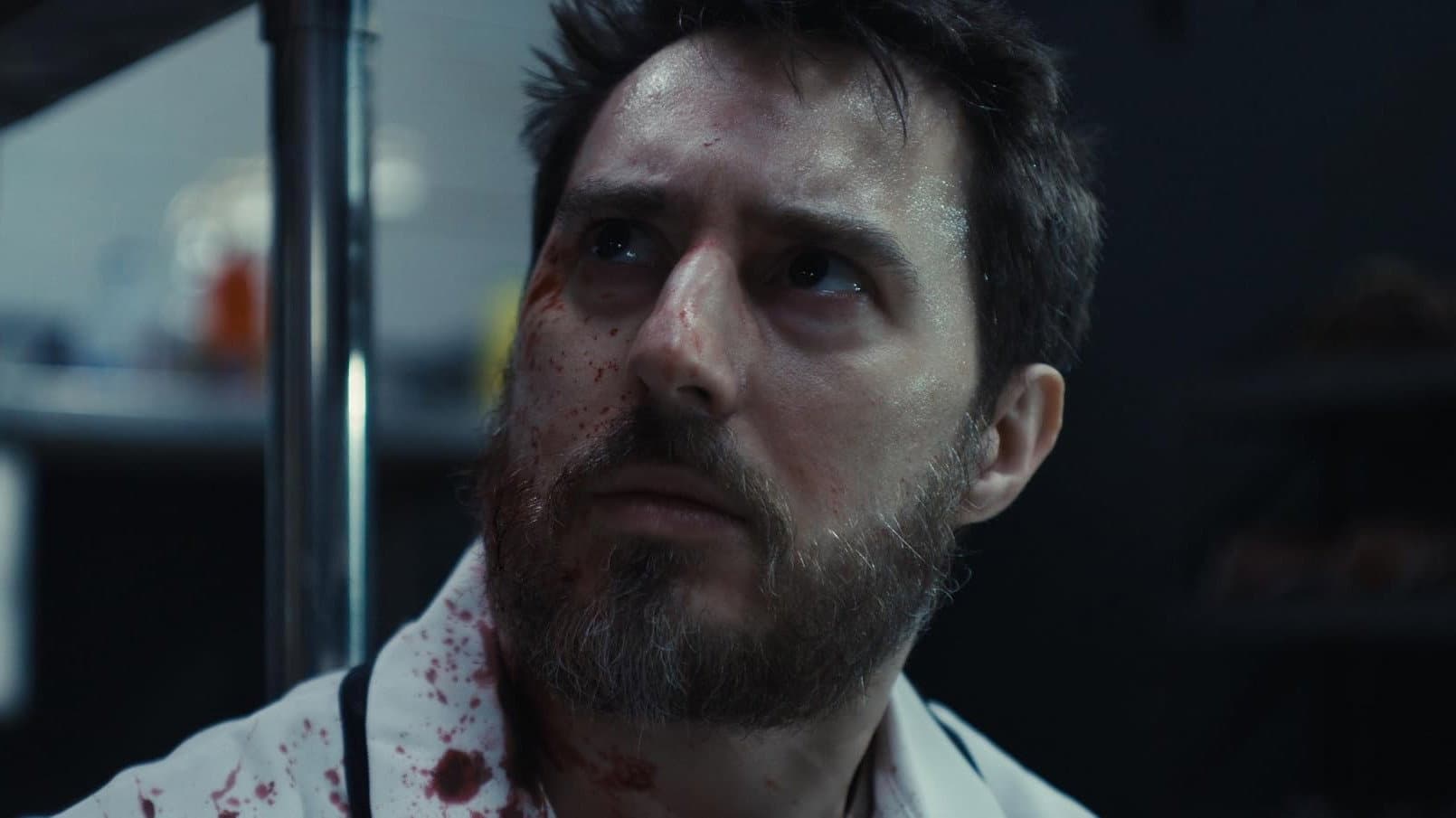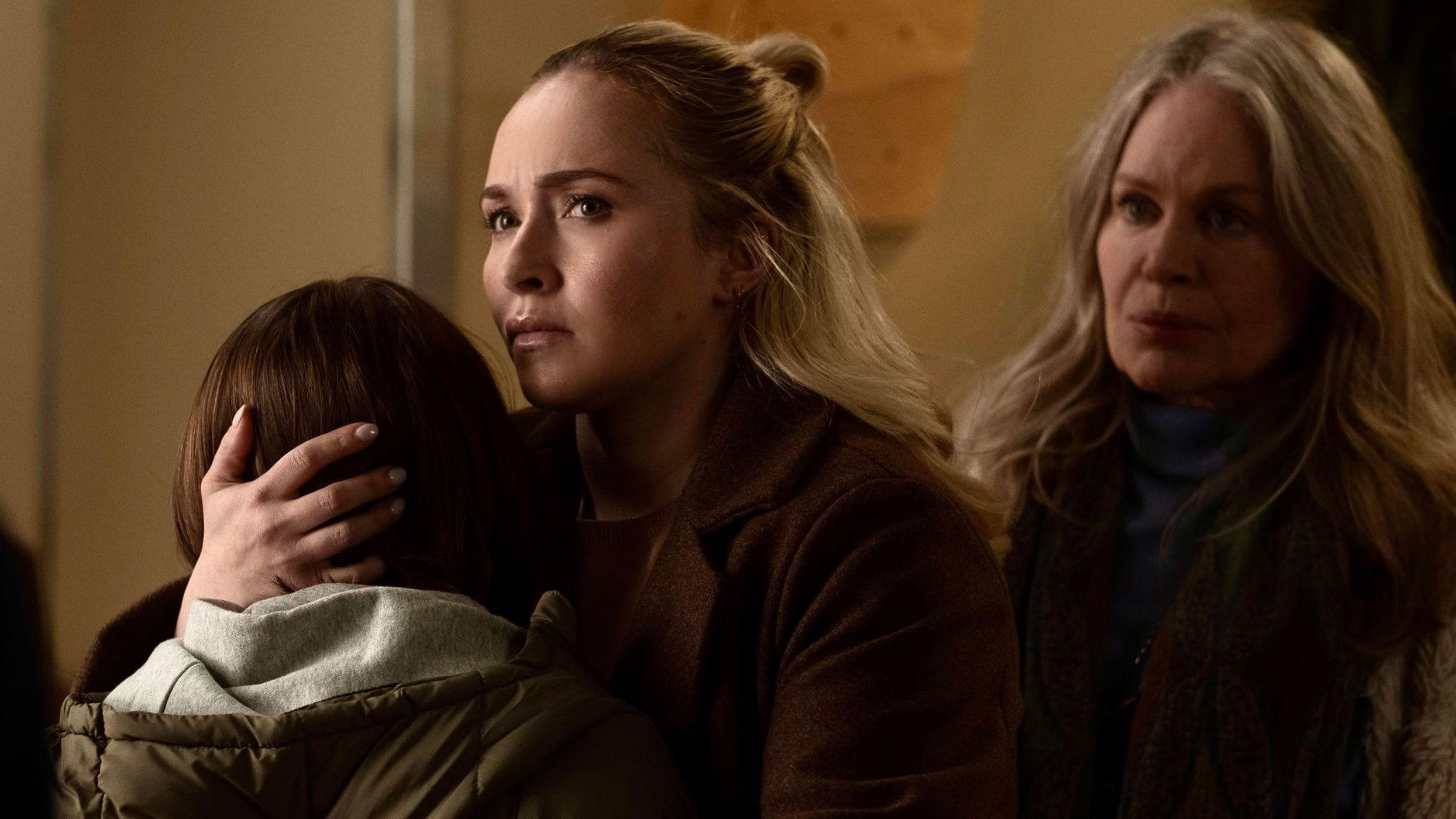
The fog rolls in early on Soundstage 12, or at least that's how it feels watching Brandon Auman's Sleepwalker, a claustrophobic domestic nightmare that slipped into theaters this past January and has been unsettling late-night streamers ever since. Hayden Panettiere stars as Sarah, a mother hollowed out by the death of her daughter in a car accident - a crash that also left her abusive husband Michael, played with unnerving stillness by Justin Chatwin, in a coma. The film's premise is a cruel piece of emotional arithmetic: grief plus guilt plus a body in the guest room that refuses to stay quiet.
Auman, best known for his animation work, makes an unexpected pivot into live-action horror here, and the result is a movie that trades jump scares for slow, creeping dread. Sarah's sleepwalking episodes begin as small disturbances - a door found open, mud on the kitchen floor - before escalating into full-blown nocturnal wanderings that blur the boundary between dream and waking life. Is Michael really haunting the house, or is Sarah's mind manufacturing a monster it can blame? The film refuses to answer cleanly, and that ambiguity is its sharpest weapon.
The cast surrounding Panettiere gives the film a curious, almost retro texture. Beverly D'Angelo appears as Gloria, a figure whose warmth may or may not be genuine, while Mischa Barton lends a brittle edge to Joelle. Lori Tan Chinn brings a welcome gravity as Bai Zhao, and Eric Lutes turns up as Doctor Henson, dispensing the kind of clinical reassurance that horror movies love to undermine. Kea Ho and Laird LaCoste round out the ensemble as Nurse Alexis and Holden, respectively, filling in the margins of Sarah's unraveling world.
At 89 minutes, Sleepwalker moves with a lean economy. Auman doesn't linger - scenes bleed into one another like the edges of a fever dream, and the runtime leaves little room for the audience to catch its breath or poke holes in the logic. The house itself becomes a character, all dim hallways and doors that seem to breathe. Cinematographers love this kind of material, and the film's visual grammar owes a debt to the psychological thrillers of the 1970s, where domestic spaces curdled into something sinister.
Panettiere carries the weight of the piece, and it's a demanding role - Sarah must be sympathetic and unreliable at once, a woman whose testimony we want to trust even as the evidence stacks against her. Chatwin's comatose Michael is a masterclass in passive menace; even with his eyes closed, his presence dominates the frame. The film's most effective sequences are the quiet ones, where Sarah stands at the foot of a bed or stares into a mirror and we cannot tell whether she is awake.
The film's reception has been muted rather than rapturous. Its TMDb rating sits at 4.4 out of 10, a number that suggests audiences are split on its glacial pacing and refusal to offer easy resolutions. But ratings rarely tell the whole story with a movie like this. Sleepwalker is the kind of film that finds its audience in the years after release, when viewers stumble onto it at 2 a.m. and realize they've found something that understands the specific terror of being alone in a house with your own memories.
For Auman, the film marks an intriguing detour. For Panettiere, it's a reminder of the range she's always had. And for anyone who has ever woken at 3 a.m. unsure of where they are or what they've done, Sleepwalker offers a chilling, resonant mirror. It doesn't explain itself. It doesn't apologize. It simply walks, and waits for you to follow.