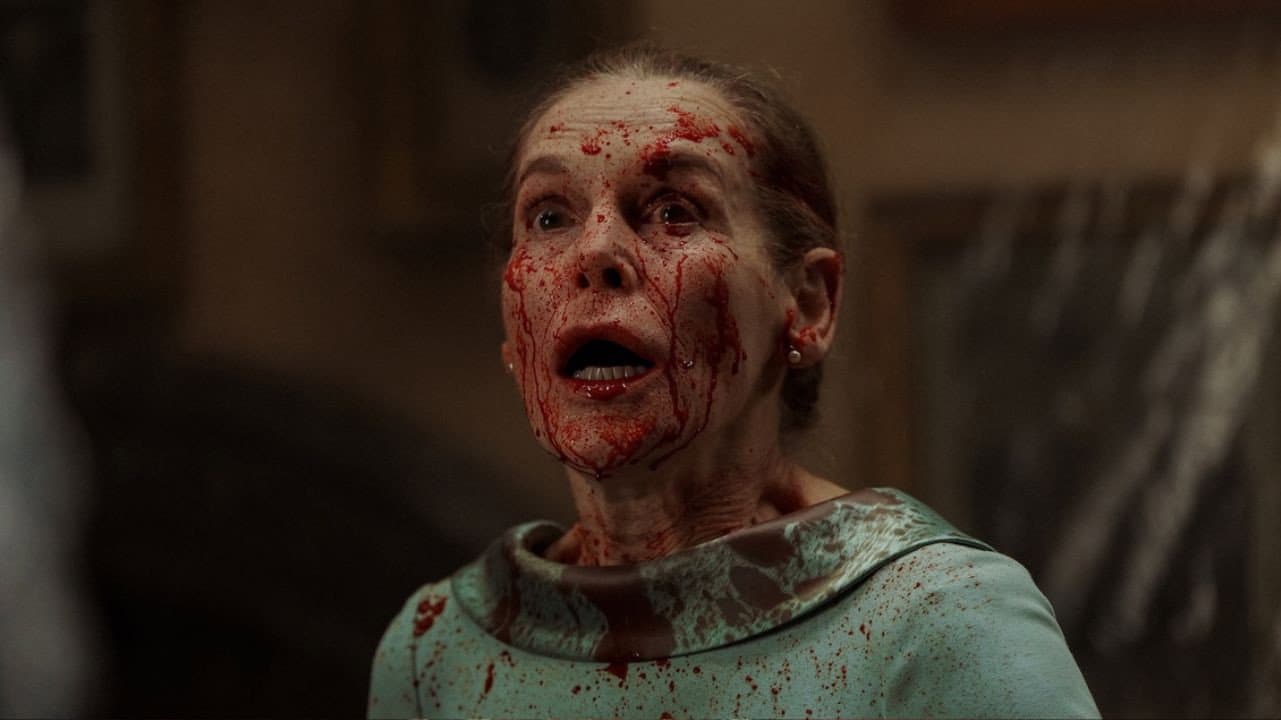
There is a particular kind of dread that settles over a house when the body inside it has been irrevocably changed. That is the territory Glenn McQuaid stakes out in his new horror feature, The Restoration at Grayson Manor, which opened in theaters on October 29 and has spent the better part of two weeks burrowing into the minds of audiences who thought they had seen every variation on the haunted-estate tale. They were wrong.
The film centers on Boyd Grayson, played with a raw, wounded precision by Chris Colfer, whose life is shattered by an accident that leaves him handless. Into that void steps his mother, Jacqueline - Alice Krige, radiating the kind of genteel steel she has perfected across four decades of screen work - who pours the family fortune into experimental technology meant to give her son back what he lost. What the technology gives him instead is the engine of the film's slow-building nightmare, and McQuaid, working from a script that prizes atmosphere over easy scares, keeps the audience off balance about where the machine ends and Boyd begins.
"It's a story about a mother's love curdling into something she can't control," Krige says of the role. "Jacqueline believes she is saving her son. The tragedy is that she never asks him what he wants." That tension - care as a form of possession - runs through every corridor of Grayson Manor, a house that production designers have dressed in faded grandeur, all dark wood and dust motes, as though the estate itself has been holding its breath for decades.
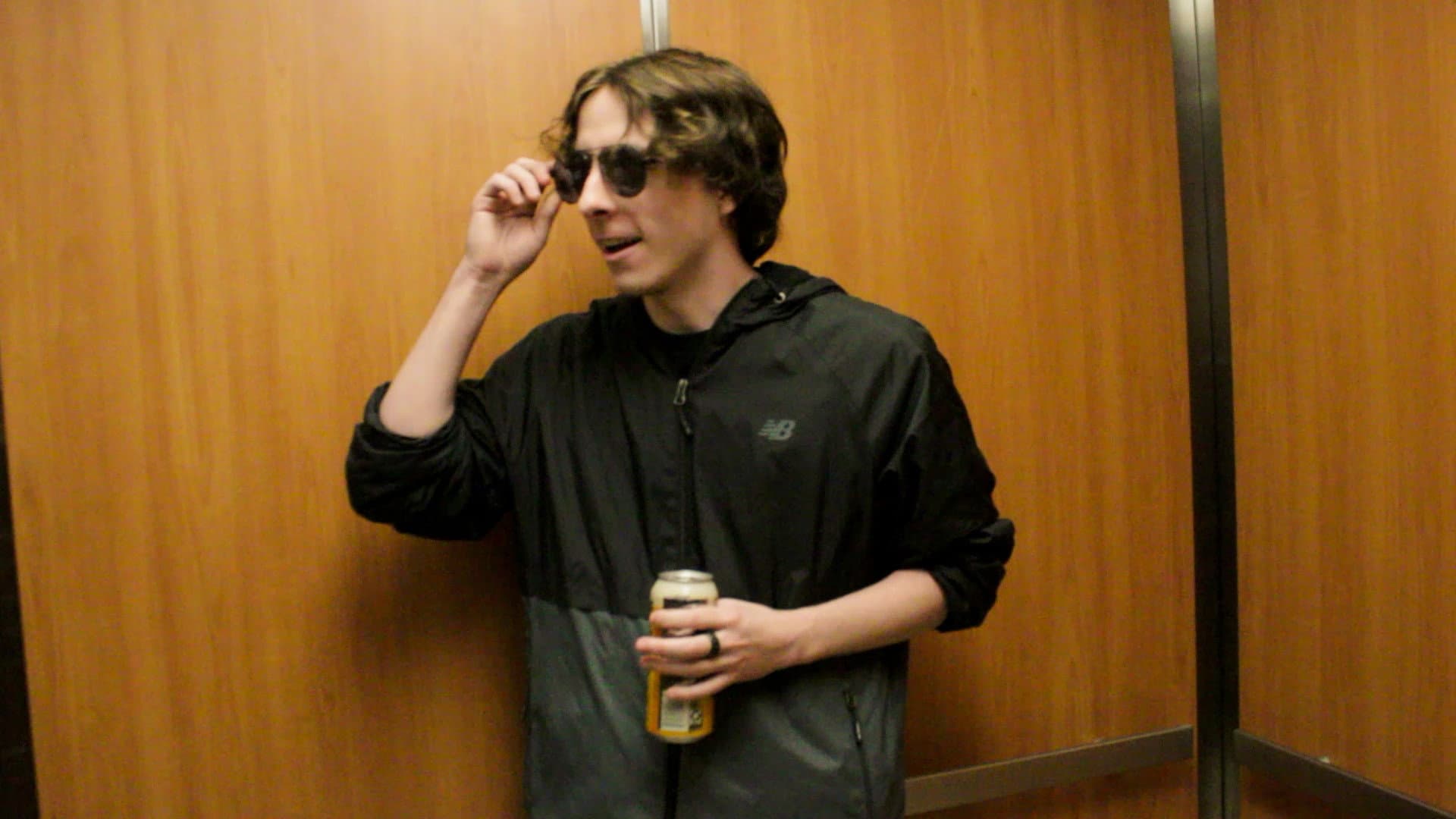
Colfer's performance anchors the film's emotional gravity. Boyd is not a passive victim; he is a young man negotiating grief for his own body while his mother's benefactors circle with their promises. Daniel Adegboyega plays Dr. Jeffrey Tannock, the physician overseeing the radical procedure, with a bedside manner that never quite masks his hunger for the experiment to succeed. Around him orbit Declan Reynolds as Lee, Gabriela Garcia Vargas as Claudia, and Matthew McMahon as John, characters whose loyalties to Boyd and to the Grayson name are tested as the house grows stranger by the night.
McQuaid, whose background in independent horror has long marked him as a filmmaker interested in mood and texture over jump-cut shock, shoots much of the film in long, patient takes. The result is a feature that runs just ninety-six minutes but feels coiled, dense, like something compressed under pressure. Horror at its best has always been about the body - what happens when it fails, when it is altered, when it is taken over - and The Restoration at Grayson Manor leans hard into that tradition without ever tipping into spectacle.
The film's release comes at a moment when audiences are unusually receptive to stories about technology intruding on the most intimate human questions. That resonance has not gone unnoticed by those involved. "We were making a horror film," says Adegboyega, "but the horror is that this is a family making decisions for each other out of fear. Everyone in this house is terrified. They just express it differently."
Early audiences have responded to the film's restraint, and to the unsettling chemistry between Krige and Colfer, a mother-son dynamic that curdles by degrees rather than erupting all at once. The film's current TMDb rating sits at 0/10 with too few votes yet logged to say anything meaningful, a reminder that this is a picture still finding its audience rather than one that arrived with a marketing blitz behind it.
What The Restoration at Grayson Manor offers is a reminder that horror can be a family drama with the volume turned down and the lights dimmed - that the most frightening thing in the room is often the person who loves you most and has decided, on your behalf, exactly what you need. McQuaid and his cast have built a house worth visiting, even if you may not want to stay the night.