The lights went down in the Chinese Theatre’s second auditorium, and for a moment the only sound was the low, anxious hum of an air conditioning unit fighting a losing battle against a packed house. Then the first frame of Clayface hit the screen - a tight, unforgiving close-up of a young Matt Hagen’s face, half-lit by a neon sign, and the audience let out a collective breath they didn’t know they’d been holding.
That was Monday night. By Wednesday, the film opens wide, and Hollywood is still trying to figure out what, exactly, James Watkins has done here.
Because Clayface is not the movie the trades were expecting. The early word from the studio’s own marketing painted it as a grim, effects-driven monster picture - a disfigured man, a bottle of miracle serum, a rampage. And all of that is in there. But Watkins, working from a script that has been quietly circulating in town for the better part of two years, has made something stranger and more uncomfortable: a horror-thriller about the machinery of fame, and what happens when that machinery chews you up and spits you back out with a new face and a fractured mind.
The story is simple enough on its surface. Matt Hagen (Tom Rhys Harries) claws his way out of Gotham’s street corners and into the Hollywood spotlight, a meteoric rise that the film treats with real affection in its first act - the grimy apartments, the cattle-call auditions, the small wins. Then a local crime boss, John Borrelli (Max Minghella, playing menace with a soft, reasonable voice that makes your skin crawl), makes a decision that leaves Hagen horribly disfigured. His team abandons him. His career evaporates. And Hagen, with nothing left, seeks out a cutting-edge treatment that works - miraculously, impossibly - returning him to his former self.
That’s when the floor gives way.
“The treatment doesn’t just fix his face,” Watkins said at the premiere’s brief post-screening reception, standing near the bar with a glass of water he barely touched. “It fixes his sense of reality. He can’t tell where the performance ends and the person begins anymore. And for a guy whose whole life was built on pretending, that’s the worst possible gift.”
Harries, who has been quietly building a name for himself in British television and stage work, delivers a performance that is less a superhero origin and more a study in erosion. Early on, his Hagen is all restless charm, a kid who learned to smile his way into rooms. Later, the smile stays but the eyes don’t, and the film’s horror becomes less about what Hagen looks like and more about what he’s willing to do while looking perfectly normal. Naomi Ackie, as Caitlyn Corr, a studio fixer who gets too close to the wreckage, does the film’s heaviest lifting in its second half - she’s the audience’s proxy, watching a man she cared for become a stranger who wears his old face like a mask.
The supporting cast is stocked with the kind of actors who make a genre picture feel lived-in. Eddie Marsan, David Dencik, and Francesca Corney each get a scene or two that lands harder than it has any right to. Ruby Sear, as Hagen’s sister Theresa, is the film’s beating heart in its brief, quiet moments. And Wil Coban’s Bones is a genuinely unsettling piece of work - a henchman who seems to enjoy watching Hagen’s unraveling more than he enjoys the violence itself.
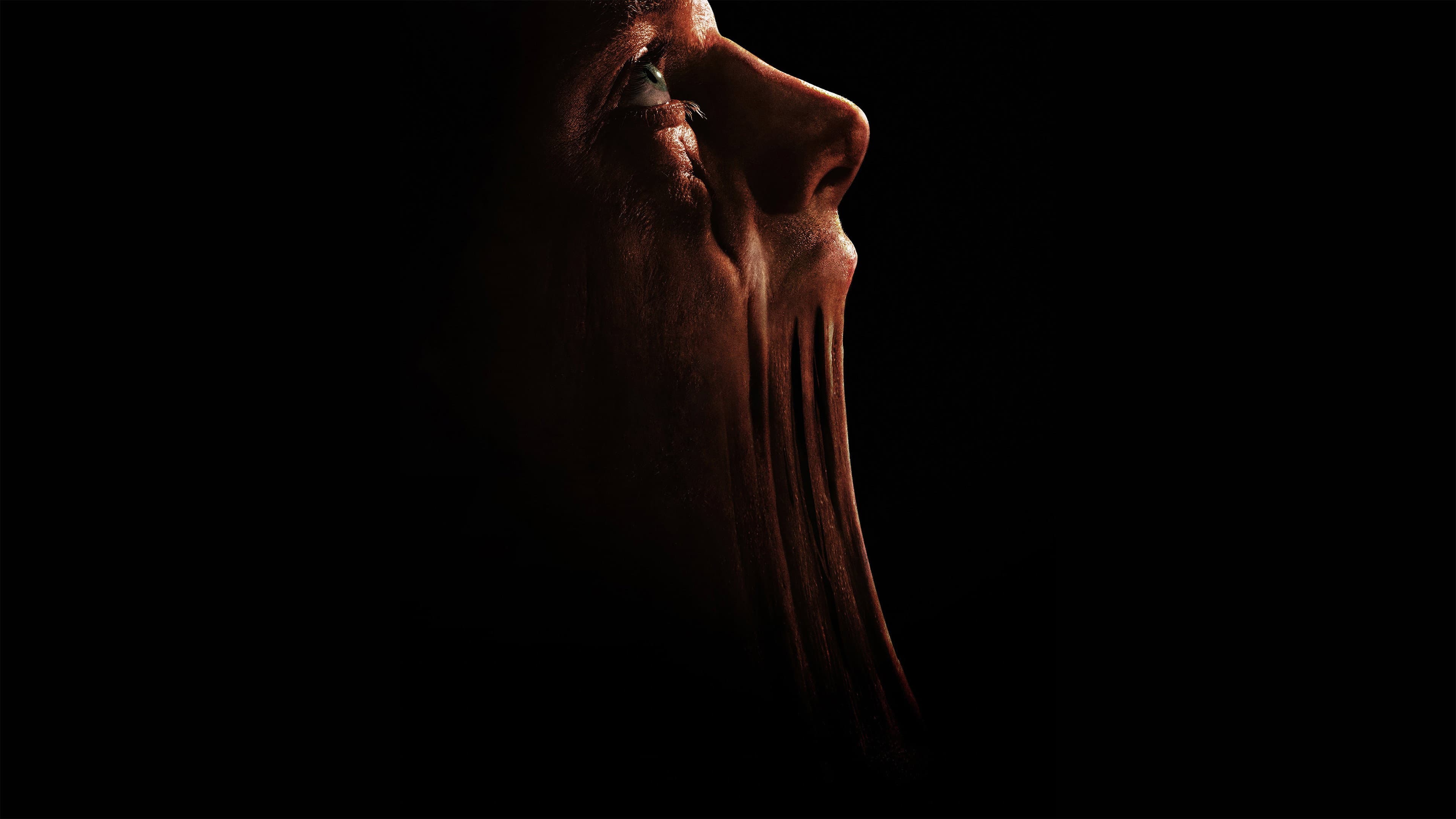
Watkins, who has spent his career bouncing between horror and thrillers with a craftsman’s discipline, keeps the 109-minute runtime tight. There’s no fat on this thing. The transformation sequences - practical where possible, digital where necessary - are queasy and tactile, but the film’s real scares are psychological. A scene in a hallway mirror. A conversation with a reflection that answers back. The slow realization, in a crowded room, that Hagen is no longer sure which version of himself is talking.
The release strategy is unusual. Opening on October 21 - a Wednesday, mid-October, traditionally a quiet window before the awards-season crush - suggests the studio is betting on word of mouth rather than a marketing blitz. The TMDb rating already sits at 8.25/10, though that number is based on early screening reaction and will surely settle in the coming weeks. But the mood leaving the theatre on Monday night was not the usual polite applause. People were quiet. Some were arguing. That’s the kind of response no marketing department can manufacture.
Clayface is a horror film, a thriller, and a science-fiction story all at once, but the label that fits most uncomfortably is the one nobody at the studio wants to use: it’s a Hollywood movie about Hollywood, and it’s not feeling generous. Watkins and his cast have made a film about a man who gets handed his dream back and discovers it was never his to begin with. Whether audiences want that in their October popcorn is the question the box office will answer by Sunday. But the film itself - sharp, sad, and genuinely unnerving - is already the most interesting thing in the room.